
Is Survival Training Dangerous? The Truth About Risk, Reality, and Invisible Safety
Survival training carries real risk, but the truth is less dramatic and more interesting than the myths. The serious work is not pretending danger does not exist. It is designing the experience so the challenge stays authentic while the worst outcomes remain highly unlikely.
At Desert Island Survival we call that Invisible Safety. Guests need enough friction to feel the environment, the consequences, and themselves, but not so little oversight that a meaningful challenge becomes a stupid one.
That is why the most honest answer to “is survival training dangerous?” is yes, in the same way that mountaineering, freediving, or learning to use sharp tools properly is dangerous. The better question is whether the risk is understood, layered, and managed by people who know what they are doing.
Why Survival Training Feels Dangerous
Modern life removes friction from almost everything. We move from climate-controlled bedrooms to climate-controlled cars to climate-controlled offices while screens mediate most of what we do. A remote island strips that away. Suddenly weather matters. Hydration matters. Foot placement matters. So does whether you can keep calm when a task becomes physically awkward and mentally frustrating.
That shift is exactly why people come. They want to discover whether capability still exists underneath convenience. But if the friction is going to be real, the systems behind it must be even more real.
The Philosophy of Invisible Safety
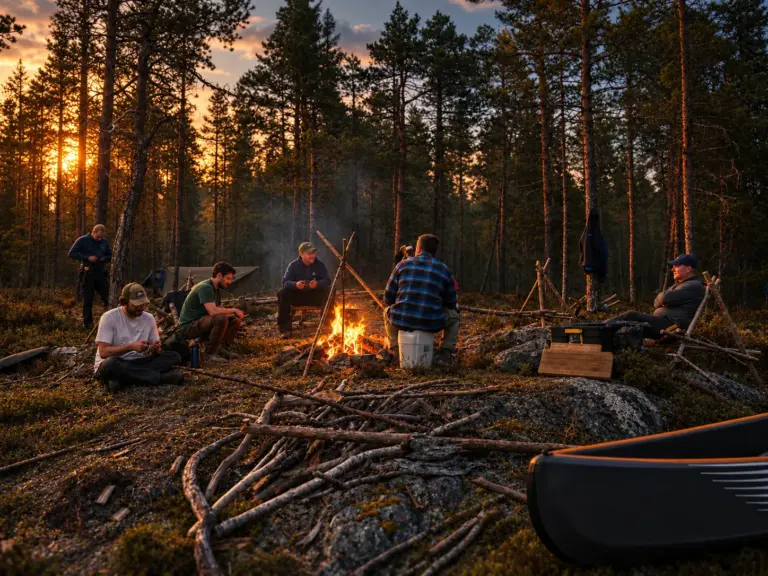
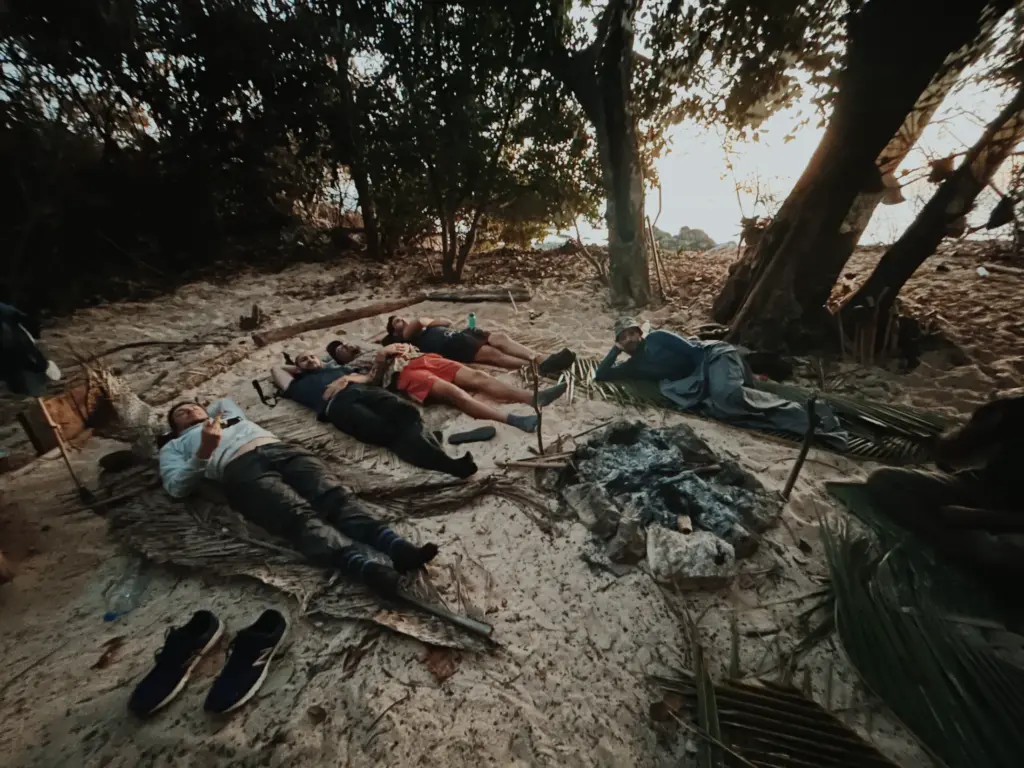
If guests can always see the safety boat, the radio mast, and the rescue plan bobbing in front of them, they never fully commit to the island. The experience becomes tourism with props. Invisible Safety solves that by keeping the support architecture active but quiet.
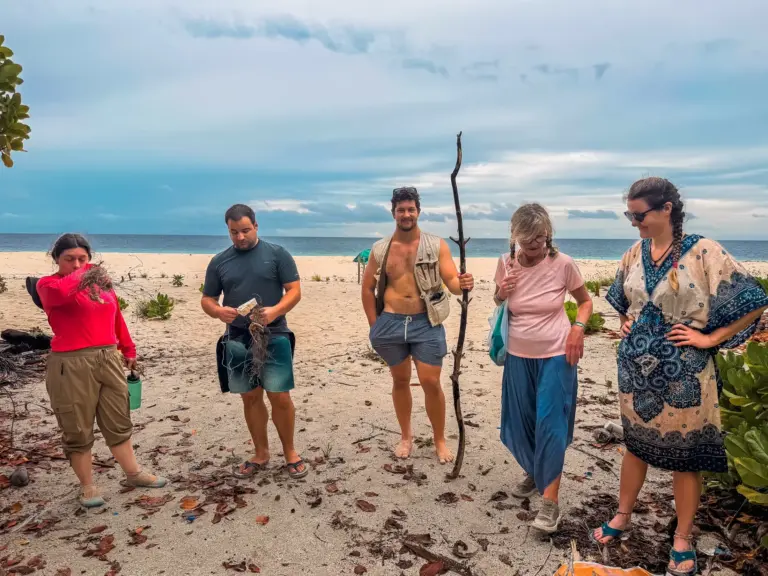
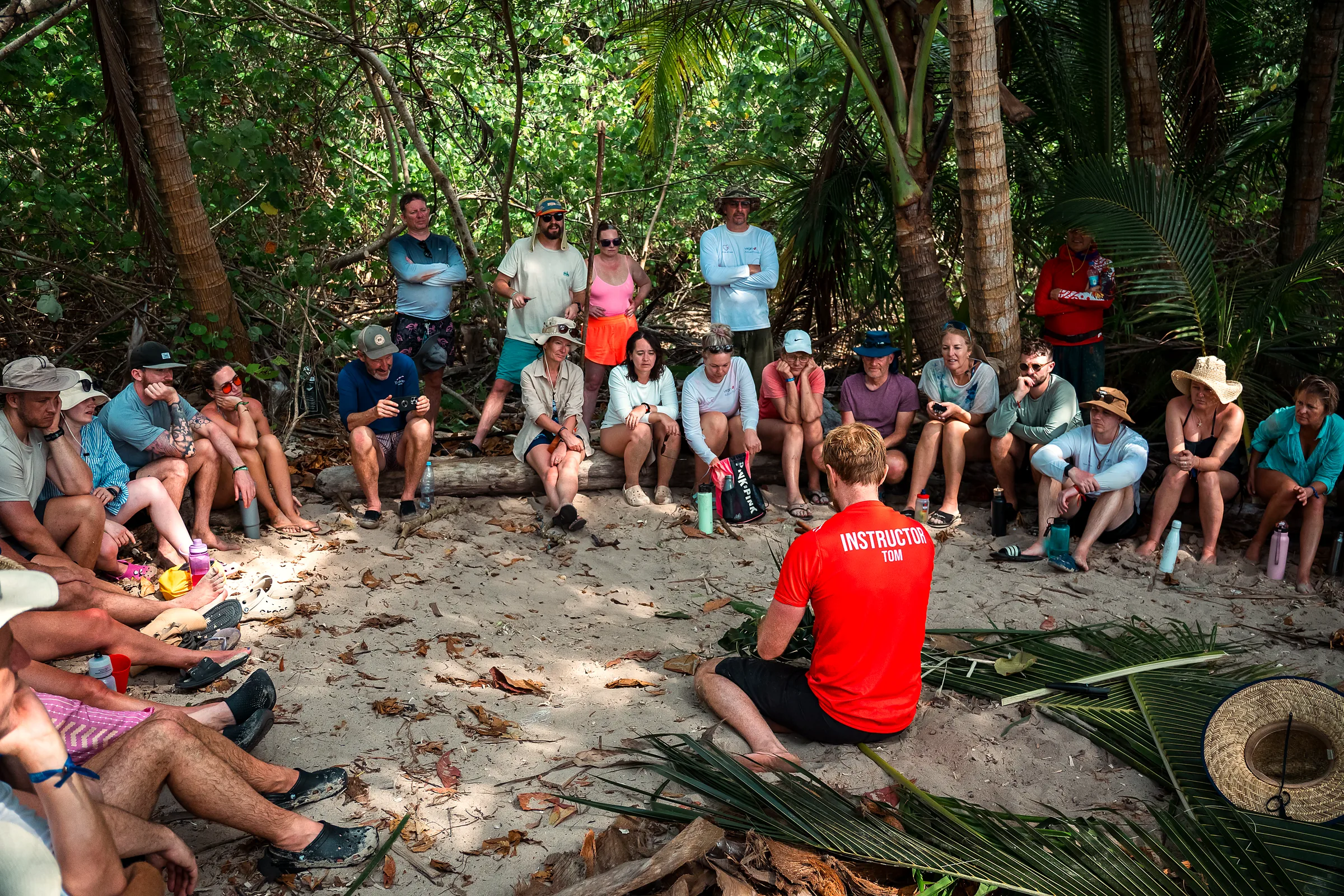
Instructors remain close enough to monitor tool use, energy levels, tides, weather, and evacuation thresholds. They stay far enough away that guests still have to build the fire, carry the water, secure the shelter, and sit with the psychological weight of uncertainty themselves.
The point is not to remove consequence. The point is to stop preventable mistakes from cascading into catastrophe.
The Risks People Imagine vs the Risks That Actually Show Up
Most first-time guests arrive picturing sharks, giant storms, and dramatic movie-scene rescues. In practice, the wild is usually subtler than that. The things that cause trouble are the ordinary hazards people underestimate.
1. Gravity and Heat
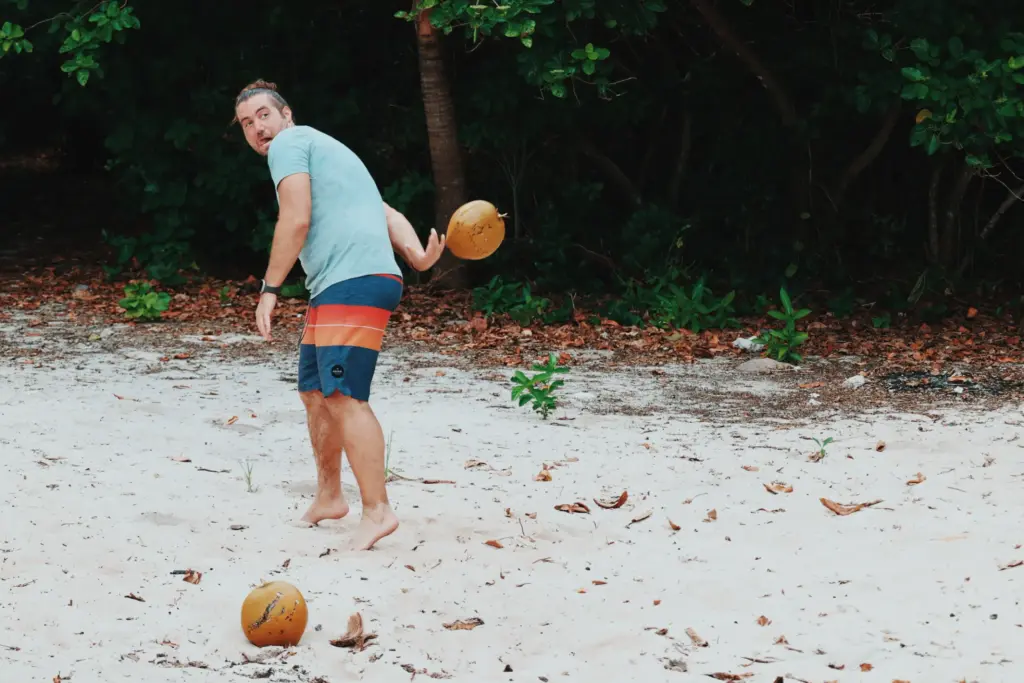
One of the least glamorous tropical hazards is whatever is hanging above your hammock. Coconuts, deadwood, unstable branches, and poorly chosen camp positions punish romantic thinking very quickly. Add humidity, sun exposure, and the cumulative drain of dehydration, and small decisions begin to matter a lot.
- Coconuts: heavy enough to injure badly if camp is placed carelessly
- Deadwood: rotten branches can fall without warning after a wind shift
- Heat stress: fatigue compounds quickly when guests misread their pace
2. Tools and Complacency
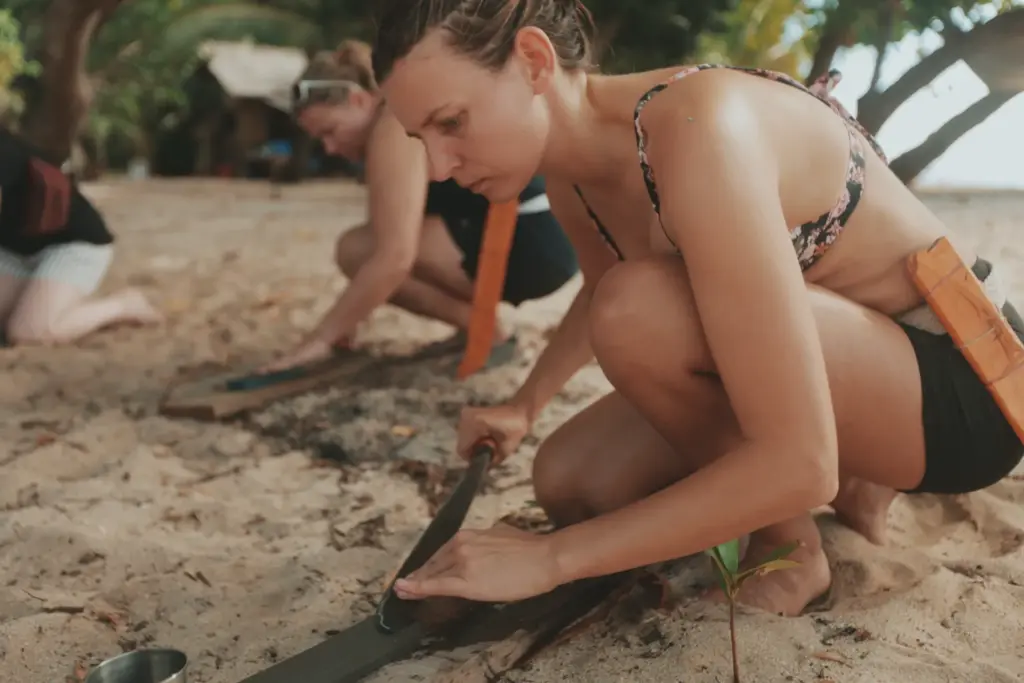
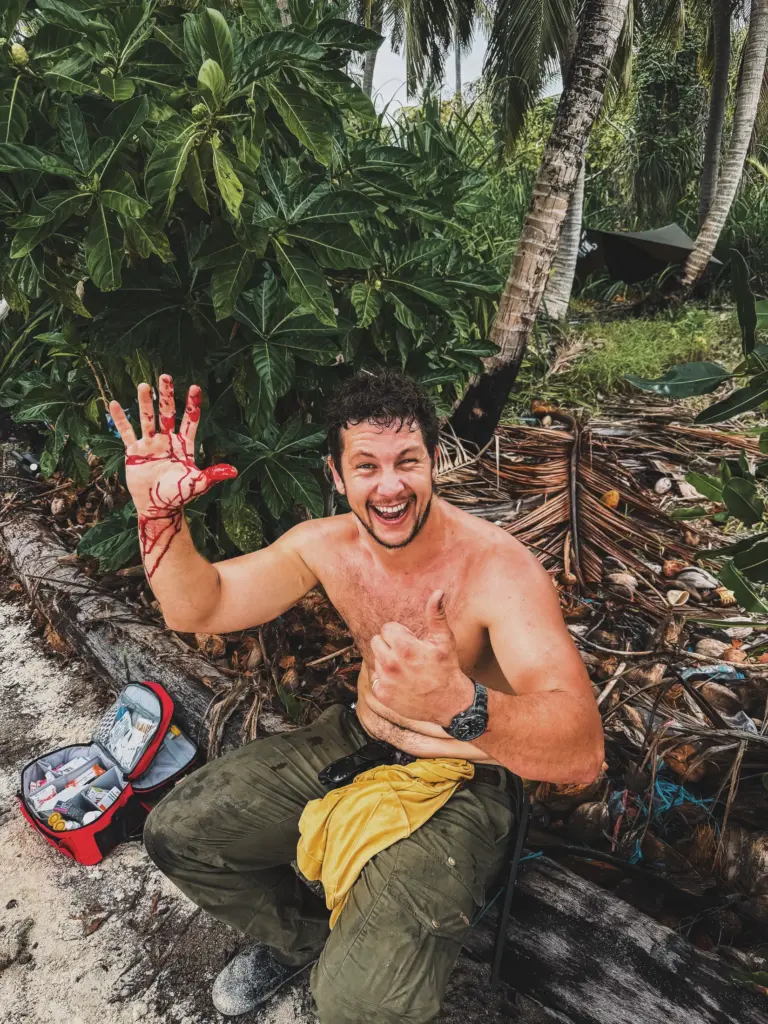
The most common genuine injuries in this world come from our own hands. Sharp knives are essential. A dull knife is often more dangerous because it requires force. The problem is rarely the existence of the tool. It is the moment concentration drops and good form disappears.
- The risk: cuts, slips, and momentary lapses during fish prep, firewood work, or carving
- The response: day-one tool protocols, blood-circle habits, repetition, and supervision before solo use
3. Water, Reef, and Footwear
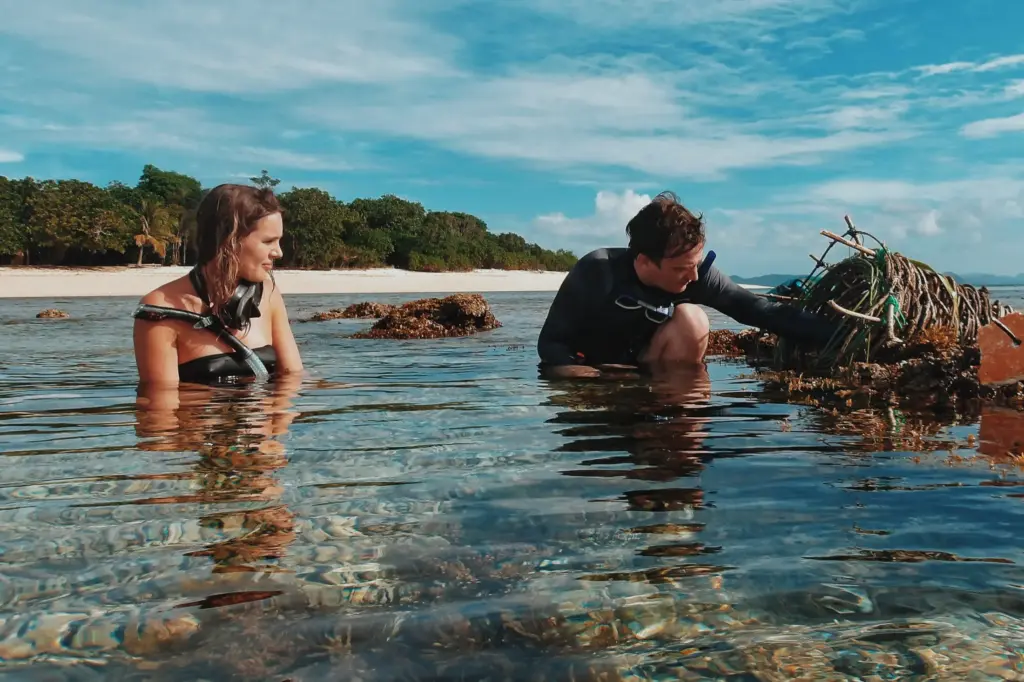
The ocean is generous and unforgiving at the same time. Bare feet look poetic on a brochure, but coral cuts, volcanic rock, stingray strikes, and sea-urchin wounds are the sort of avoidable problems that can derail a trip faster than any predator ever will.
- Reef cuts: easy to dismiss, easy to infect in hot climates
- Stingrays and jellyfish: manageable when guests understand the water properly
- Footwear discipline: simple rules prevent a surprising number of avoidable setbacks
Destination Realities
No serious operator should use one generic safety script for every destination. Different environments create different problems, and the planning has to match the place.
Panama: The Jungle Crucible
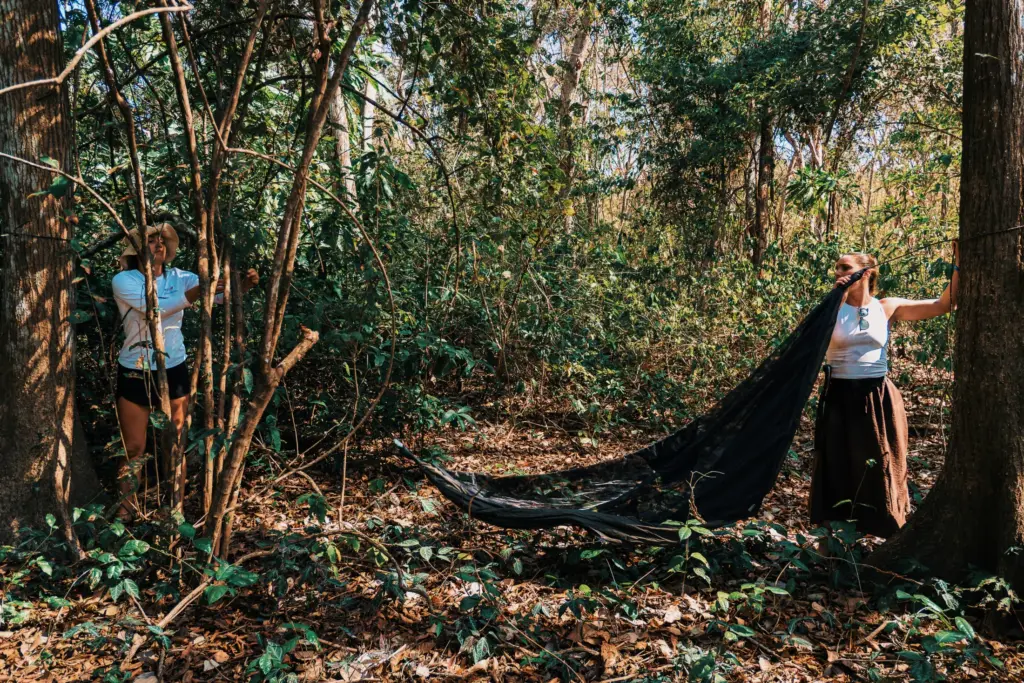
Our Panama survival adventure is dense, humid, and beautiful in a way that tempts people into lazy decisions. The challenge is not just wildlife. It is how quickly the canopy, the heat, and the mixed shoreline increase the cost of small mistakes.
The Philippines: The Coastal Maze
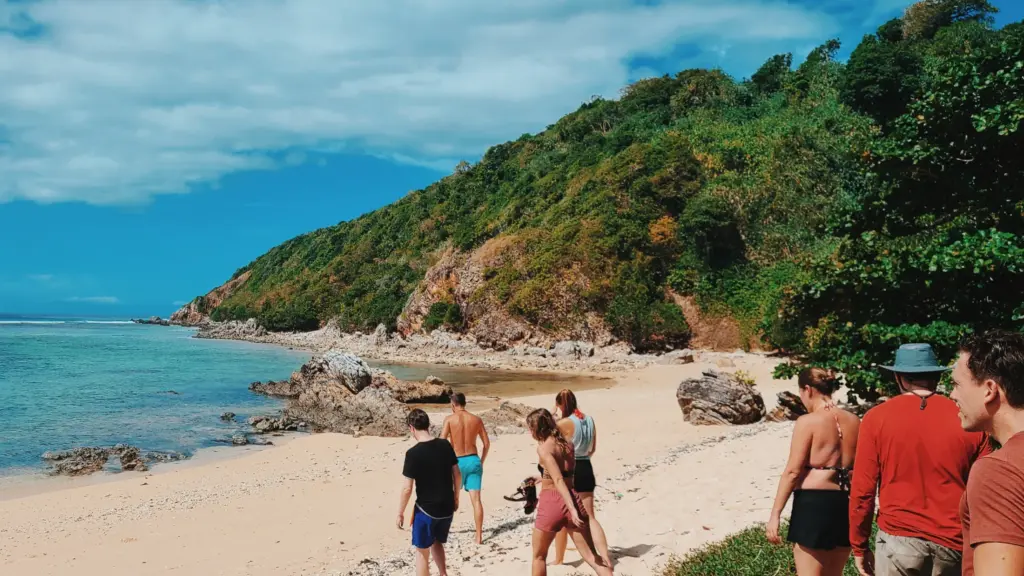
The Philippines survival adventure is all about reefs, foraging, and reading a productive coastline correctly. The hazards are often ecological rather than theatrical: toxic plants, careless skin exposure, and underestimating how quickly irritation can become a bigger issue in the tropics.
The Maldives: Total Exposure
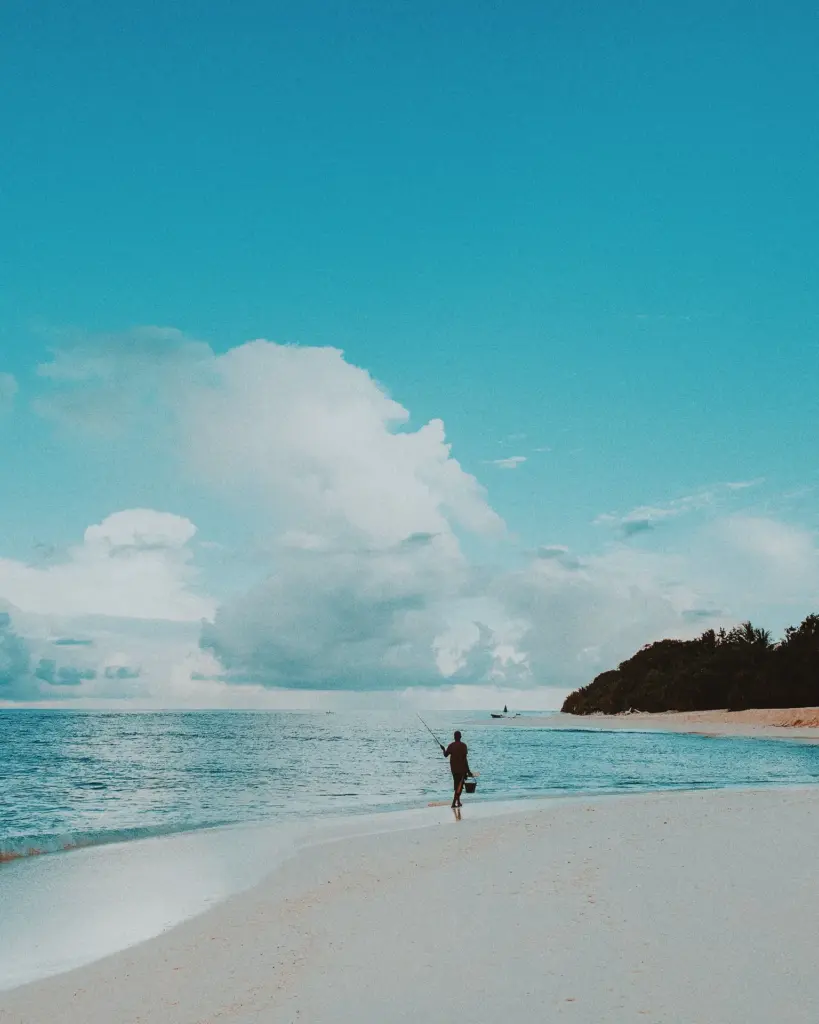
The Maldives strips away jungle complexity and replaces it with exposure. Small atolls mean fewer places to hide, more dependence on timing, and a closer relationship with tides, weather, and resource planning. It is not softer. It is simply different.
Our Safety Record
Across hundreds of castaways, Desert Island Survival has never had a major or life-threatening incident. Evacuations have happened, because that is what responsible operators plan for, but they have been for the sorts of issues real field teams expect: knife nicks, fish-hook trouble, infections, stubborn stomach bugs, rashes, and fatigue patterns that needed a better setting than the island could provide.
That record does not mean the islands are tame. It means the systems work.
- Island assessments: water, terrain, shoreline, weather exposure, and evacuation routes are checked in advance
- Tracking and communications: satellite beacons, radios, and medical reachback stay active even when guests cannot see them
- Threshold-based intervention: staff step in when a genuine safety line is crossed, not when discomfort simply becomes educational
The Safe Choice Is Not Always the Safest Life
The irony is that many people avoid experiences like this because they seem risky, while staying in a frictionless, screen-mediated life carries its own quieter cost. Desert Island Survival is not about cosplaying danger. It is about rediscovering competence in an environment real enough to mean something.
Real adventure asks for trust, but it should also earn it. That is what Invisible Safety is for.
Find Your Expedition
If you want the experience of being tested without the chaos of doing it alone, start with the destination that fits you best, or use the quiz to narrow it down.
Frequently Asked Questions
Yes, but it is managed danger rather than reckless danger. The environment is real, the challenge is real, and the support systems behind the experience are real too. Desert Island Survival uses layered planning, medical readiness, and remote monitoring so the trip remains demanding without becoming irresponsible.
The most common issues are not shark attacks or major trauma. They are usually minor cuts, coral or reef wounds, dehydration, sun exposure, fatigue, and the small consequences of poor camp craft. These are exactly the things good systems are designed to catch early.
Each destination has a specific evacuation and medical response plan. If an issue goes beyond what can be handled on the island, guests are moved quickly to the nearest appropriate clinic or treatment point using pre-planned logistics rather than improvised rescue.
No. Most guests arrive as capable modern adults, not hardened survivalists. The trips are designed to teach skill progressively so guests can move from uncertainty to competence under expert guidance.