The Maldives Survival Expedition

By Tom Williams, winner of Channel 4’s Alone

Two islands. Eleven days. From castaway survival to a 5★ finish.

Price:

£3,990

Duration:

11 days

Date:

2026 & 2027

Max People:

12

Min Age:

18+

Only £490 deposit

the Adventure

11 days. 8 of them living wild across two islands: 5 days of hands-on training, then 3 days of true survival.

Our adventures follow a simple arc: Learn → Survive → Celebrate.

Learn · Days 1–6

After a day to land at Kaadedhdhoo and switch off, you spend five days on your training island with world-class survival instructors. Fire by friction, fishing off the beach, finding food in places you would not have thought to look. By day five the phone has been gone long enough that you have stopped reaching for it.

Survive · Days 7–9

Then comes the transfer. A different island, minimal kit, instructors nearby but out of sight. Three raw days with your fellow castaways, putting everything to the test. This is the only Desert Island Survival expedition where the survival phase happens on a dedicated island, separate from where you trained.

Celebrate · Days 10–11

You are found. A speedboat, a hot shower, a bed with a mattress. Five stars hits differently when you have earned it. That evening the group gathers for dinner, and the conversation is the kind you only get after shared adversity.
Key Facts

Location

Southern Maldives. Via Malé, then a 45-minute flight to Kaadedhdhoo (KDM).

Length

11 days / 10 nights. Two islands, then a 5★ finale.

Group Size

8–12 people. A tribe of fellow adventurers.

Difficulty

Tough but achievable. If you can swim and walk, you’re ready. No experience needed.

What You’ll Actually Do

Survive three raw days on an untouched second island.

Swim alongside reef sharks in crystal-clear waters.

Sleep in hammocks under endless Maldivian stars.

Cook fresh fish over fires you made yourself.

Celebrate in a 5★ luxury resort after your survival challenge.

…and you’ll do all of it with world-class instructors, several of them Alone veterans. Meet the team →

The Day-by-Day

  • Day 1: Arrival. We meet you at Kaadedhdhoo Airport and transfer to your guesthouse. Safety briefing, a meal, and the first night of genuinely switching off.
  • Day 2: Out to the island. Speedboats to the training island. Camp goes up together: shelters, hammocks, fire before dark. Dinner round the campfire.
  • Day 3: Fire. Fire by friction, bow drill from scratch. That afternoon you catch and cook your supper off the beach.
  • Day 4: Finding food. What’s safe to eat, where the shellfish are, how to open a coconut properly. The island starts giving things up.
  • Day 5: The day the noise stops. The phone has been gone long enough that you’ve stopped reaching for it. Tonight the group cooks and eats together. Nobody is in a hurry.
  • Day 6: Preparing for the real thing. Gathering resources, then a conversation about the psychology of survival. Tomorrow, the instructors step back.
  • Day 7: Survival phase begins. The fire is out, the instructors out of sight. You are transferred to the survival island with minimal kit. Everything you have learned is now the only thing you have.
  • Days 8-9: Survival phase. Three days, a second island, the only safety net is each other (with the team watching from the shadows).
  • Day 10: Rescue. You are found. A hot shower, a bed. Five stars hits differently when you have earned it. That evening, dinner together, the kind of conversation you only get after shared adversity.
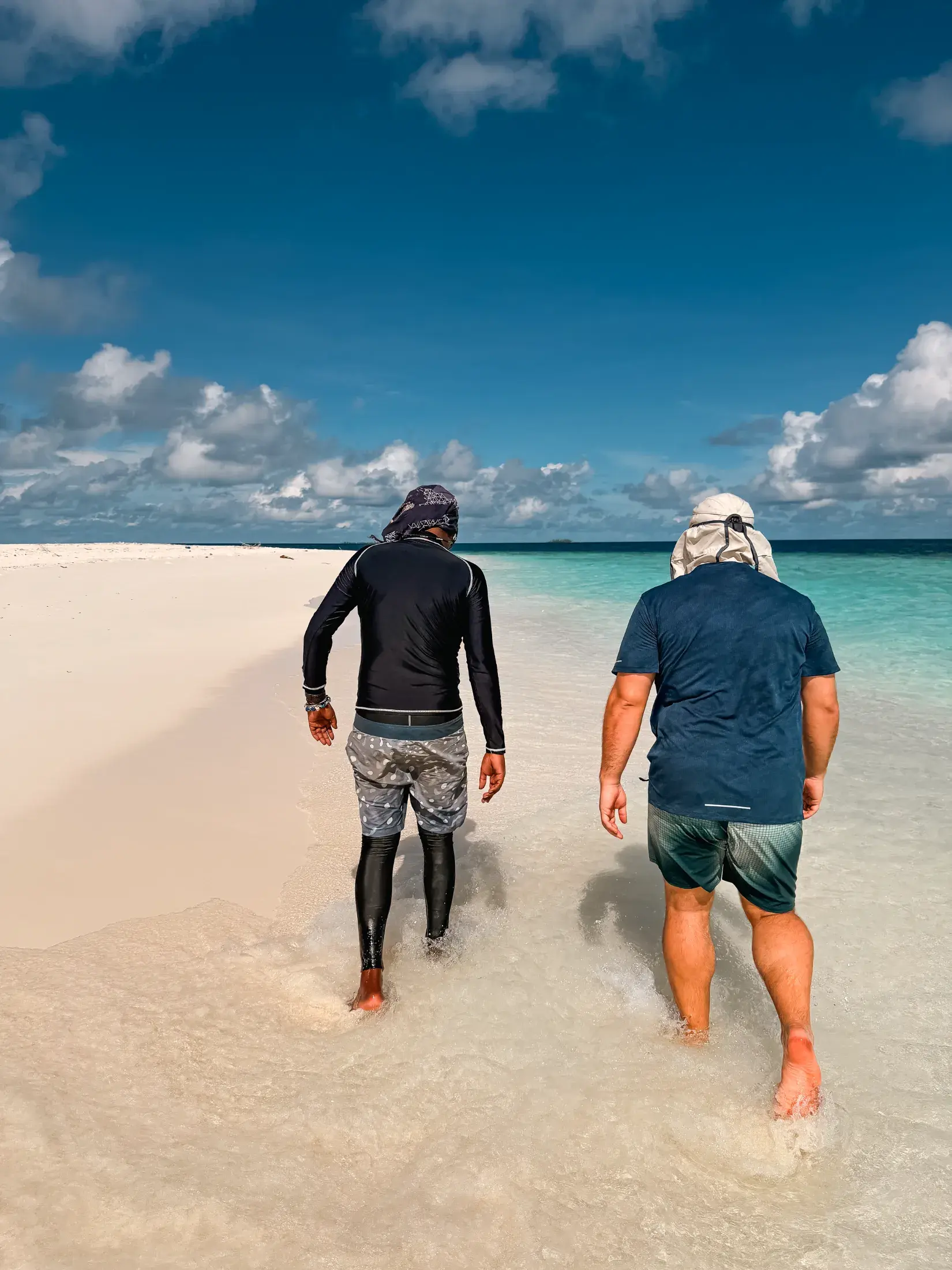
  • Day 11: Home. Speedboats, flights. People tend to leave quieter than they arrived.

This is the shape of the expedition, not a fixed timetable. The exact training days flex with the weather and conditions, that’s part of the adventure.

Is This For You? Is It Safe?

NO EXPERIENCE NEEDED

The first five days are survival-light, building your skills and confidence before the real test. It is a genuine challenge, and that is exactly the point: most people call it a reset like nothing else.

YOUR SAFETY COMES FIRST

Sites are handpicked to avoid real hazards, every instructor is wilderness-first-aid certified, we run on a system of informed consent, and you stay in contact with the team throughout.

CHANGED YOUR MIND?

A 7-day cool-off with a full refund, flexible rescheduling up to 90 days before departure, and our safety promise.

What’s Included

  • 2 uninhabited private islands
  • Swim with reef sharks
  • 5 days of survival training by a world-class bushcraft guide
  • General kit (hammocks, camping gear, machetes, etc.)
  • 3-day survival challenge
  • 1 night in a simple guesthouse (twin, shared)
  • 1 night in a beach hotel (twin, shared)
  • All food and drinks

What’s Not Included

  • International & domestic flights
  • Visas, if required
  • Personal travel insurance
  • Personal kit. You can check out the general kit list here, however, we will be sending you a more detailed version after booking.
  • Personal expenses

More Trip Details

What else is there to say, it’s the Maldives. This is as stunning as it gets, a picture postcard-perfect paradise with an underwater world to match.

If you’re like us you have probably always been intrigued by the Maldives as a destination, but unless you have one thousand dollars a night to drop on a hotel and it’s your honeymoon, you’ve likely never visited this 1,192 island collection. We are here to change that and make it infinitely more fun, too. Join us on an adventure with like-minded people to survive on a perfect island together. 

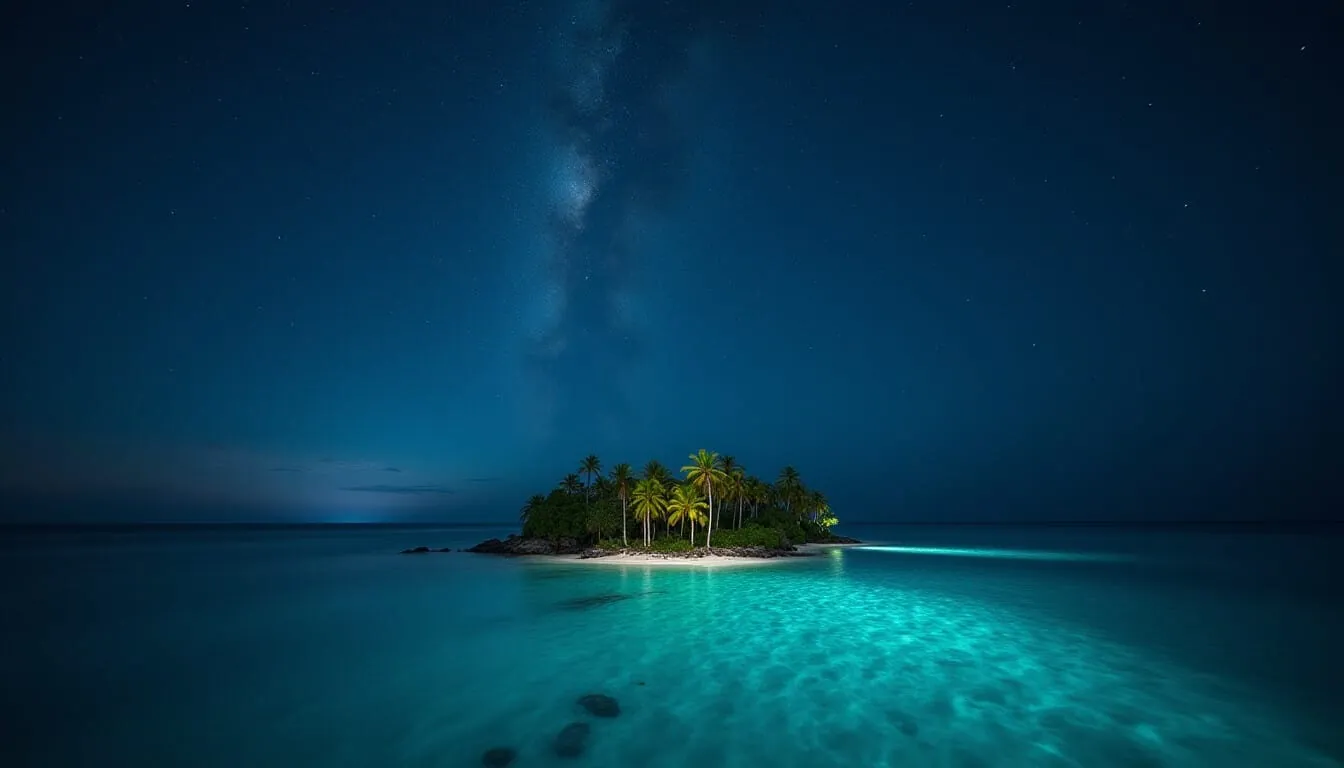
Small, round, verdant gems in white sand and deep turquoise. We found two of them, making this the only destination where you head to a brand-new island for the final 3-day survival phase.

When you type paradise into Google, this is what comes up: a perfect small round desert island in a clear, sheltered tropical sea. The Maldives are famed for marine life, with healthy reefs holding eagle rays, turtles, sharks and schools of snappers, surgeonfish and grunts. The scrub-jungle interior is an important nesting site for white terns.

Once you have completed your training and explored every inch of the island we will drop you off on your new island, for your survival phase to see what your new island has to offer.

SHELTER

  • Hammock and tarp setup and care
  • Shelter building
  • Palm thatching
  • Machete and knife safety, sharpening and skills

Fire

  • Fire theory
  • Friction fire skills (bow drill and hand drill)

Water

  • Transpiration bags
  • Solar still
  • Evaporation techniques
  • Boiling water in bottles over fire

FOOD

  • Fishing with hand line
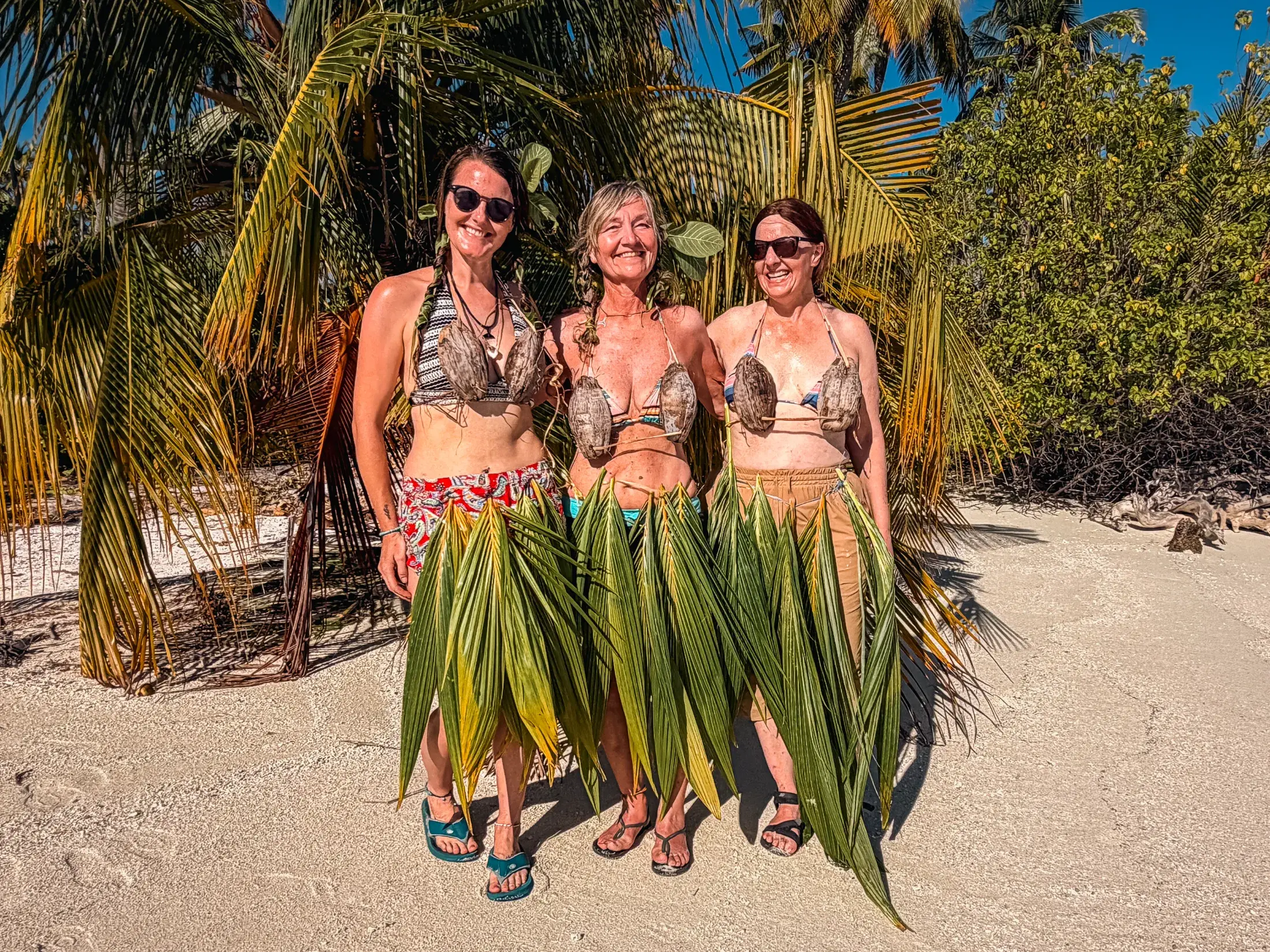
  • Coconut opening & cream extraction
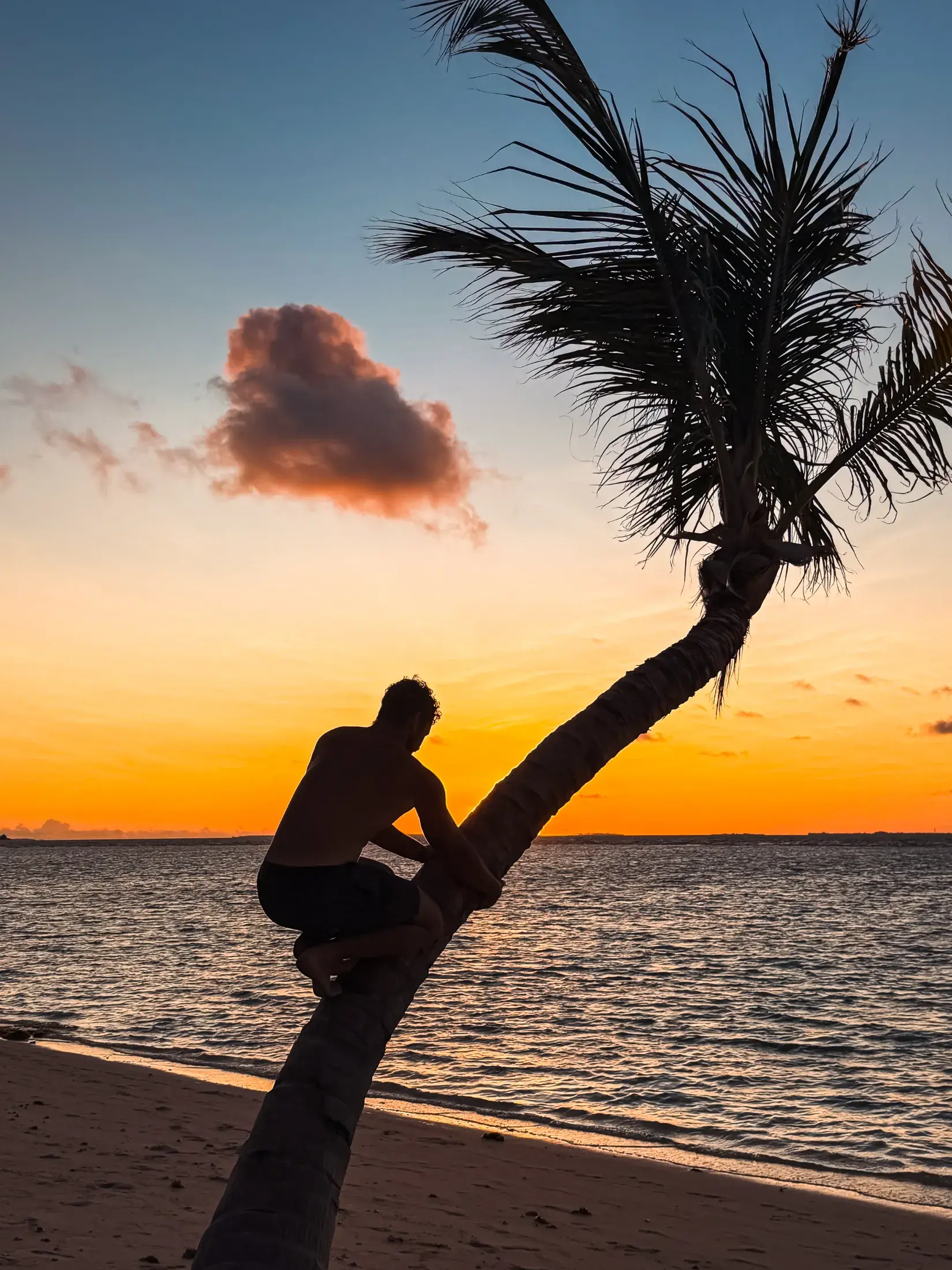
  • Tree climbing
  • Hawaiian sling (hand spear)
  • Primitive cooking and fish preparation
  • Trap building
  • Wild edible identification

OTHER

  • Psychology discussion and case studies
  • Astro-navigation

If you are travelling from Europe, you are in luck; this is our closest destination, with direct flights from many European capitals. The Maldives is served by direct flights to much of the Middle East and Asia. Check out the flight connection to see the connected airport. From the capital Male you will need to take a 45-minute flight to Kaadedhdhoo, one of the 400 underdeveloped islands that makes up the atoll.

Google flights is our favourite flight search engines, however, we always recommend booking directly with the airline once you have found your flights as you will have a preferential cancellation policy and better upgrade potential.

Read all our 5-Star Reviews

All upcoming departures

FAQs

From November to May, the Maldives enjoys its dry season, offering warm, sunny days and clear skies. Average highs range from 29°C to 31°C, with comfortable nights around 25°C to 27°C . Rainfall is minimal, with 8-10 hours of sunshine daily. The moderate humidity and gentle breezes make this the most comfortable and best time to visit, especially from December to March, when the Maldives is at its most inviting.

It starts and ends at Kaadedhdhoo (KDM) in the Southern Maldives, a 45-minute domestic flight from Malé. Arrive by the afternoon of Day 1; book your return flight for the final day.

Our island expeditions are typically 11 days / 10 nights long. The first and last night are spent at a boutique hotel, and the 8 nights sandwiched between on the desert island. The first 5 nights on the island are your bushcraft course. This is survival light, where you learn all the skills to equip you for the final 3-day survival phase. For these 5 nights, you are sleeping in a hammock, eating very well, playing all sorts of games, and passing around a bottle of rum around the fire. The final 3 days after this are your survival phase, the true test of your mettle before you are rescued and head to what now feels like a 10-star hotel.

Absolutely. We’re equipped to accommodate your dietary preferences by adjusting our meal plans for the initial 5 days of training. Even during the last 3 days of the survival phase, you’ll find an array of plant-based food options at your disposal. If you’re concerned about not consuming fish, we can provide alternatives to ensure your nutritional needs are met. It’s worth noting that some vegetarians opt to pause their dietary restrictions during this hands-on survival experience, but the decision is entirely yours. We respect your dietary choices, so please inform us of any specific requirements when you book your adventure.

When it comes to selecting deserted islands for our adventures, safety is our top priority. We meticulously choose islands that are free from hazardous wildlife and protected against strong ocean currents that could pose a danger. Before embarking on your experience, we provide a comprehensive safety orientation to prepare you for minor incidents, such as encountering a crab or dealing with sunburn. Our team of instructors is certified in wilderness first aid, ensuring you’re in capable hands throughout your adventure. While we can’t eliminate all risks, our informed consent process keeps you well-informed about potential dangers. For more details on the compelling challenges you might encounter during our expeditions, please visit this page.

You’ll learn the following bushcraft skills:

  • Making Coconut bowls
  • Traps and hunting
  • Jungle sanitation and hygiene
  • Jungle navigation
  • Rescue: Techniques for gaining attention
  • How to make cordage from natural fibres
  • Coconuts: opening and various uses
  • Primitive spearfishing
  • Palm weaving
  • Shelter: building techniques
  • Water: physiology, collection and disinfection. Solar stills, transpiration.
  • Fire making: Bow drill, hand drill, bamboo fire saw as well as fire steel.
  • Identification of flora and fauna for food, fire and other utilities.
  • Fishing techniques: Making and using traps, spears.
  • Fish identification, preparing and cooking fish
  • Traditional cooking methods: Bamboo pot, leaf wraps, clay bakes and smoking racks.

Not ready to commit to 11 days? Start with the free 72hr Challenge, the smallest version of the idea.