
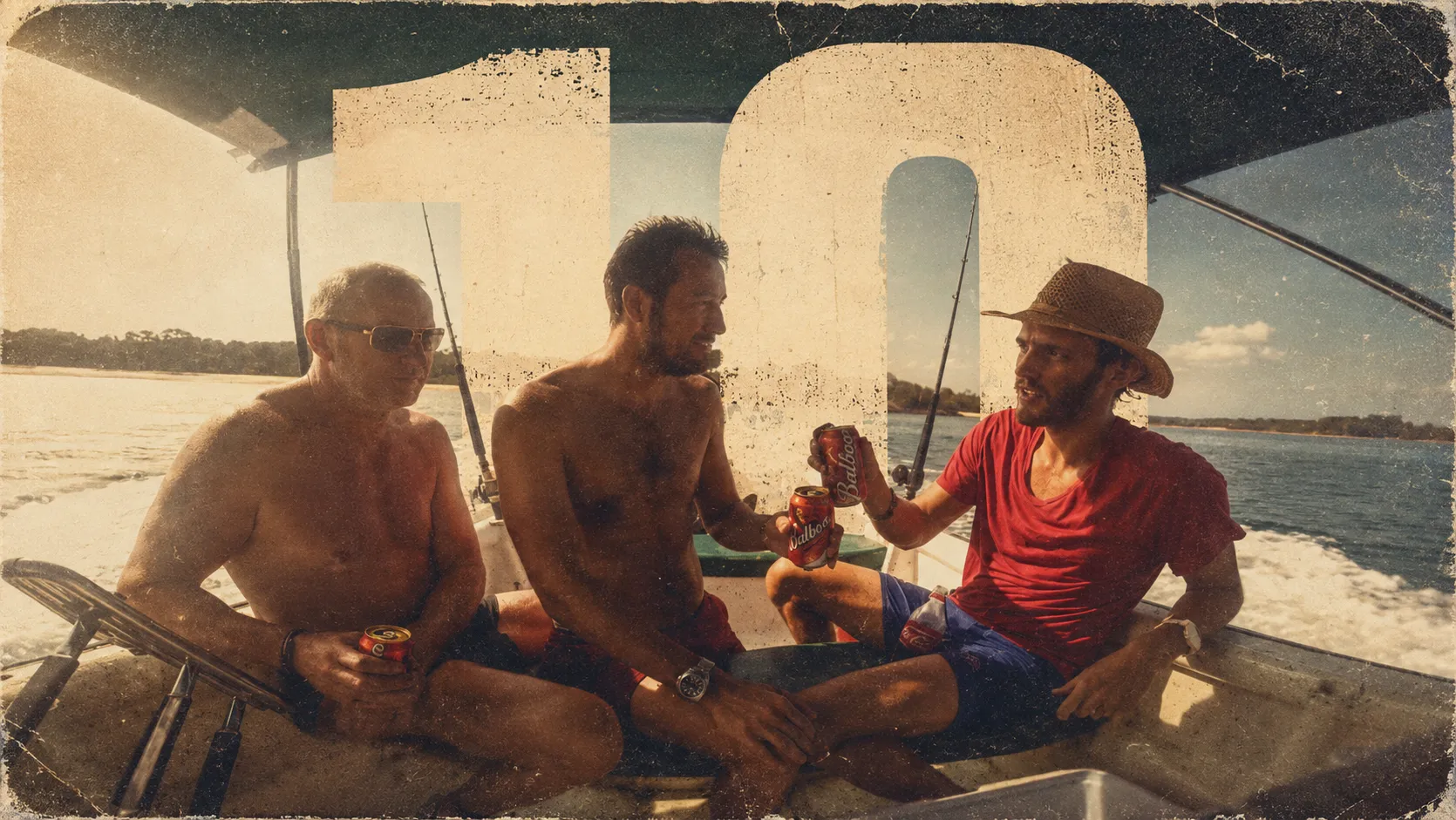
A Decade in the Wild: What 10 Years of Maroonings Taught Us
Quick answer. Desert Island Survival started in 2016 with a bad trip and a stubborn idea. I paid to be marooned, hated the tourist-fringed island and the militant instructor, and thought I could do it properly. So I bought a domain, put a note on Facebook, and ran the first expedition in Panama with a set of hammocks and more hope than sense.
Three expeditions in, still bootstrapping the whole thing, I was solo-running a trip for eight Danish entrepreneurs when I put a freshly sharpened machete through my own hand. Severed the flexor tendon clean. Got it stitched up in the rain, and the next morning, halfway through demonstrating a bow drill fire, I felt it pop and open up again, the blood dripping off my elbow. My one clear thought, and I stand by it, was: don’t put the fire out. Must stoically continue.
That was the early days of Desert Island Survival. Nearly ten years on, I’m mildly amazed we all still have our fingers.
Ten years is long enough to see what actually holds up.
How Did Desert Island Survival Start?
It started with me miserable at a desk in a cubicle, dreaming of escape. I’d always fantasised about being marooned on a desert island, so I found a company that offered a version of it and went. The trip fell very short. The island wasn’t so nice, a little beach with too much tourism, and the instructor was too militant, unwilling to work with the land rather than against it. And somehow it still inspired me. I remember thinking, why don’t I have a pop at this.
So I bought the domain, built the website, and put a note out on Facebook, because it was 2016 and that’s what you did. I asked if anyone fancied an inaugural desert island survival trip. I found the island itself by pausing the credits at the end of Bear Grylls’ Island, getting the name of the fixer, and blagging us access to a spot in Panama. Our biggest single outlay was buying hammocks.
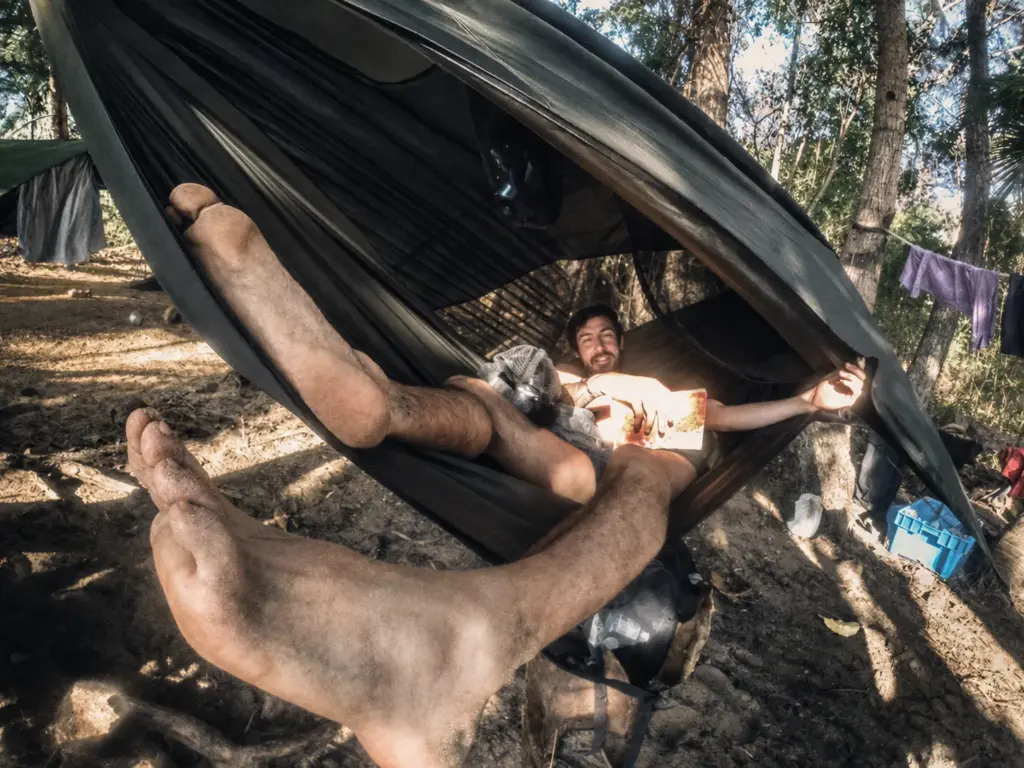
It was a janky expedition and our safety was, let’s be honest, well below par. I cringe to think of it now. The guests were blown away. Every one of them said the same thing: wow, you’ve got something really special here.
Look at our video from that 1st expedition!
How Have Our Expeditions Changed Since 2016?
Almost everything at the edges has changed, and almost nothing at the centre. The islands are better, the safety is proper now rather than improvised, and the instructors are genuinely better at this than I am. What hasn’t changed is the thing that happens to people a few days in, when the noise finally drops away.
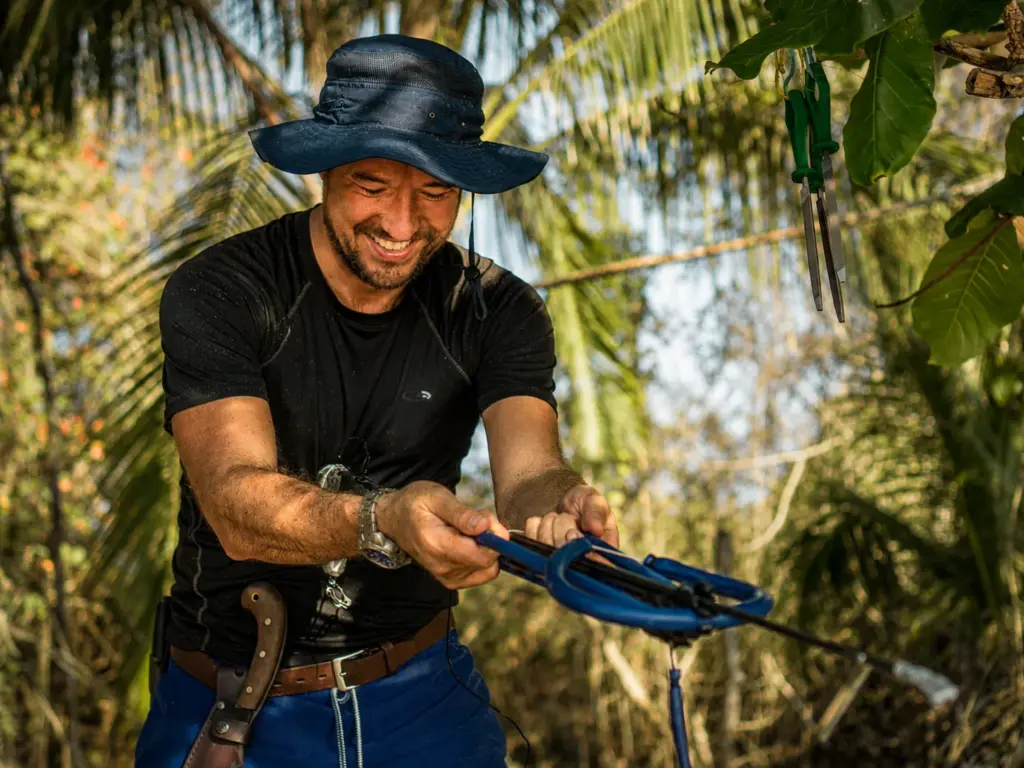
The biggest change, though, was me. At the start I was very controlling over the experience, nervous about any other instructor running a trip in case they got it wrong. But I knew that grip made it impossible to scale, that I was the ceiling. So I had to relinquish control. Now I’ve got incredible instructors, way better than me, each adding their own flavour to the expedition, and the trips are far richer for it. Letting go turned out to be the most useful thing I ever did.
What Do a Decade of Castaways Have in Common?
After nearly ten years, the answer is remarkably consistent. Almost everyone leaves saying a version of the same thing: I’m far tougher than I thought. People arrive assuming they’re the soft product of modern life, and then the inner hunter-gatherer turns up, because it was always just there below the surface.
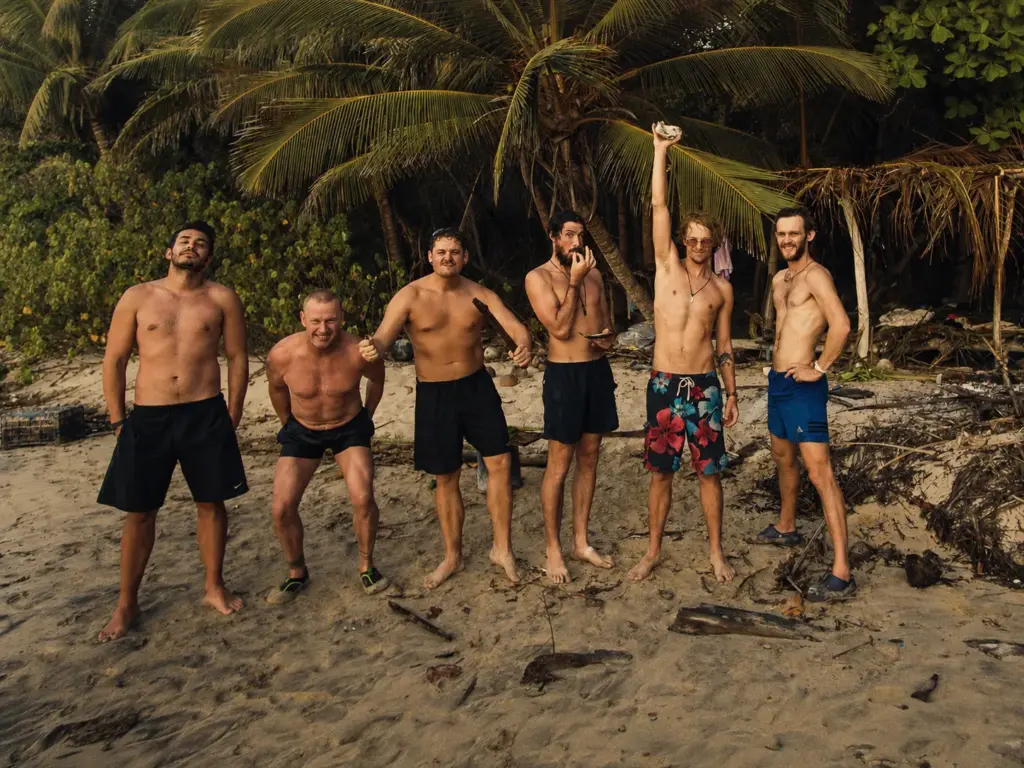
They tend to arrive as strangers and leave a tight tribe. Fear and hunger do most of the teaching, and they do it faster than any classroom could. I’ve watched quiet people find they’re calm in a crisis, and I’ve watched the island care not one bit about anyone’s job title.
What Has Stayed the Same in 10 Years?
The reset. Take someone off the hamster wheel, hand them a fire and nowhere to be, and the same thing happens now as it did in 2016. Better islands and tighter safety haven’t changed that. They’ve mostly just stopped me adding my own tendon to the guest list.
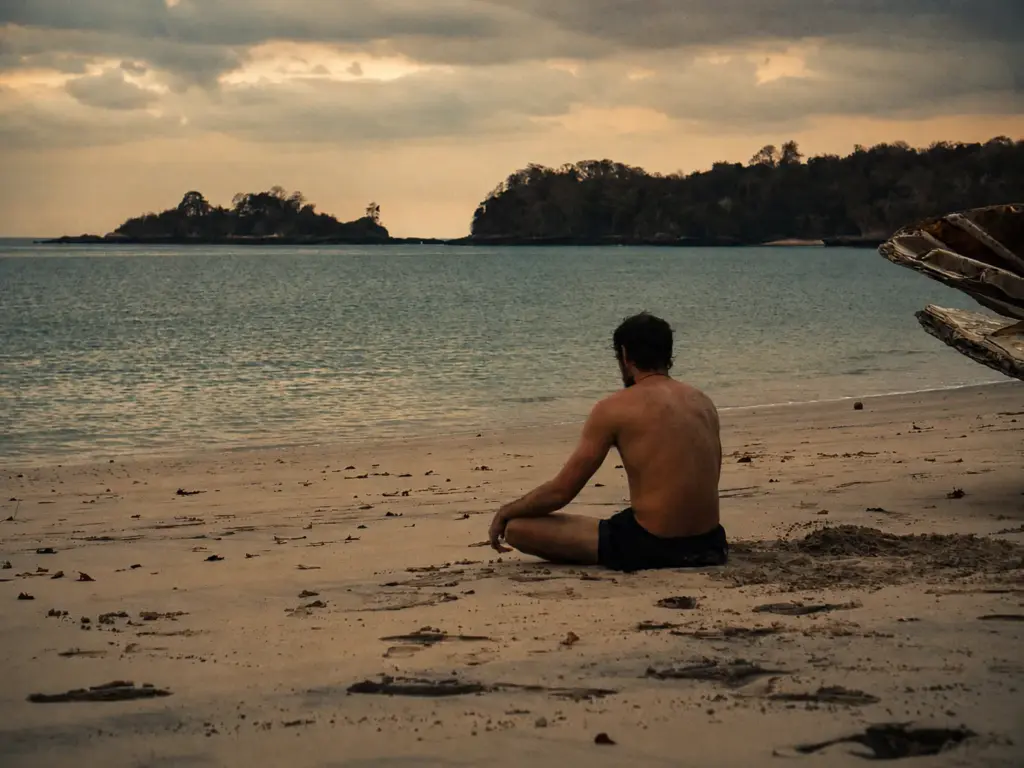
That quiet moment, three or four days in, is the one thing I’d never risk diluting. You can upgrade everything around it, and we have. You just can’t manufacture it, and you can’t rush it.
What Is Next for Desert Island Survival?
Honestly, I’m not going to pretend the next ten years are all mapped out. More wild places, a bit more room for people to find their way out here, and putting our weight behind the reefs and wilderness that gave us all of this. We’ll shout about the specifics when they’re real, and not a moment before.
Frequently Asked Questions
It began in 2016, after our founder Tom Williams paid for a disappointing survival trip and decided he could do it properly. He bought a domain, posted on Facebook, and ran the first expedition on a Panama island, with a set of hammocks as the main investment.
A team of specialist instructors, each better at this than Tom is by his own admission, all bringing their own flavour to the trips. Handing over control was what let the expeditions grow without losing what made them good.
Almost everyone leaves realising they’re tougher than they assumed. People turn up expecting to struggle and find a more capable version of themselves was there the whole time, just under the surface.
Ten years on, the hammocks have been retired and nobody’s tendon is part of the itinerary, but the reason I started is exactly the same. If you’ve been watching from the sidelines, and plenty of people do for years, come and see where we run these days over on our adventures. For a taste of what pulls people to this in the first place, the story of the Tongan castaways is a good place to start. What would the tougher version of you do with ten days off-grid?
Tom Williams
Founder, Desert Island Survival