

The World Feels Dangerous Right Now. Here Is What That Actually Means for a DIS Expedition.
Quick Answer: Adventure travel can still be a very sensible choice, but the answer depends on the destination, the route, and the operator’s planning. Desert Island Survival expeditions are designed around remote locations, evacuation access, and route flexibility. The real risks are usually weather, fatigue, dehydration, and minor tool injuries, not the headline risks people tend to imagine first.
When people ask whether adventure travel is safe right now, they are usually asking two different questions at once. One is about the wider world: conflict, airline disruption, political instability, all the things that make the news feel louder than usual. The other is about the trip itself: whether this specific destination, on this specific route, with this specific operator, is still a sensible thing to do.
Those are not the same question, and they deserve different answers.
What “Safe Right Now” Actually Means
Safety in travel is rarely absolute. It is about context, preparation, and proportion. A destination can be perfectly viable whilst a particular stopover route is inconvenient. A country can carry a cautious advisory whilst the exact region you are visiting is calm and well travelled. And a remote expedition can sound extreme whilst actually being run with more deliberate risk planning than an ordinary beach holiday.
That is why the useful question is not “is the world safe?” It is “what are the real risks on this trip, and how are they being managed?”
Where Desert Island Survival Actually Operates
DIS expeditions run in places like Panama, the Philippines, Tonga, and the Maldives. These are remote expedition environments rather than urban flashpoints. The point of the trip is precisely that you are removed from the noise: no crowds, no city tension, no news cycle humming in the background.
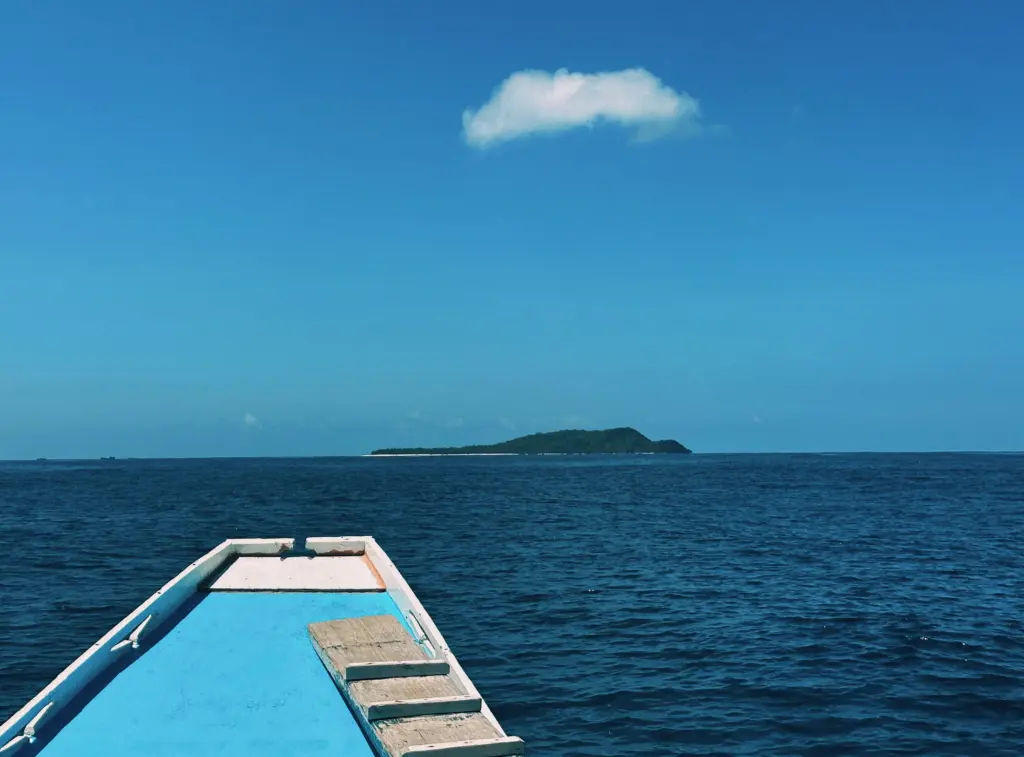
That does not mean you ignore the outside world. It means you distinguish between the destination itself and whatever people are reading about elsewhere. Remote island expeditions are not insulated from global logistics, but they are often far removed from the places driving the headlines.
In many ways, our islands feel like safe backwaters. You are cut off from the noise, not immersed in it.
Tom Williams
How We Choose a Destination
Choosing an island has never been a romantic whim. It is a practical checklist. First, it has to sit in the Goldilocks zone: remote enough to feel genuinely wild, but close enough to infrastructure that transport, hospital access, and evacuation remain realistic if something goes wrong.
Then we look at the actual risks. Wildlife. Water access. Currents. Weather windows. Medical extraction. Human factors. The rule inside DIS has long been simple: no pit vipers, no pirates. It sounds funny until you remember both can be real destination filters depending on geography.
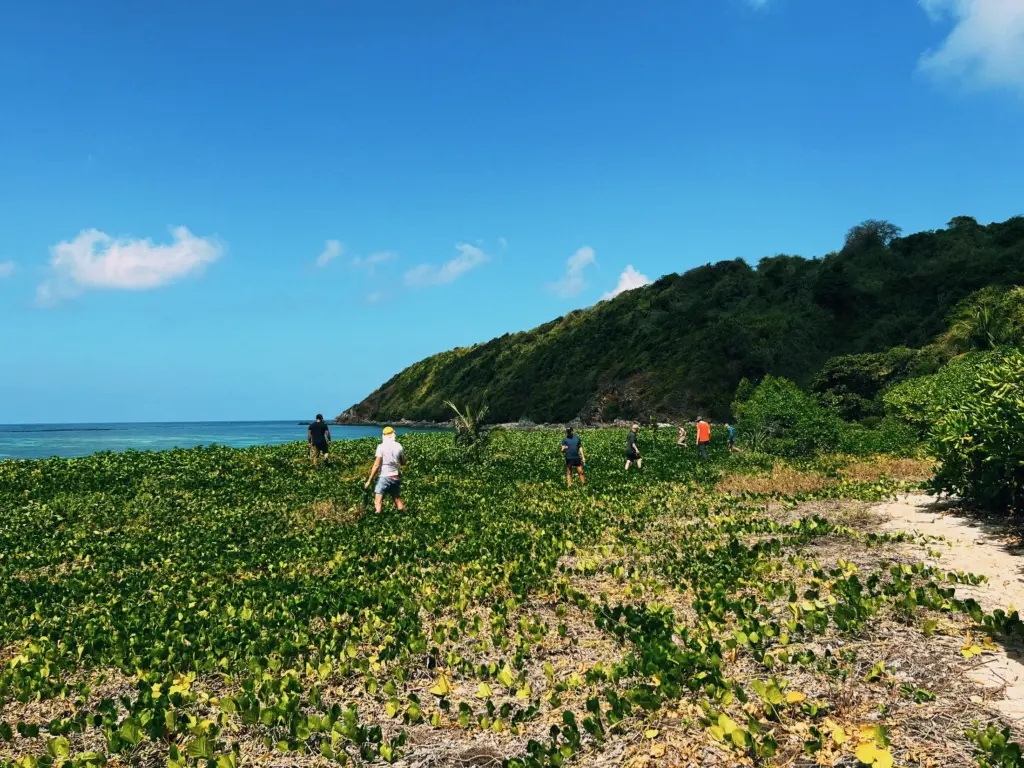
After all of that, the island still has to be beautiful, ecologically suitable, and logistically affordable enough to run responsibly. The shortlist gets very small very quickly. That is the point.
What Current Advisories Actually Say
As of April 22, 2026, U.S. State Department advisories vary by destination rather than painting one single picture. Panama is listed at Level 2, the Philippines at Level 2, Tonga at Level 1, and the Maldives at Level 2. That mix matters, because it shows why sweeping “travel is unsafe right now” statements are usually too blunt to be useful.
- Panama: Exercise increased caution, with the main concerns focused on crime and possible civil unrest in specific areas, not the Pearl Islands expedition setting.
- Philippines: Exercise increased caution overall, but the higher-risk warnings focus on specific areas such as parts of Mindanao and the Sulu region rather than Palawan.
- Tonga: Exercise normal precautions.
- Maldives: Exercise increased caution, with added attention to terrorism risk and the longer emergency response times that can come with remote islands.
The practical takeaway is simple: destination safety and routing safety should be checked separately. A trip can remain sensible whilst a particular connection through a specific hub becomes less attractive for a while.
What About Stopovers and Connecting Airports?
This is often the part people are really asking about. The destination may feel fine, but the route there may not. That is a legitimate concern. The sensible approach is not panic and it is not denial either. It is route planning.
Panama often has clean options through the US or Europe. The Philippines often has viable connections through East Asia. If a route depends on a hub that is experiencing disruption, check alternatives before you book. Good adventure travel planning includes flexibility long before you reach the island.
That is also why it makes sense to talk to the operator early. Questions about stopovers, timing, and what is actually being monitored are not signs of nerves. They are signs that you are planning properly.
What the Real Risks Actually Are
The dramatic risks people imagine first are rarely the ones that matter most. Guests tend to worry about sharks, snakes, scorpions, or some cinematic survival scenario. Those are vivid fears, which is exactly why they dominate the imagination.

The real expedition risks are much more ordinary: heat exhaustion, dehydration, fatigue, knife slips, minor infections, rough weather, and the need to adapt quickly when conditions change. These are manageable precisely because they are expected, trained for, and planned around.
All DIS instructors are Wilderness First Responder certified, and every island location is selected with evacuation in mind. The experience may feel extreme in the imagination, but operationally it is closer to carefully managed remote camping than to reckless adventure tourism.
Though our expeditions may sound extreme, we are effectively doing some very basic camping in a remote part of the world. The key is having a solid evacuation strategy should things go wrong.
Tom Williams
What This Means If You’re Considering a Trip
If you are carrying real uncertainty about travel right now, take that seriously. Not because the trip is automatically a bad idea, but because unresolved worry about logistics can become its own burden. The clearer the route, the destination, and the contingency planning feel before you leave, the more space you have to actually enjoy what the expedition is for.

If you have specific questions about routing, stopovers, or what DIS is monitoring ahead of a departure, reach out directly. A proper answer beats sitting with vague anxiety.
Frequently Asked Questions
Adventure travel can still be a sensible choice, but the answer depends on the destination, the route, and the operator’s planning. For Desert Island Survival, the main operational risks are weather, fatigue, dehydration, and minor tool injuries rather than the headline risks people often imagine first.
Panama is currently listed by the U.S. State Department at Level 2, meaning travellers should exercise increased caution. That does not automatically make a Pearl Islands expedition unsafe, but it does mean travellers should check current route logistics, local conditions, and operator planning rather than relying on a generic yes-or-no answer.
The Philippines is currently listed at Level 2 overall, but the higher-risk warnings focus on specific regions rather than Palawan, where DIS operates. The useful question is not just the country-level advisory but the exact region, route, and contingency planning for your trip.
Heat exhaustion, dehydration, fatigue, changing weather, and minor knife injuries are the most realistic risks. Those are exactly the risks a serious operator plans for through instruction, first-aid capability, and evacuation access.