
Why Building a Raft With Your Mates Beats Another Weekend at the Pub
Quick Answer: The Sweden Raft Expedition is an 8-day wilderness adventure where you and your friends learn bushcraft skills, build a 3x6m timber raft from raw logs, and handle 50km of the Klarälven river. At £1,950, it’s our most accessible expedition. Solo travellers are welcome too.
Your group chat’s been the same for months. “We should do something.” “Yeah, definitely.” “Maybe next year.” The conversation loops. Nobody commits.
The weekend arrives and you’re back at the same pub, having the same conversations, feeling the same restlessness.
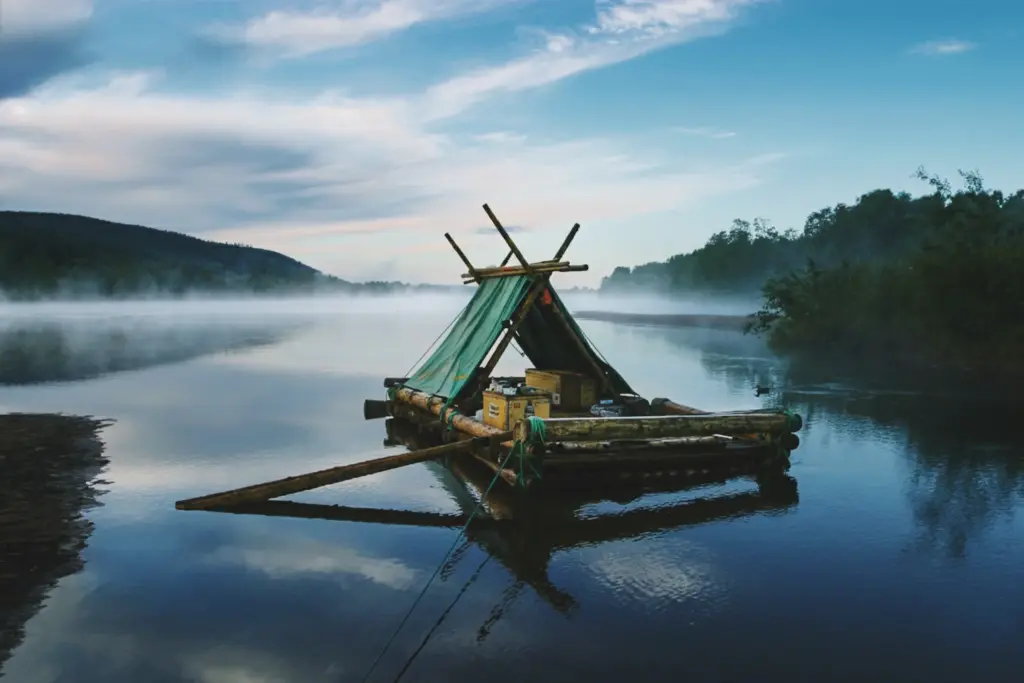
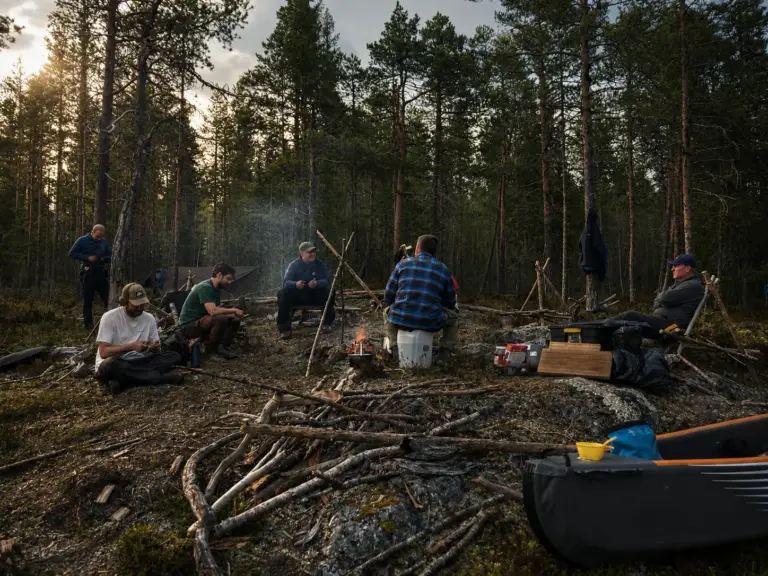
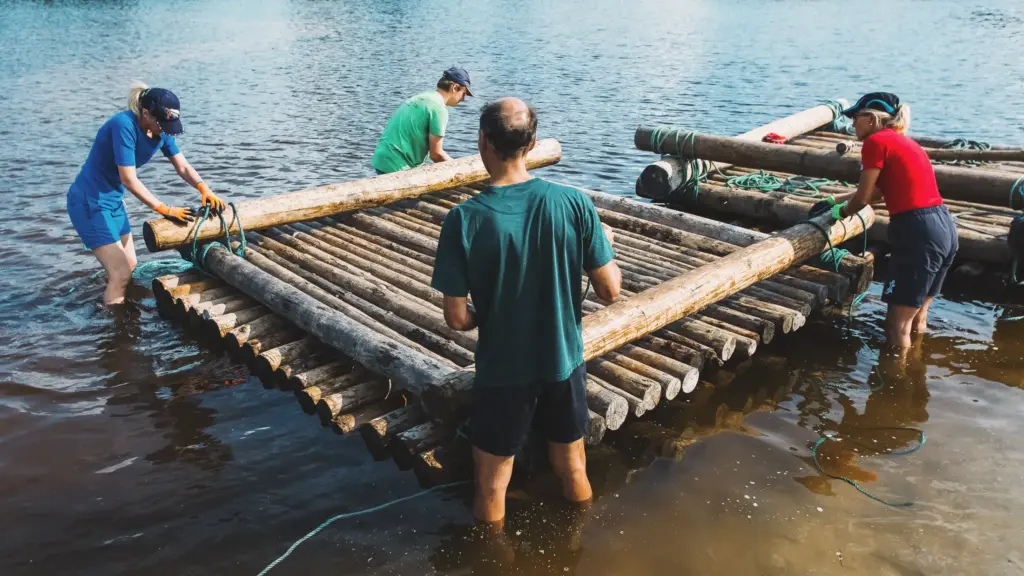
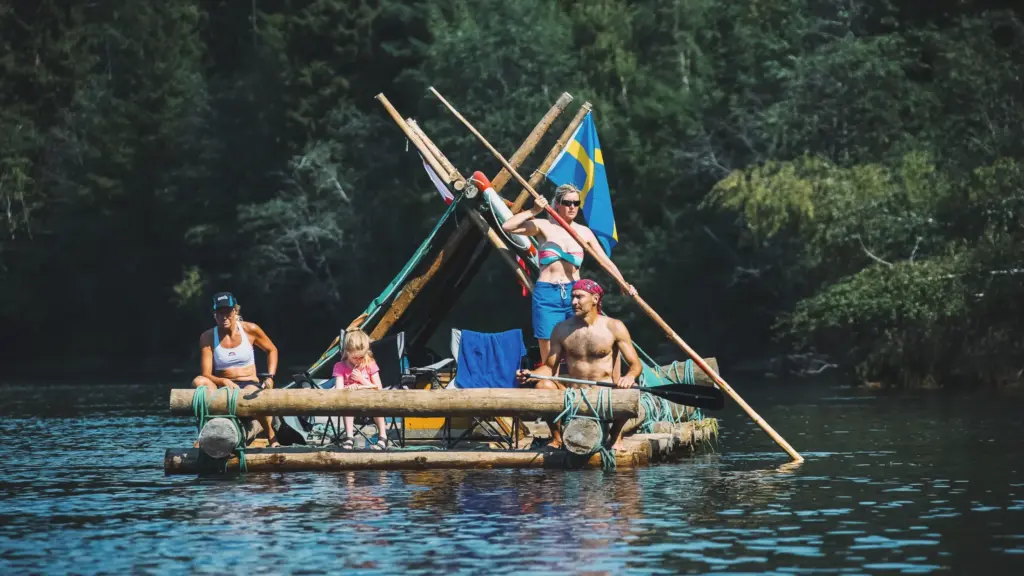
This is why we built the Sweden Raft Expedition. Eight days in Scandinavian wilderness. You and your mates arrive, spend two days learning bushcraft and river survival, then build a 3x6m timber raft from raw logs and handle 50km of the Klarälven river.
No prefab kits. No instructions. Massive timber, traditional lashings, and your crew working together.
What Happens When You Stop Talking About Adventure
The Sweden raft trip exists for one specific kind of frustration: the feeling that life is quietly repeating itself whilst everyone keeps saying they want something bigger. Most people do not need more nightlife. They need a moment that interrupts the script.
Building a raft does that immediately. You arrive in the wild with a group of people, learn the fundamentals, then start turning raw timber into something that can actually carry you downriver. It is practical, physical, collaborative, and just far enough outside normal life to wake people up again.
Why Group Expeditions Hit Different
Solo trips do one thing to you. Group expeditions do something else entirely.
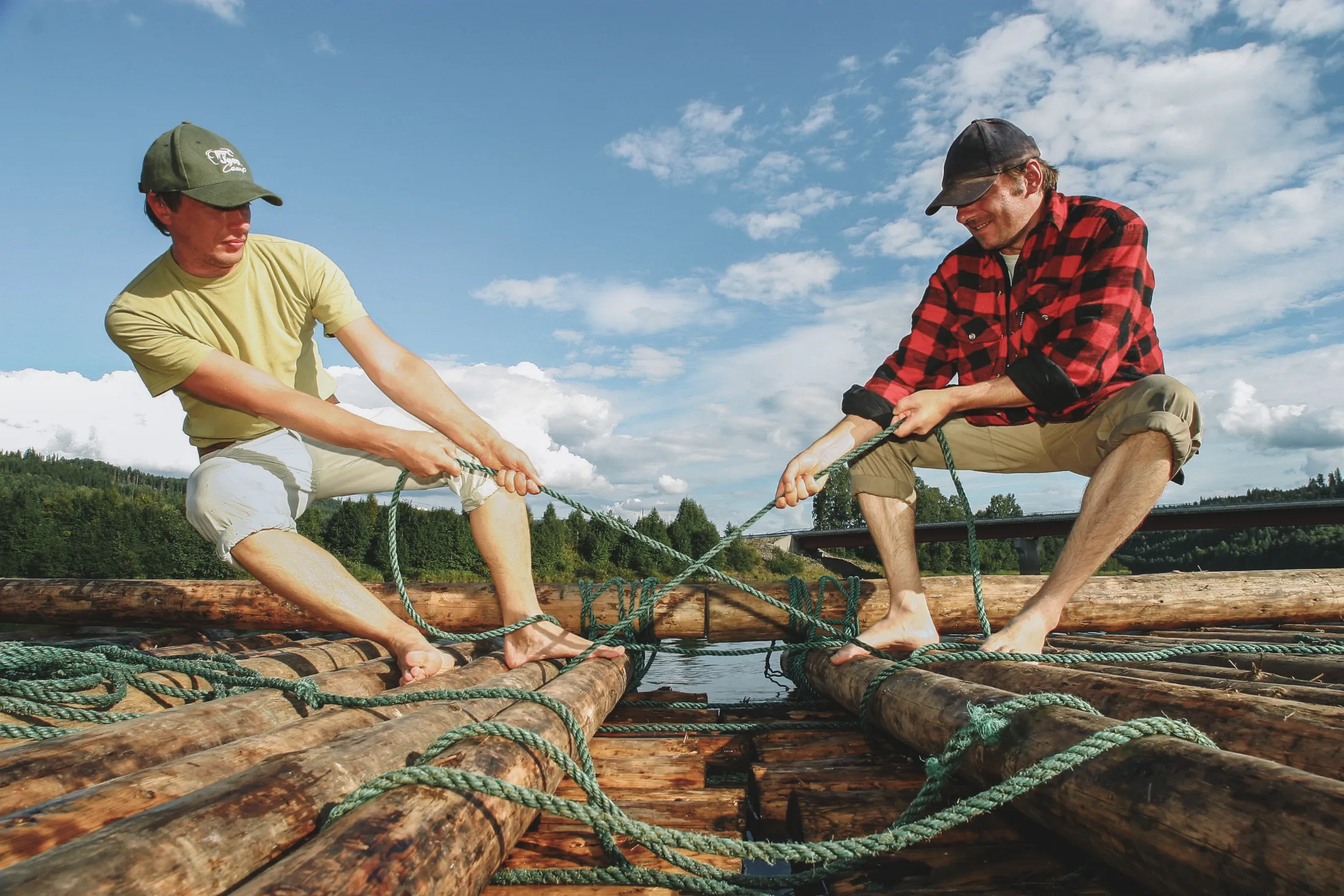
When you’re lashing logs together at midnight under the midnight sun, hands blistered, muscles aching, and your mate is struggling with the same knot you just worked out, something shifts. You teach them. They help you lift the next timber. Someone makes a terrible joke. Someone else nearly drops a log on their foot.
By the time the raft is built, people start adding to it. A tarp sail. A flagpole. Rope railings. They name the thing. They defend design decisions with a conviction they’ve never brought to their actual jobs.
Then someone catches a fish and the whole crew loses it. Someone produces a nip of aquavit. You all dive into the river at 11pm because the sun is still up and it seemed right.
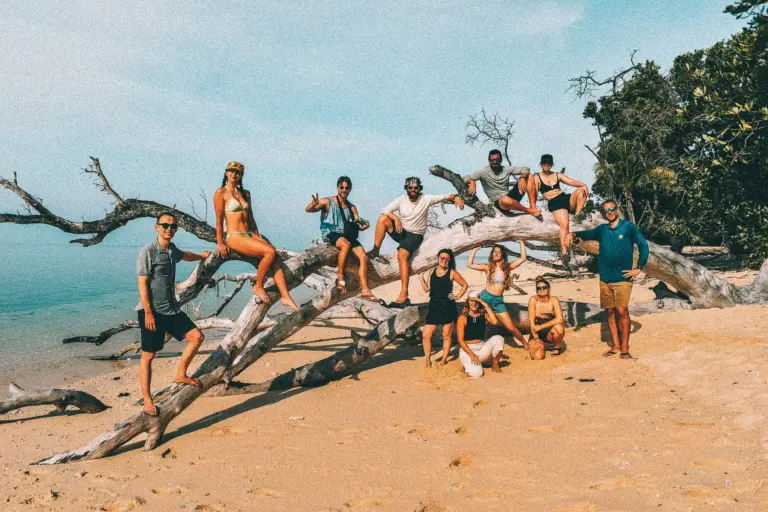
You need your crew. And they need you. You’re building something together, and the shared struggle creates bonds in ways comfort never does.
How the Three-Phase Structure Works
Every Desert Island Survival expedition follows the same structure. It is designed to build skills, test them under pressure, then integrate what you have learned.
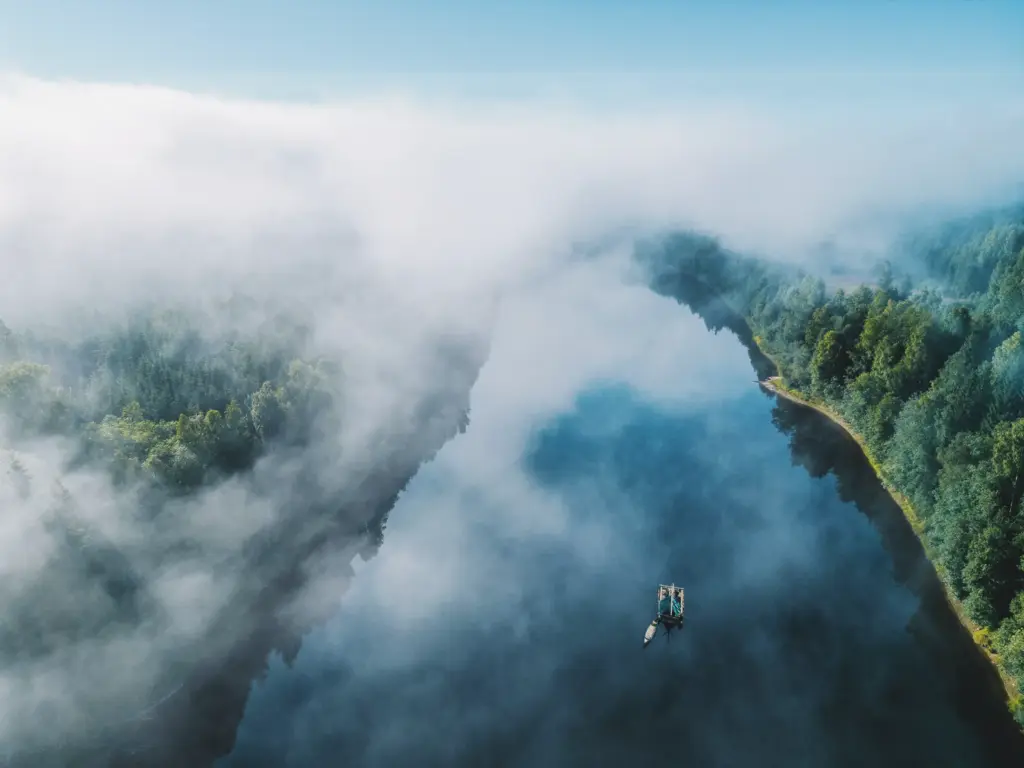
- Learn (Days 1-2): Two days of intensive bushcraft and river survival training. Fire-making, shelter-building, navigation, foraging, and traditional lashing techniques. You’re learning the skills you’ll need when the safety net gets removed.
- Survive (Days 3-7): Five days handling 50km of river. You’re camping on riverbanks, foraging chanterelles and blueberries, fishing for your supper. The raft you built becomes your home. The skills you learned become your toolkit. The group becomes your tribe.
- Celebrate (Day 8): Final night under the midnight sun. You’ve done something genuinely difficult together. The satisfaction is not manufactured. It’s earned. Reindeer on the barbecue, beers on the river bank, and a proper shower.
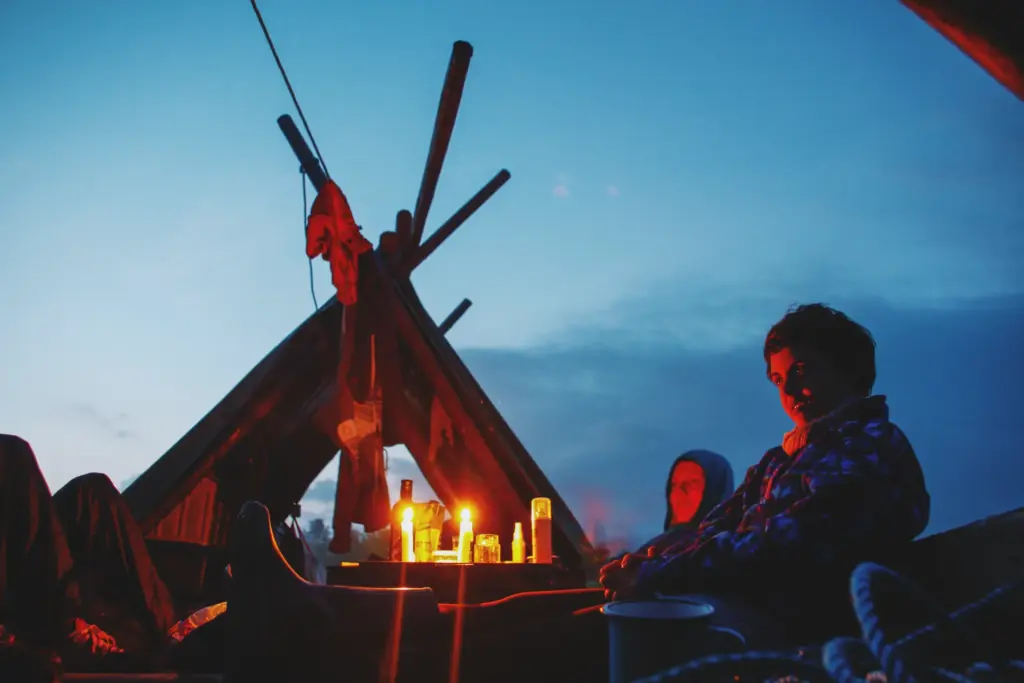
What Solo Travellers Discover
You do not need to arrive with a ready-made group. Solo travellers join every expedition. We match you with others who have made the same decision: to stop waiting for their mates to commit and just go.
The tribe forms faster than you’d expect. Shared difficulty creates bonds in days, not years. By Day 3, you’re not strangers working together. You’re a crew who depends on each other.
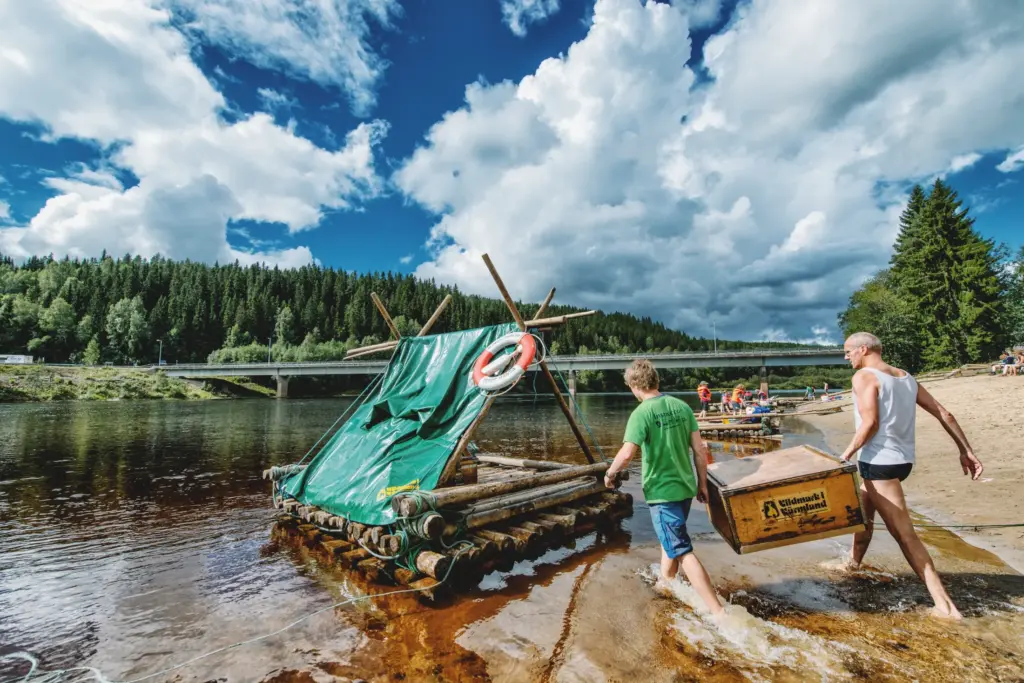
I have watched this pattern repeat across dozens of expeditions. The people who arrive alone often form the strongest connections because they are fully present to the experience.
Why Scandinavian Wilderness Creates Different Challenges
We have run expeditions in Panama, the Philippines, and Tanzania. Each environment reveals different aspects of human capability. Scandinavian wilderness operates on its own logic.
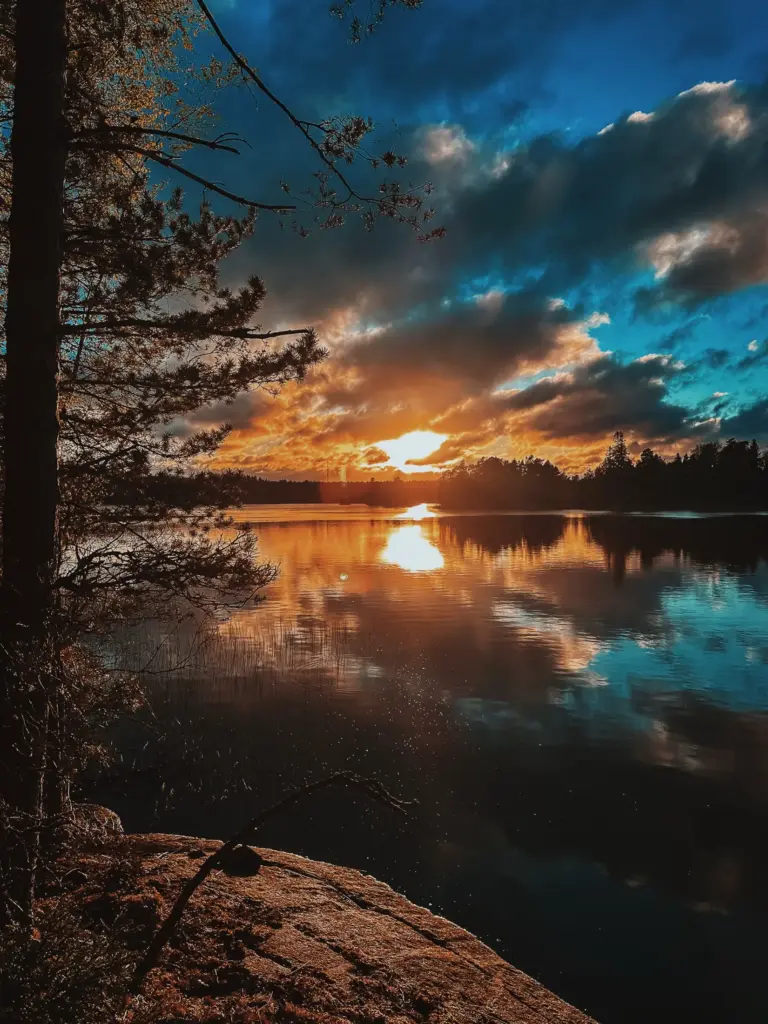
The midnight sun disorients your sense of time. You’re working at 11pm under full daylight, losing track of hours, discovering you push further than you thought.
The river demands constant attention. Navigation becomes a group skill. Someone’s reading the current. Someone’s managing the rudder. Someone’s watching for obstacles. You’re coordinating in real time or you’re not making progress.
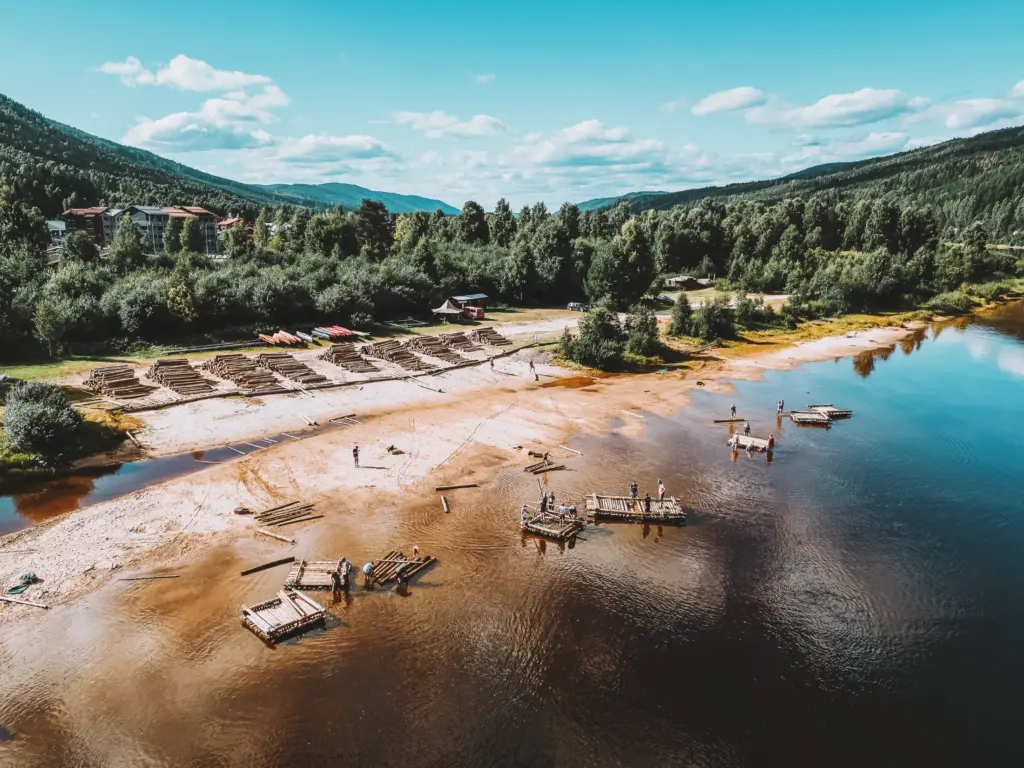
The foraging teaches patience. Chanterelles and blueberries do not appear on demand. You’re learning to read the landscape, to spot what’s edible, to supplement your supplies with what nature provides.
This combination creates transformation through sustained attention rather than extreme discomfort. You’re not fighting the environment. You’re learning to work with it.
Ready to Experience Real Adventure?
The conversation will keep looping until someone commits. Or you book the Sweden Raft Expedition and stop talking, start building.
Frequently Asked Questions
No. Solo travellers are welcome. We match you with others who’ve signed up individually. The tribe forms through shared experience.
Neither has anyone else. That’s the point. We teach you traditional lashing techniques in the first two days, then you apply them under real conditions.
Genuinely demanding. You’re handling heavy timber, paddling for hours, and camping in basic conditions. But the difficulty is what produces the transformation.
Yes. We maintain rigorous safety standards whilst preserving the feeling of genuine challenge. The difficulty is real. The danger is managed.
All instruction, equipment, basic supplies, and safety support. You’re providing the effort. We’re providing the structure and invisible safety net.
Scandinavian weather is unpredictable. You’ll learn to work with whatever conditions arrive. That’s part of the experience.