
Why We Cap Every Expedition at 9 or 12 People
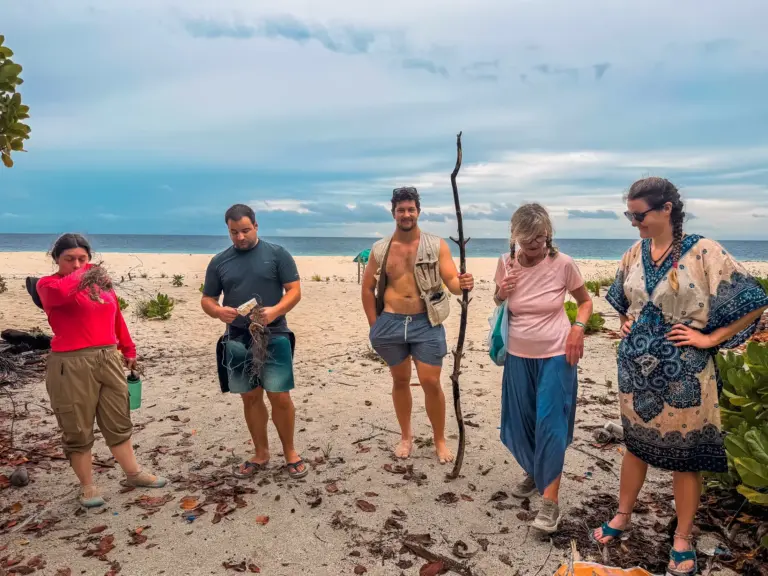
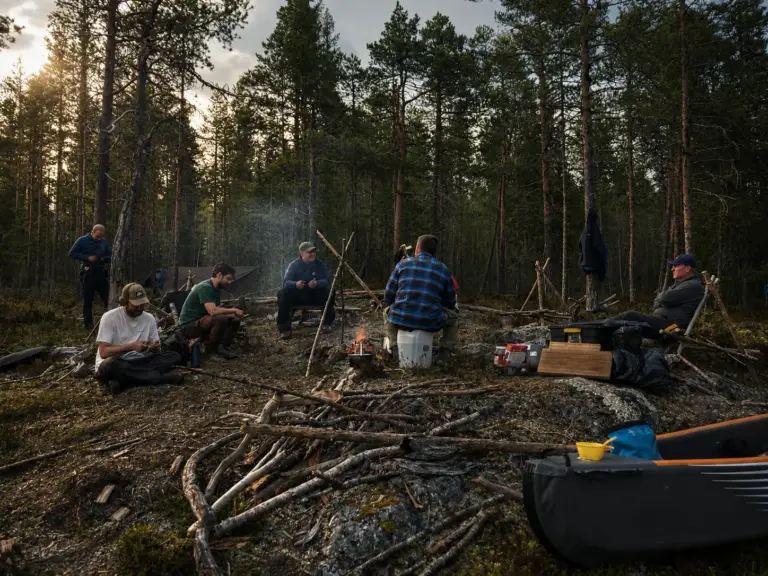
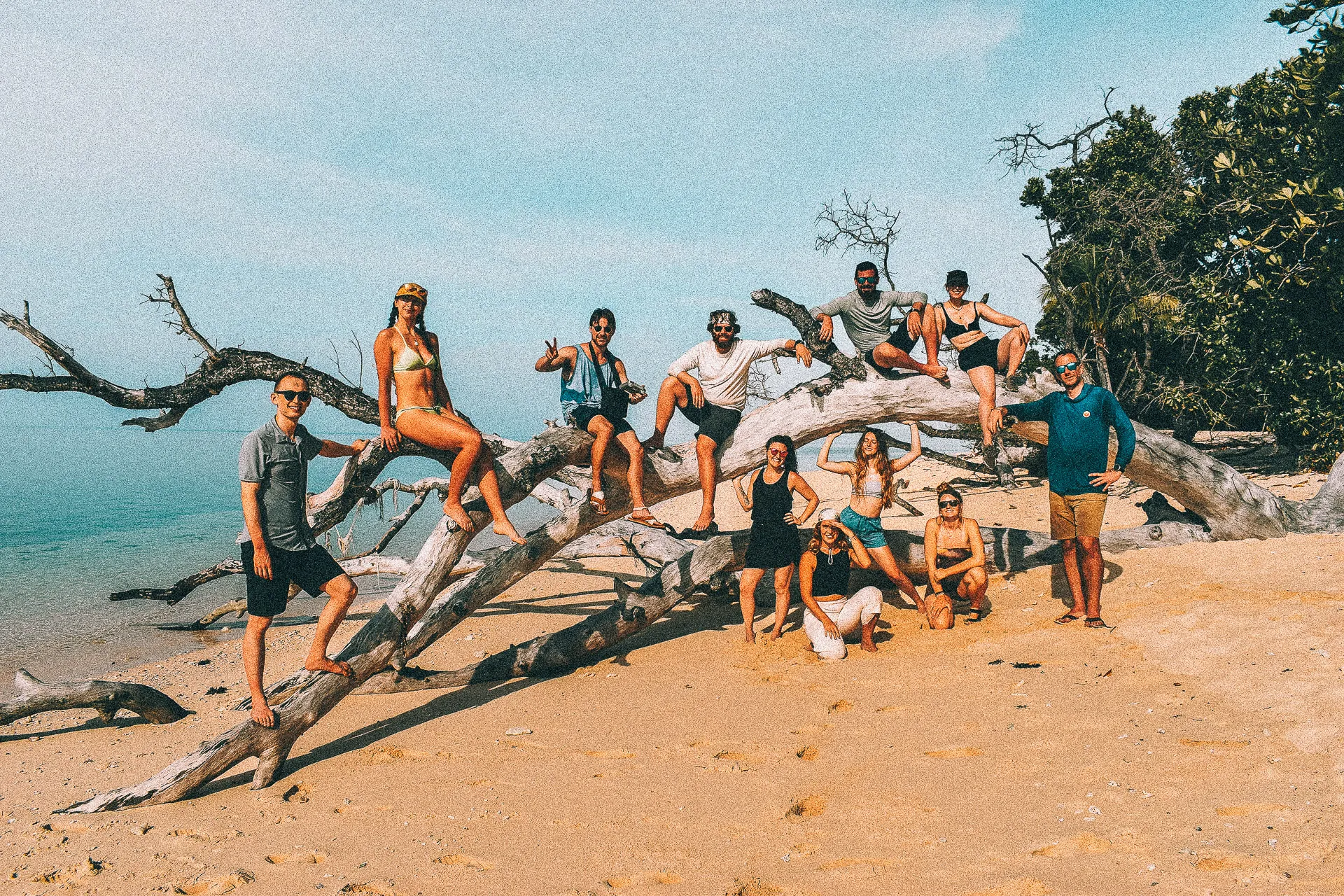
A small group survival expedition works because of a number, and the number is 12. Not 15, not 20. When you put nine or twelve people in a remote wilderness with nothing, something happens between them that simply cannot happen at scale. Strangers become a tribe within 48 hours. The fire belongs to everyone. Conversations that take years to reach in normal life happen on day three because there is nowhere to hide and nothing else to do. That dynamic is what Desert Island Survival protects by capping every expedition at 9 or 12 people.
We Know, Because We Tried Bigger
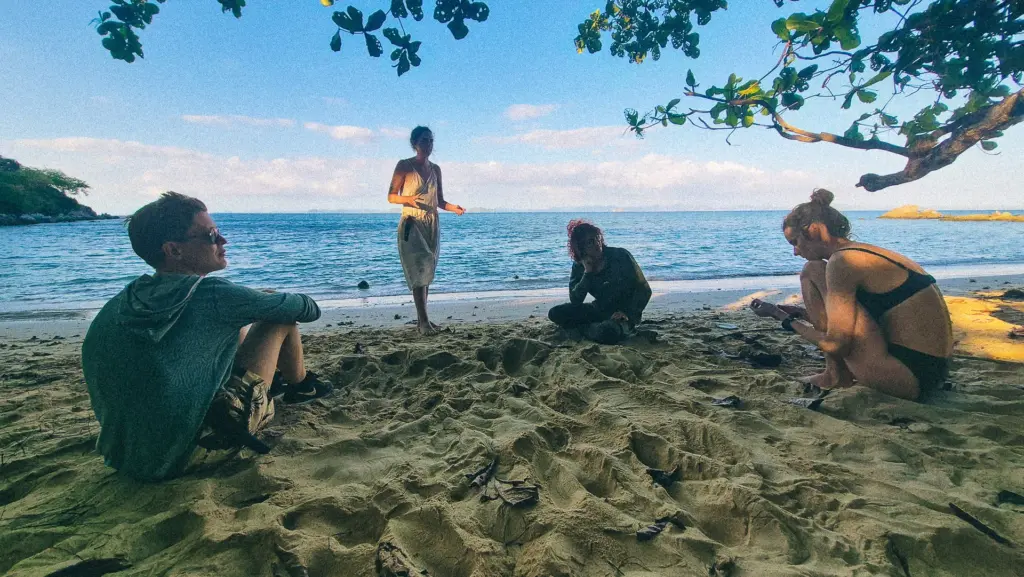
We ran an expedition with 35 people once. It was fantastic. It genuinely was. But it was a different thing entirely. Groups fractured into subgroups. Conversations split. There were multiple fires, multiple tribes, multiple survival stories happening simultaneously but never quite together. Some people barely met others who were 30 feet away for the entire trip. It worked, technically. But it wasn’t this.
Nine to twelve is the number where one thing stays true: everything that happens, happens to the whole group. The fish catch, the shelter that finally holds, the fire that took three hours to light. All of it belongs to everyone in the same way. That shared ownership of the experience is what makes the group cohere into a tribe rather than a crowd.
What Actually Breaks When You Scale a Survival Expedition
The answer isn’t logistics, although that’s part of it. The answer is intimacy.
“You would lose the intimacy. You wouldn’t get the same connection between the individuals. It wouldn’t feel like every single event has happened to the one group. Multiple tribes would break away and do survival together. It would be cool, but the smaller groups are just more special, more intimate.”
Tom Williams
At nine or twelve, there is one galvanised tribe. One fire. One conversation. When something goes right, everyone knows. When something goes wrong, everyone rallies. The group never loses sight of itself as a single unit.
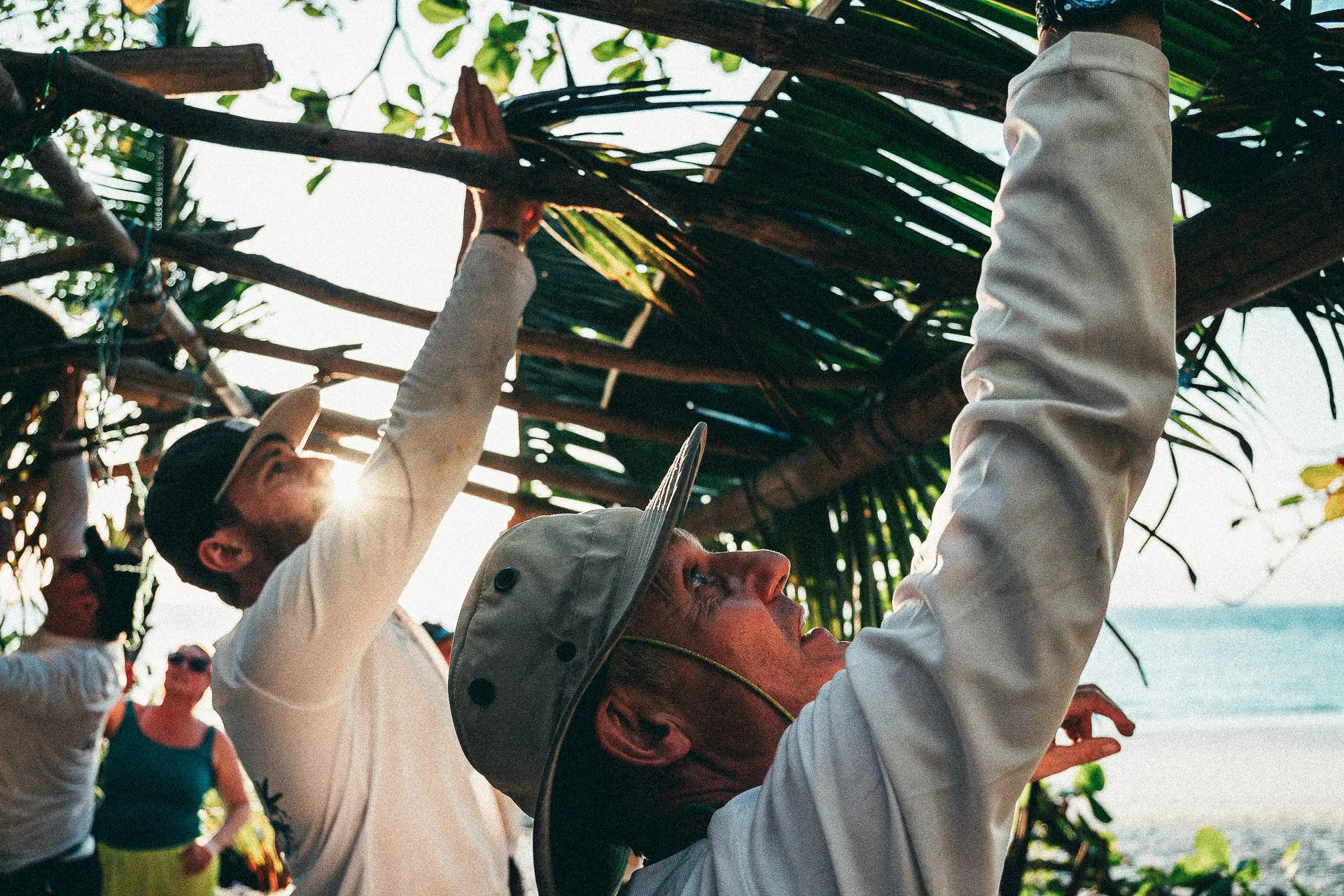
It also means the instructors aren’t spread thin. With nine or twelve guests, an instructor and an assistant can actually be present with every person. They can see who is struggling with a bow drill friction fire and get across to them. They can spot who needs encouragement and who needs to be left alone. At twenty, that becomes impossible. People start to disappear into the undergrowth, and not in the good way.
What Solo Travellers Actually Find When They Arrive
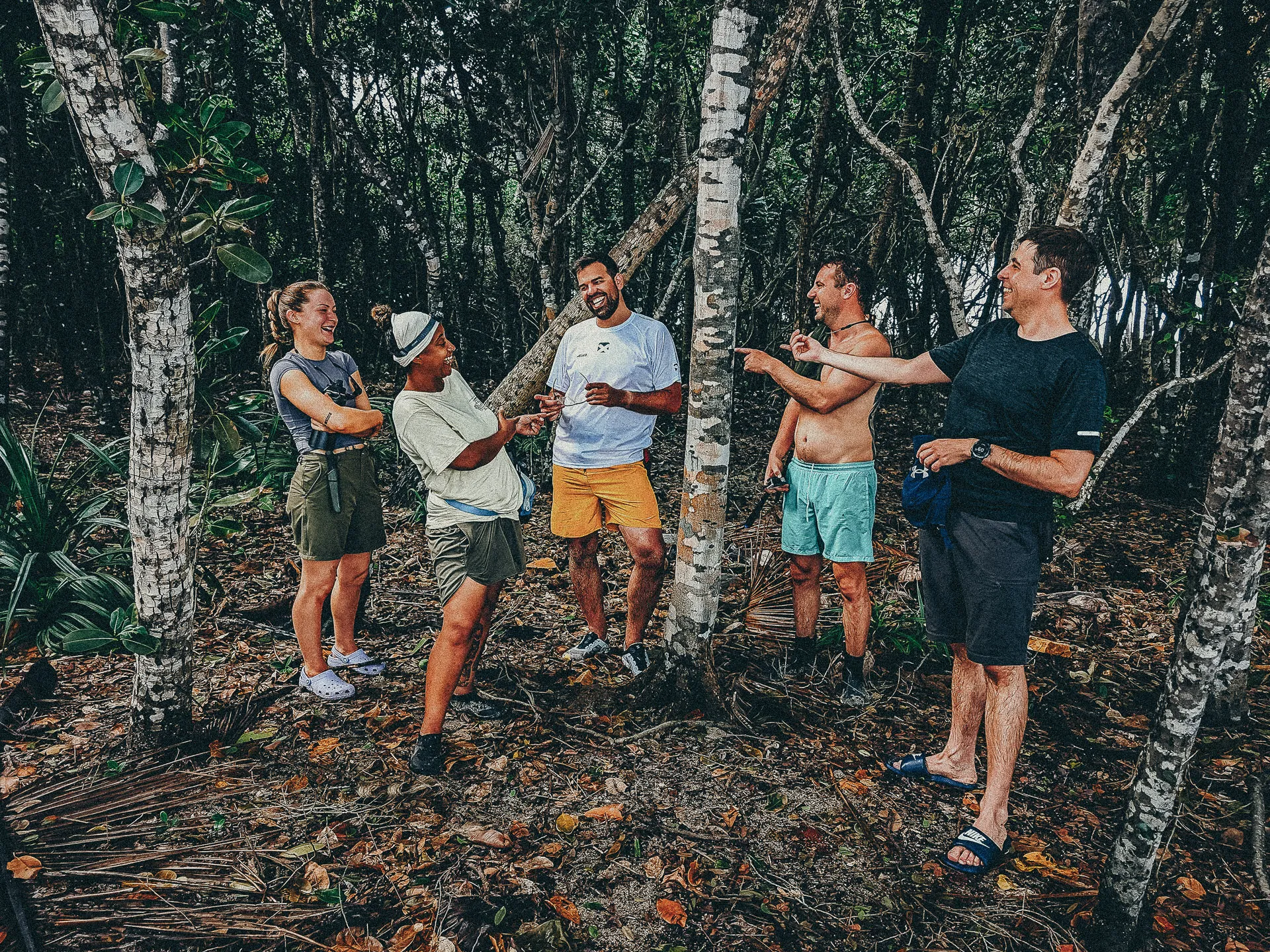
Most guests arrive alone. The question they circle around on calls before the trip without quite saying it is: who else is going to be there?
“This happens every time. People are really worried about who they’re going to be marooned on a desert island with. Invariably, they couldn’t imagine doing it with anyone else than the tribe they ended up with. The people they meet is always one of the biggest highlights.”
Tom Williams
The reason this keeps being true is that the filter works. Wanting to be marooned on a desert island is a specific thing to want. The people who want it tend to be curious, self-directed, and genuinely up for shared adversity. They don’t need much in common beyond that. The island does the rest.
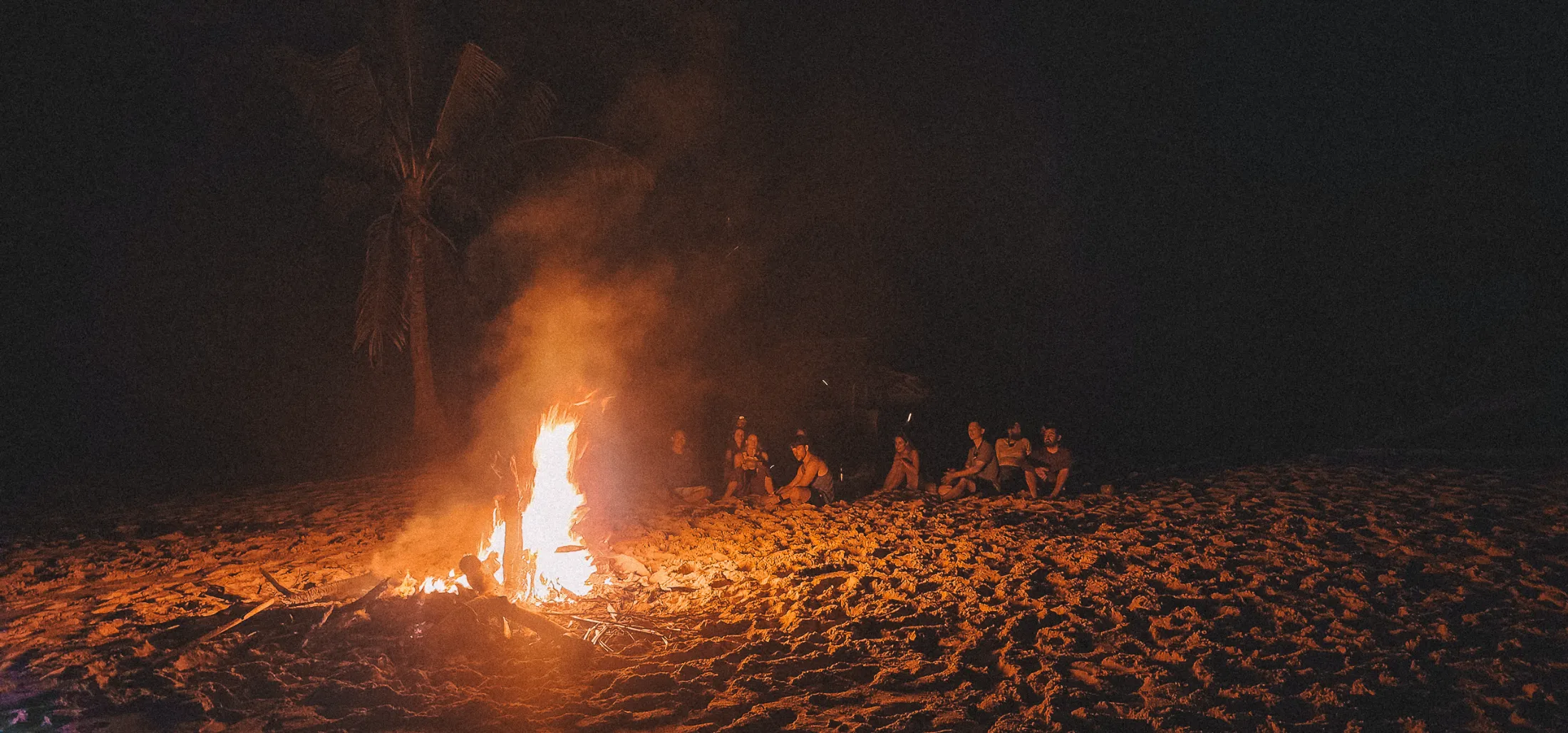
Within 48 hours, people who arrived as strangers are having conversations that would take years to reach in a normal social context. There’s something about living as a tribe, sharing conversations around the low light of a fire, and living in each other’s pocket that accelerates friendship in a way normal life rarely does. Within 48 hours, they’re quite happily discussing the quality of an aqua poo in the open ocean with people who were strangers just two days ago.
Why Strangers on an Island Bond Faster Than People Who’ve Known Each Other for Years
Back home, connection competes with everything. Phones, notifications, the half-attention we give each other across a dinner table while a screen glows somewhere in the room. Most of our conversations happen in the gaps between other things.
On the island there are no gaps. No signal, no screens, no small talk about the commute. The fire needs wood. Someone has to find water. You are entirely present because the environment demands it, and the people around you are the only people in the world for those few days. You eat together, sleep close, wake to the same sunrise, share the same small victories and hardships. You learn who hums while they work, who goes quiet when they’re tired, who makes everyone else feel calmer just by being nearby. These are things you never learn across a lunch table in a city.
Humans evolved in groups of nine or twelve around a fire. It’s the oldest arrangement we have, and the body remembers it even when the mind has forgotten. Drop strangers into that configuration, take away the distractions, and the bonding isn’t something you work at. It’s what happens when you finally stop performing and start living alongside other people. People leave closer to those they met five days ago than to colleagues they’ve worked with for five years. That’s what connection actually feels like when nothing is pulling you away from it.
The Business Trade-Off We Make Every Time
Filling a trip with 20 people instead of 12 would generate significantly more revenue per expedition. That’s not a complicated calculation. We know exactly what we’re leaving on the table.
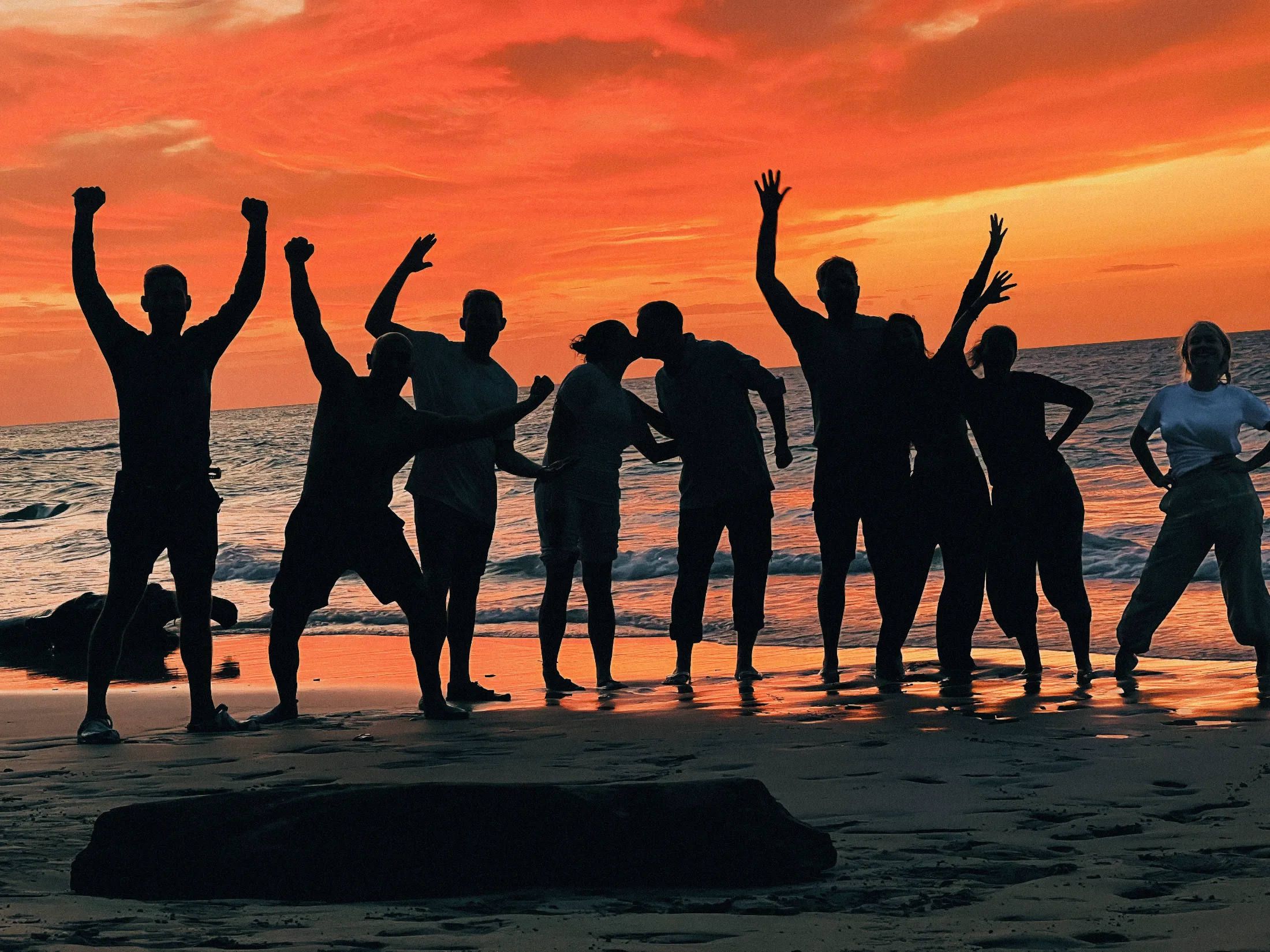
We cap it anyway. Because the cap is the most important design decision Desert Island Survival makes. It’s the thing that makes everything else possible: the tribe, the trust, the conversations that happen on night five that guests describe for years afterwards. The connection and sense of achievement that come from a small group who went through something real together.
Some things don’t scale. This is one of them.
Find Your Expedition
Nine or twelve people, in the world’s most remote places. That’s the product. Take the quiz to find out which expedition is the right fit for you, or explore where we operate below.
- Philippines — Palawan expedition
- Panama — Pearl Islands expedition
- Sweden wilderness expedition
- Tanzania — Lake Eyasi expedition
What would it take for you to choose twelve strangers over a weekend in a hotel conference room?
Frequently Asked Questions
A small group survival expedition is a guided wilderness experience where a tightly capped group of people (typically 9 to 12) learn to build shelters, source food and water, and survive in a remote environment with expert instruction. Desert Island Survival runs these across the Pacific, the Maldives, Panama, the Philippines, Africa, and Scandinavia.
The cap exists to preserve the tribe dynamic. At 9 or 12 people, one fire, one conversation, and one shared group experience stays intact. Above that number, the group fractures into subgroups, voices start to dominate or disappear, and the intimacy that defines the experience breaks down. Desert Island Survival has run expeditions with larger numbers. It was different. The cap is the most important design decision the company makes.
Yes, and the majority of guests arrive alone. The most common anxiety before departure isn’t the survival. It’s the group. Every expedition, guests arrive worried about who else will be there. Every expedition, the group ends up being one of the biggest highlights of the trip. The filter of wanting to be marooned on a desert island is, it turns out, an excellent one.
Survival accelerates friendship in a way normal life rarely does. Shared adversity, shared fire, shared problem-solving. Within 48 hours, people who arrived as strangers are having conversations that would take years to reach in an office. The intimacy of a small group, living in each other’s pocket with nowhere to hide, does the rest.
Scale changes everything. On a larger tour, events happen to different subgroups. Stories diverge. Conversations split. On a 9 or 12-person expedition, every event happens to the one group. The food catch, the shelter that finally holds, the fire that took three hours to light. All of it is shared. The experience belongs to everyone in the same way.