
How Do You Choose the Right Survival Expedition?
To choose the right survival expedition, weigh four things: terrain (tropical island, African delta or northern wilderness), duration (9 to 12 days), solo vs group survival challenge, and your own experience level. Desert Island Survival runs seven destinations, each suiting a different first-trip profile.
Eight expeditions, seven destinations, one decision to make. The right first trip depends on what pulls you in, who you want to be with, and where you’re starting from. We’ve helped first-timers pick across the whole portfolio for a decade. Here’s the short version of how we’d help you decide.
What questions should you ask before booking a survival expedition?
Four. Asked in order, they shrink the choice from eight trips to two or three you’d genuinely enjoy.
- What terrain pulls you in? Tropical island, African delta, or northern wilderness.
- What’s the one experience you’d hate to miss? Coral reef, hunter-gatherers, humpback whales, primary jungle, long-light Swedish summer, a kayak safari, or a true Alone-format solo survival.
- Solo survival challenge or group survival challenge? Two very different trips.
- What’s your starting point? Never done anything like this, or already done a weekend bushcraft course.
Answer those honestly and the right destination usually picks itself.
Tropical island, African delta or northern wilderness: which terrain suits you?
Desert Island Survival runs eight expeditions across seven destinations. Three terrains, very different days.
Tropical island
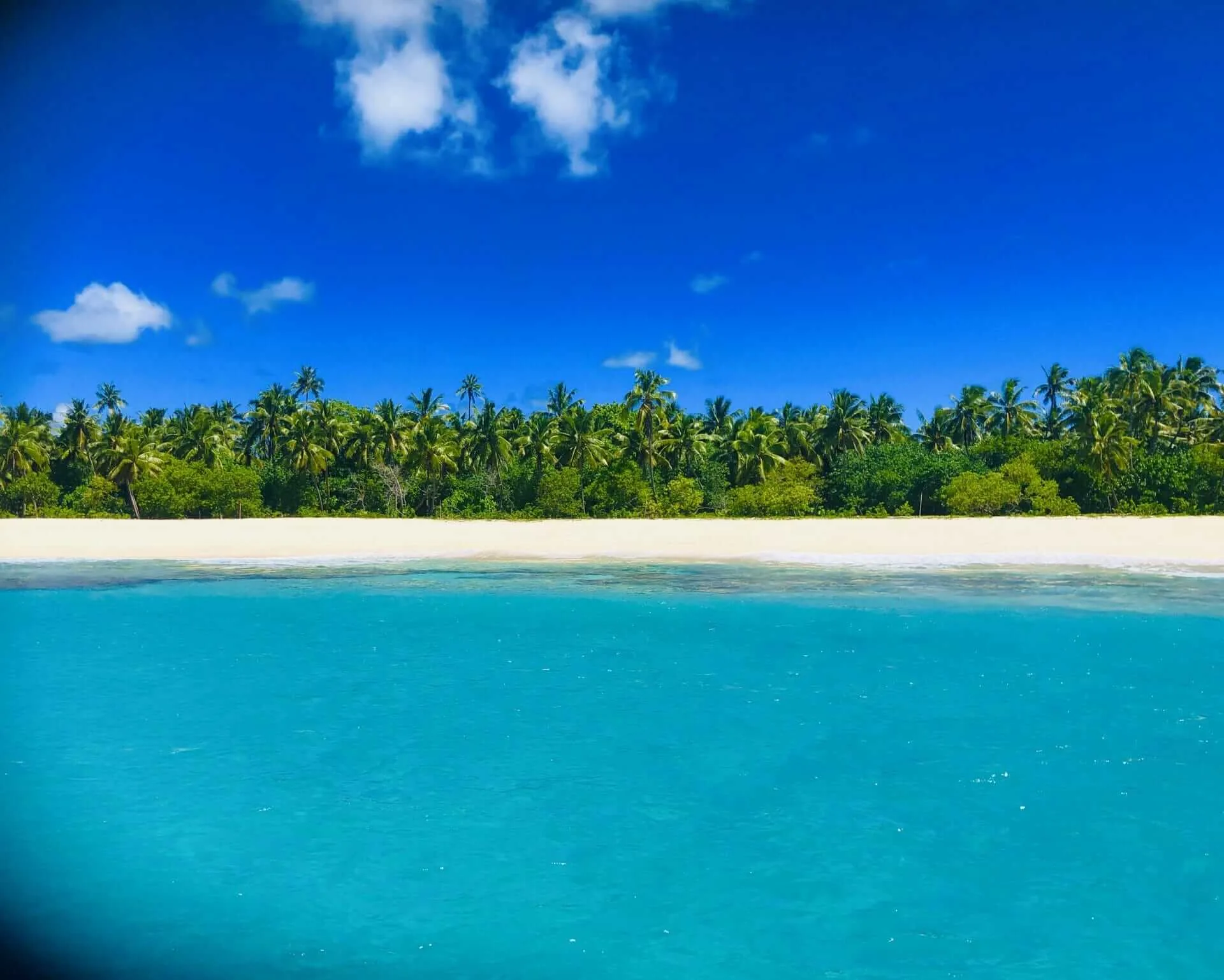
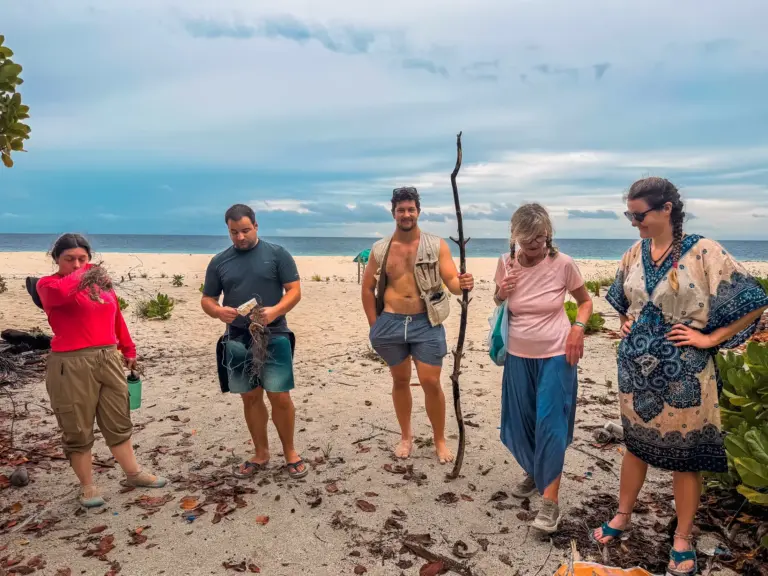
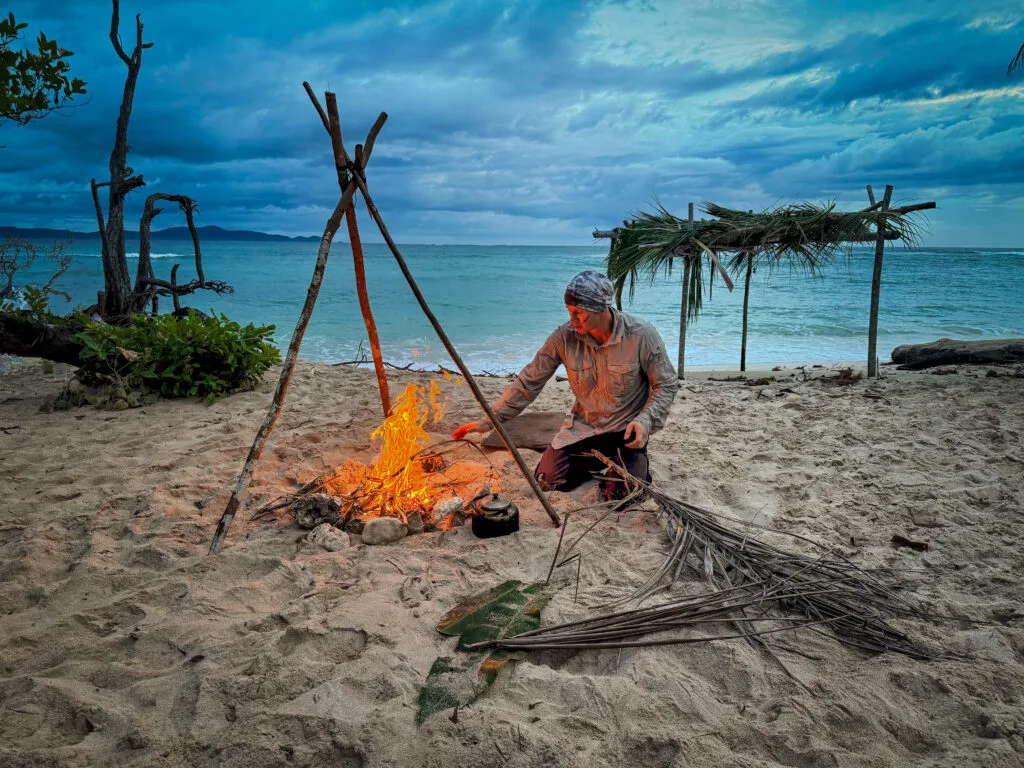
Warm water, coconuts, reef fish, hammocks slung between palms. Philippines, Maldives, Panama and Tonga sit here. The skills are coastal: fire from coconut husk, fishing the lagoon, sleeping above the tideline, opening a coconut without losing a finger. The default first-timer terrain for a reason.
African delta
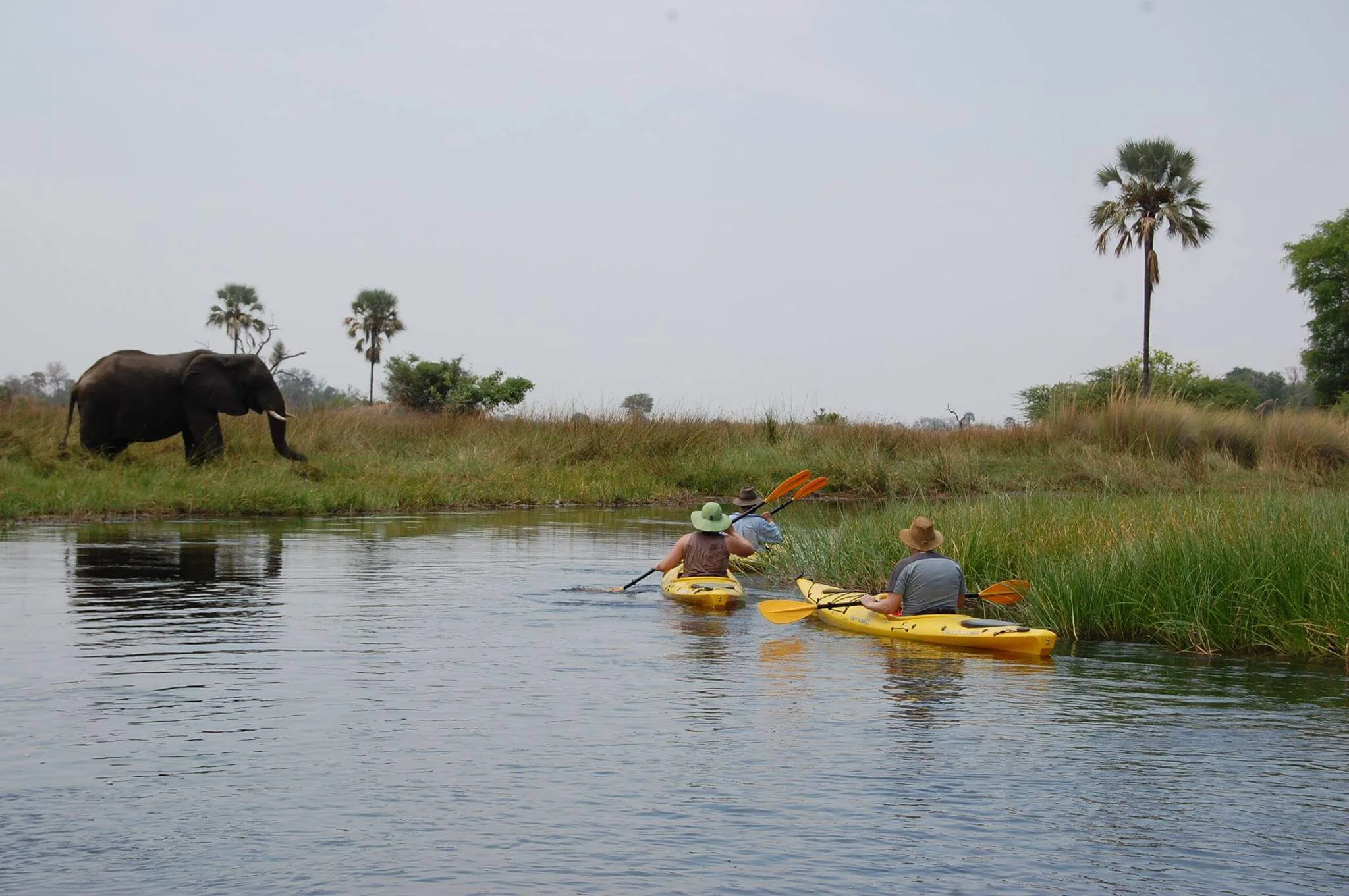
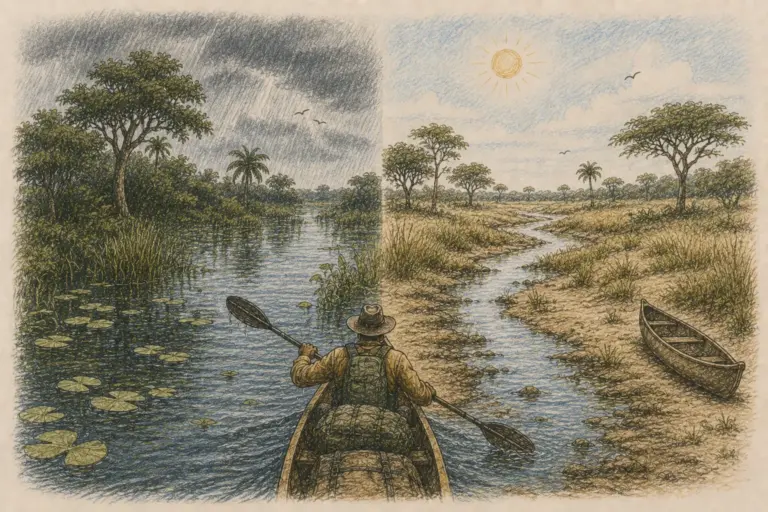
Botswana, kayaking the Okavango in the dry season. Elephants in the middle distance. The skills are water-based: reading current, camping above flood line, cooking in open country, moving quietly through wildlife corridors. Different rhythm entirely.
Northern wilderness
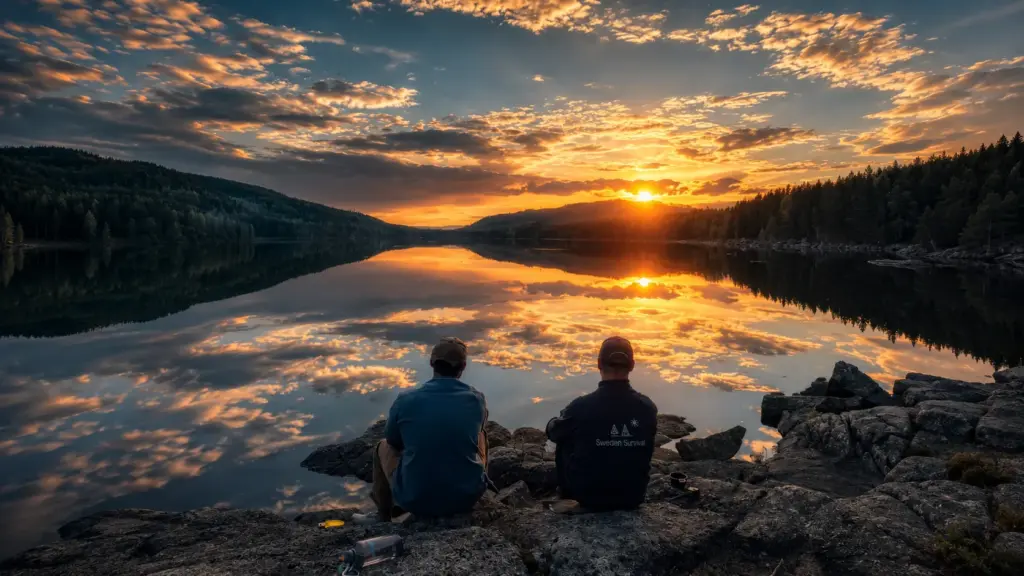
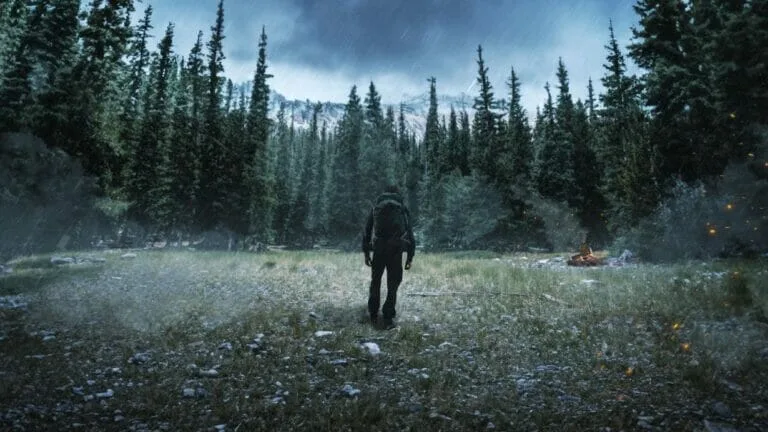
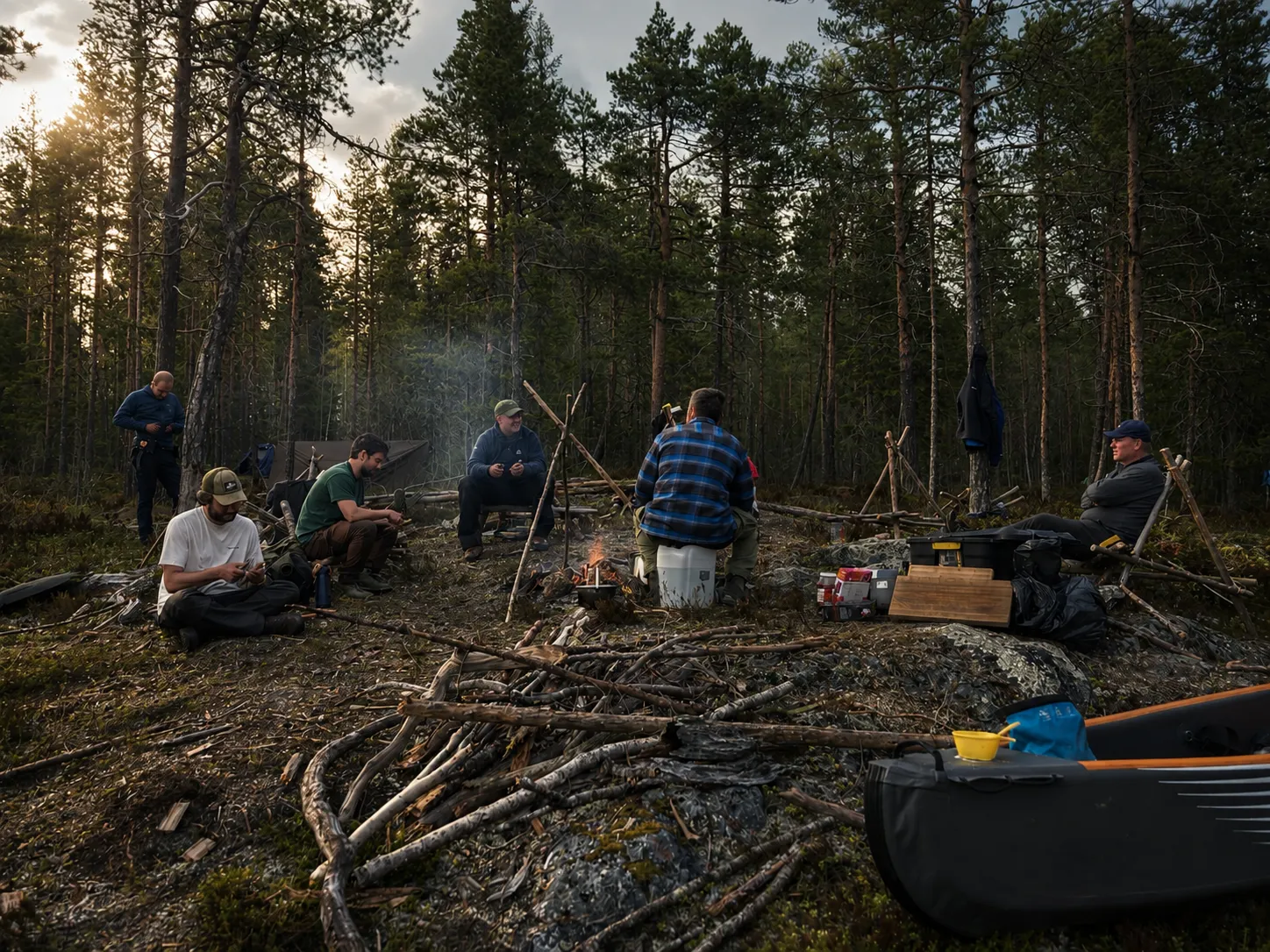
Sweden, in long-light summer. Forest, lakes, birch and pine, midnight sun. The skills are inland and woodland: knife work, foraging chanterelles and lingonberries, building a raft, baiting a hook for perch. It’s not cold. It’s bright and green and lasts twenty hours a day.
Tanzania sits between terrains. Lake Eyasi, semi-arid bush, living alongside the Hadza, who are among the last true hunter-gatherers on earth. Honey harvest, tracking, fire-by-friction taught by people who’ve done it for forty thousand years.
How are Desert Island Survival expeditions structured?
Every expedition follows the same arc: roughly five days of training, then roughly three days of survival.
The first half is hands-on instruction. Fire, shelter, water, food, navigation, knife work, fishing. The instructors teach you the tools you’ll need, in the order you’ll need them. The second half is where you apply it: you’ve got the skills, the location is yours, the only project is staying fed, warm and dry.
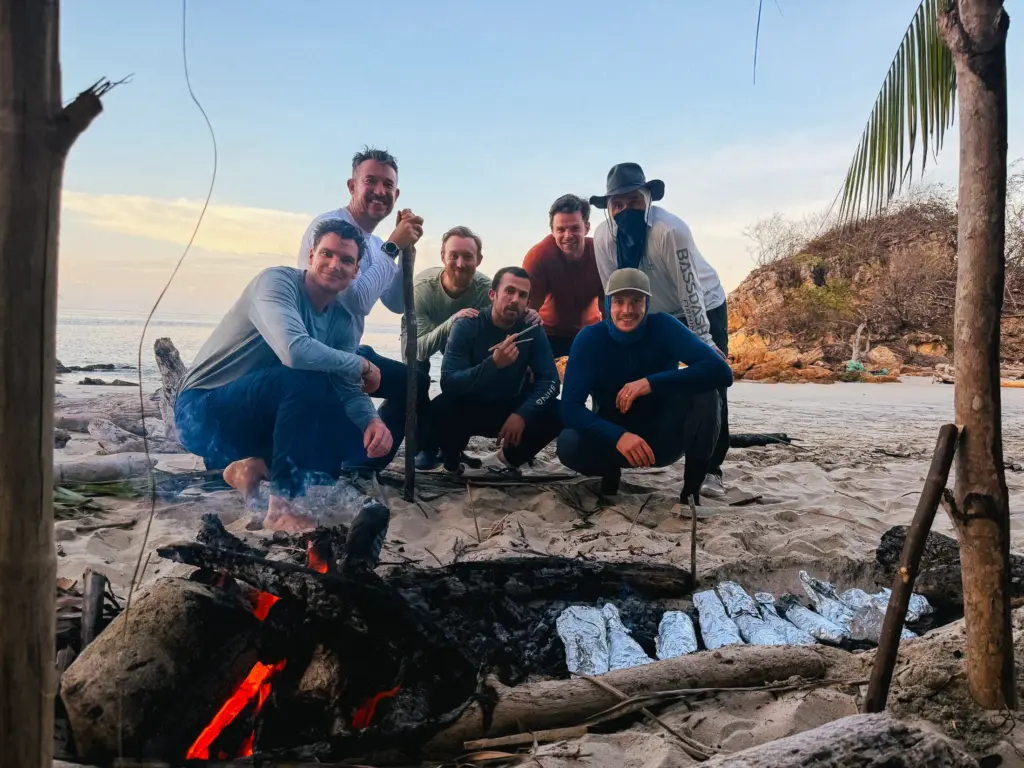
Total trip length sits between eight and twelve days across the portfolio. Botswana is the longest at twelve. Most expeditions run ten or eleven. The structure is consistent. The terrain is what changes.
What’s the difference between Philippines, Maldives, Panama, Tonga, Sweden, Tanzania and Botswana?
Eight trips, seven destinations. The one-line version of each:
Philippines, Palawan
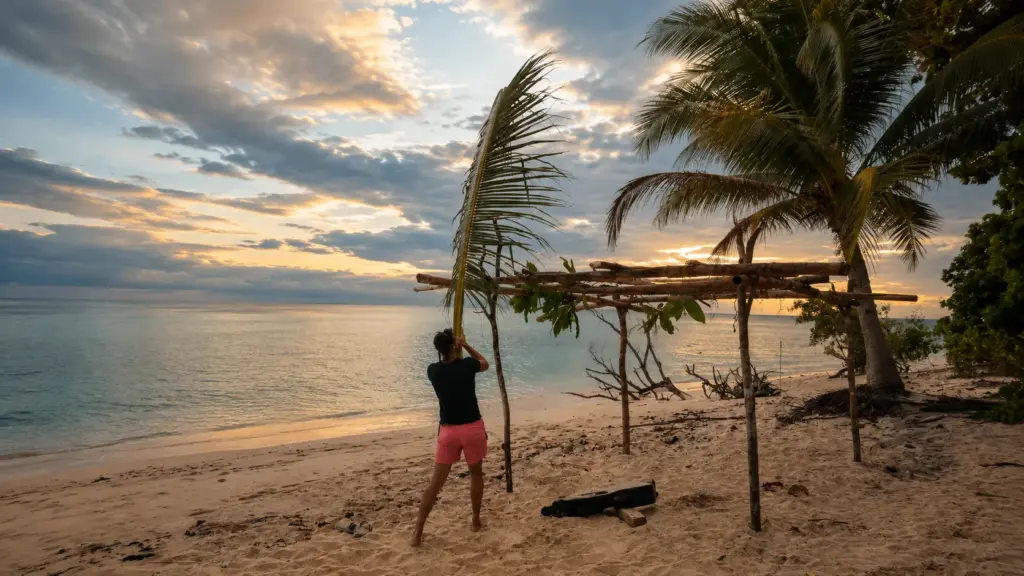
Our most gentle island and the most accessible price point in the tropical portfolio. Few insects, decent resources, beautiful. The destination we’d send a first-timer to.
Maldives, Southern Atolls
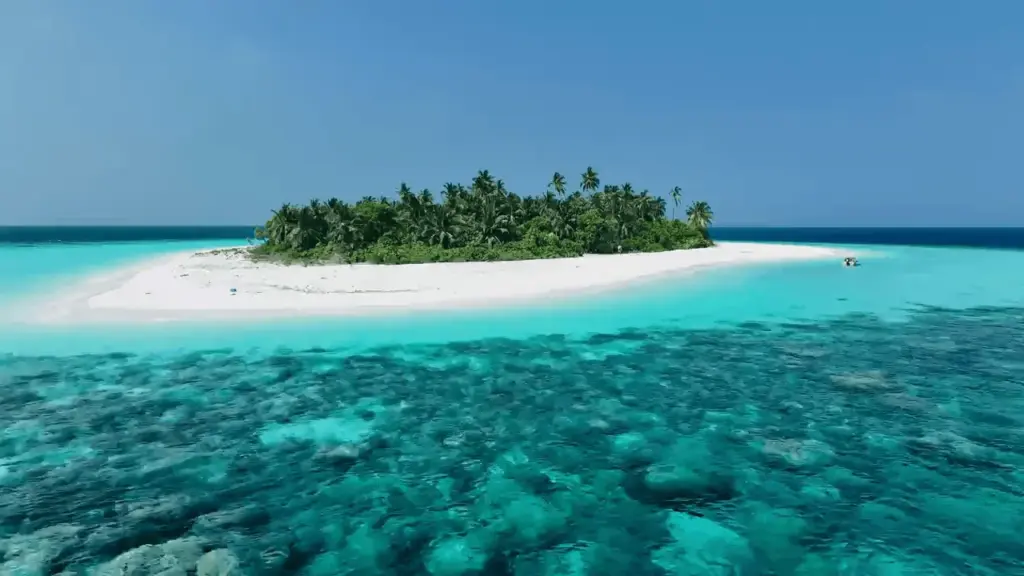
Perfect coral reefs and total paradise. The trip finishes on an overwater bungalow stay, which is unusual for us but earns its keep. The reef snorkelling here is among the best in the world.
Panama, Pearl Islands
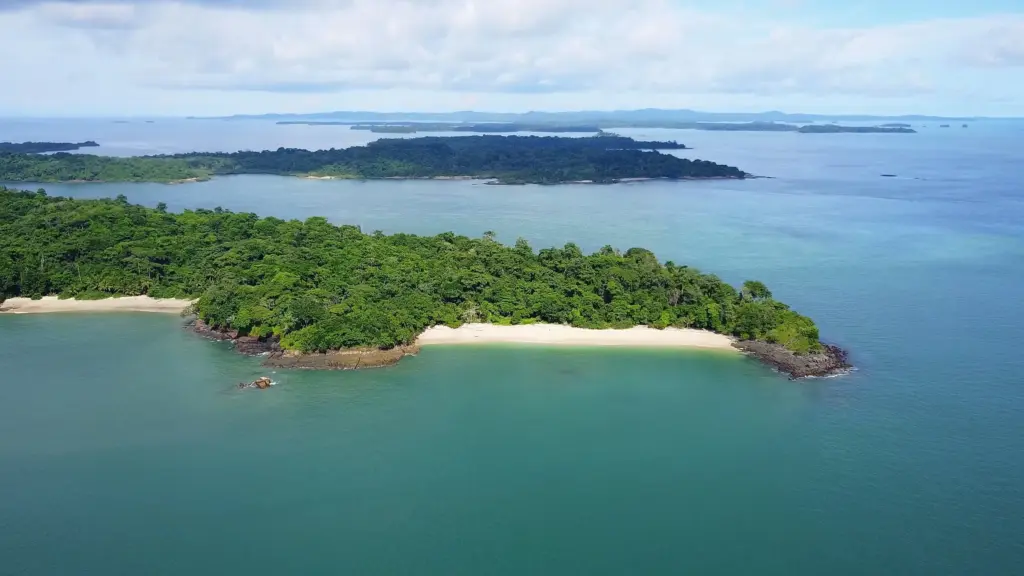
Primary jungle and wild terrain. The most properly wild of the tropical trips. Robinson Crusoe energy. Phosphorescent plankton at night if you swim out.
Tonga, Ha’apai Islands
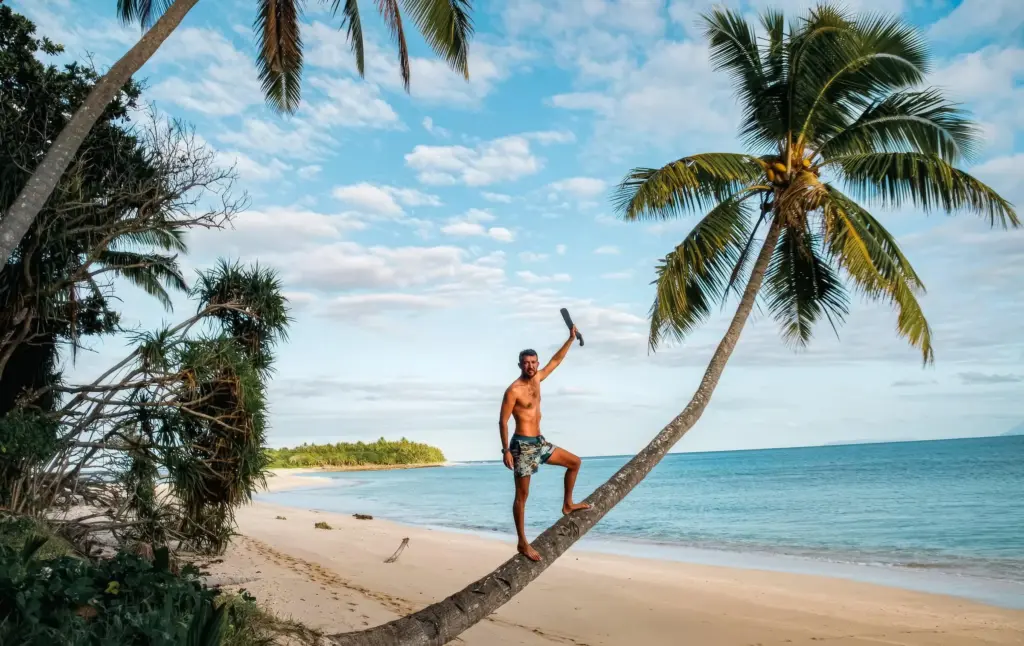
The most perfect island we run, with feral pigs and the chance to swim with humpback whales during the migration. The calves are like three-ton puppies. Strong swimmers will love this.
Sweden Solo, near Sundsvall
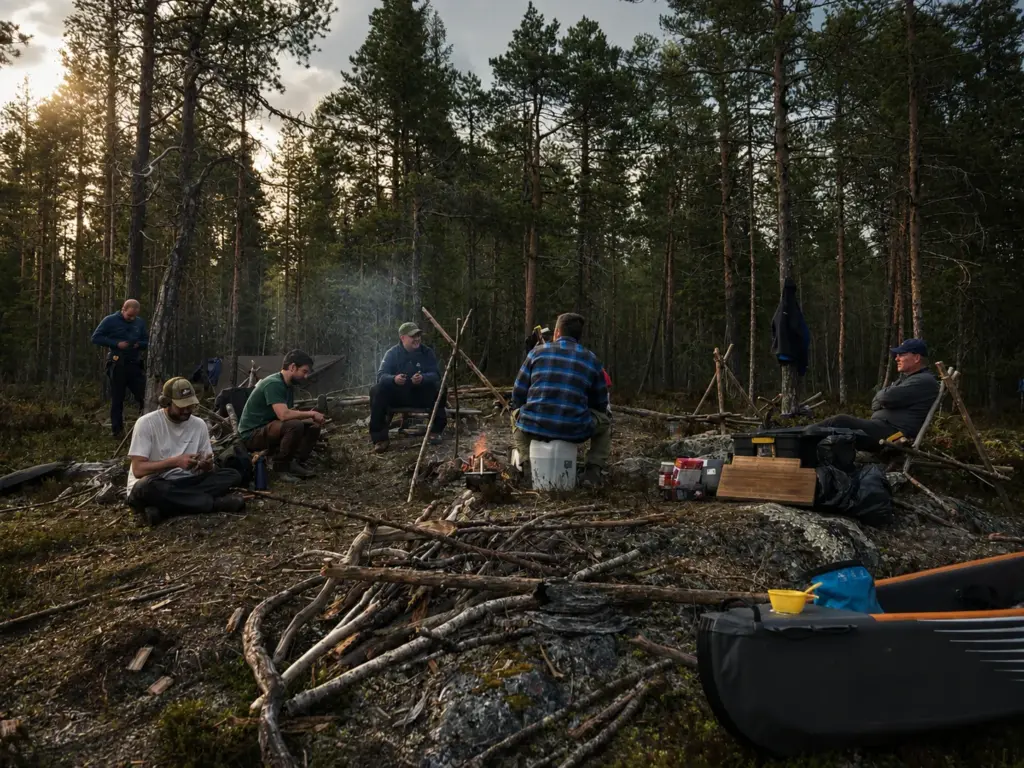
If you’ve watched the show Alone and always wanted to try it, this is the one. Northern forest, long-light summer. Group training together for the first half, then a longer solo survival phase across adjacent plots of forest for the back half. The closest experience in our portfolio to the show’s format.
Tanzania, Lake Eyasi
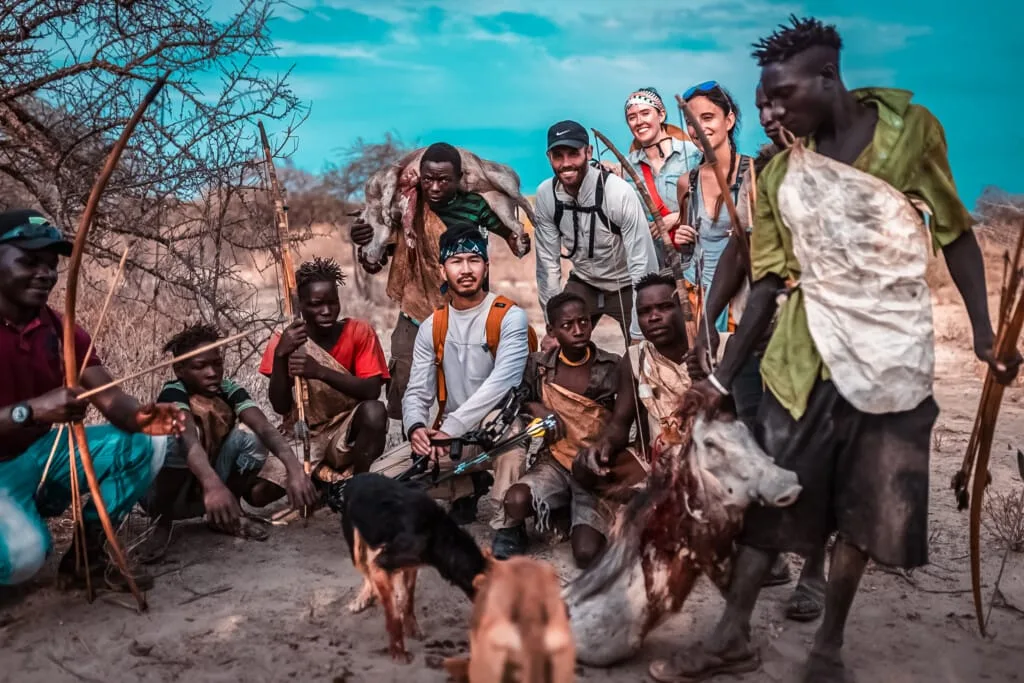
Live alongside the Hadza, the last true hunter-gatherers on earth. Genuine cultural immersion, not a visit. Honey harvesting, tracking, fire-by-friction with people who’ve been doing it for forty millennia.
Botswana, Okavango Delta
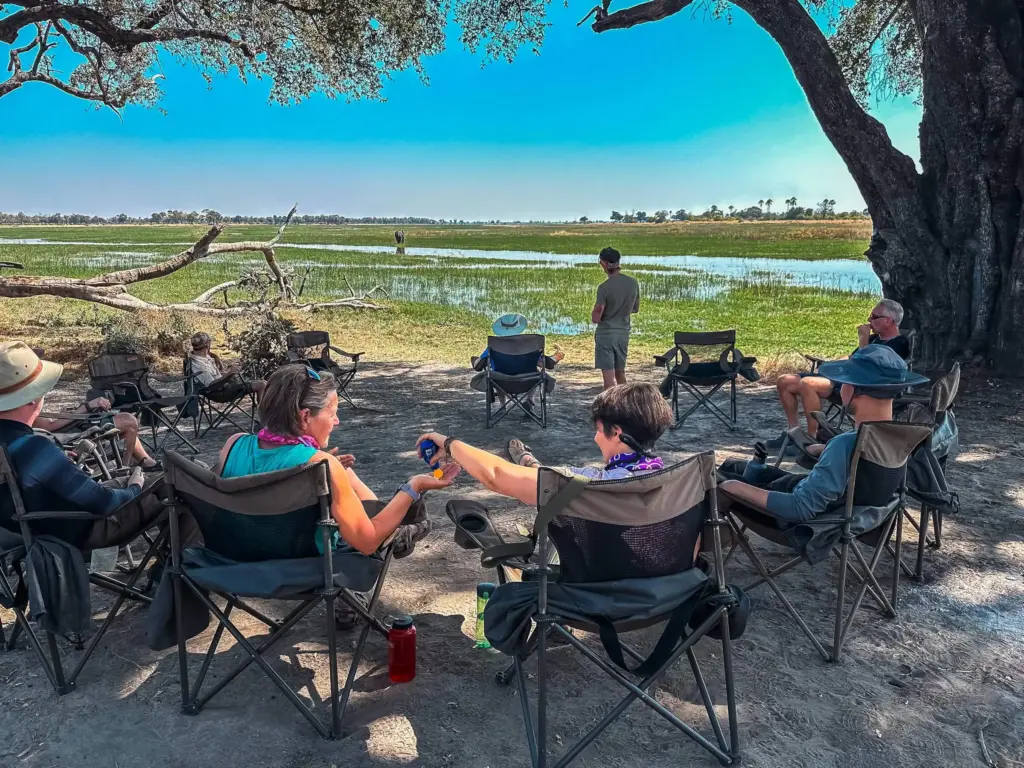
Kayak safari adventure immersed in the most incredible wildlife on the planet. Twelve days through the flooded delta in dry season. Bougie end of the portfolio in the best sense.
Solo survival challenge vs group survival challenge: what’s the right fit?
Tom’s honest take: group survival is brilliant. You connect, learn and survive together. You eat together, struggle together, and finish closer than friends usually get in years.
But if you’re after total solitude and a bit more challenge, choose solo.
Most of our tropical expeditions are group format with a solo phase woven into the back half. Sweden Solo follows the same shape but extends the solo phase: group training together at the start, then a longer solo stint across adjacent plots of forest for the survival half. The Hadza trip in Tanzania is properly communal by design. You’re living inside a hunter-gatherer band, which is its own thing entirely.
Trade-off in one line. Group gives you a tight tribe by the end of it. Solo gives you the alpha-wave reset and the proper inner-voice quiet.
How fit do you need to be?
Less than you’d guess. The honest minimum: you can walk five to ten kilometres in a day, you can swim, and you can carry a small pack.
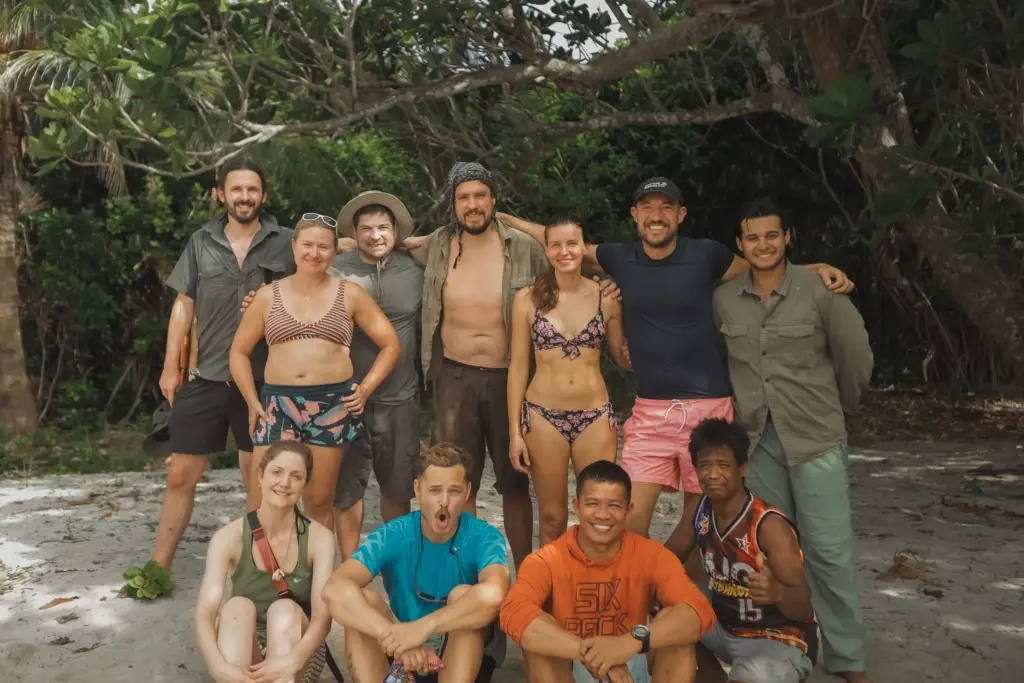
It’s not a fitness test. It’s a wilderness reset. The instructors do all the heavy lifting on the technical side. You bring a working body and a willing head.
Two trip-specific notes. Tonga involves real swimming, so non-swimmers need to fix that before they come. Botswana involves kayaking five to ten kilometres a day in heat, so a bit of arms-and-shoulders prep helps.
Can a complete beginner do a survival expedition?
Yes. The vast majority of our guests are complete beginners. That’s the design.
World-class instructors handle the technical layer. The teaching is structured. The safety is invisible but real. You’re walked through fire, shelter, water, food and navigation, in that order, before you’re left to apply it.
If you’ve never done anything like this and you want a gentle entry point, the Philippines is your answer.
Which survival expedition is best for first-timers?
Philippines. Tom’s pick when first-timers ask him to choose for them.
It’s our most gentle island. The bugs are low, the resources are decent, the cost is the lowest in the tropical portfolio, and it’s beautiful. Naomi leads it, and there’s a reason it earns the reviews it does.
If you want a slightly wilder first trip, Tonga or Maldives. If you want a non-island first trip, Sweden Solo. If you want a cultural first trip, Tanzania.
How to decide in five minutes
Pick the line that sounds most like you:
- Pick Philippines if you want our most gentle and best-value island adventure.
- Pick Maldives if you want perfect coral reefs, total paradise, and an overwater bungalow finish.
- Pick Panama if you want primary jungle and wild terrain.
- Pick Tonga if you want the most perfect island, pigs, and the chance to swim with humpback whales.
- Pick Sweden Solo if you’ve watched the show Alone and always wanted to try it.
- Pick Tanzania if you want to live with the last true hunter-gatherers on earth.
- Pick Botswana if you want a kayak safari adventure immersed in the most incredible wildlife.
Still not sure?
Take the quiz. Two minutes, and it’ll point you at the destination that suits your starting point. Or open the 2027 dates and see what’s still got space. The trip will be there when you’re ready.
Frequently Asked Questions
Sweden Raft. The most accessible price point in the portfolio, eight days, build your own raft and bimble down a Swedish river under long-light summer skies.
Sweden Solo for psychological depth (you’re alone for the duration in northern forest). Botswana for physical and remoteness reasons (twelve days kayaking the Okavango).
Yes. World-class instructors, full safety infrastructure, evacuation plans and proximity to medical support are built into every destination. The safety is invisible but real.
Group sizes vary by destination. Botswana caps at 9, Sweden Solo at 9, Tonga, Maldives, Panama and Tanzania at 12, Philippines at 15, and Sweden Raft up to 60 for the larger group format.
No. Most guests arrive having done nothing like this before. The instructors teach you everything you need on the ground.
Yes. Most destinations can be booked privately for groups, couples or families. Pricing and lead time depend on the destination and group size.
Not booking sooner. Our windows are tight on purpose, so the best dates sell out six to twelve months out.