

How Long Could You Survive Alone in the Wild?
The short answer. Most healthy adults could last around three weeks without food and three days without water. With no training, though, you’d do well to last 48 hours. The real limiter is rarely the body. It’s the head, and the calories you can’t replace fast enough.
Every summer, when Alone is back on the telly, I get the same question. Someone watches a contestant three weeks in, eyes a little wild, shivering in a leaky tarp lean-to, and they turn to me and ask how long they’d last out there themselves. It’s a fair question. I spent 35 days alone in the Canadian wilderness for the UK series, ate pike and leaves for 25 of them, and I still hadn’t found the edge of it when they pulled me off. So I tend to answer honestly, which is to say, it depends, and not on the things people expect.
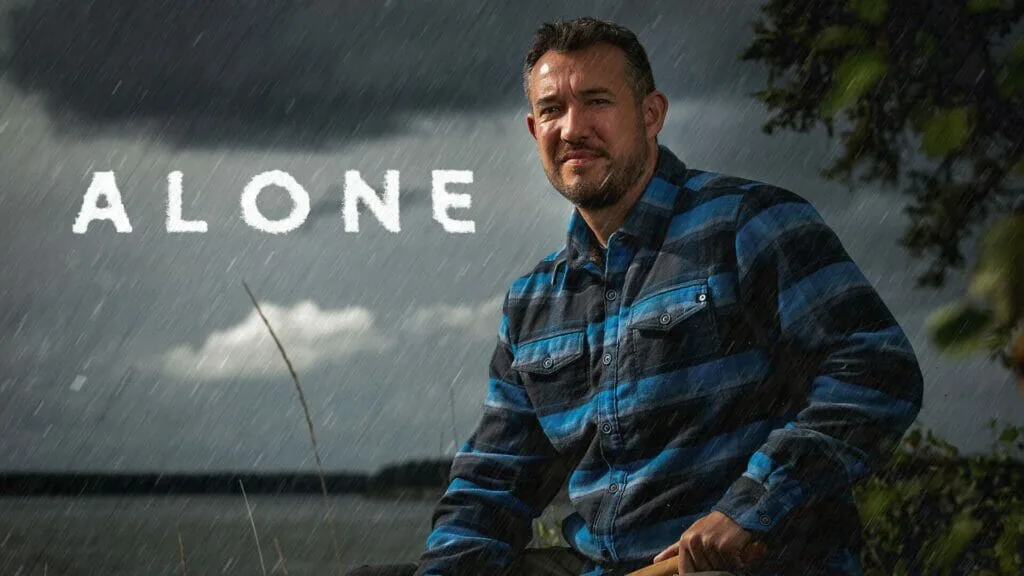
Here’s the honest version, and what actually keeps a person alive when there’s no one coming for a while.
The question everyone asks watching Alone
We tend to assume survival is about kit and clever skills. It helps, of course. But with zero training you’d do well to last 48 hours, and after that it comes down to two bottlenecks that are closely linked.
The first is calories. Calories are the money of nature. They’re scarce out there, and it’s hard work to keep your bank balance high. You burn more hunting, gathering and building than you tend to bring in, especially early on. The second bottleneck is your head, and the two feed each other. The moment you stop eating well, your mental health starts to go. You catastrophize. You make bad decisions. It gets hard to hold a positive mindset, which is the one thing you genuinely cannot afford to lose.
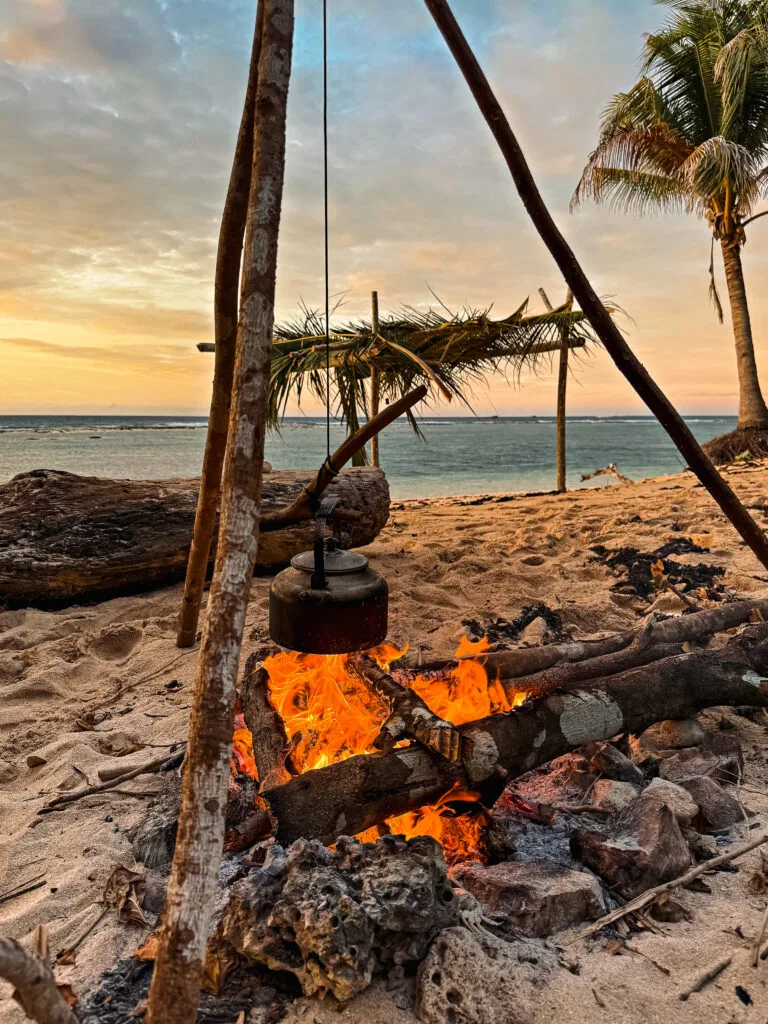
So there’s no definitive number for how long you could survive alone. Everyone is different, and so is the environment that’s quietly trying to finish you off. A temperate island in summer is a very different clock to a winter mountain.
The rule of threes (the real framework)
If you want something to actually hold on to, it’s the rule of threes. It’s rough, but it’s roughly right, and more usefully it tells you the order to solve things in.
- Three minutes without air. Drowning and choking hazards come first for a reason. Protect your airway and your ability to breathe above all.
- Three hours without shelter in a harsh environment. Exposure, the cold that steals your core heat or the sun that cooks you, kills faster than people expect.
- Three days without water. Dehydration blunts your thinking long before it stops your heart.
- Three weeks without food. The longest clock, and the one people wrongly panic about first.
Notice what comes first. People obsess over food, because hunger is loud and frightening. But you’ll be undone by exposure or thirst long before an empty stomach becomes the real problem. Get your water and your shelter sorted, and you’ve bought yourself the time to think clearly about everything else.
How to survive on a deserted island: the first 72 hours

If you ever did find yourself washed up alone, the order matters more than any single skill. Here’s roughly how we teach people to spend their first three days, in priority order.
- Make water safe. Find a source, then disinfect it. Rainwater caught in a tarp or a hollow, or seawater turned fresh with a solar still or transpiration bag. Thirst is your fastest clock.
- Build shelter. Get off the wet ground and out of the wind and sun before nightfall. A simple lean-to or a raised bed changes everything about how you sleep and how you cope.
- Get a fire going. Fire purifies water, cooks food, keeps you warm and, quietly, keeps you sane. A flame to sit beside does more for morale than people believe.
- Find food. Coconuts, shellfish, fish, whatever the island gives up. You can go weeks without it, so it sits below water and shelter, not above.
- Signal for rescue. A fire kept smoking, bright material laid out, anything that says a human is here. The boys who survived 15 months on a Tongan island kept a fire burning the whole time partly for this reason.
- Mind your mind. Keep busy, keep a routine, talk to yourself out loud if you have to. Panic burns calories and clouds judgement, the two things you can least afford to lose.
Why most people break in the first 72 hours
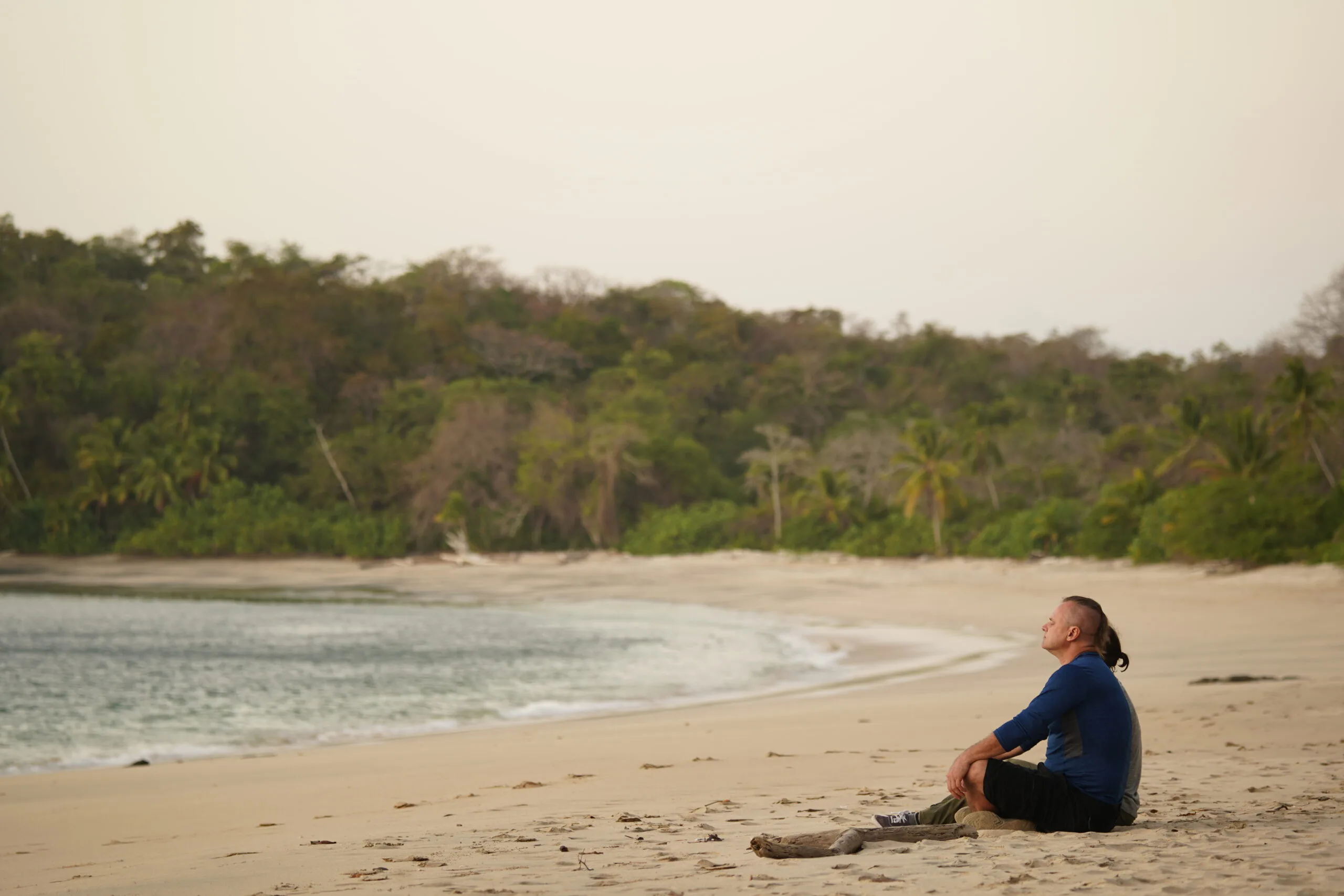
It’s rarely about skills. Survival is uncomfortable, and we rarely experience much real discomfort these days. We’re house cats. We’ve built warm, soft, well-fed lives, and there’s nothing wrong with that, but it leaves us with very little practice at being cold, hungry and bored all at once.
I’d say it’s 80 percent mental. Unless you’ve faced real adversity before, those first few days can come as a genuine shock to the system. This is exactly what training is for. It doesn’t make the island any kinder. It just makes you steadier inside it, so the discomfort stops feeling like an emergency and starts feeling like a Tuesday. The skill that matters most isn’t fire-lighting. It’s staying calm enough to light the fire.
What actually keeps you alive
Water, shelter, fire, calm. In that order. The first three are practical and teachable in an afternoon. The fourth is the one nobody lists, and it’s the one that decides most of it. A calm person with a fire and a roof will last a very long time. A panicking person with the same kit often won’t last the night. Survival is less about what you can do with your hands and more about what you can do with your head when things go sideways.
The part nobody films: what isolation does to you
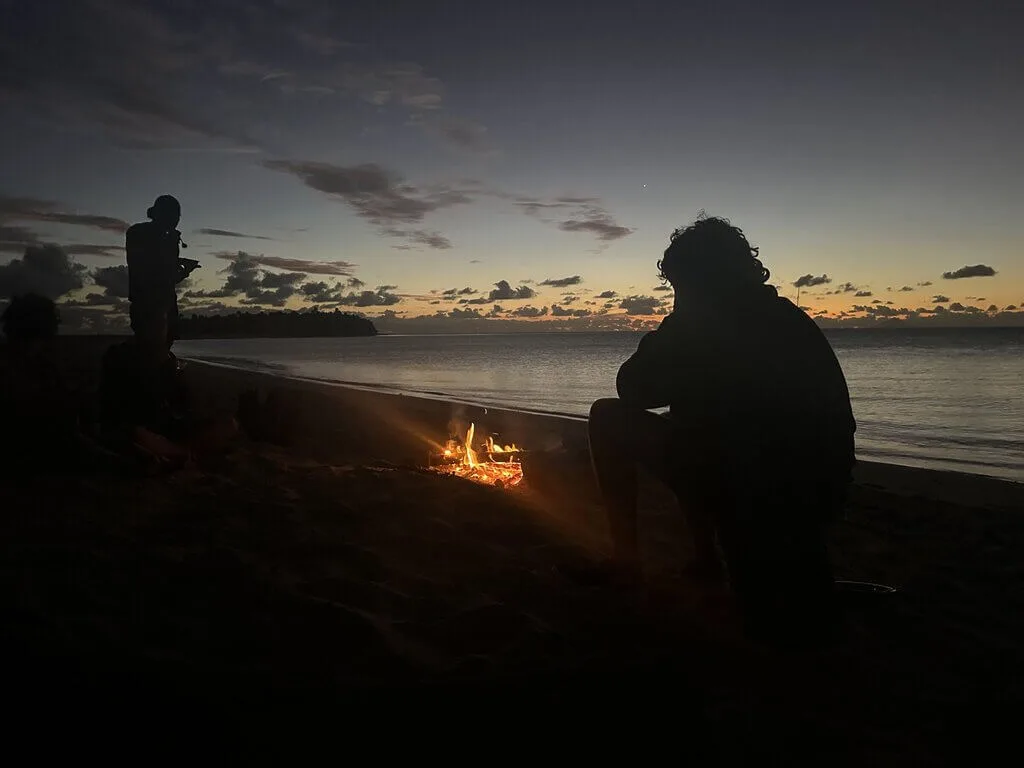
Here’s the bit that surprises people. Few of us have ever spent three days without talking to another human being. We’re hardwired to seek out social connection, so to be without it is deeply uncomfortable, in a way that has nothing to do with food or water.
For a lot of people, that silence drags things up. Memories. Un-dealt-with challenges from the past that they’ve kept at arm’s length for years. Tough isolation can help someone finally process and work through what they’ve spent a long time distracting themselves from, and that can be tremendously chaotic before it becomes useful. It’s the same quiet the six Tongan boys lived inside for fifteen months, and the same one our castaways meet on their solo phase. The body is the easy part. The mind is the expedition.
How long did Tom Williams last on Alone?

For the UK series of Alone, I lasted 35 days in the Canadian wilderness and won it. For 25 of those days I ate pike and leaves, until I caught a duck on day 25, which I can only describe as a triple Michelin-star experience. The strange part is that I was genuinely annoyed when it ended. Not because I was comfortable, I wasn’t, but because I wanted to find out where my actual mental and physical limits were, and I never got there. That’s the thing about it. With the right mindset, the question stops being how long can I survive and becomes how much can I learn before they make me leave.
So, how long could you last?
Honestly? Longer than you fear, and shorter than you hope. Drop the average person in cold, with no training and no one to talk to, and the first 48 hours will tell the story. Give that same person a few days of proper instruction and a small group to share it with, and they tend to astonish themselves. The limit isn’t really a number. It’s how quickly you stop fighting the situation and start working with it.
Frequently Asked Questions
Want to find out where you’d actually land?
You don’t have to wonder. The honest way to find out how you’d cope is to put yourself somewhere real, with people who’ve done it before standing just out of sight. If you’re curious which of our seven destinations would actually test you, the quickest place to start is the quiz.
So, knowing what really runs out first, how long do you reckon you’d last?
Around three days for most people, and less in real heat or under hard exertion. It’s the first clock that matters, which is why finding and disinfecting water comes before almost everything else.
Roughly three weeks for a healthy adult. But your decision-making and your mood start to suffer long before your body does, and on a desert island those are the things that keep you alive.
In order: make water safe, build shelter, get a fire going, find food, signal for rescue, and keep your head together. The mistake is to chase food first. Water and shelter buy you the time that everything else depends on.
With a little training and the right mindset, yes, and for longer than they’d expect. Without either, the first two days are the test. The good news is that the gap between those two outcomes is mostly learnable.
For a lot of people it isn’t the cold or the hunger, it’s the silence. Being without other humans for days is something almost none of us have practised, and it’s where the real challenge lives.