
Survival Holidays: The Honest Guide to the Different Types, and How to Choose
A survival holiday is a trip where you learn wilderness skills, like fire, shelter, water and food, and then use them for real. The main types are UK bushcraft days and weekends, multi-day bushcraft schools, castaway island trips, jungle survival, desert survival, cold-climate solo trips, cultural trips with indigenous communities, and private expeditions for your own group.
My first survival trip was in Belize. The instructor cared more about equipment than nature, and the island had tourism wrapped around it. I loved it anyway, which says more about me than the trip. I also came home convinced that the type of trip, and who runs it, matters far more than the photos let on.
Full disclosure: I run Desert Island Survival, so I’m biased. I’ve tried to be fair anyway, and I’ll say plainly where we’re the wrong choice.
What Types of Survival Holiday Are There?
There are eight broad types: short UK bushcraft courses, longer bushcraft schools, castaway island trips, jungle survival, desert survival, cold-climate solo trips, cultural trips with indigenous communities, and private expeditions for your own group. They differ mainly in length, remoteness, how much teaching you get, and whether you face it alone.
| Type | What it is | Typical length | Best for |
|---|---|---|---|
| UK bushcraft day or weekend | Short instructor-led course in a British woodland | Half a day to two days | First-timers testing the water on a small budget |
| Multi-day bushcraft school | Structured skills course focused on real competence | About a week to several weeks | People who want deep skill, or who might teach one day |
| Castaway island, self-guided | Dropped alone on a remote island with basic kit | Usually one to two weeks | Confident, self-sufficient people who want solitude |
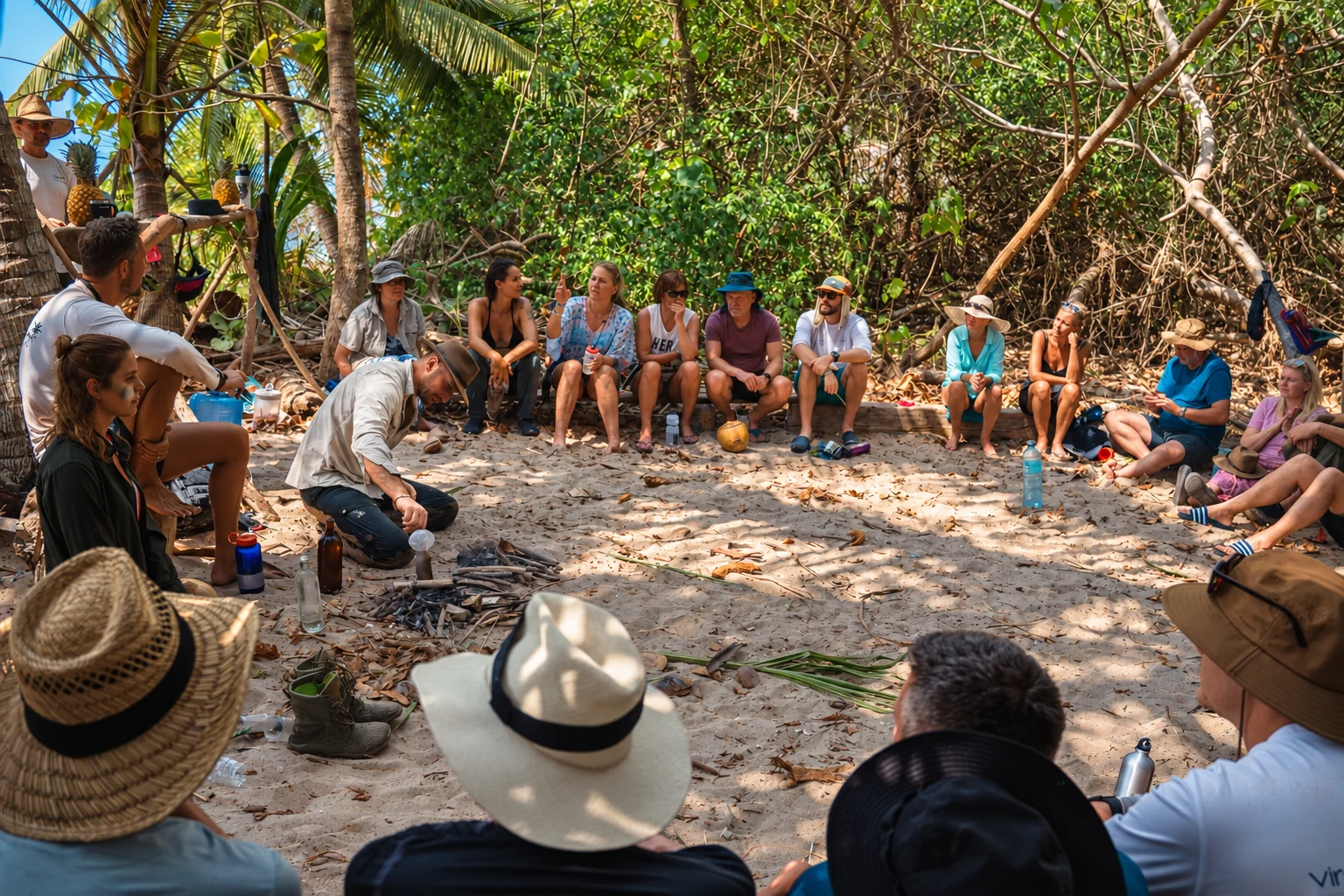
| Castaway island, instructor-led | Taught first, then survive on an island as a group | Around 10 to 12 days | Beginners who want to find out what they’re capable of, in good company |
| Jungle survival | Skills and survival in tropical rainforest | Overnight to around 15 days | Fit people who cope well with heat and damp |
| Desert survival | Heat, water and navigation in open desert | A few days to around 12 days | Lovers of big open space and long walks |
| Cold-climate or northern forest solo | Trained in northern forest, then a few days alone | About 4 to 10 days | Anyone curious how they’d handle solitude |
| Cultural survival | Learning bushcraft alongside an indigenous community | About 8 to 15 days | Curious travellers more interested in people than hardship |
| Private expedition | Any of the above, run only for your group | Flexible | Friends, families, milestones and company teams |
What Is a One-Day or Weekend Bushcraft Course?
A one-day or weekend bushcraft course is a short, instructor-led session in a UK woodland where you learn the basics: lighting fire, building shelter, finding water and a bit of foraging. It’s the cheapest and simplest way to find out whether you enjoy this before spending more or travelling further.
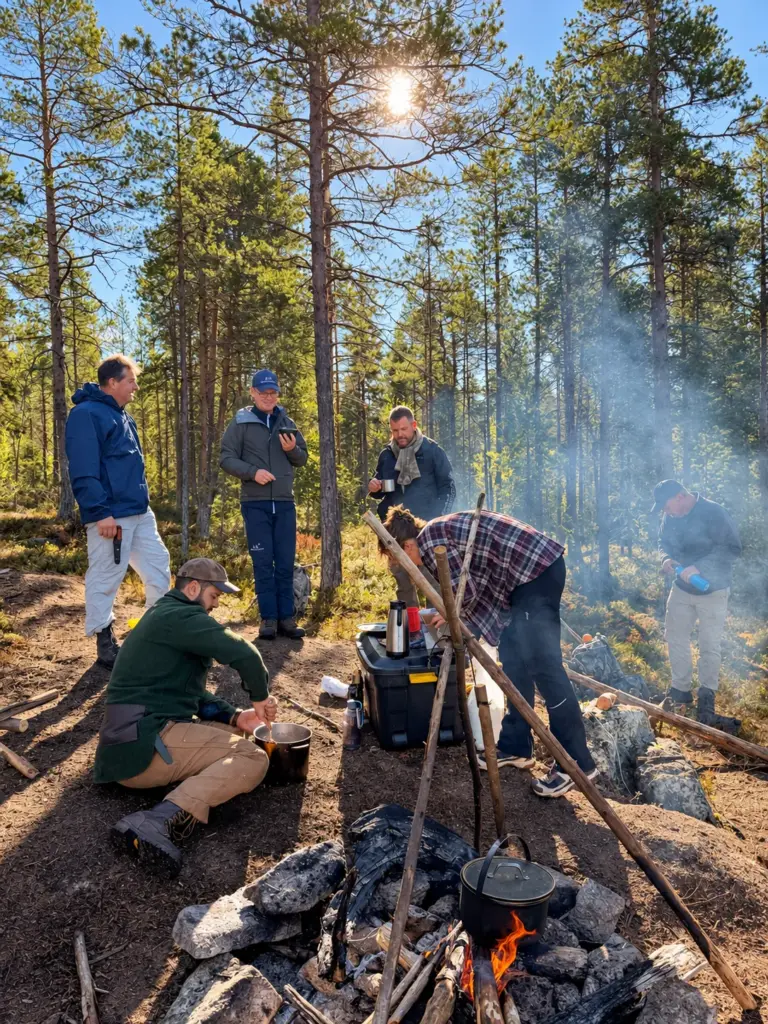
These suit first-timers, families with older children and curious friends. Check the minimum age, how many people share an instructor, and whether you actually sleep outside or head home at teatime.
What Is a Multi-Day Bushcraft School?
A multi-day bushcraft school is a longer, more structured course, usually a week or more, where the aim is building genuine skill rather than having an adventure. You repeat techniques until they stick, and some schools run field programmes that stretch to several weeks at a time.
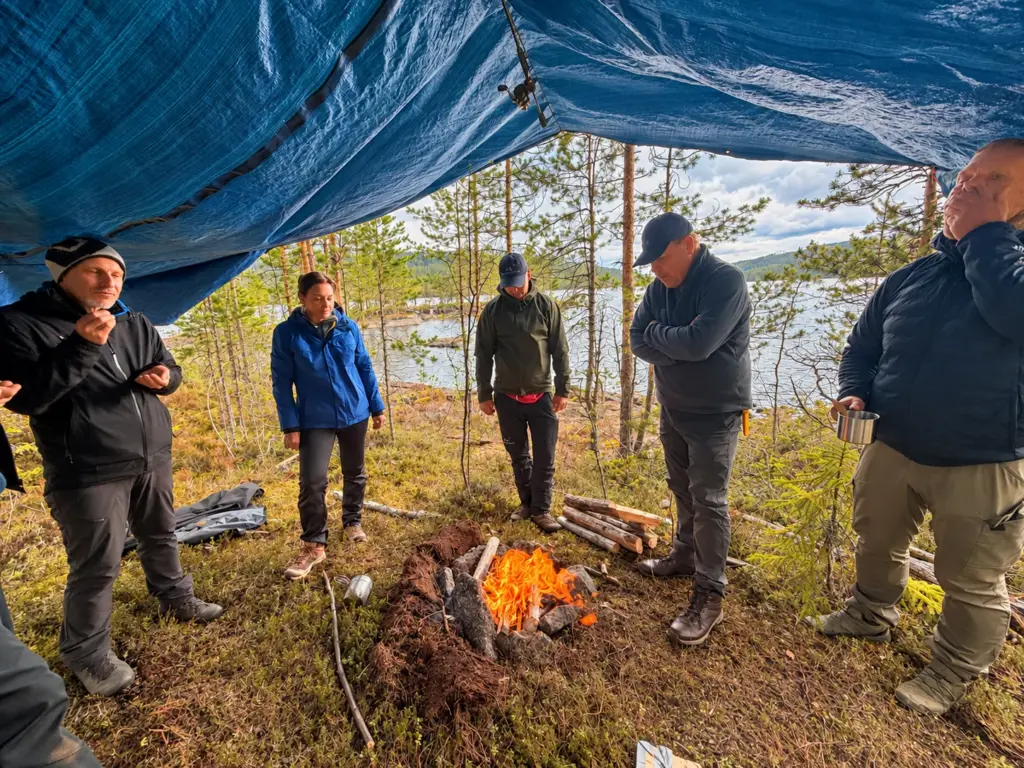
These suit people who want competence, perhaps with an eye on teaching, and don’t mind a working classroom rather than a postcard. Some run for up to 28 days in the field. Read the syllabus day by day, and ask whether any certificate at the end is actually recognised by anyone.
What Is a Castaway or Desert Island Survival Holiday?
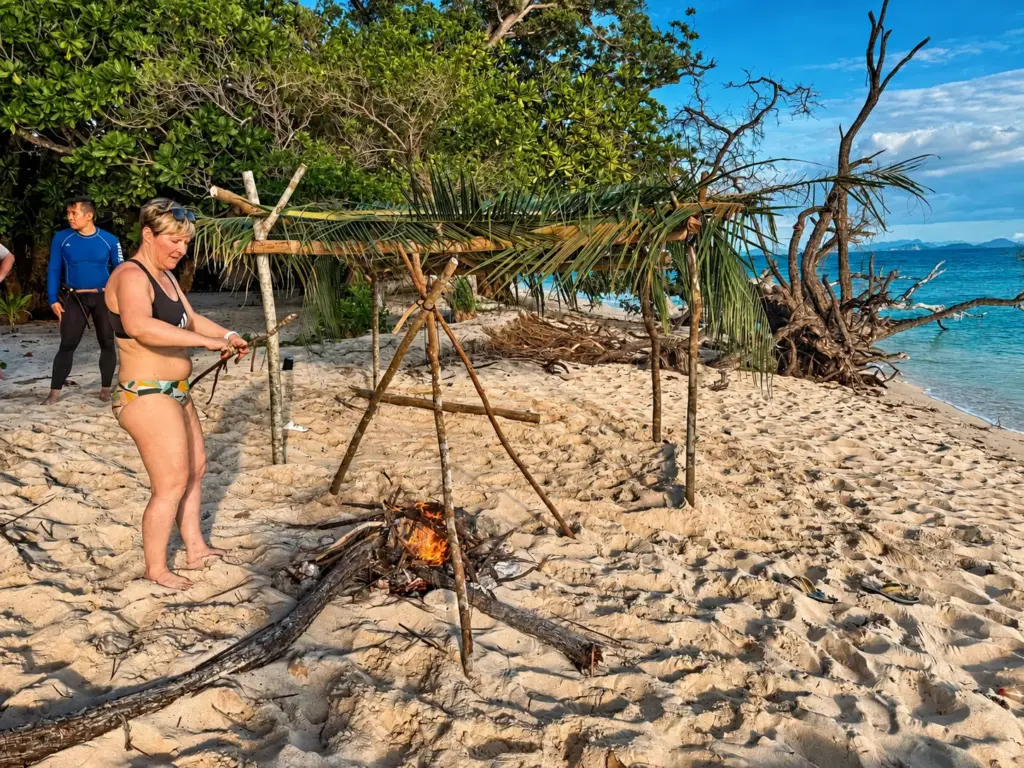
A castaway holiday puts you on a remote tropical island to find your own water, food and shelter. There are two versions: a self-guided drop-off, where a boat leaves you alone with basic kit and a way to call for help, and an instructor-led trip, where you’re taught first and then survive as a group.
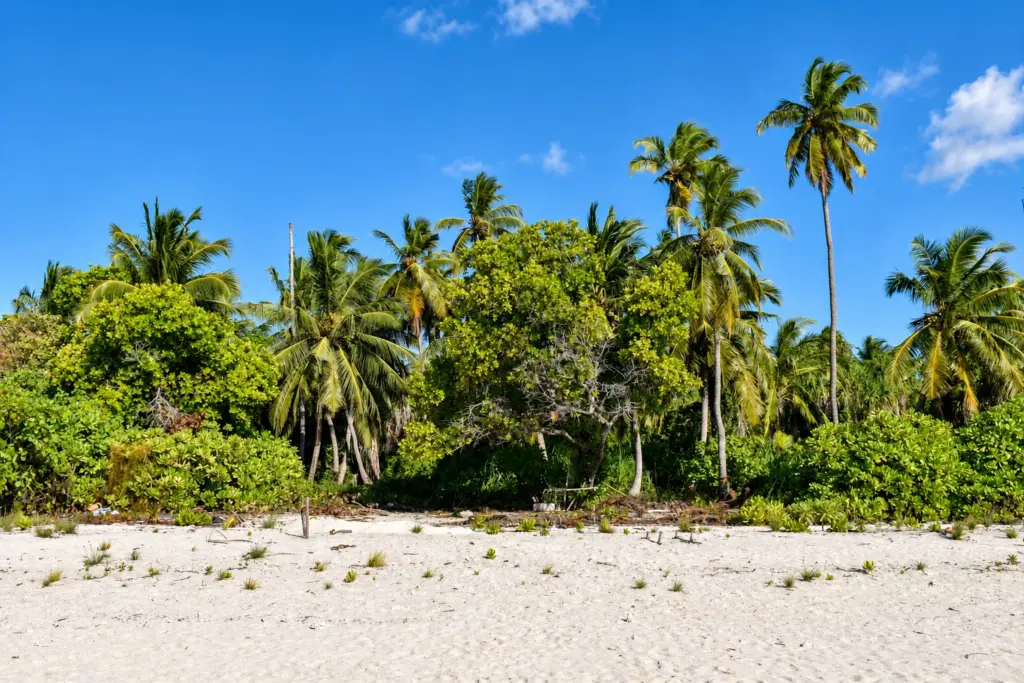
The drop-off suits confident people who genuinely want solitude. The instructor-led version suits beginners who want to learn properly and still feel tested. Both tend to run one to two weeks. Ask how far the island is from help, how you’d raise the alarm, and how much fresh water is there if the rain doesn’t cooperate.
What Is a Jungle Survival Holiday?
A jungle survival holiday teaches you to live in tropical rainforest: building raised shelters, purifying water, lighting fire in constant damp, and finding food among thousands of plants you can’t yet name. It can feel harder than an island trip, largely because of the humidity, the insects and the sheer density of the forest.
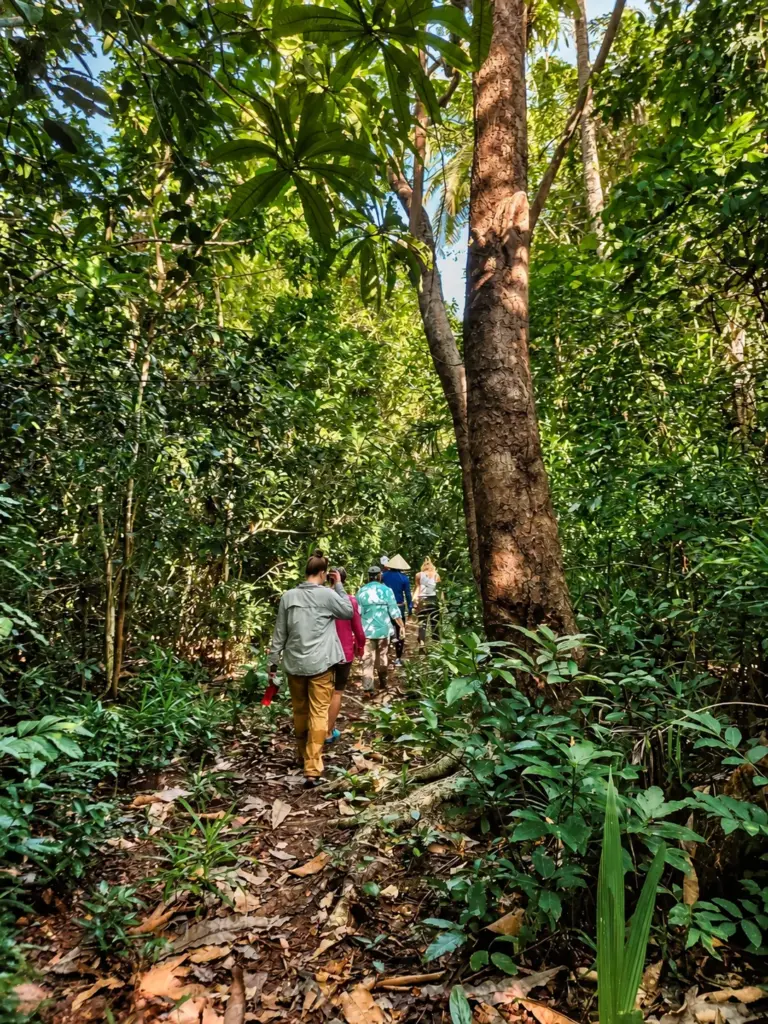
It suits fit people who don’t mind being permanently a bit wet. Lengths run from an overnight taster to around 15 days. Ask whether local guides are involved, how long an evacuation by boat or road really takes, and which vaccinations and malaria precautions you’ll need.
What Is a Desert Survival Holiday?
A desert survival holiday teaches you to handle heat, find and ration water, navigate open ground, and shelter from the sun by day and the cold at night. Some are pure skills courses. Others are longer journeys through remote country that mix bushcraft with time among nomadic or semi-nomadic communities.
It suits people who love open space and long walks. Lengths run from a few days to around ten in the desert itself. Check the season, since one trip I read about warns of daytime heat above 50°C, and ask how much water you carry yourself.
What Is a Cold-Climate or Northern Forest Solo Trip?
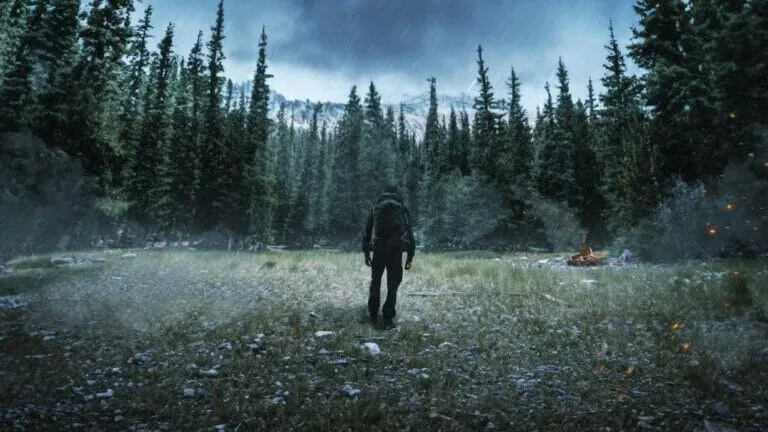
A cold-climate survival trip takes place in northern forest or Arctic country, often in Scandinavia or Finland, and often ends with time on your own. You’re trained first, then left at your own spot to look after yourself for a few days. If you’ve watched Alone and wondered how you’d cope, it’s the closest thing.
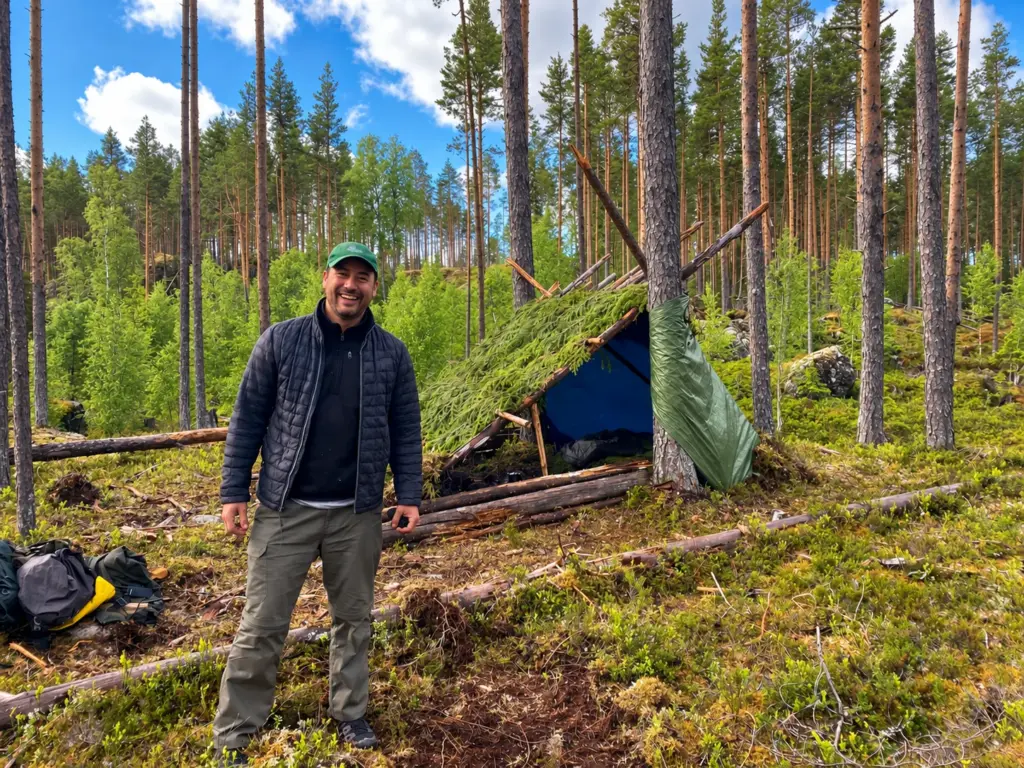
It suits people who want the mental test as much as the physical one. The trips I found ran from four to ten days, some in deep winter, some in late summer. Ask what kit you’re allowed on the solo, how often someone checks on you, and how you’d signal that you want out.
What Is a Cultural Survival Trip with an Indigenous Community?
A cultural survival trip means learning bushcraft from people who still live by those skills, such as hunter-gatherer communities in East Africa or San trackers in southern Africa. The emphasis is on living alongside a community and learning their way of doing things, rather than proving you can survive on your own.
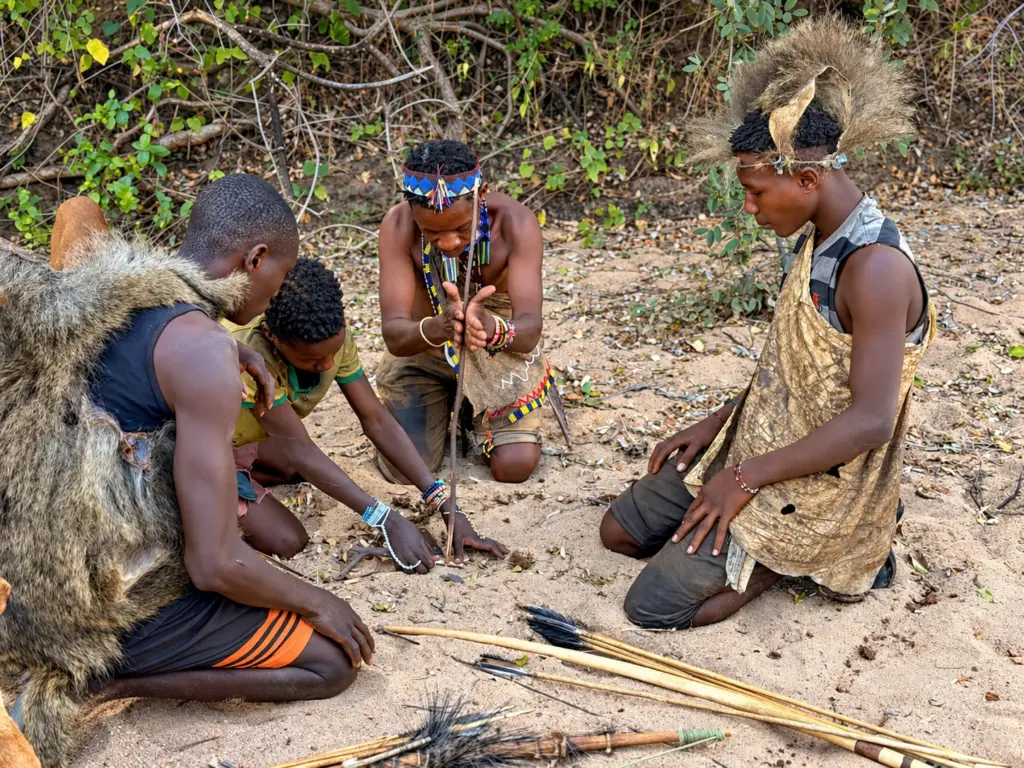
It suits travellers more interested in people than hardship. Lengths run from about eight to fifteen days. Ask how the community is involved and paid, and be ready for hunting to be part of daily life, which some guests find confronting.
What Is a Private or Group-Exclusive Survival Expedition?
A private survival expedition is a trip run only for your group, whether that’s friends, family, a milestone birthday or a company team. You get the same skills and challenge as a scheduled departure, but you choose the dates and the people, and sometimes the length and the shape of the days too.
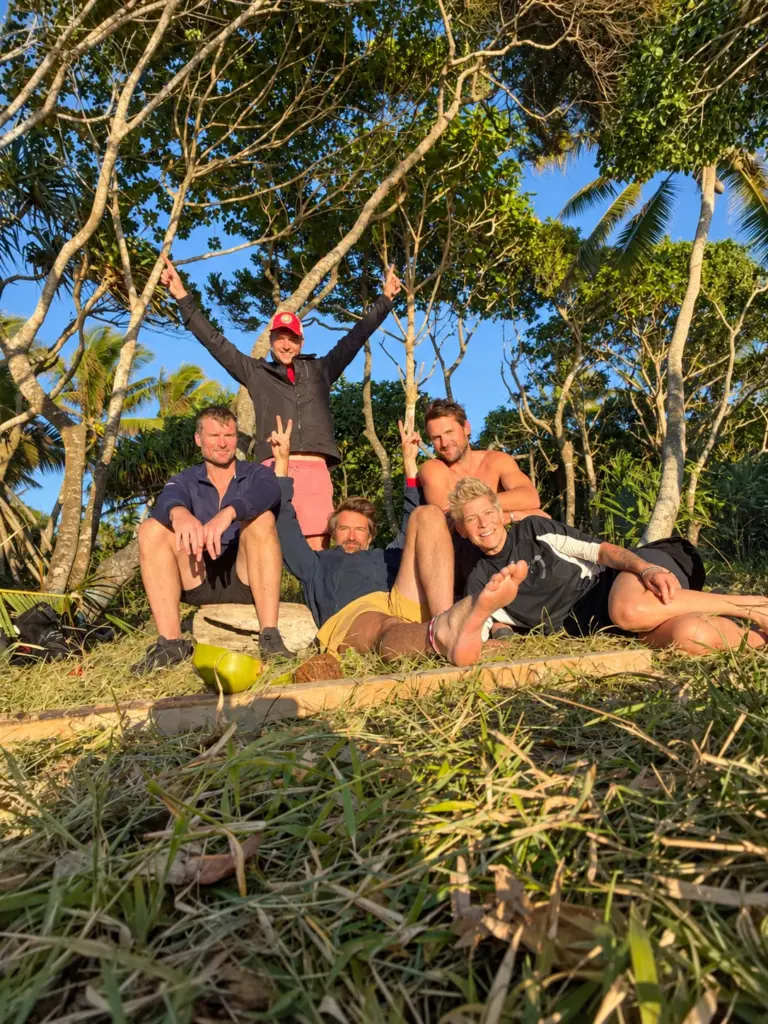
It suits groups who want to share something harder than a long lunch. On the private trips I know, the price per head drops as the group grows. Check the minimum group size and whether the site is genuinely exclusive to you. Ours are on our private group adventures page.
Which Survival Holiday Should I Choose?
Choose by answering three questions. How much time and budget have you got? Do you mainly want to learn skills, or use them somewhere properly wild? And do you want to share it with a group or face it alone? Honest answers to those narrow eight types down to one or two very quickly.
A weekend and a modest budget points to a UK course. Deep skill, a bushcraft school. A remote adventure as a beginner, an instructor-led castaway, jungle or desert trip. Solitude, a cold-climate solo. People, a cultural trip. I honestly don’t think there’s a single best survival holiday, only the right one for where you are now. For choosing between our own trips, there’s a separate guide on how to choose a survival expedition.
What Should You Ask a Survival Holiday Operator Before Booking?
Ask six things before you pay a deposit: who the instructors are and what they’re qualified in, the evacuation plan and distance to help, the group size, what’s provided, what happens if you want to stop, and what insurance you need. A good operator will answer all six plainly and quickly.
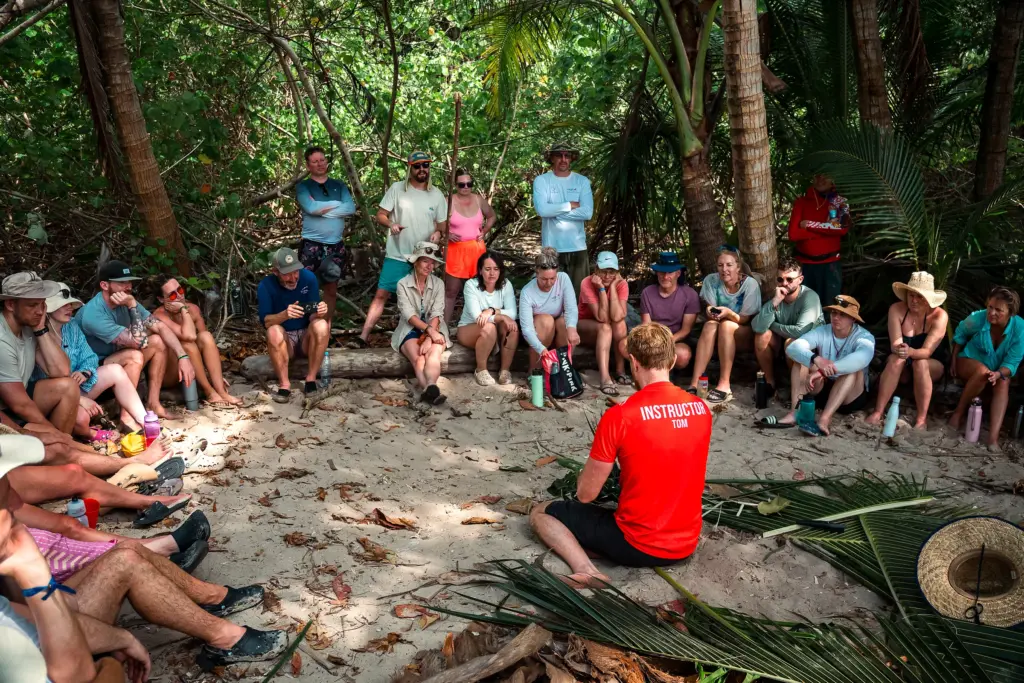
- Instructor qualifications. Wilderness first aid is a sensible minimum.
- The evacuation plan and distance to help. Ask for a time, not just a distance.
- Group size, and guests per instructor.
- What’s provided: water, food during training, tools.
- What happens if you want to stop, and who pays to get you out.
- Insurance. Check your policy covers remote areas and what the operator covers.
If the answers are vague, that’s an answer too. Ours are on our risks and dangers page, including the fact that we’ve had two evacuations across all our expeditions: one for a deep cut and one for a fish hook.
Where Does Desert Island Survival Fit?
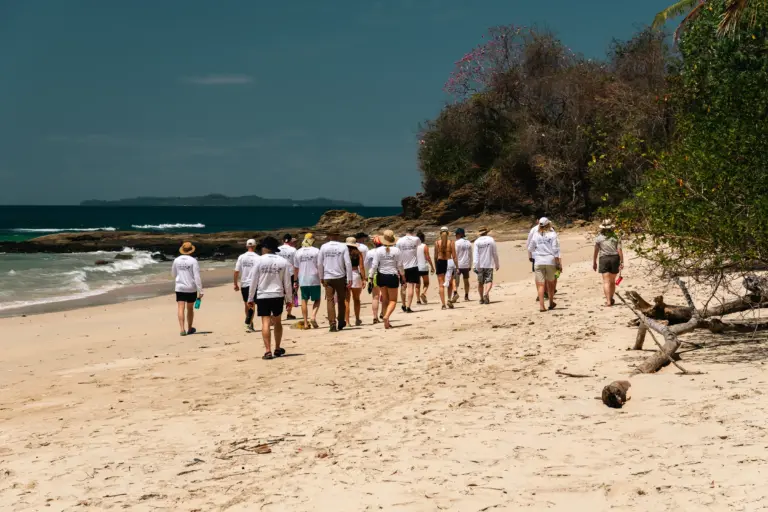
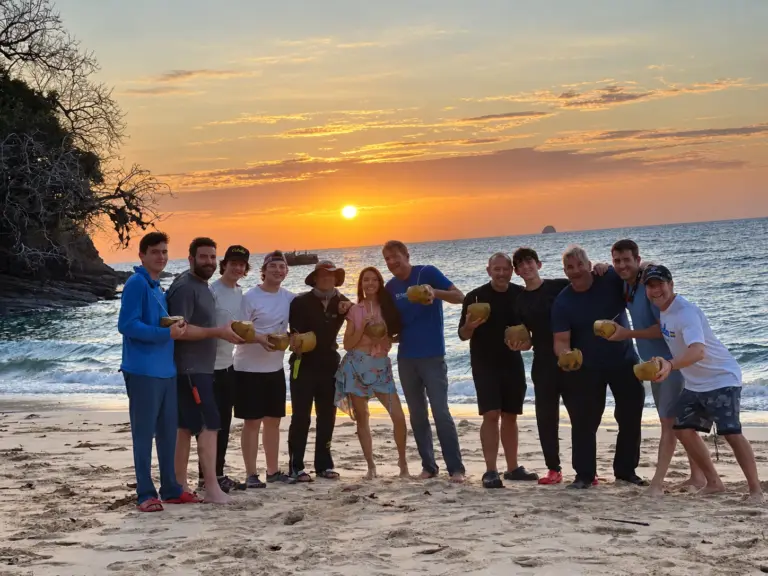
Desert Island Survival runs instructor-led survival expeditions of 10 to 12 days in seven destinations: Panama, the Philippines, the Maldives, Tonga, Botswana, Tanzania and Sweden. Every trip follows the same arc of learn, challenge, celebrate, with small groups, no experience needed, and safety that’s there but deliberately kept out of sight.
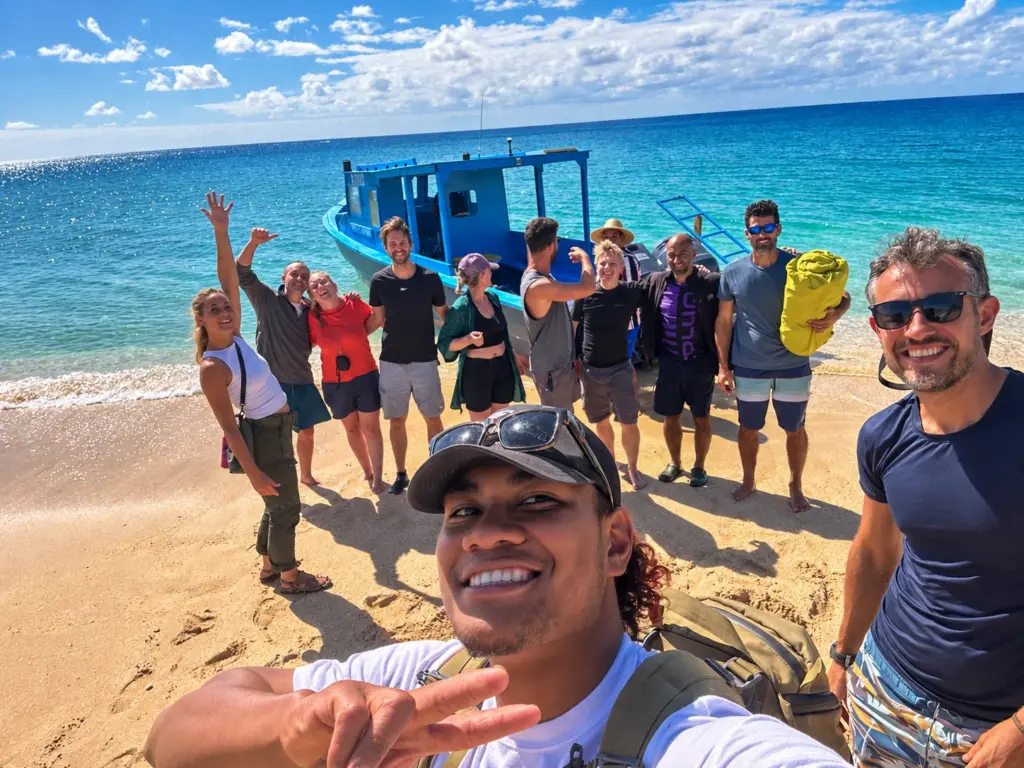
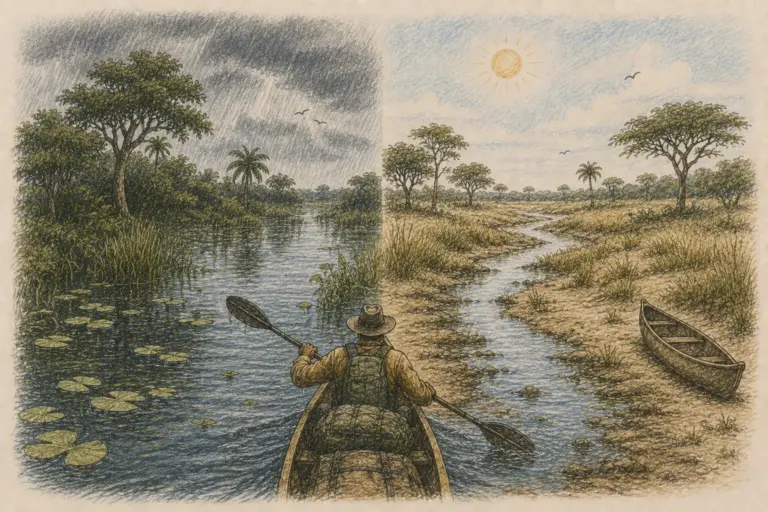
We sit mostly in the instructor-led castaway row, with a foot in three others. Sweden is our cold-climate solo trip, Tanzania means living alongside the Hadza, and Botswana is a kayak and bushcraft safari in the Okavango Delta.
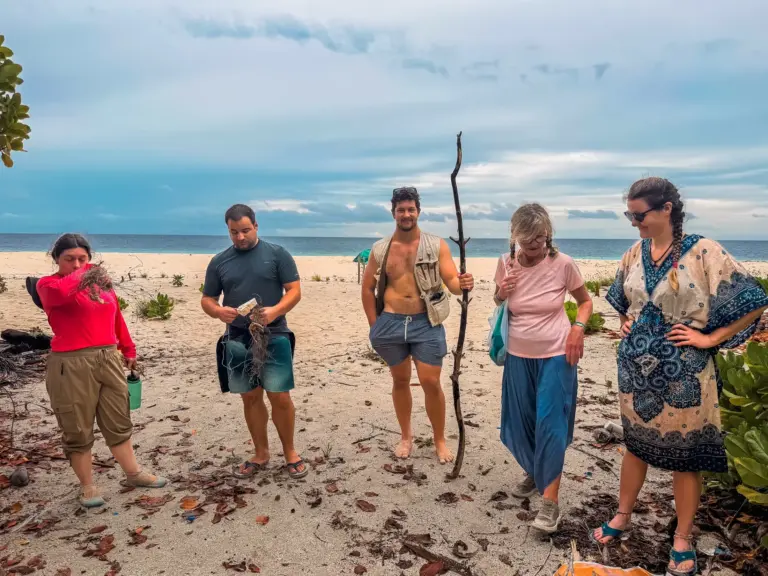
A typical expedition is around five days of training, about three days of genuine survival, then a proper celebration. By then you’ve found water, made fire and got through the night, and you know you can. Groups are small: 12 guests on most trips, 10 on Tonga, Sweden and Botswana, and 16 in the Philippines. The survival phase is done as a group, but Panama, the Maldives and Tonga each have a solo track with two places per departure, and in Sweden every guest does a three-day solo at their own lakeside spot.
You don’t need any experience to join. Most of our guests are between their mid thirties and mid fifties, and we’ve welcomed castaways from 16 to 78. Instructors are wilderness first aid trained, there’s 24/7 access to a remote doctor, and flights and travel insurance aren’t included. Prices currently start from £2,650. The practical detail is in our FAQ.
I won Channel 4’s Alone UK, and I’ve spent years hunting for islands in what I call the Goldilocks zone: close enough to help, far enough that you can’t see a single light at night.
Who Isn’t Desert Island Survival Right For?
We’re not the right choice if you want a cheap weekend, a formal qualification, total solitude from start to finish, or a trip where nobody’s keeping an eye on you. For those, a UK course, a bushcraft school or a self-guided drop-off will suit you better, and I’d rather you booked the right thing.
Which of the eight sounds most like you right now, and which one scares you slightly more than it should?
Frequently Asked Questions
The short version: you don’t need experience, you do need reasonable fitness, and the right trip depends on your time, budget and appetite for solitude. The questions below cover the practical points that come up most often, each answered briefly so it makes sense on its own.
A trip where you’re taught wilderness skills such as fire, shelter, water and food, then use them for real. They range from a UK woodland weekend to expeditions of 10 days or more on islands, in jungle, desert or northern forest.
Usually not. UK courses and instructor-led expeditions are designed for beginners. Self-guided drop-offs and advanced jungle courses are different, so check the stated level.
It depends on the type. For Desert Island Survival, generally active is enough: walking 5 to 10 kilometres a day, swimming and carrying a small pack.
They carry real risk, which a good operator manages openly. Ask about first aid training, the evacuation plan and the time to medical help. Desert Island Survival has had two evacuations across all its expeditions.
Yes. Plenty of guests book alone and join a group, and some trips add a genuine solo phase.
Expeditions abroad cost several thousand pounds before flights. Ours start from £2,650.
A UK weekend is the gentlest test. For a first trip abroad, an instructor-led expedition makes sense because you’re taught before you’re tested. Of ours, the Philippines is the gentlest island.
About the author. Tom Williams, founder of Desert Island Survival and winner of Channel 4’s Alone UK. Tom has spent ten years teaching wilderness survival and walked to the North Pole in 2010. More about Tom and the team.