
The Maldives Beyond Honeymoons: What Happens When You Trade the Resort for a Desert Island
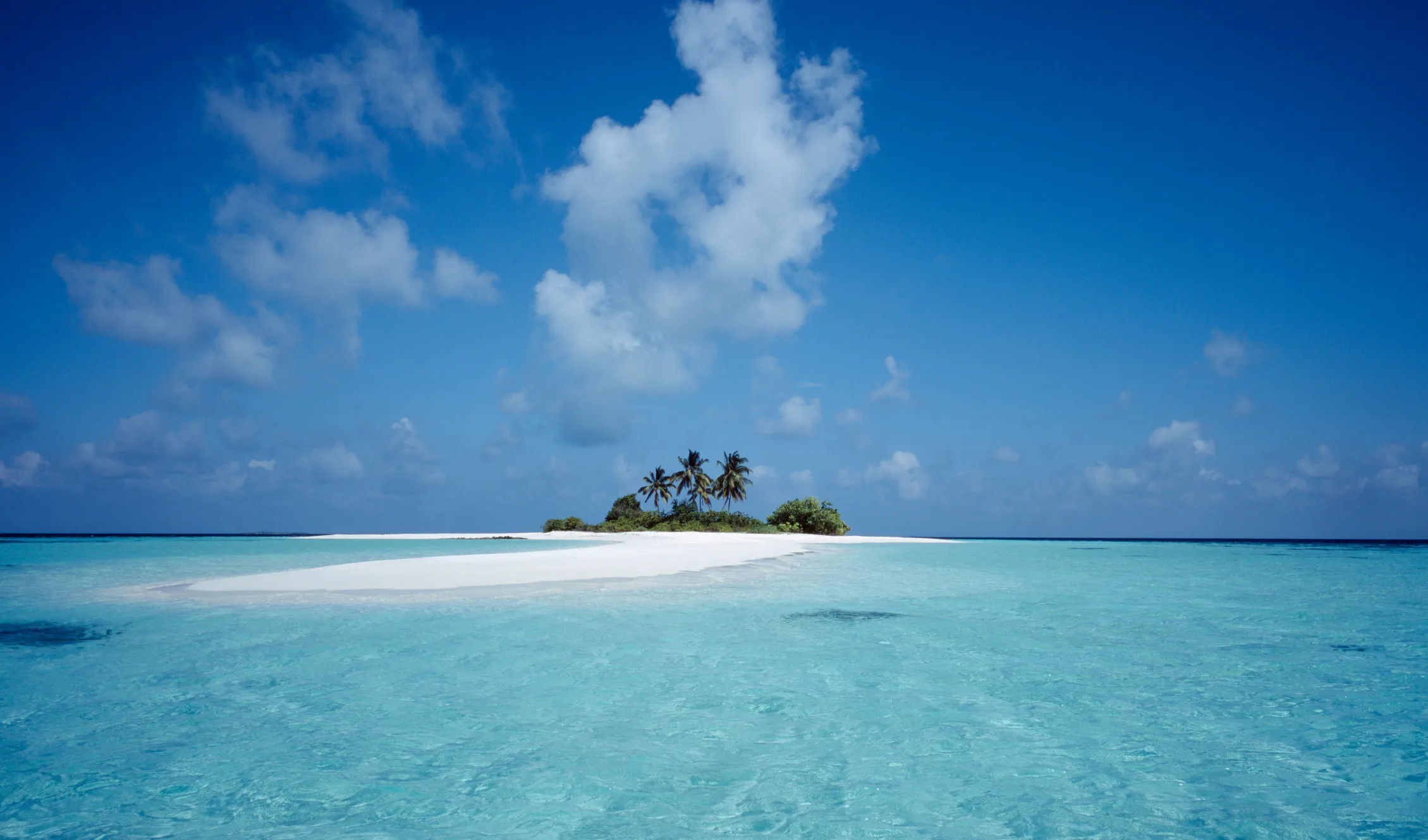
I remember the moment I realised the Maldives was a survival destination and not just a honeymoon backdrop. We’d been scouting uninhabited islands for two days, motoring between atolls in a small boat, and we pulled up to an island that wasn’t on our shortlist. It wasn’t even on the map properly. White sand, coconut palms, a reef system that was so alive the water seemed to hum with colour. Our team was the first tourists to set foot there in eight months. We swam straight off the beach and a manta ray the size of a dining table glided underneath us, close enough to touch.
I turned to our local guide and said something along the lines of: why doesn’t anyone know this exists?
He shrugged. The Maldives has 1,200 islands. Only about 200 are inhabited. The rest are just there, doing their thing, ignored by the resort industry because they don’t have the infrastructure for infinity pools and swim-up bars. Which, from my perspective, makes them perfect.
What Does the Maldives Look Like Beyond the Resorts?
The Maldives you see on Instagram is a curated version of about 1% of the actual country. The overwater villas, the turquoise lagoons, the sunset cocktails. All real. All beautiful. And all concentrated on a handful of resort islands that bear almost no resemblance to the other thousand-plus islands sitting empty across the atolls.
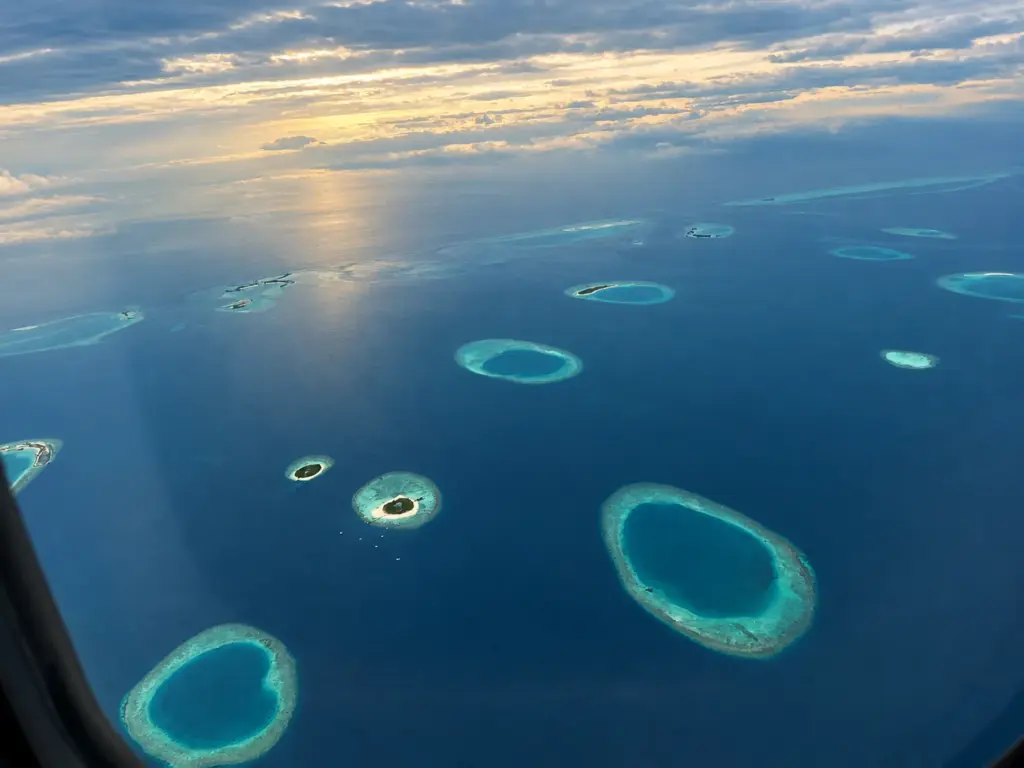
The wild Maldives is something else entirely. Uninhabited islands fringed with healthy coral, surrounded by water so clear it feels like floating in midair. Manta rays, reef sharks, spinner dolphins, seasonal whale sharks. The marine biodiversity is staggering, and because the uninhabited islands get almost no human traffic, the ecosystems are in remarkably good shape. That’s what drew us to build a survival expedition here.
How Does Survival Training Work on an Atoll?
An atoll environment presents a specific set of survival challenges that are different from, say, a jungle island in the Philippines or a forested coast in Panama. The islands are low-lying, flat, and exposed. There’s very little natural shelter from the sun or wind. Fresh water is scarce. And the primary food source is the ocean.
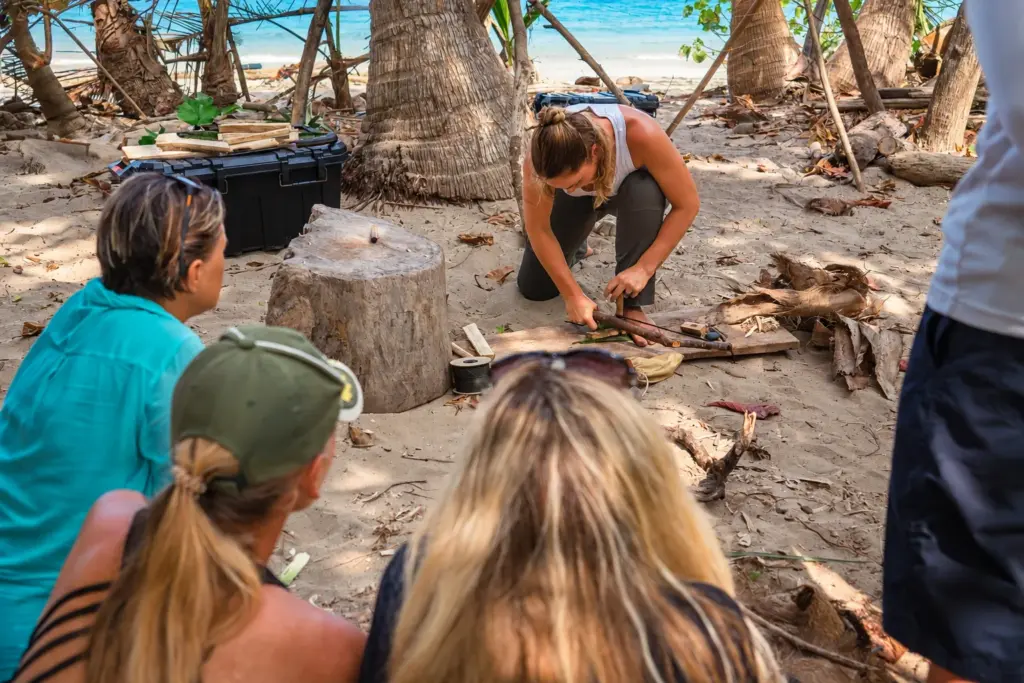
That means the survival skills we teach on the Maldives trip skew heavily toward marine-based techniques. Spearfishing. Line fishing from the reef edge. Reading tides and currents. Identifying edible coastal plants. Building shelters that handle wind exposure on a flat island rather than rain in a canopy. It’s a genuinely different skillset from our other expeditions, and for guests who’ve done a previous island trip, the contrast is fascinating.
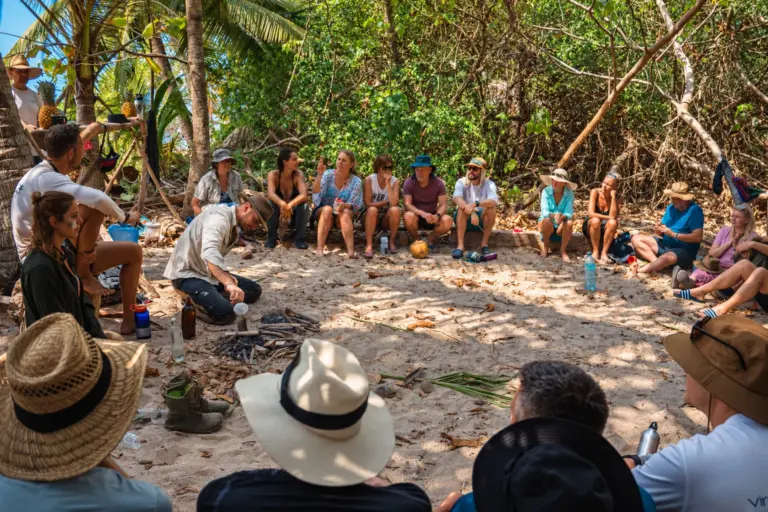
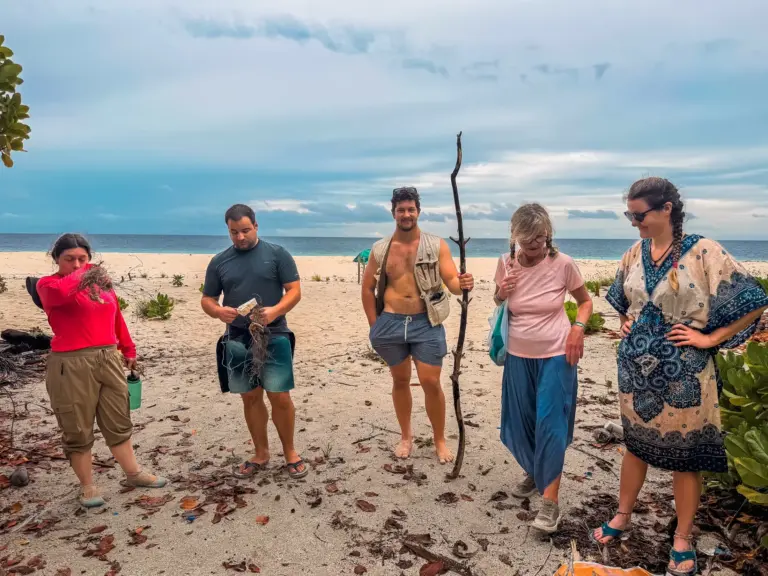
The training phase runs for five days. You’re learning alongside local Maldivian guides who’ve grown up on these waters and know the reefs the way a London cabbie knows the streets. Their knowledge is generational, and it shows. They’ll spot a fish species you didn’t even know was there and tell you exactly how to catch it.
The Survival Phase: Two Islands, One Expedition
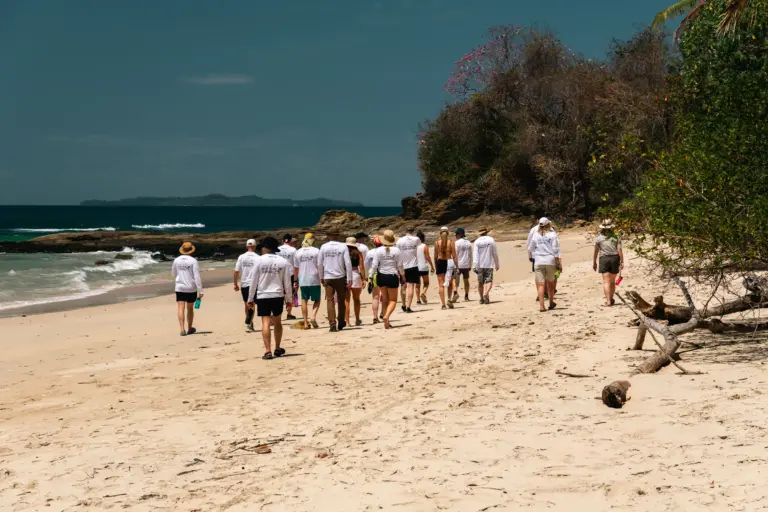
The Maldives expedition uses a dual-island format. The first island is your training base. You spend five days there learning, practising, and building confidence. You sleep in hammocks, cook what you catch, and start to settle into the rhythm of island life.
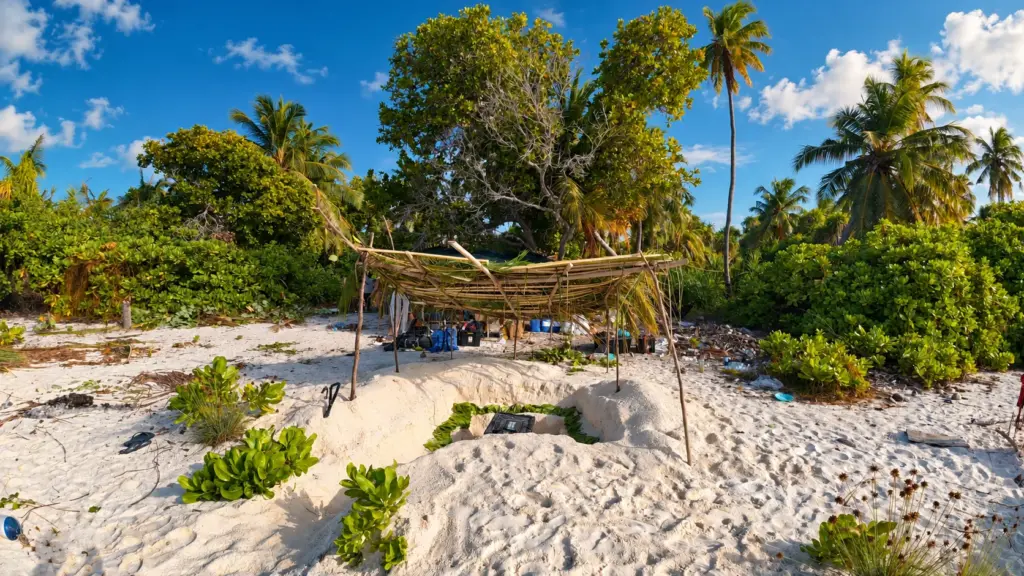
Then you move to the second island. This one is completely uninhabited, genuinely wild, and yours for the survival phase. You arrive with a machete, a knife, fishing gear, and a satellite phone. No prepared food. No structured support. Just the skills you’ve learned, the team you’ve bonded with, and an island that doesn’t care about your day job.
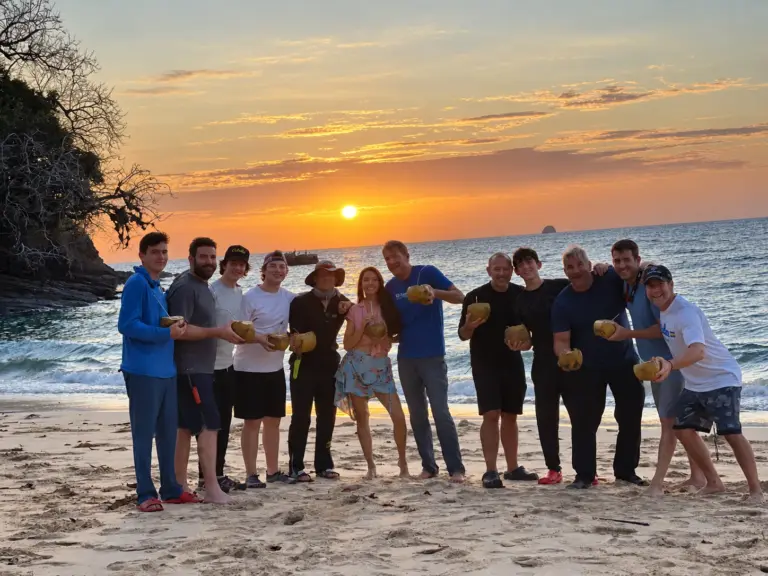
The shift between the two phases is where the real magic happens. The training feels manageable because there’s a safety net. The survival phase strips that away, and suddenly the fire you couldn’t be bothered to practise properly becomes the most important thing in your world.
The Marine Life (This Is the Part That’s Hard to Describe)
I’ve been lucky enough to see some extraordinary marine environments. Pristine reefs in Tonga. Healthy coral systems in Palawan. But the Maldives is in a category of its own.
Manta rays are the headline. They’re enormous, graceful, and completely indifferent to your existence. You can be in the water with them for twenty minutes and they’ll cruise past you like you’re a particularly boring piece of seaweed. It’s humbling in the best way. Reef sharks patrol the channels between islands. Spinner dolphins show up in pods of fifty or more, leaping and spinning in the early morning light. And if you time your trip right, whale sharks pass through the atolls on their migration route. These are the largest fish on Earth, and watching one glide past you underwater is one of those experiences that recalibrates your sense of scale.
For anyone interested in marine ecology, which I am, almost embarrassingly so, the Maldives is one of the richest classrooms on the planet.
The April 2026 Expedition
Our Maldives expedition runs in April 2026. Eleven days. Maximum twelve guests. The format is five days of hands-on training on the first island, followed by the survival phase on the second island, and one final night in a 5* hotel.
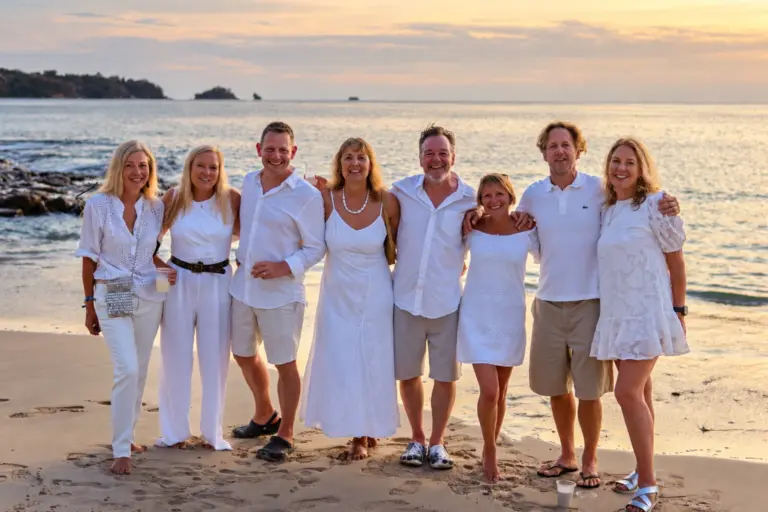
That last night is worth mentioning. After a week of sleeping on the ground, cooking over a fire, and washing in the sea, you transfer to an all-inclusive resort for a single night. A proper bed. A hot shower. A meal that someone else cooked. It sounds simple, but after what you’ve just been through, it feels like the most luxurious thing that’s ever happened to you. Several guests have told me it was the best meal of their lives, which tells you something about what the island does to your baseline.
The trip is priced at £3,990 per person. That includes the training, the survival phase, the resort night, local guides, all transfers, and the marine encounters. Flights to the Maldives are separate.
Why This Island Was So Hard to Find
I say this about all our locations, but it’s especially true in the Maldives: finding the right island took months. We scouted nine islands before settling on the two we use. The criteria are non-negotiable.
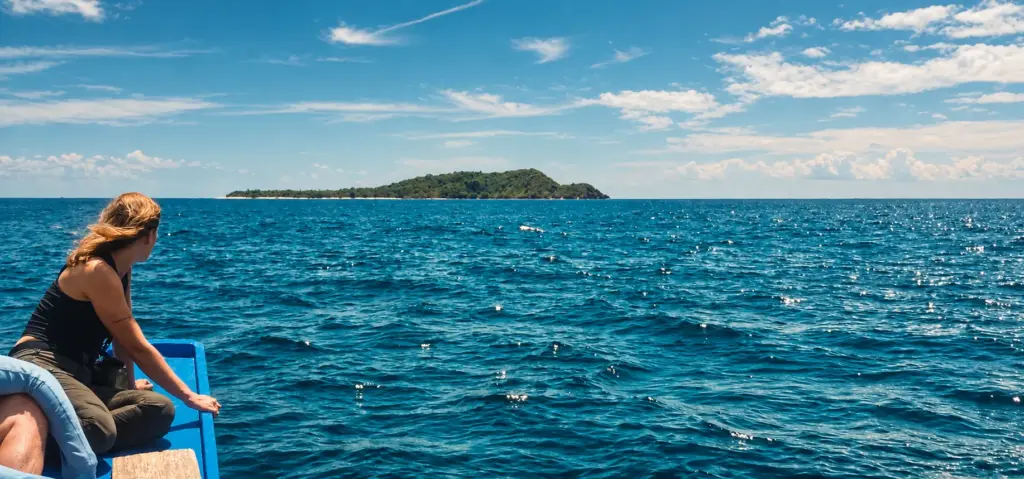
The island has to be beautiful. It has to be remote enough that you can’t see other human activity from the beach. It has to be resource-rich: coconuts, fish, drinkable water, materials for shelter. It has to be free from major threats. And it has to be accessible enough for emergency evacuation. In the Maldives, that means within one hour of medical facilities by boat.
That combination narrows the field dramatically. Out of over a thousand uninhabited islands, we found two that met every criterion. That’s the Goldilocks zone at work, and it’s the reason our trips feel the way they do. Read more about how we choose locations.
Who Is This Trip For?
If you’ve always thought of the Maldives as a honeymoon destination and nothing more, this trip exists to change your mind. It’s for anyone who wants to experience the Maldives that the resort industry doesn’t show you. The wild parts. The empty parts. The parts where the marine life is so abundant it feels unreal.
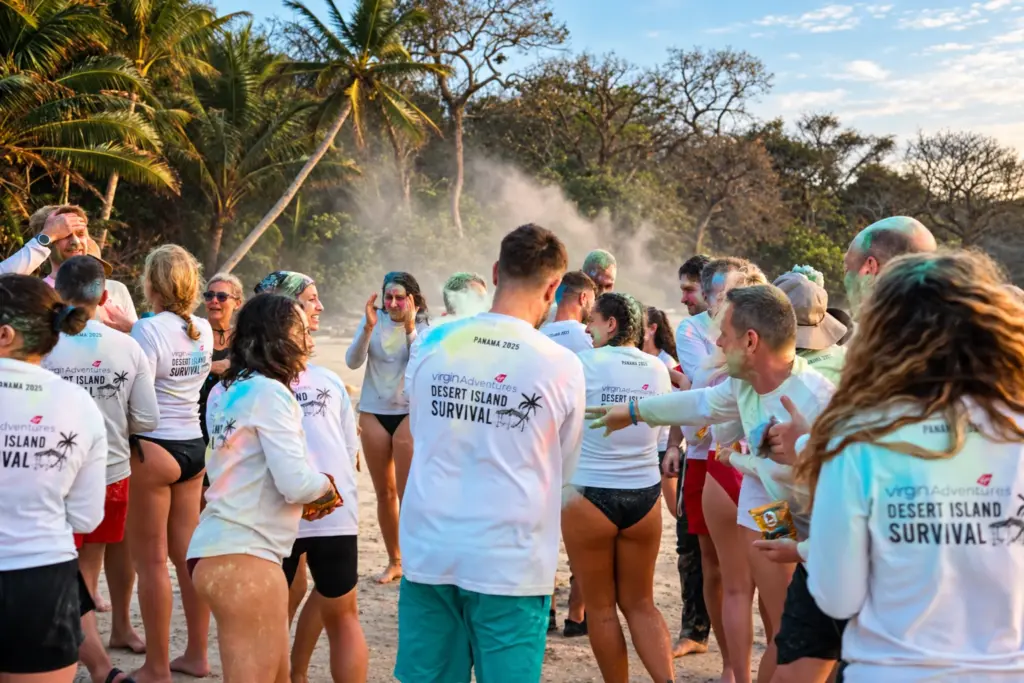
It’s also for people who’ve done our other expeditions and want a different kind of challenge. The atoll environment is unique in our portfolio, and the marine element adds a dimension that our other trips don’t have. If you’ve done the Philippines or Panama and you want to push further, this is the trip.
You don’t need to be a diver. You don’t need to be an experienced swimmer beyond basic competence. You just need to be ready to spend a week on a desert island learning skills that most people will never have, in a place that most people will never see.
See the Maldives Nobody Else Sees
The April 2026 expedition has twelve spots. Explore the full trip details or take the island quiz to see if this is the right expedition for you.
What would you do with a desert island that the rest of the world doesn’t know about?
Frequently Asked Questions
The next expedition runs in April 2026. The Maldives dry season (November to April) is the ideal window for this trip, with calm seas, clear visibility, and comfortable temperatures.
Maximum twelve guests. We keep groups small because the experience depends on it. With twelve people, everyone gets hands-on instruction time, everyone catches their own food, and everyone has enough space on the island to find solitude when they want it.
Spearfishing, line fishing, fire-making, shelter construction, water purification, foraging for edible coastal plants, and reading tides and currents. The Maldives trip is marine-focused, so the fishing and water skills get more emphasis than on our other expeditions.
Yes. The final night in the all-inclusive 5* hotel is included in the trip price. It’s a deliberate part of the design. The contrast between a week on a desert island and a night of luxury is something guests talk about for years.
You need to be comfortable in the water and capable of swimming in open sea conditions. You don’t need to be an advanced diver or a competitive swimmer. The marine encounters (manta rays, reef sharks, dolphins) happen while snorkelling, not deep diving.
International flights to the Maldives, travel insurance, and any personal equipment. We provide a detailed packing guide after booking. Most guests fly into Malé and we handle internal transfers from there.