

The Benefits of Corporate Retreats (When They Actually Mean Something)
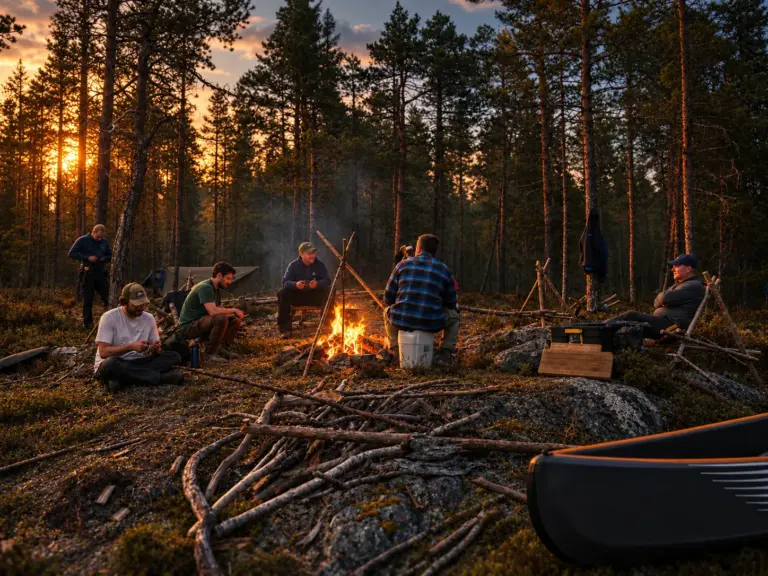
I once watched a finance director from a City firm try to light a fire with a bow drill for the first time. He’d run a department of sixty people. He’d closed deals worth more than I’ll earn in a lifetime. And he couldn’t get a spark. He knelt there for two hours, palms blistered, sweat running down his face, refusing to stop. When the ember finally caught and he blew it into flame, the sound he made was something between a laugh and a sob. His whole team was watching. Nobody said a word. They didn’t need to.
That moment taught that team more about each other than two years of shared office space ever had.
I’ve been running corporate survival retreats for ten years now, and the pattern I see over and over is this: people arrive performing a version of themselves, and they leave having met a version they didn’t know existed. That’s not something a conference room with a whiteboard and a facilitator in a lanyard can deliver.
Why Do Corporate Retreats Usually Fail?
Most corporate retreats fail because they’re built around the wrong premise. They assume that if you take people out of the office and put them somewhere nicer with a few team-building exercises, bonding will happen naturally. It doesn’t. What happens naturally is that people maintain exactly the same dynamics they had back in the office, just in a slightly warmer room with worse coffee.
What Happens When the Stakes Are Real?
The problem isn’t the location. The problem is that nothing is at stake. When the challenge is a quiz or a cooking class or a go-karting afternoon, nobody has to rely on anyone in a way that actually matters. And humans are wired to bond through shared adversity, not shared leisure. That’s not my opinion. That’s a hundred thousand years of evolutionary biology.
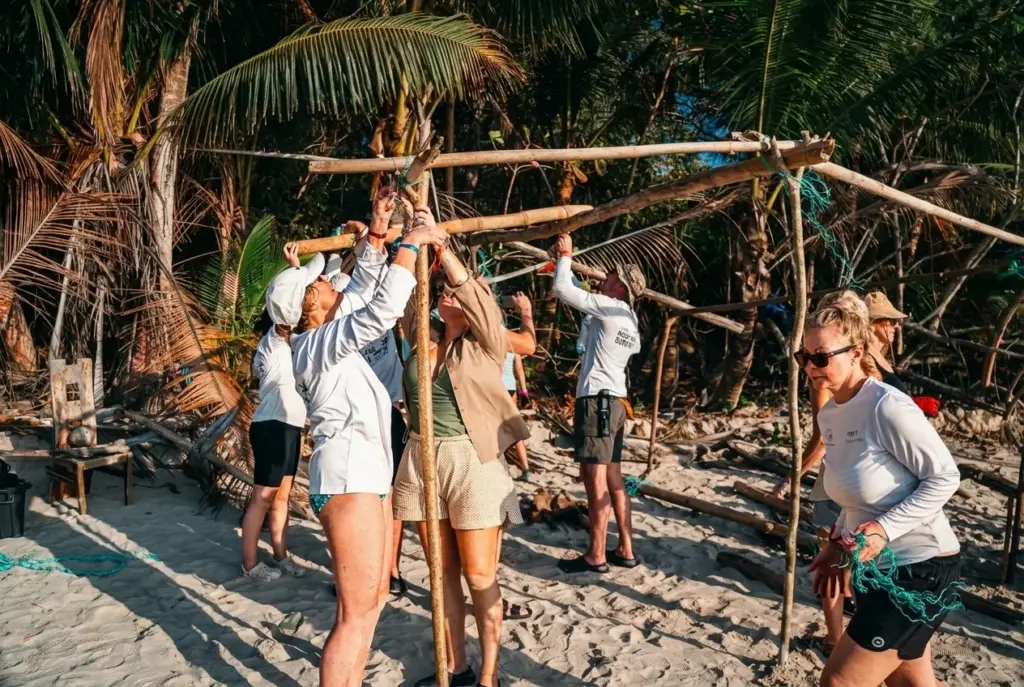
On a Desert Island Survival corporate expedition, the stakes are real in a way that corporate away-days can’t replicate. You’re on an uninhabited island. You’re building your own shelter. You’re purifying your own water. You’re catching and cooking your own food. None of it is simulated. If the shelter leaks, you get wet. If you can’t light a fire, you eat cold. If you don’t work together, everybody suffers.
That’s where the real team dynamics surface. Not in a personality profiling workshop, but when it’s raining and someone needs to keep the fire going while someone else finishes the roof. You find out very quickly who steps up, who communicates clearly under pressure, and who quietly holds everything together when things get hard.
What Do Teams Actually Get Out of It?
Leadership shows up differently
The person who runs the team in the office isn’t always the person who leads on the island. I’ve seen quiet, junior team members become the person everyone turns to when the rain comes in and the fire goes out. And I’ve seen senior leaders discover that their most valuable contribution is listening rather than directing. Those realisations carry back to the workplace in ways that a 360-degree feedback form never touches.
Psychological safety becomes physical
There’s a concept in organisational psychology called psychological safety. It’s the idea that people perform better when they feel safe to take risks, make mistakes, and be vulnerable in front of their team. On an island, psychological safety isn’t abstract. It’s the person next to you helping you learn a new skill without judgement. It’s the group watching someone fail at fire-making for two hours and not stepping in too early. It’s the celebration when they finally get it. That felt sense of safety transfers back to the working environment because the body remembers what the mind forgets.
Shared adversity builds lasting bonds
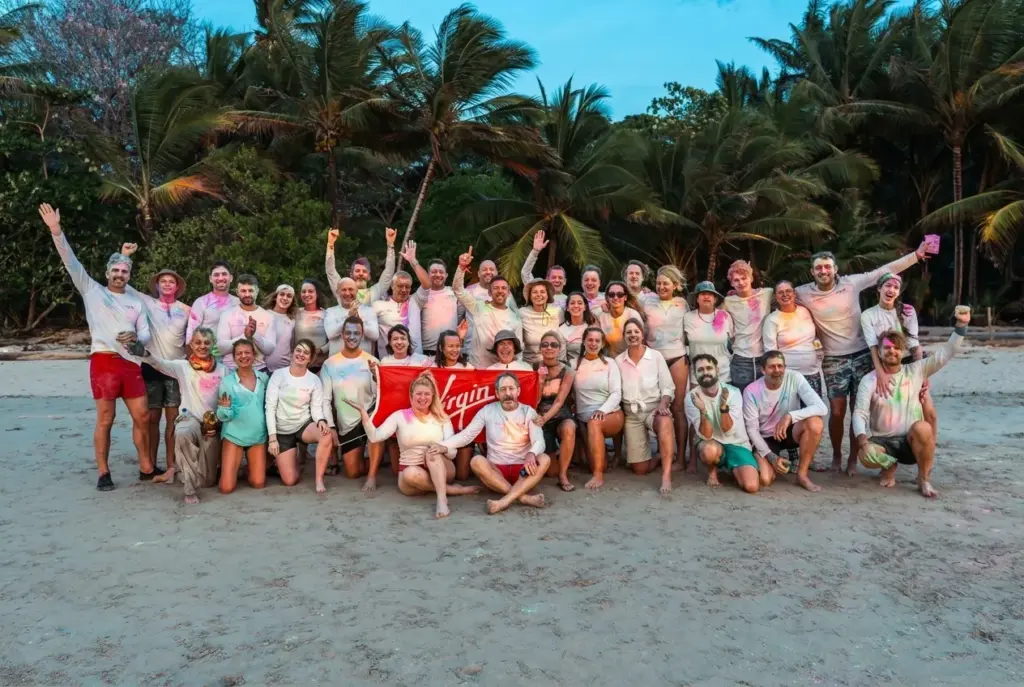
I keep coming back to this phrase because it’s the most consistently true thing I’ve observed in a decade of running these trips. By the end of a week on an island, teams describe themselves as a tight tribe. They defend design decisions about their shelter with a conviction they’ve never brought to anything important at work. They remember the meal they cooked together on night three with more clarity than any team dinner at a restaurant. The shared difficulty is the ingredient that makes the bond stick.
People surprise themselves
Most guests arrive with a fixed idea of what they’re capable of. By day five, that idea has usually been quietly demolished. The person who thought they couldn’t handle discomfort discovers they can sleep on a beach in the rain and feel fine about it. The person who thought they were indispensable discovers the team runs perfectly well when they step back. These aren’t insights you can manufacture. They emerge because the environment demands honesty in a way that office life doesn’t.
How It Works in Practice
We run corporate retreats across multiple destinations, including the Philippines, Panama, Tonga, and the Maldives. Each trip follows a structure we’ve refined over a hundred-plus expeditions: learn first, survive next, celebrate at the end.
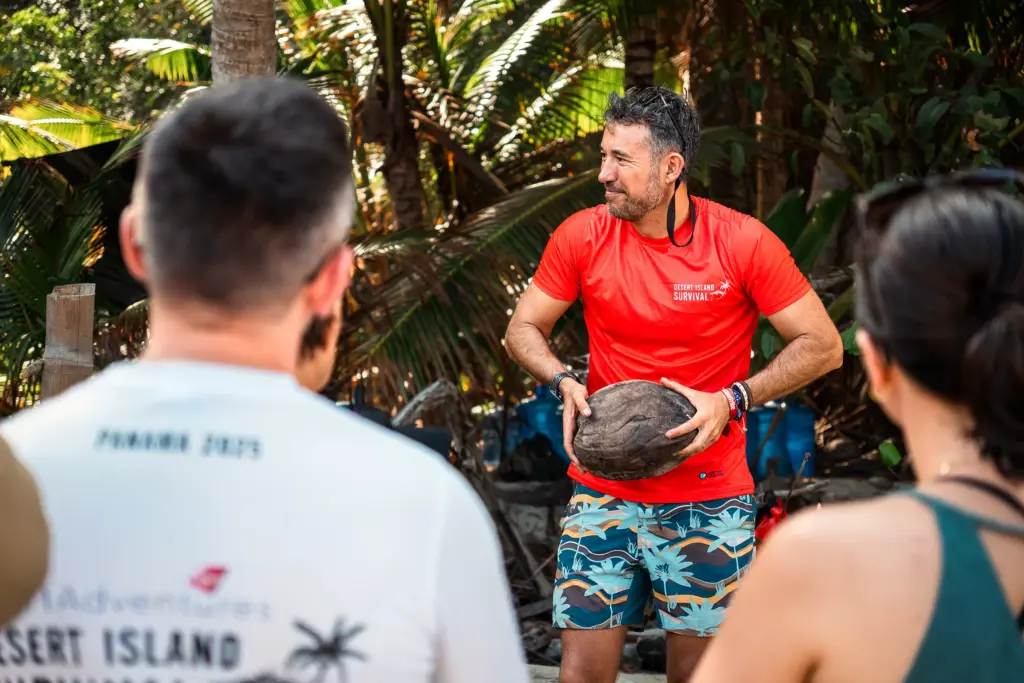
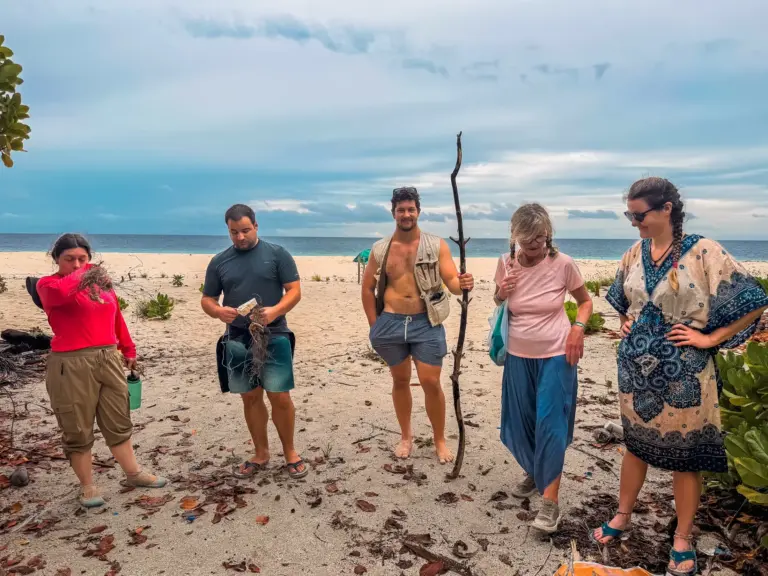
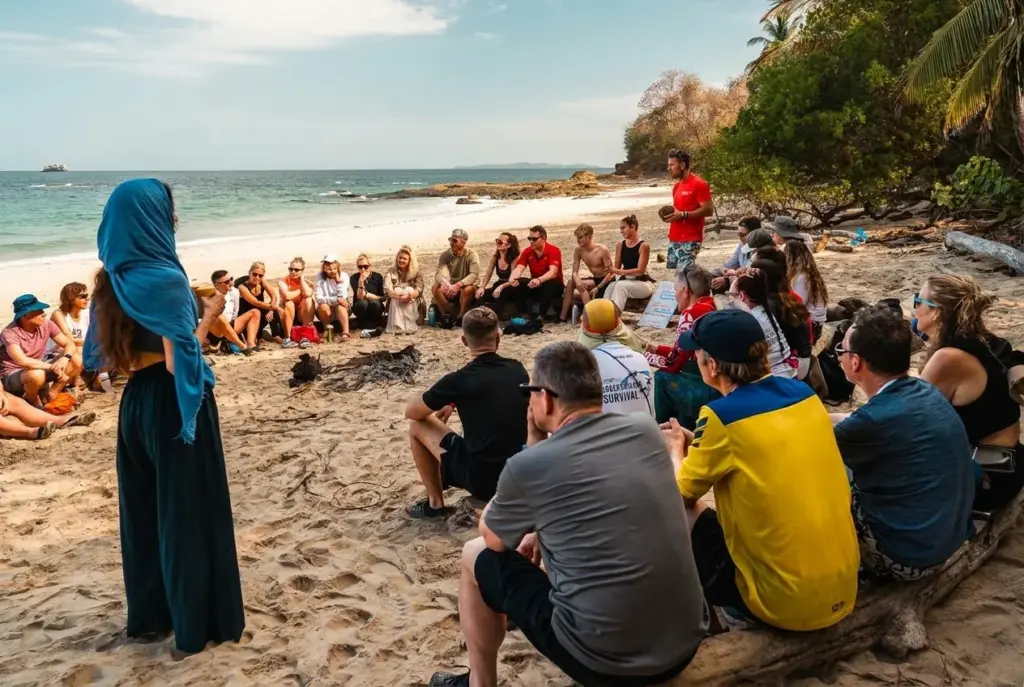
The first phase is hands-on training. Our instructors teach shelter construction, fire-making, water purification, foraging, and fishing. It’s not a lecture. You’re doing it, getting it wrong, and figuring it out with your hands. Then comes the survival phase, where the team puts everything into practice without the safety net of instruction. And then there’s the celebration. Which, after a week of hard graft, feels earned in a way that a champagne reception never will.
Groups are small. We cap most corporate trips at 12 to 15 people because the experience breaks down in larger numbers. The personal attention matters, and so does the intimacy. You can’t hide in a group of nine.
Who Books These Trips?
Our corporate clients tend to be founder-led businesses, tech companies, private equity firms, and leadership teams at organisations that take culture seriously rather than just talking about it. The common thread is people who’ve tried the conventional corporate retreat format and found it lacking. They want something that actually shifts the needle, not something that makes for a nice LinkedIn post.
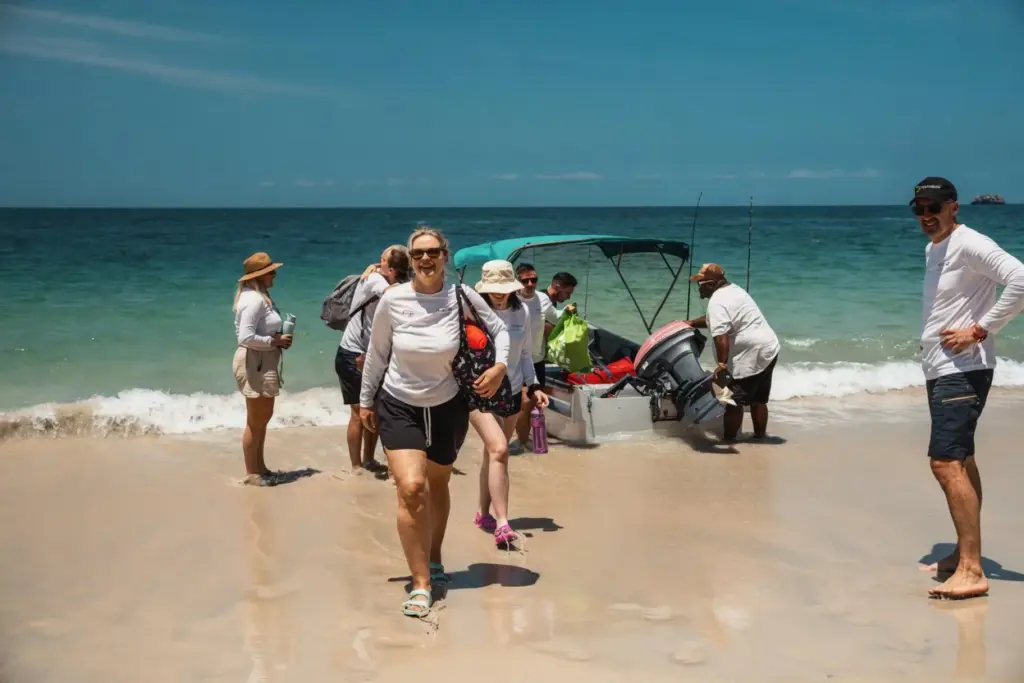
We also run private adventures for groups who want to tailor the experience to specific objectives. Some clients use it as a leadership development programme. Some use it as a reward for high performers. Some use it as a way to reset team dynamics after a difficult period. The island doesn’t care what you call it. It works the same way every time.
Take Your Team Somewhere That Actually Matters
If you’re planning a corporate retreat and you want it to mean something six months from now, not just six days, we should talk. Browse our upcoming adventures or get in touch to discuss a private trip for your team.
What would your team look like after a week where nobody could hide?
Frequently Asked Questions
Most trips run between 5 and 11 days, depending on the destination. This includes travel days, the training phase, the survival phase, and the celebration. We’ve found this is the minimum time needed for real behavioural shifts to happen.
Reasonably fit, yes. But we’re not looking for athletes. The trips are designed so that anyone in decent general health can participate fully. The challenge is as much mental as physical, and we’ve had guests from 15 to 78 thrive on exactly the same expedition.
Safety is built into everything we do, but it’s invisible by design. We have satellite communications, medical kits, evacuation protocols, and experienced instructors on every trip. You’ll feel like you’re genuinely in the wild. You are genuinely in the wild. But we’ve done this over a hundred times and the infrastructure behind the scenes is serious.
We can provide detailed proposals for groups. Contact us to discuss what would work for your team.
Yes. We regularly tailor the experience to fit specific development goals, whether that’s leadership under pressure, team cohesion, communication, or simply giving people a shared experience that’s genuinely meaningful. We’ll work with you to design the right trip.