
Adventure Travel: A Proper Way to See the World
What is adventure travel?
Adventure travel is tourism that takes you beyond sightseeing and into active, hands-on experiences in remote or challenging environments. It means stepping out of your comfort zone, testing yourself against nature, and coming back with something more than photographs.
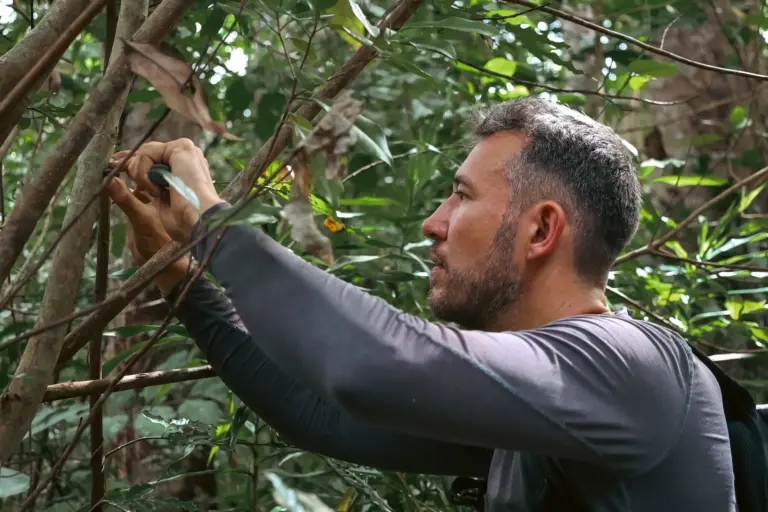
It goes beyond the usual tourist trail. Think exploration, remote destinations, and physically demanding activities. It could be trekking through jungle, paddling a sea kayak between islands, or learning to survive on a beach with nothing but what you find.
Adventure travel is more than tourism. It is a philosophy, a lifestyle, and a way of engaging with the world that changes how you see it.
What Makes Adventure Travel Unique?
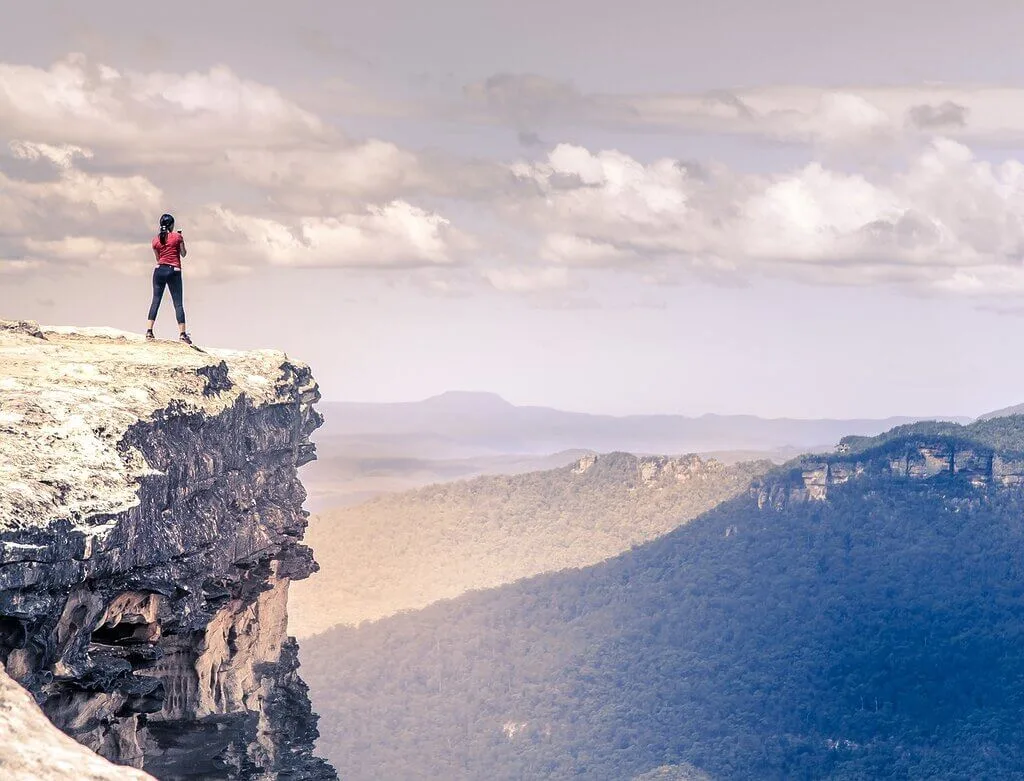
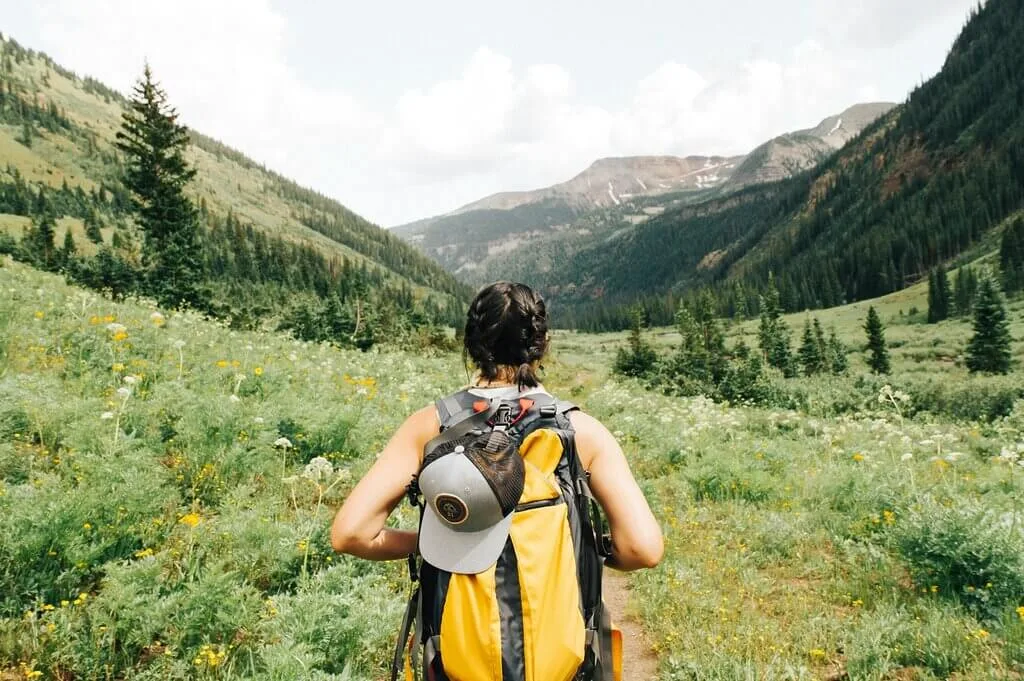
What sets this type of travel apart from your average vacation? Imagine visiting a country renowned for its stunning mountains. Instead of just admiring them from a distance or through the lens of a camera, adventure travel invites you to hike those mountains, breathe in the fresh air, feel the burn in your muscles, and experience the thrill of reaching the summit.
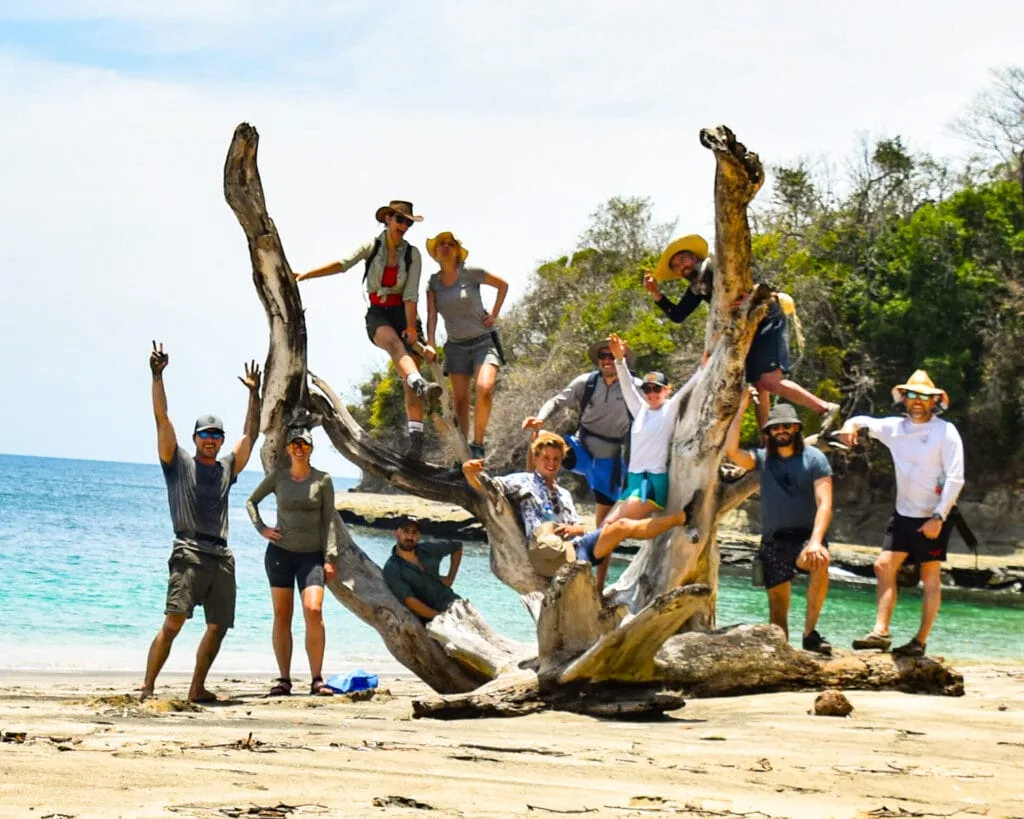
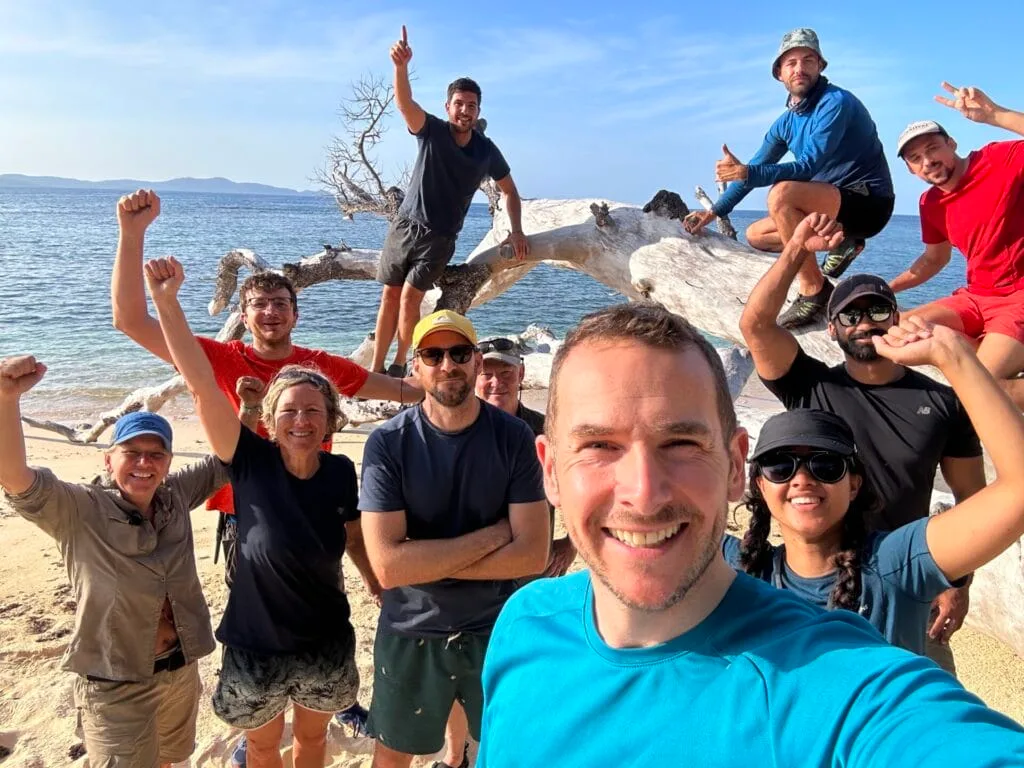
Traveling in a small group allows for a more personalized and specialised experience, offering the opportunity to explore off-the-beaten-path, with customized itineraries and a reduced ecological footprint. Would you know what to take to a desert island?
It’s not about skimming the surface; it is about truly experiencing the destination, connecting with it, not just observing it.
Subcategories of Adventure Travel
It can be broken down into several groups or subcategories, each offering a unique experience:
- Adventure Sports: Located in the air or on terra firma; adventures like skydiving, paragliding, or white-water rafting offer rewarding physical challenges.
- Wildlife Adventure: Engage with nature by tracking lions in Africa or watching whales in Iceland.
- Cultural Adventure: Immerse yourself in local cultures, participating in traditional customs, and understanding different ways of living.
- Eco-Adventure: Discover untouched landscapes while respecting the environment and promoting sustainability.
- Expedition Adventure: Join long, demanding journeys, such as polar expeditions or desert treks.
Guided, Self-Guided, and Independent Travel
When planning your adventure, consider how much support, guidance and company you prefer. This decision can shape your entire experience:
- Guided Tours: These provide a structured itinerary, expert guides, and a ready-made company of fellow travellers, perfect for those who prefer a well-organized tour.
- Self-guided Tours: These adventures offer the structure of a pre-set itinerary but with more freedom to discover at your own pace, a blend of guidance and flexibility.
- Independent Travel: This provides the ultimate flexibility-you make all the decisions, ranging from where to go, what flight, and which hotel to where to stay. It’s ideal for those seeking a truly personalized adventure.
Examples of Adventure Tourism
Adventure travel comes in a variety of intriguing forms. Here are three of our unique adventures and experiences that explore the breadth and depth of this type of travel, this is not your typical camping.
11 Benefits of Adventure Tourism
The Benefits for Beginners and Experienced Travellers Alike
- Physical Health: Active travel naturally enhances your physical fitness. Whether hiking, biking, or snorkelling, adventure tourism demands strength and endurance, offering a full-body workout that contributes to overall health and wellness.
- Mental Wellbeing: Facing challenges and overcoming them during travel nurtures emotional strength and cultivates a healthy mindset. It boosts mental resilience, self-confidence, and problem-solving abilities.
- Cultural Immersion: This form of tourism allows you to actively appreciate diverse traditions and perspectives. Engaging with local customs and tasting exotic foods fosters mutual respect and understanding, making cultural immersion a valuable experience.
- Connection to Nature: Adventure tourism facilitates a closer connection to nature. From witnessing breathtaking natural phenomena to scaling mountain peaks, these experiences inspire environmental consciousness and ignite a passion for conservation.
- New Skills: The opportunity to learn new skills during travel is both broad and exciting. Mastering survival skills, navigation techniques, or even finding your own water enriches your skill set and may lead to newfound passions and hobbies.
- Eco-friendly: Emphasizing responsible travel behaviours and sustainable practices, adventure tourism inclines travellers to respect the environment, leave minimal footprints, and inspire others to do the same.
- Supports Local Economies: Spending on local services helps stimulate local economies. Your contributions can aid in poverty reduction and improve living standards in the communities you visit.
- Making New Friends: Shared experiences foster deep connections and can blossom into lasting friendships. This global network of like-minded individuals enriches your social circle.
- Quality Time: Adventure tourism provides unique, shared experiences that strengthen bonds with loved ones, promoting cooperation and shared triumphs.
- Personal Growth: The challenges encountered during traveling foster personal growth, offering insights into your strengths, resilience, and potential, teaching you more about yourself.
- remarkable Memories: The heart of traveling lies in remarkable moments and experiences that create a tapestry of memories. These stories inspire others and serve as reminders of your courage, curiosity, and zest for life.
Why Choose Adventure Trips?
Welcoming the Unexpected
Adventure travel invites you to step into the unknown and challenge your usual way of seeing the world. Unlike typical tourism, which revolves around planned itineraries and familiar comforts, adventure travel thrives on spontaneity and discovery.
Memories That Actually Last
The experiences you gain through adventure travel are unlike anything else. From the sight of a mountain range appearing through cloud to the warmth of a shared meal with locals, these moments stick with you in a way that hotel pools and guided bus tours simply do not.
Each trip becomes a story to tell, a memory to cherish, and a part of who you are. It’s not just about seeing new places; it’s about experiencing them in a way that touches your soul and stays with you forever.
Getting Stuck into Local Cultures
This type of travel gives you a real chance to get under the skin of different cultures, far beyond the surface-level interactions of standard tourism. From joining in traditional ceremonies to learning local crafts, adventure travel connects you with people and places in a way that matters.
Landscapes That Stop You in Your Tracks
The world is filled with natural wonders waiting to be explored, and adventure travel takes you there. Whether it’s hiking through dense jungles and mountains, sailing across vast oceans, biking or traversing arid deserts, you engage with the Earth in a profound and personal way.
You learn to appreciate the intricate beauty of nature and realize the importance of preserving these treasures for future generations.
Pushing Personal Boundaries
It is not always easy. Adventure travel can be physically demanding and mentally challenging. But it is in those moments of struggle and success that you learn the most about yourself. Pushing your limits builds resilience and confidence that carries into every part of your life.
Connecting with Like-minded Adventurers
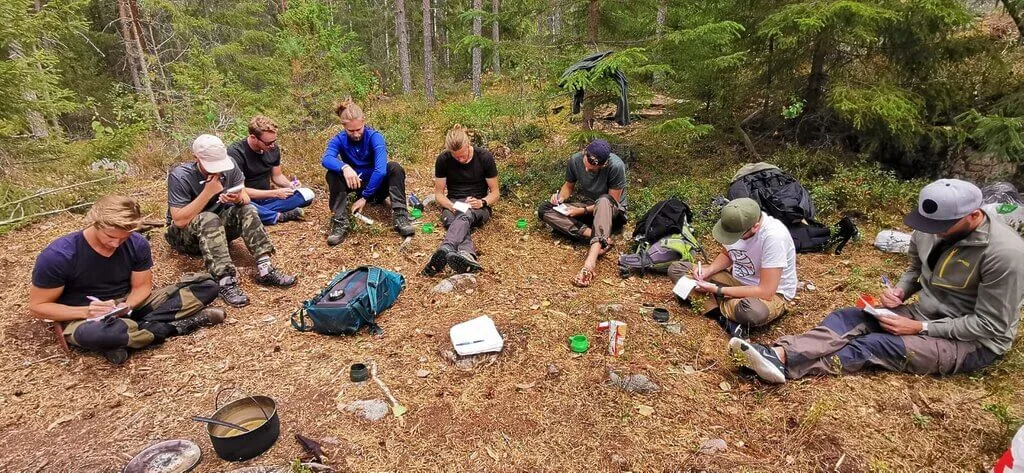
The community is a unique and vibrant one. It attracts people who are curious, courageous, and passionate. Engaging in group activities with groups or simply crossing paths with fellow travellers can lead to deep connections and lasting lifetime friendships. You share not just moments but a mindset, a love for exploration, and a thirst for knowledge that binds you together.
Travelling Responsibly
Increasingly, this type of tourism emphasizes sustainability and social responsibility. It urges travellers to consider their impact on the environment and local communities, encouraging responsible choices and practices. Whether it’s supporting local businesses, participating in conservation projects, or minimizing waste, adventure travel is often synonymous with mindful and ethical exploration of the planet. A flight may still be necessary, but the adventures tend to have a low impact on the environment.
Why Do You Need Adventure?
Humans are hardwired for it, it’s in our DNA. The need to push the boundaries, to discover new territories, is what has propelled us from the dawn of time. But why is it that adventures are so necessary for our lives today? The answer lies in the manifold benefits that adventure brings.
welcoming adventure means choosing to be free to live fully, to experience the world and all its destinations in all its complexity, and to learn, grow, and find joy in the process. Adventure is not just a need; it’s a way of life that inspires, challenges, and transforms.
How to Plan Adventure Tours
Adventure trips are compelling, enriching, and genuine experiences. However, they require careful planning and consideration to ensure a safe and enjoyable journey. Here’s a comprehensive guide to help you plan your next adventure:
1. Identify Your Interests and Goals
Start by identifying what excites you and what you hope to achieve from the trip. Whether it’s camping, scaling a mountain, exploring remote villages, biking through mountains or diving into an underwater world, your interests will guide your destination and activities. Consider your comfort level with physical challenges and unfamiliar environments and choose an adventure that aligns with your abilities and aspirations.
2. Choose the Destination and Activities
Research various destinations that offer the adventures you seek. Consider factors such as weather, terrain, accessibility, and local regulations. Look for activities and destinations that provide the right balance of excitement, challenge, and fulfilment. Consult online forums, travel books, and local experts to gather insights and recommendations.
3. Understand the Requirements
Adventure travel often involves specialized skills, equipment, permits, and health considerations. Research the prerequisites for each activity, including required training, certifications, or vaccinations. Determine the legal and environmental regulations in the destination to ensure compliance.
4. Budgeting and Costs
Estimate the overall costs, including travel, accommodation, equipment rentals, activity fees, and insurance. Consider additional expenses such as local transportation, meals, and unexpected contingencies. Plan your budget wisely to ensure a comfortable and financially responsible trip.
5. Select Accommodations
Choose accommodations that suit your needs, preferences, and budget. Whether it’s a rustic campsite, eco-lodge, or boutique hotel, ensure it aligns with the nature of your adventure and offers necessary amenities and safety features.
6. Consider Local Customs and Culture
Research the local customs, etiquette, and cultural norms of the country or destination you visit. Understanding and respecting the local way of living enhances your experience and fosters positive interactions with the community.
7. Plan with Safety and Sustainability in Mind
If considering a tour company, evaluate their commitment to safety protocols and sustainable practices. Ensure they employ qualified guides, adhere to ethical standards, and promote responsible tourism. Independently or with a third tour company, always prioritize safety and environmental stewardship.
8. Pack Appropriately
Packing for an adventure trip requires thoughtful consideration of the specific gear, clothing, and accessories needed for your chosen activities. Consult packing lists or seek advice from experienced travellers to ensure you have the essentials. Remember that specialized gear might be required, and quality equipment can make a significant difference in comfort and safety.
9. Develop a Flexible Itinerary
Adventure travel is inherently unpredictable, and flexibility is key. Outline a rough itinerary but be prepared to adapt as conditions, opportunities, or challenges arise. Building in some free time and alternatives ensures a more relaxed and enjoyable experience.
10. Insurance and Emergency Preparations
Invest in comprehensive travel insurance that covers the specific risks and activities involved in your adventure. Familiarize yourself with local emergency services, medical facilities, and evacuation procedures. Share your itinerary with someone trustworthy and establish a communication plan.
11. Cultivate an Adventurous Mindset
Finally, approach your adventure with an open heart and a curious mind. welcome challenges, savour experiences, and connect authentically with the places and people you encounter. An adventurous spirit enriches the journey, turning it into a memorable and personal growth experience.
Desert Island Survival Is Not Your Normal Tour Company
So, are you ready to leave the ordinary behind? Whether you are a beginner looking for a gentle introduction to adventure travel or someone who wants to test themselves properly, we have something for you. Have a look at our island adventures, read about what survival training actually involves, or find out how to know if you are ready.