
Sweden Alone: What Happens When You’re Left Alone in the Wilderness
What is the Sweden Alone Bushcraft Survival Experience?
Sweden Alone is a 10-day, 9-night survival expedition set in the Swedish wilderness, roughly two hours from Sundsvall. The group is capped at nine. The expedition follows a structure that will feel familiar to anyone who has watched the TV show Alone: learn the skills, then prove you can use them on your own.
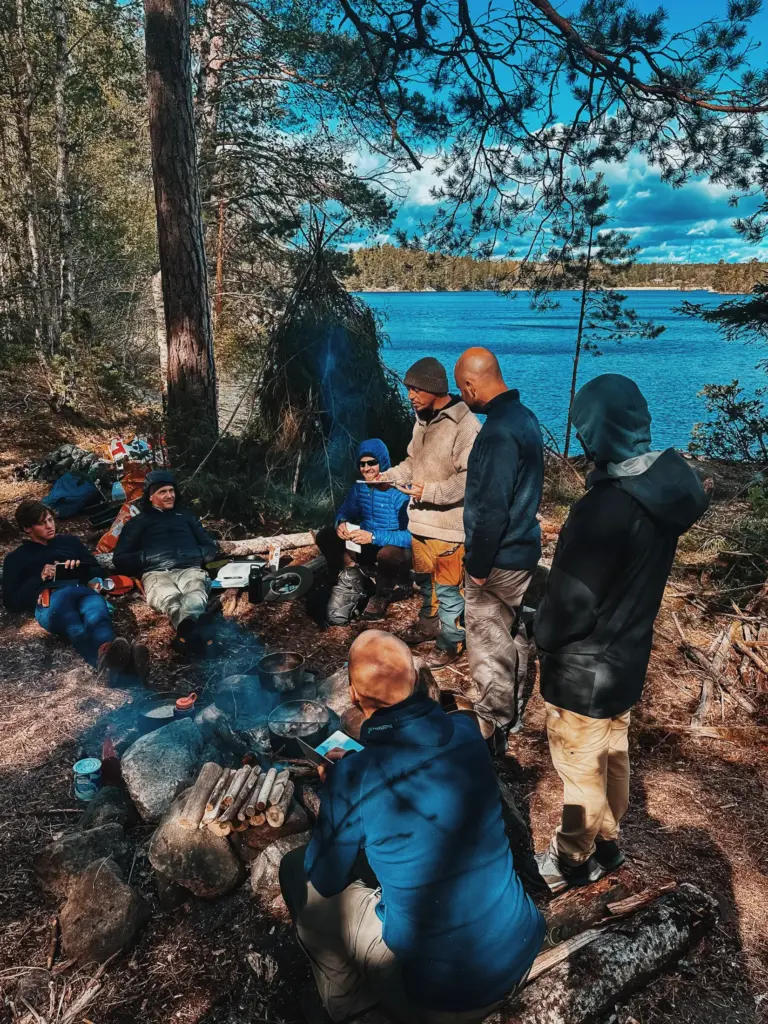
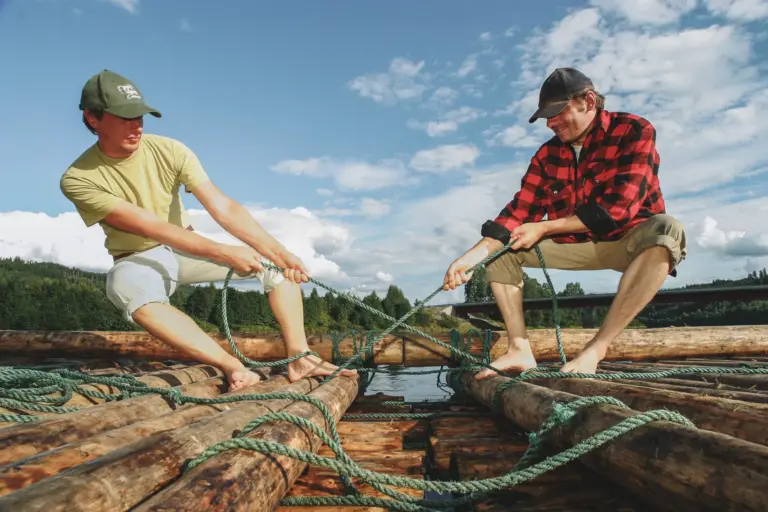
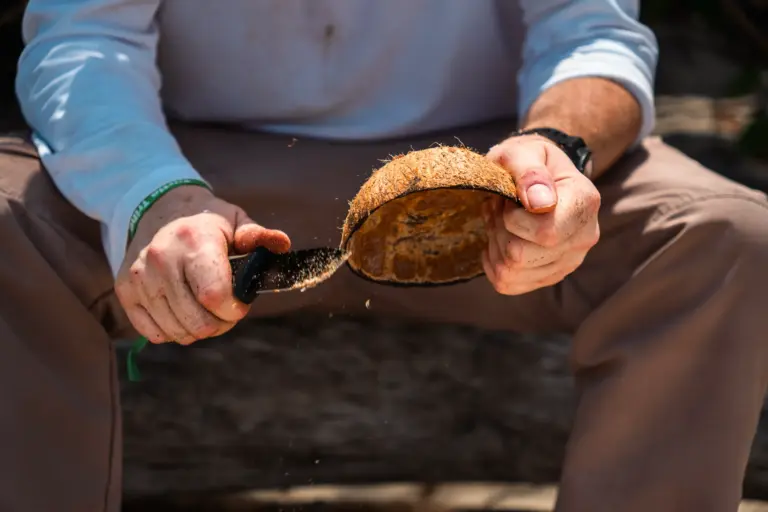
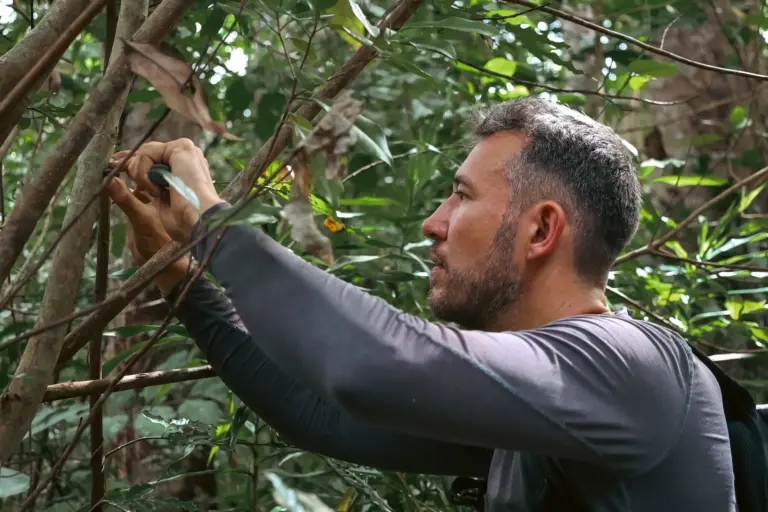
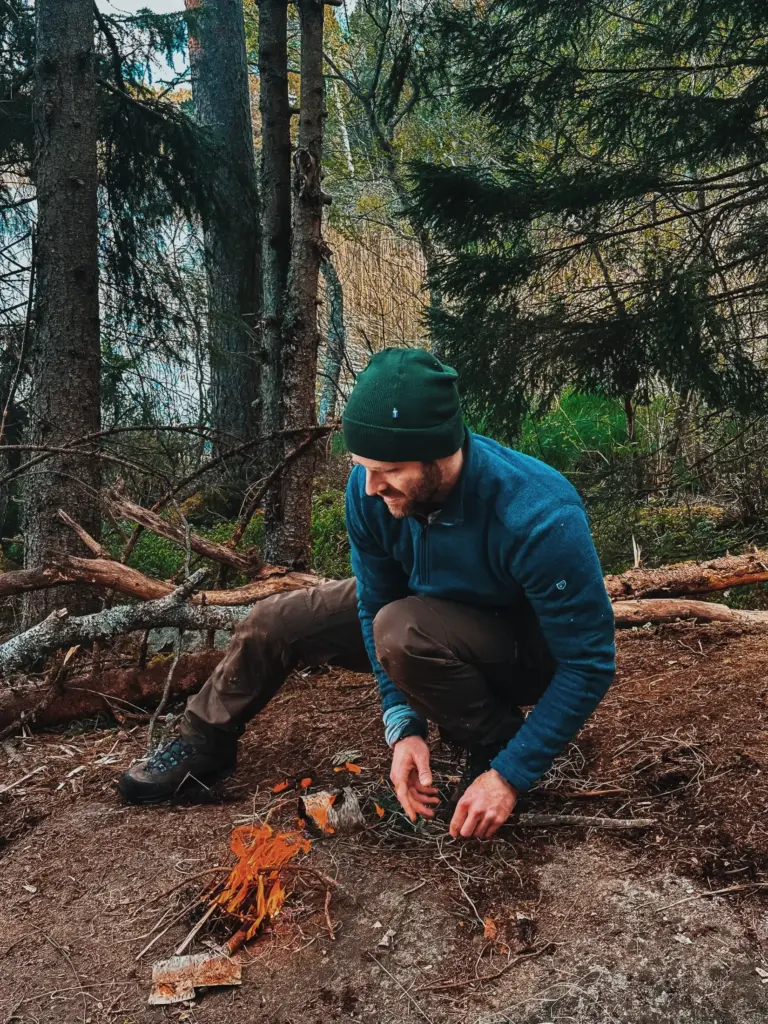
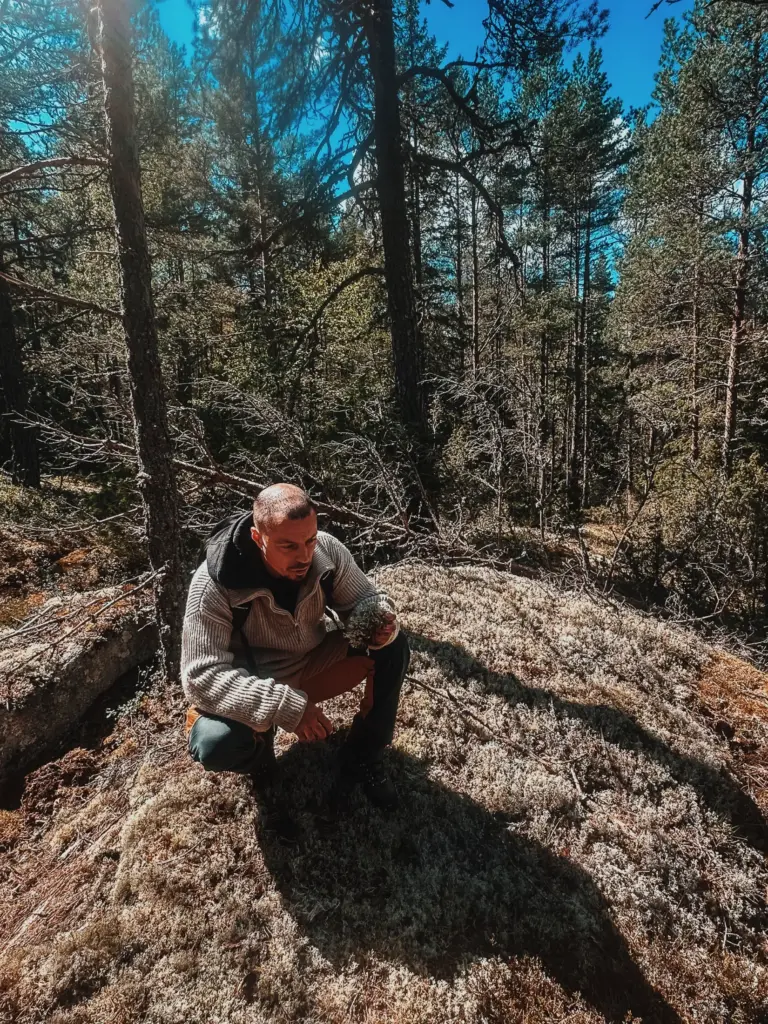
The first five days are spent at a communal base camp. Guests sleep in hammocks and tents, cook together over open fire, and work through an intensive bushcraft curriculum taught by instructors who have competed on Alone and other survival programmes. The skills include fire-making (friction fire, bow drill, hand drill), shelter construction, water procurement and purification, foraging for wild edibles, fishing with hand lines, trap theory, cordage and knot-tying, and survival psychology.
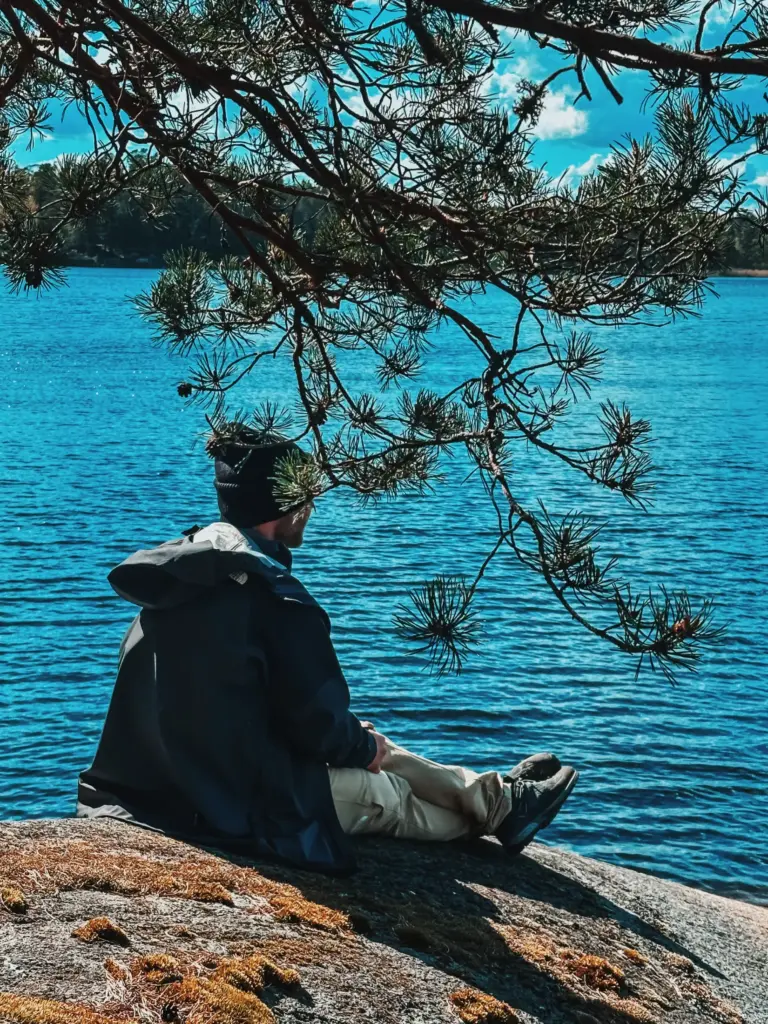
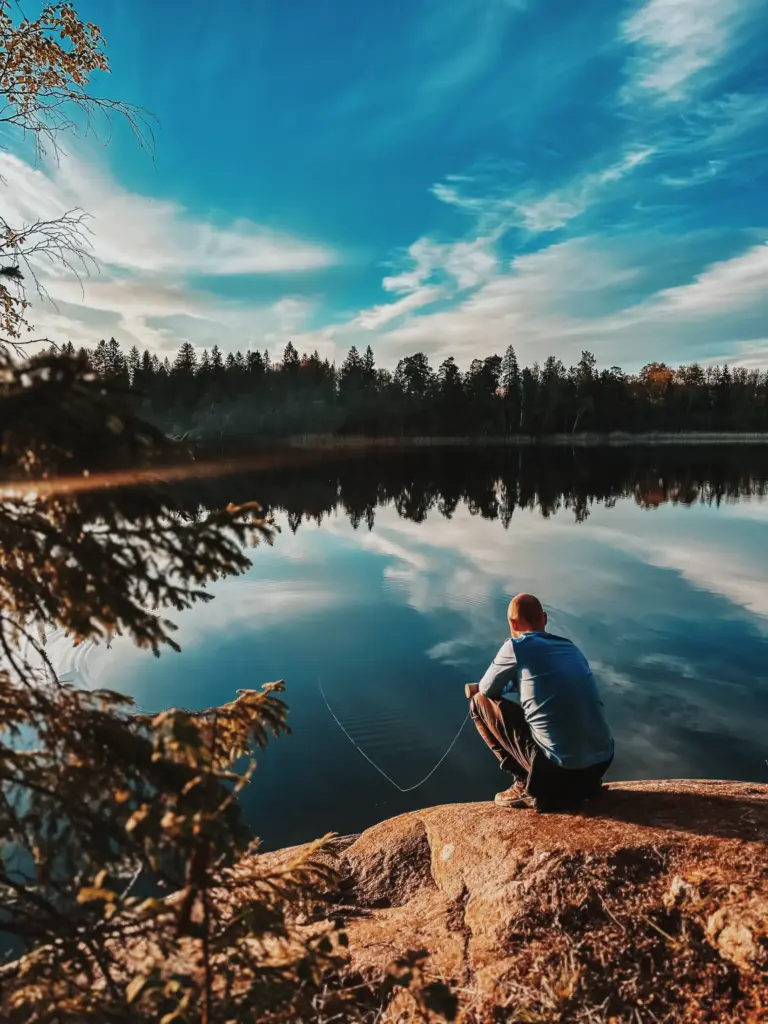
Then, on day six, each person hikes to their own solo spot along a lake. They take a knife, a pot, and a sleeping bag. Nothing else. For three days and three nights, they are completely alone.
No phone. No contact. No one to talk to.
On the morning of day nine, the rescue team arrives with cold drinks and snacks. The group is taken to a hotel that, after eight nights in the forest, feels like a five-star resort. Hot showers, a survival feast, and an evening of swapping stories with the other survivors. Day ten is departure from Sundsvall.
Why Did Tom Williams Build This Trip?
Tom Williams won the UK edition of Alone in 2022. He was dropped by helicopter into the Canadian wilderness, 300 miles south of the Arctic Circle, with a camera and a handful of items. He lasted 35 days, eating pike and boiled leaves, and was selected from over 10,000 applicants. When his satellite phone rang to tell him everyone else had quit, he was genuinely annoyed. Not because he wanted to win. Because he wanted to see how much further he could go.
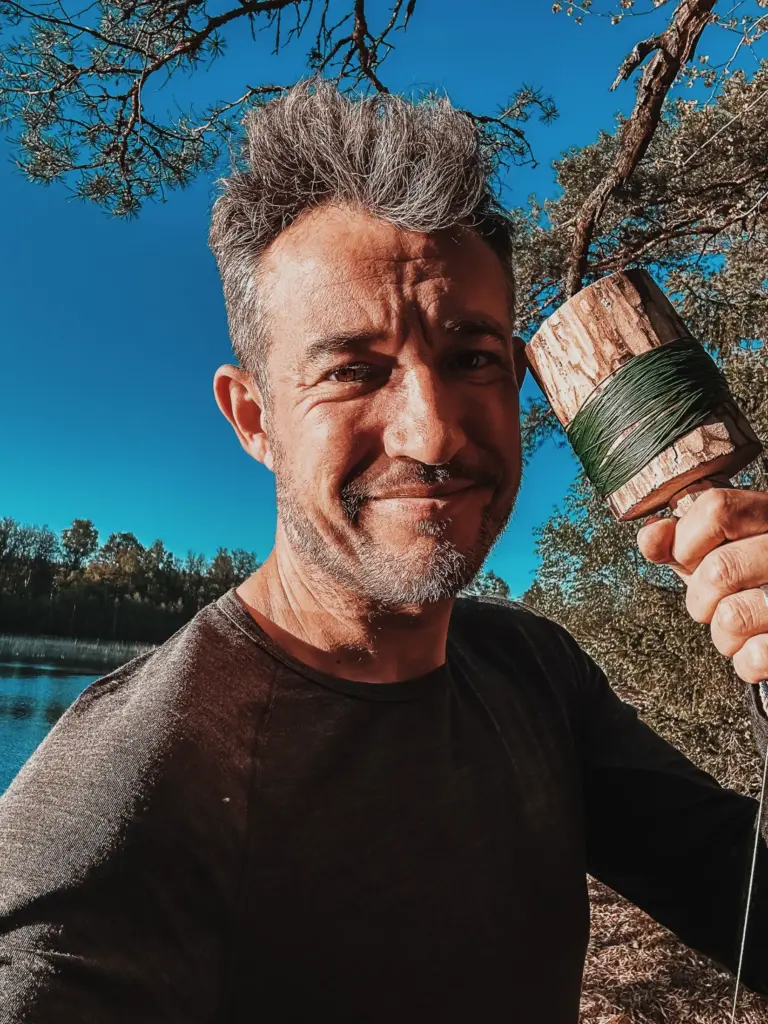
Something unexpected happened during those 35 days. His IBS, which he had suffered with for 20 years, disappeared. His mental health reached levels he describes as unlike anything he had experienced before. The inflammation in his body seemed to leave. He was living on a diet of boiled fish and foraged plants, sleeping ten hours a night, and spending every waking hour solving physical problems with his hands.
That experience became the blueprint for Sweden Alone. Tom wanted to build a trip that gave people a genuine taste of what he felt in Canada. Not the television version. Not a watered-down weekend course. A real solo survival challenge, preceded by proper training from people who have actually lived it.
Who Runs the Sweden Alone Expedition?
The instructors on Sweden Alone are not generic wilderness guides. They are past contestants from survival television, experienced bushcraft practitioners, and wilderness first aid qualified professionals. Desert Island Survival specifically recruits instructors who have been tested under genuine survival conditions, because the gap between someone who has read about friction fire and someone who has relied on it for warmth is significant.
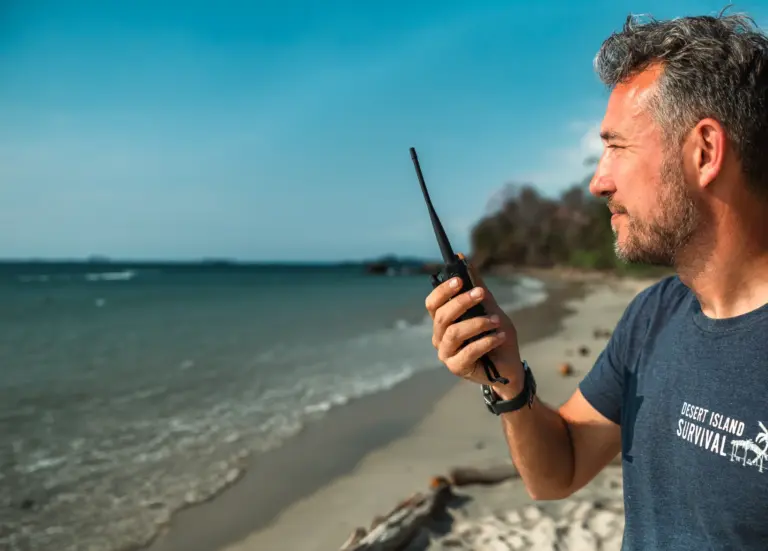
During the solo phase, the instructors remain nearby but out of sight. Guests check in via a one-way phone morning and evening, exactly like the protocol on Alone. If someone wants to quit, they can be rescued and spend the remaining time at base camp with the instructor team. In ten years of running expeditions, Desert Island Survival reports that the vast majority of guests complete the full solo.
What Actually Happens During the Three-Day Solo?
The solo phase is the point of the trip, and it is never what people expect. Guests prepare for cold, for hunger, for the physical difficulty of sourcing water and maintaining fire. What catches them off guard is the silence. The complete absence of another human voice for 72 hours.
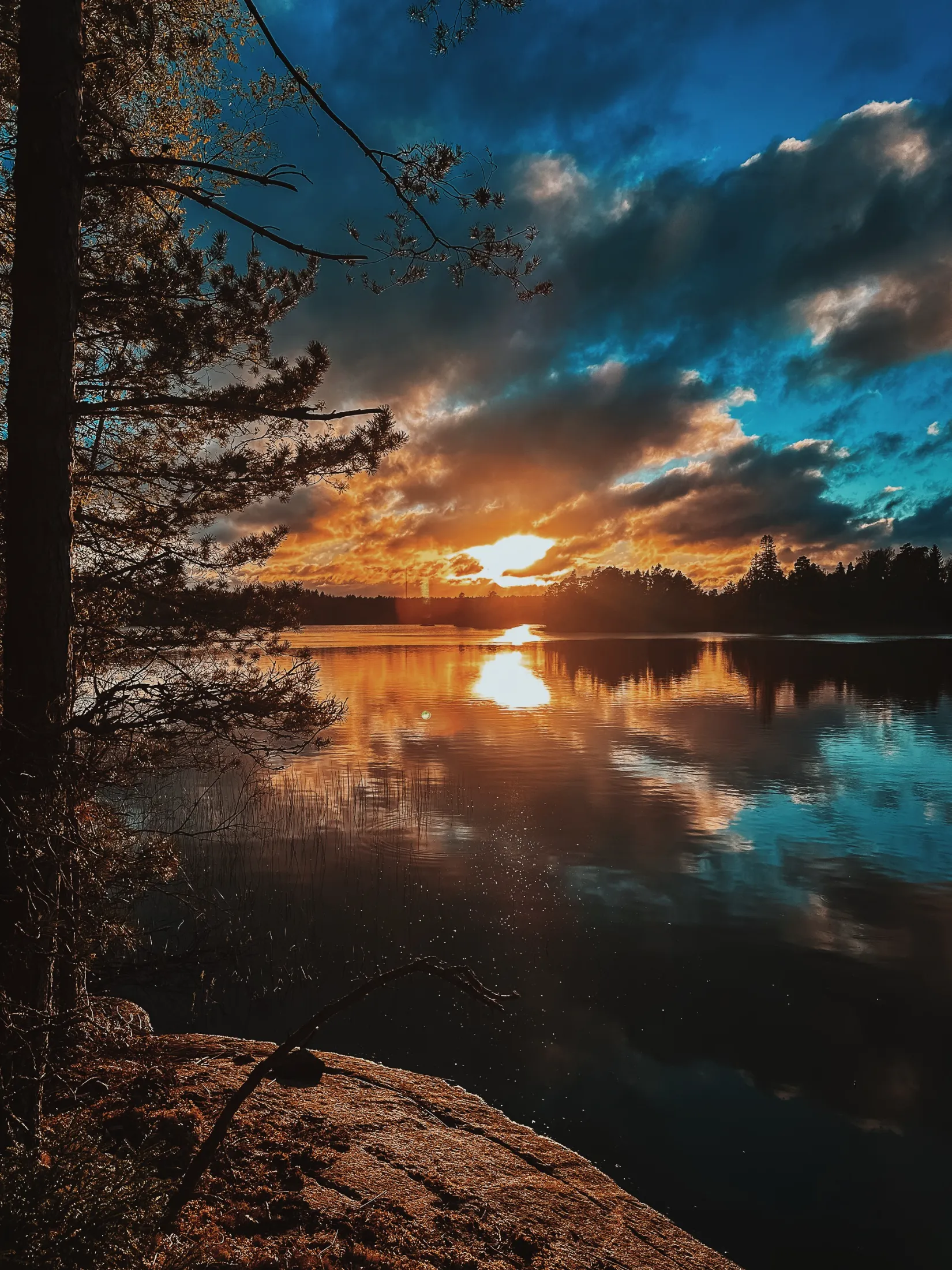
The first priority on day one is shelter. Guests have trained for this, but doing it alone, with nobody to help hold the ridgepole or pass the cordage, is a different experience. Then fire. Then water. By the end of the first evening, the routine begins to form. Wake up. Tend the fire. Boil water. Fish. Forage. Watch the light change over the lake.
By day two, something shifts. The brain slows down. Tom refers to this as the move from beta waves to alpha waves: the transition from constant stimulation to a quieter, more focused state. Many guests report that by the second night, the internal chatter that normally runs in the background goes quiet. Not silent. Just quieter. Kinder.
Day three is the hardest and the most rewarding. The rescue is coming, and part of you wants it. But a surprising number of guests describe a reluctance to leave. They have built something, caught something, maintained something entirely on their own. The attachment to that experience is real, and it does not fade quickly.
What Makes Sweden Alone Different From Other Wilderness Courses?
Three things separate this from a bushcraft weekend or a survival school. First, the group size. At nine, the group is small enough that everyone contributes, everyone is involved in the fire, and nobody can hide. Tom has talked at length about why this number matters, and Desert Island Survival caps all of its expeditions at nine to twelve for the same reason.
Second, the solo phase is not simulated. Guests are genuinely alone, genuinely responsible for their own fire, water, and shelter, and genuinely cut off from other people. This is not a guided walk with a challenge element bolted on.
Third, the celebration. The hotel, the feast, the evening of story-swapping with other survivors. This is built into the trip design because Desert Island Survival’s expeditions follow a deliberate arc: learn, survive, celebrate. The contrast between the forest and the hot shower is part of the point.
Book Your Spot
The next Sweden Alone departure is 3 to 12 June 2026. Maximum 9 guests. 6 spots remaining. From £2,900 all-inclusive. £490 deposit with a 7-day cool-off and full refund if you change your mind.
Reserve your spot on the June 2026 Sweden Alone expedition.
Not sure which expedition suits you? Take the quiz.
When was the last time you spent three full days without speaking to another person.