
The Best Remote Holiday Destinations (That We’ve Actually Been To)
I’m suspicious of “best remote destinations” lists written by people who’ve never been to the places they’re recommending. You can tell. They read like a travel brochure: turquoise waters, pristine beaches, unspoilt paradise. Which is true, technically, but it doesn’t tell you what it actually feels like to be there at five in the morning with sand in your sleeping bag and a fire that won’t light.
I’ve spent the last decade building survival expeditions in some of the most genuinely remote places left on Earth. Not visiting them. Living on them. Teaching on them. Failing on them. What I can offer is a first-hand account of each place we run trips, with the honest details that travel writing tends to leave out.
These are not holiday recommendations. These are places that changed the way I think about what wilderness actually means.
Tonga, Ha’apai Islands
The Tonga expedition is the one I find hardest to describe without sounding like I’m exaggerating. The Ha’apai group sits in the South Pacific, a scattering of islands so untouched that some of them don’t appear on older maps. White sand beaches, water so clear you can see the bottom at fifteen metres, and humpback whales that breach close enough to drench you with spray.
We swim with the whales there. I’ve been face to face with a calf that was roughly the size of a transit van and had the energy of a puppy. A three-ton puppy. That experience alone is worth the trip, but what stays with you is the silence. The Ha’apai islands are quiet in a way that modern life has trained you to forget exists. By day three, your brain changes gear, and you notice it physically. Thoughts slow down. The constant background anxiety lifts.
11 days. £4,350 per person. Maximum 12 guests.
Philippines, Palawan
Palawan is dramatic in a way that Tonga isn’t. Limestone karst formations rising straight out of turquoise water, dense jungle, and some of the healthiest coral reefs I’ve seen anywhere in the world. Busuanga Bay, where we base the expedition, feels like someone designed the perfect backdrop for a survival film and then forgot to tell anyone it was real.
This is our most accessible trip in terms of both budget and physical intensity, and it doesn’t sacrifice an ounce of wildness for that. The fishing is exceptional. The foraging is varied. And the islands have that quality that all the best expedition locations share: a sense that you’re the first people to stand on this particular beach, even though you know rationally that you’re not.
10 days. £2,650 per person. Maximum 15 guests.
Panama, Pearl Islands
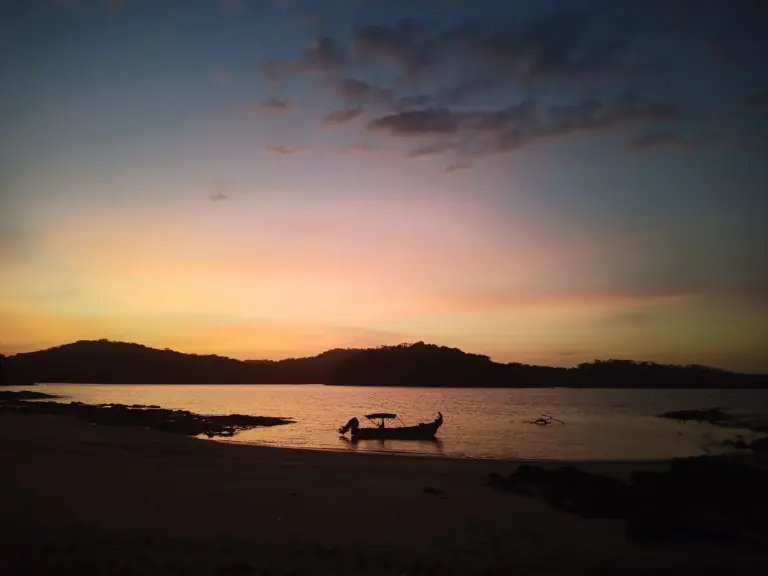
The Pearl Islands hold a special place for me because they’re where we ran some of our earliest expeditions. The island we used was a masterclass in what the Goldilocks zone looks like: genuinely isolated, no visible signs of civilisation from the beach, but close enough to the mainland for emergency access.
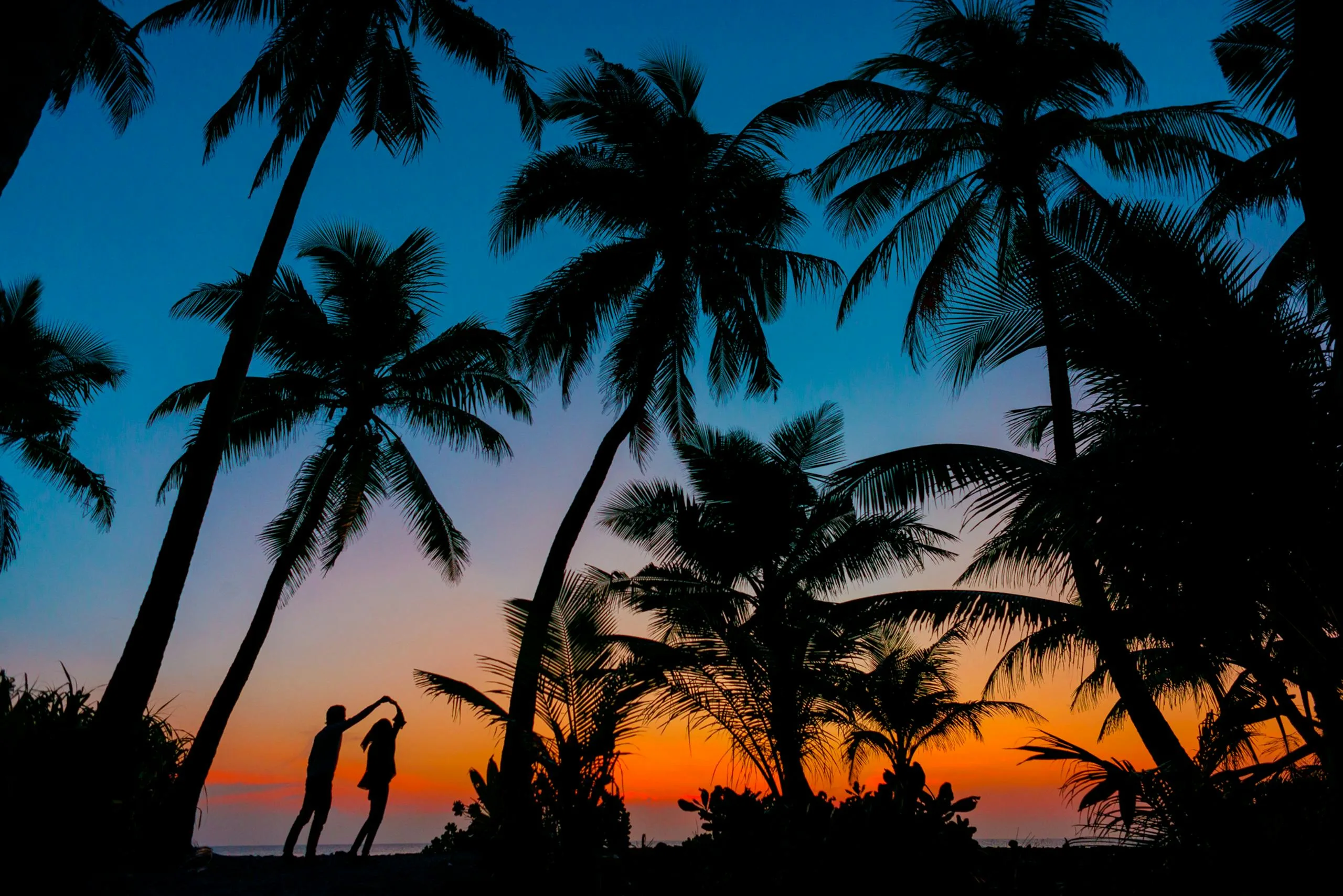
Coconut palms, rich reef systems, and phosphorescent plankton that turned the water into a light show at night. I used to swim in it. I’d float on my back in the dark watching my arms glow blue, and I’d think: this is why I built this company. That island was recently sold for 12 million dollars and they’re building a hotel on it. It breaks my heart, genuinely. But we’ve found new locations, because that’s what you do when the wild places start to disappear.
11 days. £3,600 per person. Maximum 12 guests.
Maldives, Southern Atolls
When people hear “Maldives” they think honeymoons and overwater villas. And that exists, obviously. But what most people don’t realise is that only about 20 of the 250-odd islands are inhabited, and the rest are genuinely wild. We scouted nine islands before finding the two we use for the Maldives expedition. It took months.
The marine life is the standout. Manta rays, reef sharks, spinner dolphins, and seasonal whale sharks. The coral is vibrant, the water temperature is perfect year-round, and there’s a quality of light on the atolls that I haven’t experienced anywhere else. It’s like someone turned the saturation up on reality. The trip finishes with a night in an overwater bungalow, which, after a week of sleeping on the ground, feels like checking into a five-star hotel on another planet.
11 days. £3,990 per person. Maximum 12 guests.
Botswana, Okavango Delta
The Okavango Delta is a different kind of wilderness entirely. This isn’t an island expedition. It’s a river delta the size of a small country, and it’s one of the richest ecosystems on Earth. Elephants, lions, hippos, wild dogs, and more bird species than you’d think was biologically possible.
The survival context here is different too. You’re in big-game territory, which sharpens everything. The awareness. The respect for the environment. The understanding that you are, genuinely, not at the top of the food chain. Guests on this trip come back with a perspective on their place in nature that an island expedition can’t quite replicate. It’s humbling in a way that I think is valuable for anyone who spends their life in a city.
12 days. £4,350 per person. Maximum 9 guests.
Tanzania, Lake Eyasi
The Tanzania expedition is unlike anything else in our portfolio. Lake Eyasi sits in the Rift Valley, and nearby you’ll find the Hadza, one of the last remaining hunter-gatherer communities on Earth. They’ve been living the way they live for tens of thousands of years.
Spending time with the Hadza is, for me, the closest thing to visiting our genetic normal. The way they move, hunt, gather, share, and connect is what our ancestors did for a hundred thousand generations before agriculture changed everything. There’s no performance in it. No interpretation. Just people living the way human beings evolved to live. Guests find it either deeply reassuring or deeply unsettling, and both responses are, I think, the right one.
10 days. £3,990 per person. Maximum 12 guests.
Sweden, Sundsvall Region
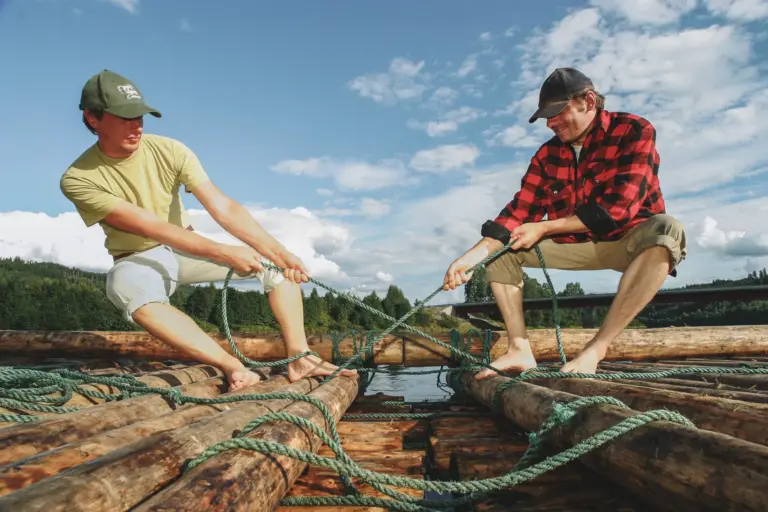
The Sweden expedition is a solo challenge. That makes it different from everything else we run. You spend five days learning bushcraft and survival skills in the boreal forest, and then you go out alone for three days with a knife, a pot, and whatever you’ve learned.
I won’t pretend this is for everyone. Three days genuinely alone in a Scandinavian forest, with no phone, no people, and no schedule, is one of the most confronting experiences we offer. But it’s also the trip where the feedback is the most intense. People come back from those three solo days different. Quieter. More settled. There’s something about being alone with yourself for that long, with nothing to distract you, that forces a conversation with yourself that most people have been avoiding for years.
10 days. £2,900 per person. Maximum 9 guests.
What Makes These Destinations Different from a Travel List?
I’ve been to places that look beautiful in photographs and feel sterile when you’re standing on them. I’ve been to places that look unremarkable on a map and turned out to be the most alive environments I’ve ever experienced. The difference is never about what a place looks like. It’s about what it does to you when you’re there.
Every destination on this list is somewhere I’ve spent significant time, not as a tourist but as someone running an operation that depends on the place being genuinely special. We test the fishing, the foraging, the water sources, the shelter materials, the evacuation routes, and the feeling. That last one sounds vague, but it’s the most important. If you stand on a beach at sunset and something in your chest shifts, that’s the one. That’s the island. Read more about how we choose our locations.