
The Best Way to Start a Sabbatical: Go Off-Grid First
Quick answer. Start your sabbatical with something hard, not something soft. A short wilderness expedition right at the beginning draws a clean line under the old chapter, resets your sense of what matters, and gives you clarity before you plan the rest. Do the difficult thing first, and the ease you earn afterwards actually lands.
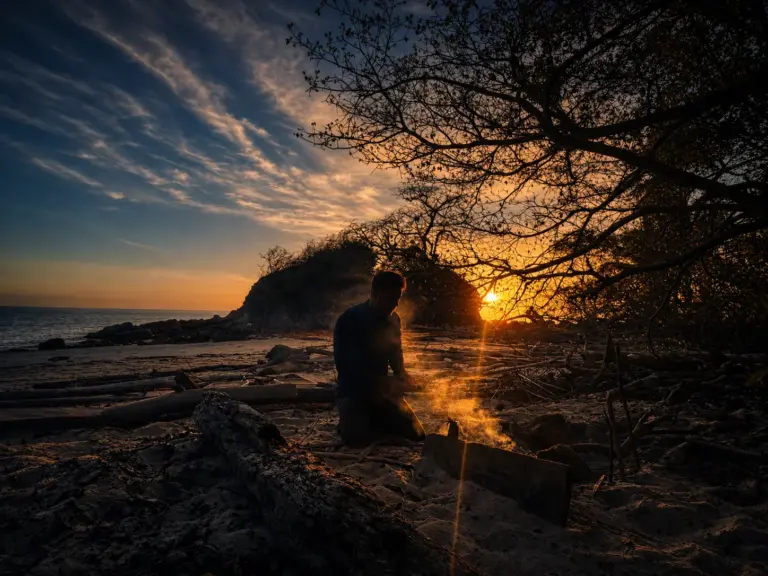
A while back, a tech founder from the Bay Area booked onto an expedition before he’d planned anything else for his sabbatical. No itinerary for the months ahead, no grand scheme, just an island first and the rest later. He was delighted he went for this before booking anything else, because the time out there gave him clarity and reframed what he actually wanted from the break. He ended up going in a whole different direction to the one he’d arrived with. He came for a reset and left with a new map.
We don’t talk about this much, but a fair number of the people who come to us are standing at some kind of edge. Between chapters. A sabbatical is one of the most common ones.
And it’s surprisingly easy to waste the front end of a break. Given months of freedom, plenty of people spend the first one restless and vaguely flat, wondering why they don’t feel any different yet.
What Should You Do at the Start of a Sabbatical?
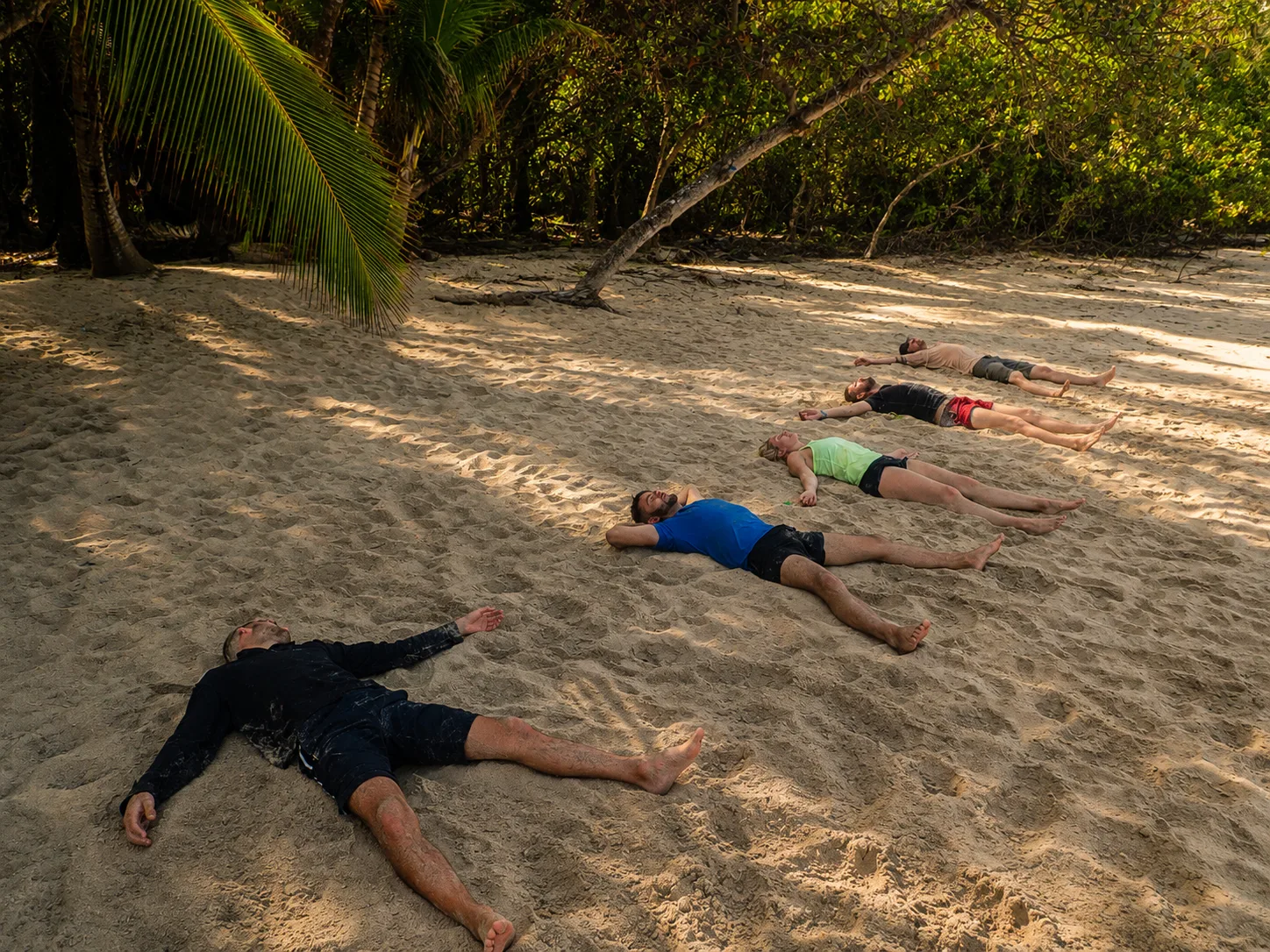
Do something hard first. Most people open a break by trying to rest, and spend weeks restless and vaguely guilty, waiting to feel different. Start with a genuine challenge, a short expedition, and it reframes what you want. It draws a line under the old chapter and gives the whole break a shape it otherwise never finds.
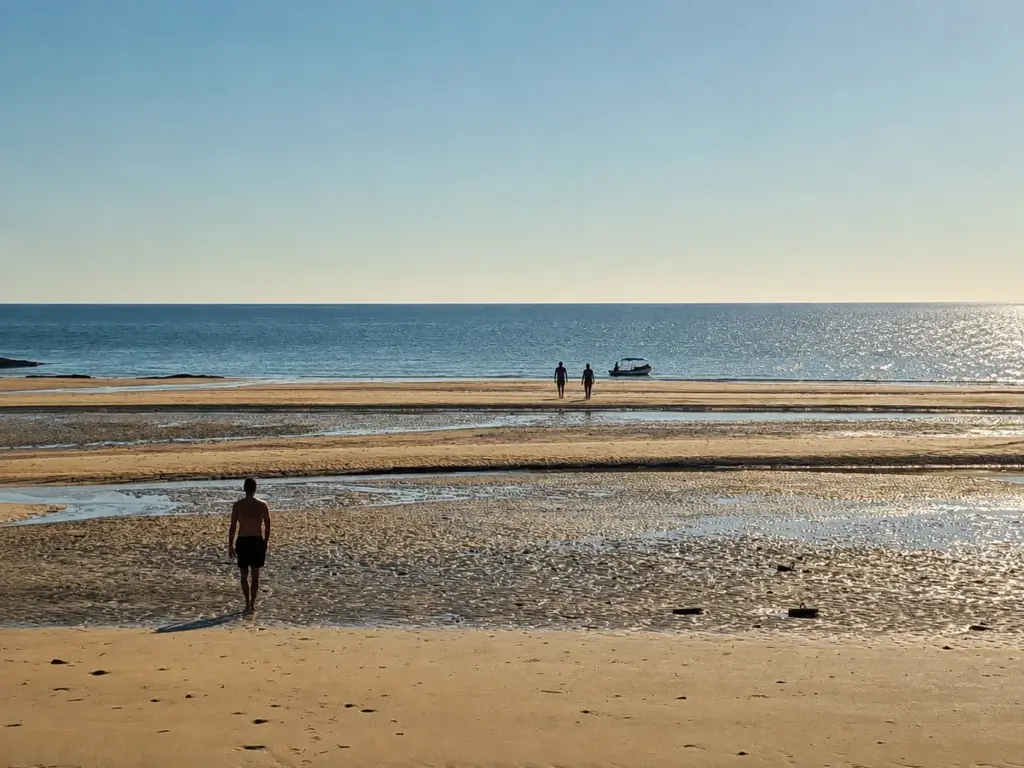
There’s a strange grief to stopping, when you’ve been sprinting for years. The calendar empties and the mind doesn’t know what to do with the space. A hard thing at the start gives that space edges, and something to push against, so the rest of the break has somewhere to unfold from.
Why Start a Sabbatical With a Challenge, Not a Rest?
Because rest you haven’t earned tends to feel hollow. Go straight to lying by a pool with a cocktail and you get itchy feet, a nagging sense you haven’t earned it. Do the hard thing first and the same pool feels completely different. It’s a gratitude reset more than a holiday.
This is one of the few things I’ll say with real conviction. Hard thing first, always, in just about every part of life. You do the challenging thing, you earn the ease, and then you actually appreciate the ease when it comes. The order matters far more than people give it credit for.
How Does an Expedition Reset You Before a Career Break?
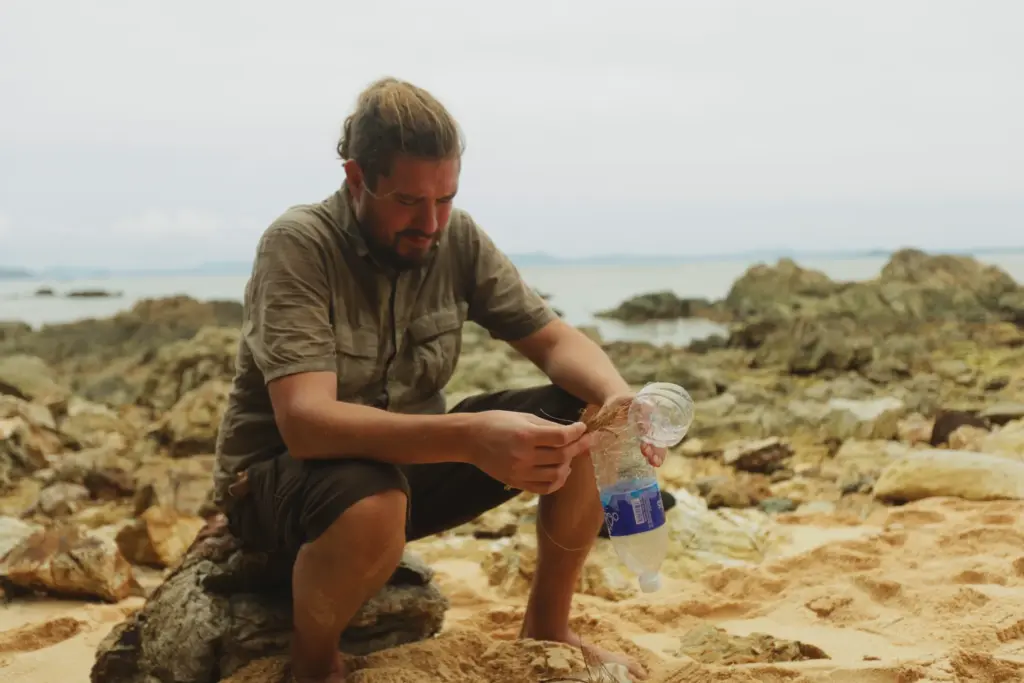
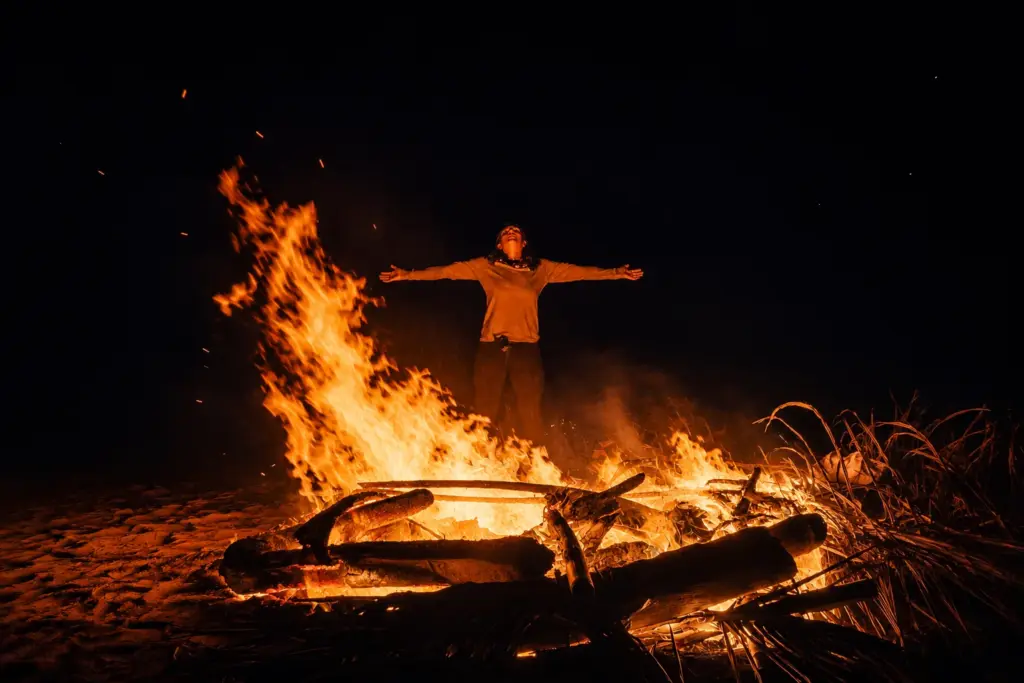
An expedition strips life back to firewood, water, food, and the people next to you. From there it’s far easier to see what actually matters, because the noise you normally think inside has gone quiet. The big questions you’ve been swerving get quiet enough to hear, and most people come home with more clarity than any amount of planning gave them.
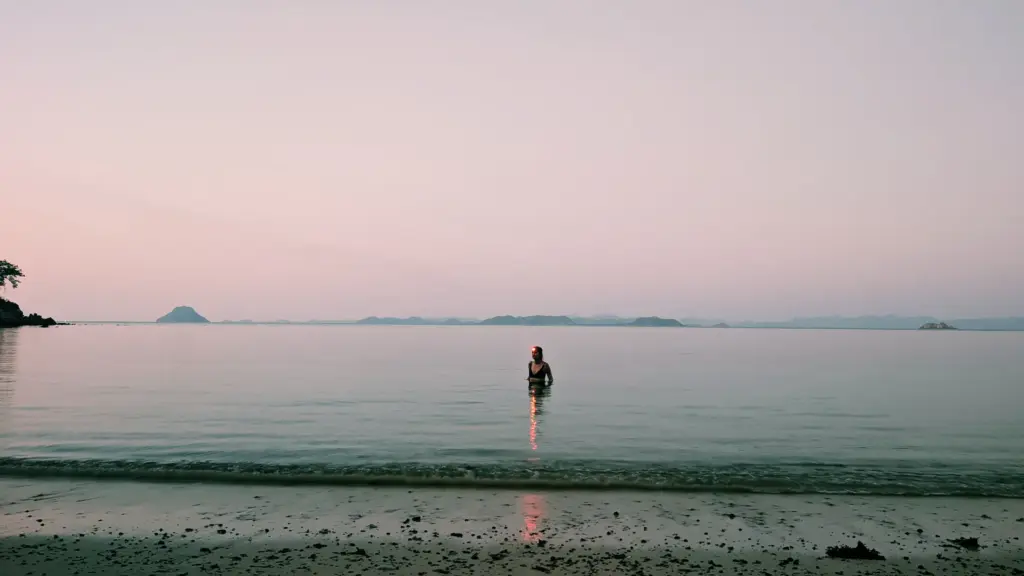
It’s the getting off the hamster wheel that does it. Over the years I’ve watched people use ten days like this to make calls they’d been circling for months. Some go home and leave a job that was quietly already over. Some finally start the thing they’d kept putting off. Not because the island told them to, but because it gave them the quiet to hear what they already knew.
That founder from the Bay Area didn’t change direction because I told him to. He changed it because a week with nothing to manage but a fire gave him room to notice what he’d stopped wanting. I mostly just shared a few of my own past adventures, and he took it from there.
Who Takes a Survival Expedition on a Sabbatical?
The people who come to us at a break tend to be at a hinge point. Founders just out the far side of an exit, someone who’s recently turned forty, a person who’s burnt out and quietly wondering whether this is it. You don’t need to be any of those things to come, but if you are, the timing usually looks after itself.
It’s not for everyone, and I’d rather say so. If what you actually need is two weeks horizontal on a beach, take that, guilt-free. This is for the ones who suspect that resting harder isn’t the thing that’s missing.
How Do You Plan the Rest of Your Sabbatical Around It?
Do the expedition first, then leave the rest loose. A hard, finite fortnight at the front gives everything after it a reference point, and you’ll plan those months far better from the far side of it than you ever could from your desk. Book the trip, then decide the rest once you’re back in your own head.
Practically, it tends to work best landing just after a notice period or an exit, when the old thing is genuinely finished and the new one hasn’t started. Resist the urge to schedule the whole break in advance. The clarity you come home with is the thing that should shape it.
Is a Survival Expedition a Good Sabbatical Idea?
It’s one of the better ones, if you want the break to change something rather than just pass the time. You don’t need any experience. You need to be reasonably fit and genuinely up for it, and we teach you the rest in the first few days.

The people who get the most from it are usually the ones who arrive a little raw. Burnt out, restless, quietly wondering whether this is it. The island has a way of answering that question without anyone having to ask it out loud.
Which Trips Suit a Sabbatical, and How Long Do They Take?
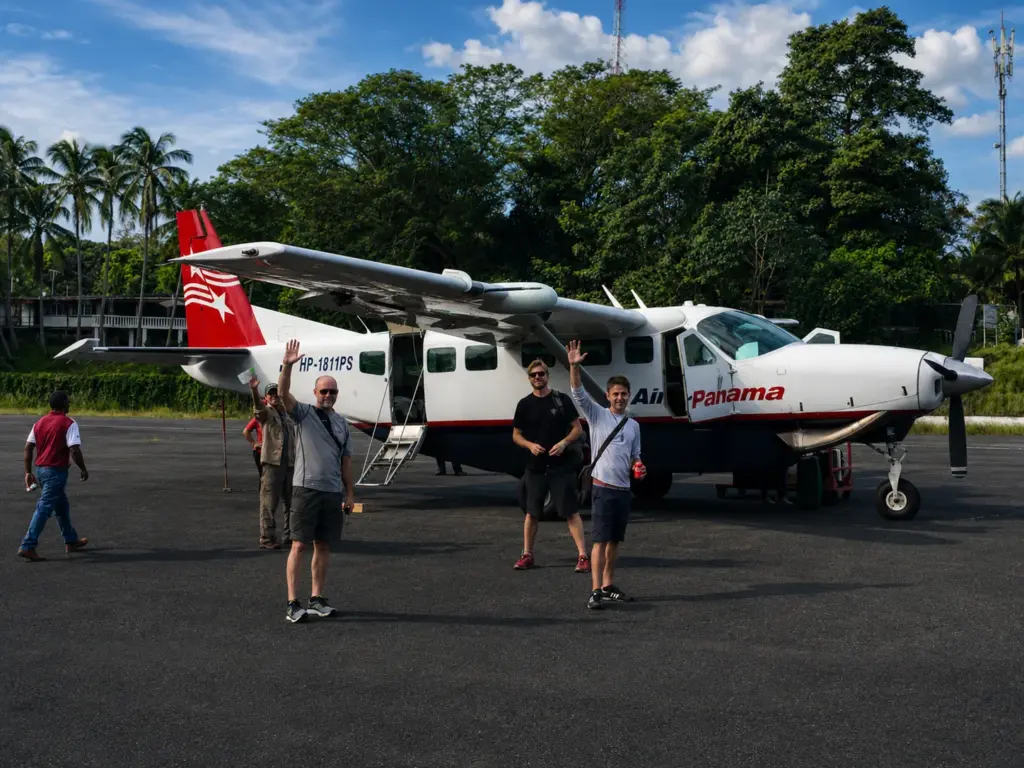
Most of our expeditions run 10 to 12 days, which is the sweet spot for a sabbatical: long enough to properly drop out, short enough to slot in at the very start of a break. The Pearl Islands in Panama are a good first one, with a December departure and fresh dates in early 2027. Booking it to land just after a notice period works well.

If you want specifics, the Pearl Islands expedition in Panama departs 1 to 11 December 2026, with the first 2027 dates on 22 January and 4 February. A deposit of 490 pounds holds a place. It’s a private island with 23 beaches and nobody else on it, which is about as clean a line under the old chapter as you’ll find.
Common Questions
Start with something hard rather than something soft. A short expedition at the beginning resets what matters and gives you clarity before you plan the rest of the break, so the ease you take later actually feels earned.
Around 10 to 12 days works best. It’s long enough to fully switch off and reset, and short enough to sit at the front of a longer break without swallowing it.
No. You need to be reasonably fit and genuinely up for it. We teach you everything you need across the first few days, so no prior experience is required.
If a sabbatical’s on the horizon and you’d rather start it with something that means something, the simplest next step is a quick chat about which expedition fits, or a look at the Panama trip and its December and 2027 dates. You can book a 15-minute call here, or browse the full range of adventures. What would you want the first week of your break to actually do for you?
Tom Williams
Founder, Desert Island Survival