
Calmcation: Why It Might Not Reset You (and What Will)
A calmcation is a deliberately slow, low-stimulus holiday designed to feel restful, think spa retreats, digital detox hotels, quiet nature stays. The instinct behind one is right. An overactive nervous system does need to settle. The problem is that the brain state we actually mean when we say rested tends to come from gentle physical absorption, not from the absence of stimulation. Calmcations get close for some people. For others, they don’t quite stick, because ease feels like rest in the moment without functioning like it afterwards.
I’ll be honest. When I first came across the word calmcation, I wasn’t sure I could get behind it. The name felt a bit much. A holiday, but calmer. A whole new category for something people have been quietly doing since the invention of the beach.
And then I thought about what the word was actually trying to point at, and I warmed to it.
Because what a calmcation is trying to do is close the tabs of modern life. Reduce the decision complexity. Settle a nervous system that’s been running too hot for too long. That’s a genuinely important thing to do. It’s also, not coincidentally, close to what we’ve been trying to build into our expeditions for the last ten years.
Which is why this piece is a little more nuanced than the headline makes it sound. A calmcation will reset some people. For others, I think it won’t quite stick, for reasons I’ll get into. The rest of this is the honest version of what I think actually works, and when a calm holiday is exactly the right call.
What is a calmcation?
A calmcation is a holiday built deliberately around doing less. No itinerary, no early starts, nothing to tick off. The point is to slow down rather than fill the time, and the measure of a good one is how little happened.
In practice that means spa retreats, digital detox hotels, quiet nature stays. The promise is simple. Go somewhere gentle, rest, come back ready for the world.
The instinct behind one is correct. An overactive nervous system needs to settle. The question is whether a passive environment is enough to settle it, or whether what your brain is really after is a different kind of stimulation altogether.
How do you know if your nervous system is overactive?
I think most of us know, if we stop and check. You feel it in the small things. You reach for a glass of something in the evening before you’ve really decided to. You struggle to sleep. Your breathing isn’t regulated. Your weekends don’t quite touch the week.
If that’s where you are, slowing down and disconnecting is tremendously beneficial. You genuinely do need to recalibrate. The instinct to go somewhere quiet is the right one, and a calmcation can do that work well.
Why don’t calmcations always stick?
For most people, a calm holiday means a pool, a beach, a few cocktails, some good food. Lovely on the Thursday. By the Tuesday back at work, the calm is evaporating. Within two or three weeks it’s as if you never left.
You come back feeling like you need another holiday to recover from the one you just had.
That isn’t because the holiday was bad. It’s because ease, on its own, isn’t what the brain registers as rest. Passive input on top of a life that’s already full of passive input adds to the pile. The shape of the week was gentler. The internal state didn’t really change.
There’s a version of the calmcation that does work, and I think of a yoga retreat or a Vipassana sitting somewhere close to it. Silence plus gentle practice plus enough time for the nervous system to actually settle. That lands. But a pool and a cocktail and a few good meals, for most of us, does less than the marketing suggests.
The shape of the week tells you a lot. If the itinerary is full of options but no commitments, you’ll spend the week deciding rather than resting. If it’s mostly passive, you’ll slip back into the same low-grade input that got you tired in the first place. The calmcations that seem to stick tend to have a shape to them. Something you have to show up for daily, something that isn’t quite a hobby and isn’t quite a duty. A practice, basically. That’s what the good retreats are quietly offering underneath the spa.
What does your brain actually need to reset?
The honest answer is alpha, not absence.
Our brains move between states. Beta is the one everyone knows, the stimulated, task-focused, slightly wired state most of us live in all day. Alpha is different. It’s the state you slip into when you’re daydreaming, meditating, or walking without your phone. A kind of bubble bath for the brain. It releases endorphins, lifts mood, and takes the edge off anxiety, depression, and stress.

We struggle to reach it now because we’ve stopped letting boredom in. We’re addicted to stimulation. Our brains crave the dopamine hit of the phone, the podcast to fall asleep to, the constant input. Downtime feels like something to fix.
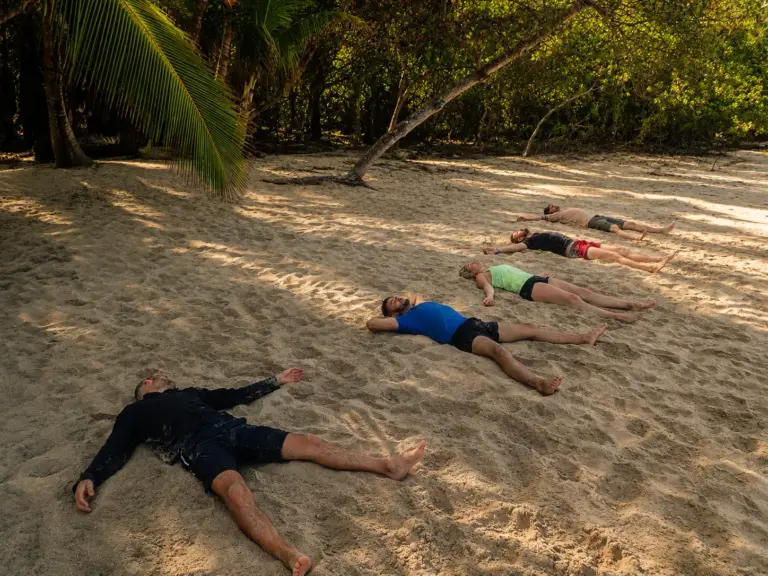
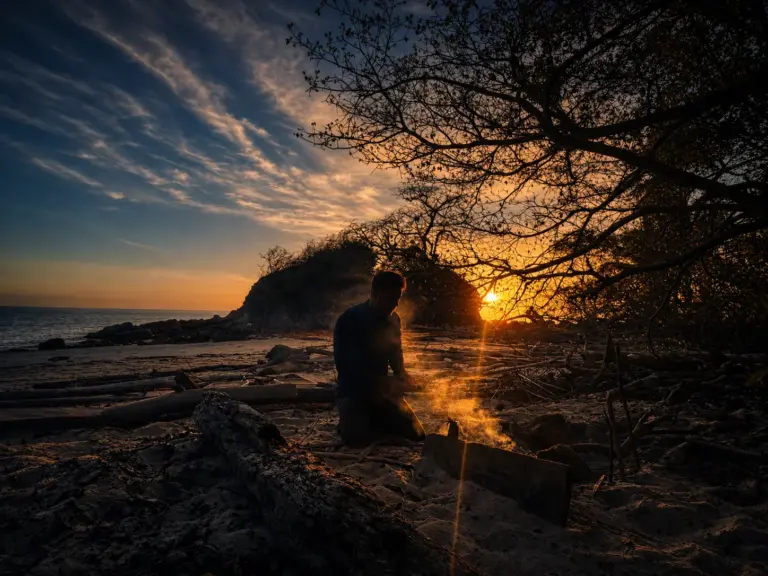
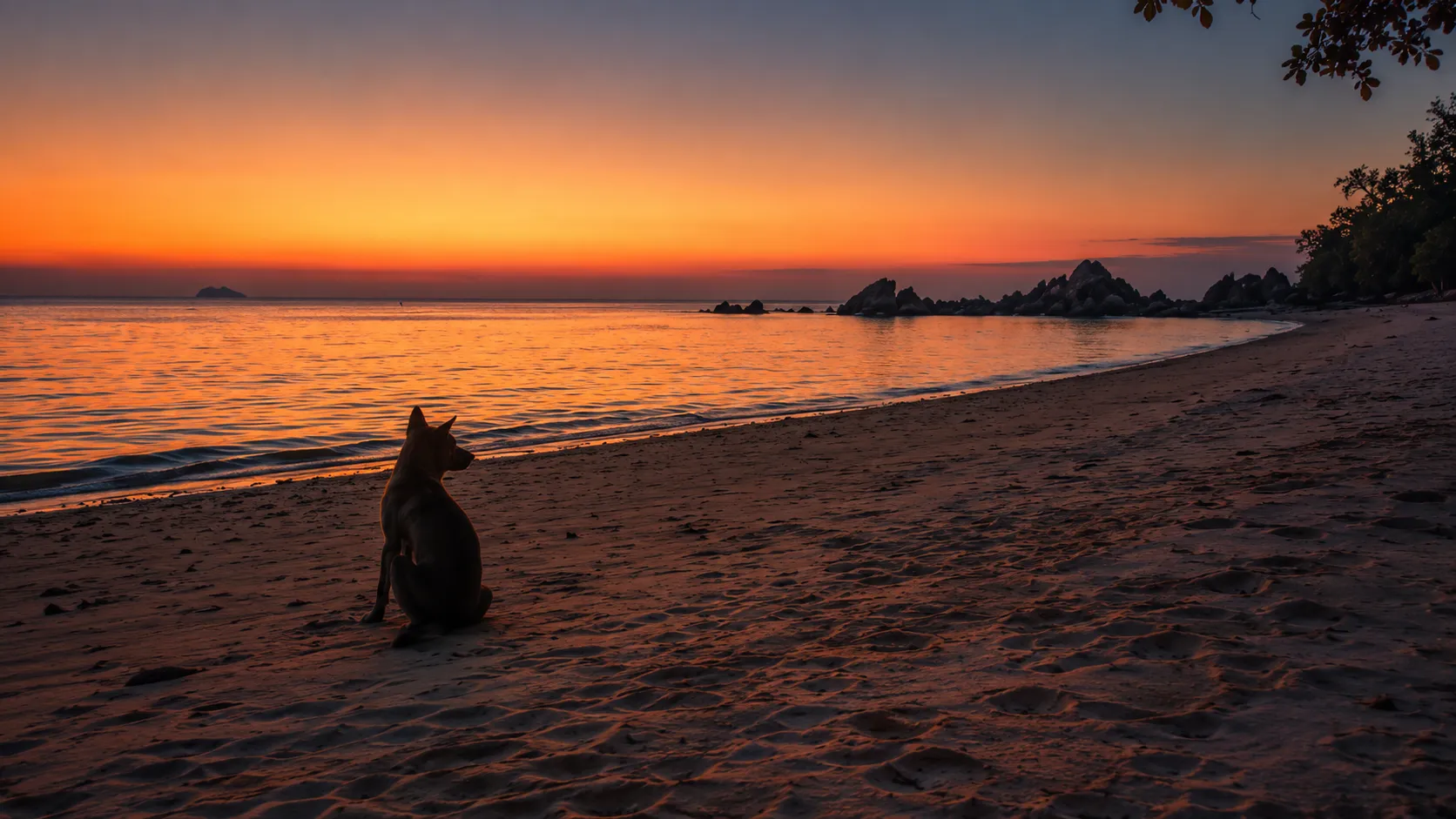
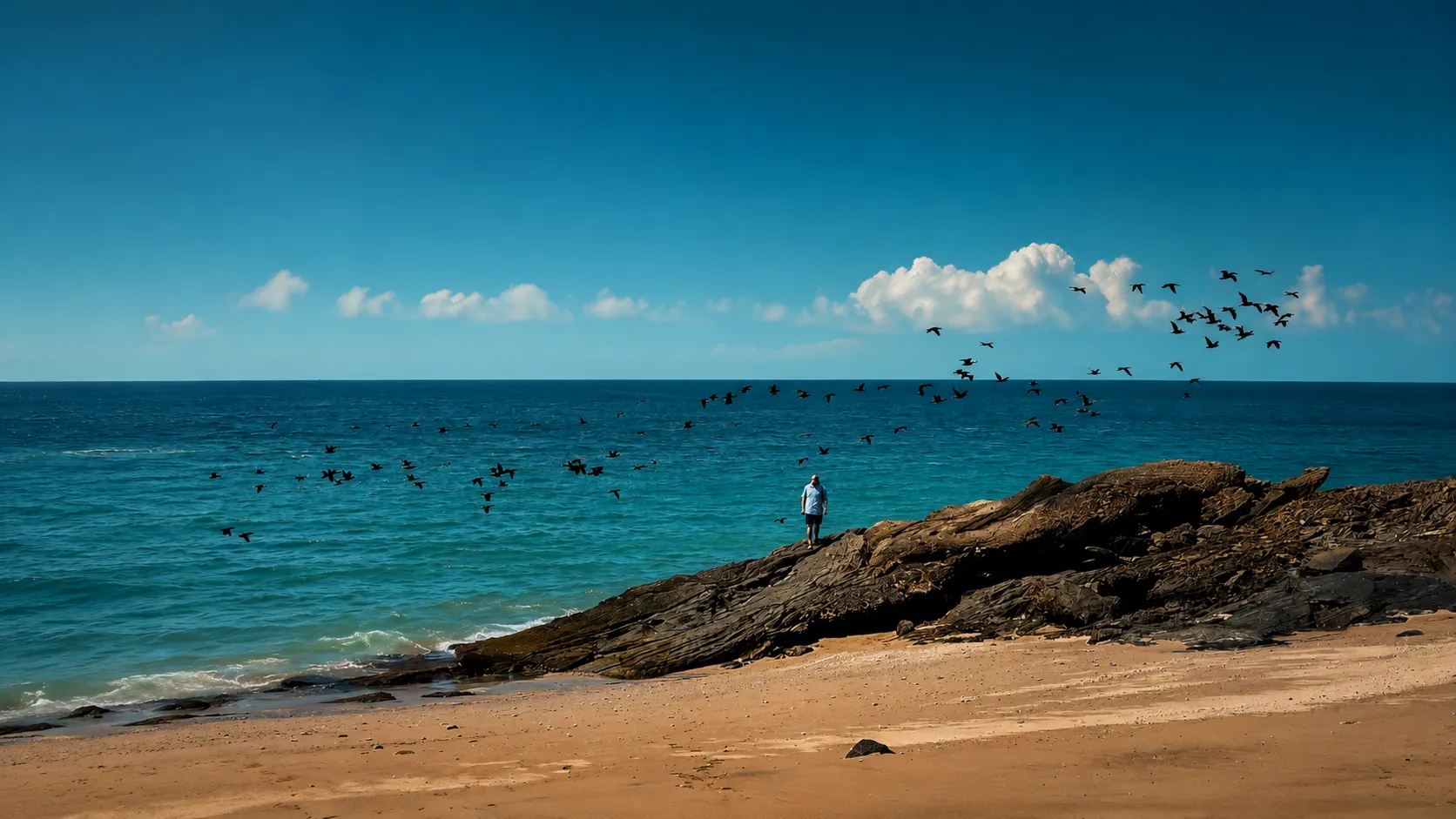
When I was alone on the island in Canada, filming Alone, alpha was effortless. Watching the fire crackle. Sitting on the riverbank. Watching geese play in the water. Fishing for hours at a time. No effort required, just presence. It’s the natural state of the hunter-gatherer. They were natural meditators. Your breathing regulates itself, your nervous system settles, and you drop into something calm and serene that modern life works very hard to keep you out of.
What’s the difference between a calmcation and a real reset?
Honestly? Both have their place, but adventure holidays leave me properly reset. Like I’ve been away forever. Total escapism, nervous system rewired, the whole lot.
It depends on the holiday, of course. A yoga retreat or a Vipassana probably gets you to the same place. But for most people, a calm holiday won’t. Adventure does something different. When I come back from a proper one, I feel reset and replete. Like I’ve actually been somewhere, not just somewhere else.
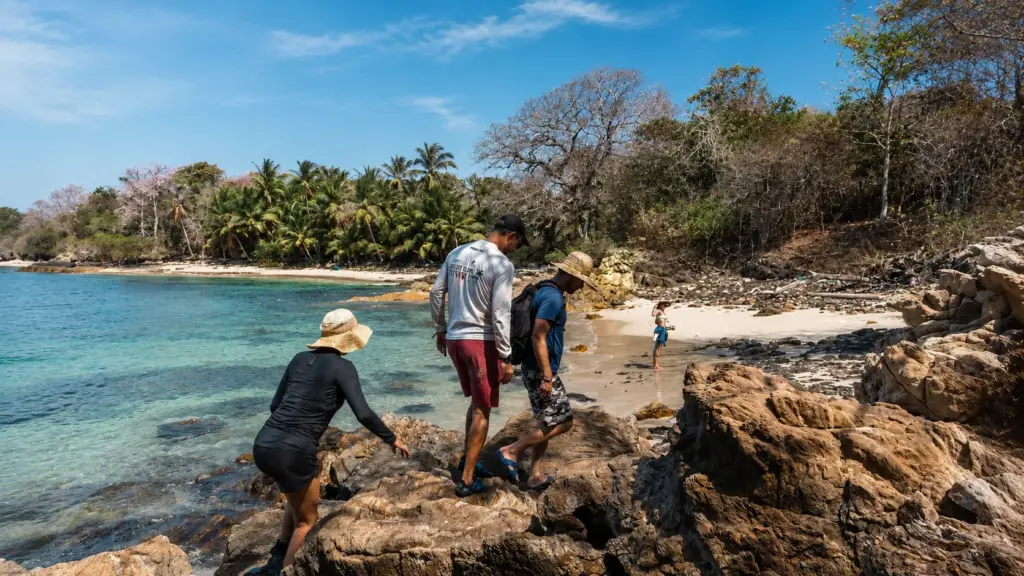
That’s the whole reason we built what we built. Desert Island Survival started as a way to do what a wellness retreat is trying to do, but with all the other things stacked in alongside. You get the reset. You also get the adventure of a lifetime. The stories you’ll share forever. A genuine feeling of accomplishment, and a quiet growth in your own resilience that carries back into the rest of your life.
The thing a good expedition does that a passive holiday struggles to is stack outcomes on top of each other. You’re not choosing between rest and adventure. You’re getting both in the same ten days, because the shape of the week handles the reset for you while you’re busy learning something new. Your phone stops pulsing in your pocket like a phantom limb. Your breathing settles without you asking it to. You come back reset, fed, a little fitter, with a week’s worth of stories you’ll still be telling at dinner parties in five years. Not one of those outcomes is a trade-off against another.
You can sit on a lounger. Or you can close the same tabs, settle the same nervous system, and come home with something that actually sticks. I’d argue the second one does more for the money.
When is a calmcation the right call?
There are times when a calmcation is genuinely the right call, and I want to say this clearly so the piece doesn’t read like I’m dragging wellness holidays.
If you’ve just been bereaved, or you’ve just come out of surgery, or you’re in an active burnout with physical symptoms, a calmcation may be exactly what you need. You’re not trying to reset. You’re trying to convalesce. There’s a real difference, and mixing up the two is how people end up on the wrong trip at the wrong moment.
If the signals are clear, reaching for alcohol in the evenings, sleep not coming, breathing not regulated, a quiet week with no decisions to make and nobody to impress can recalibrate a lot. Use the calmcation for what it does well, and don’t ask it to do things it can’t.

The rest of the time though, I’d gently suggest the honest answer is that ease isn’t quite what you need. You need absorption. Something to do with your hands and your attention that isn’t work and isn’t a screen. Something hard enough that you have to actually be there for it.
A useful test is to ask what you remember from your last two holidays. Not what you booked, not where you stayed, but what you can still feel. If the answer is the food and a bit of sun on your face, the holiday served a purpose but it probably wasn’t a reset. If the answer is a specific evening, a specific walk, a specific conversation that’s still with you months later, something happened to you that week that stuck. Reset holidays tend to have those moments stitched through them. The softer holidays tend not to, because nothing is asking enough of you to print a memory that lasts.
What if you’ve got longer than a week off?
If you’re lucky enough to have more than a week, the principle is the same but the stakes are bigger. The first ten days of a longer break set the shape of everything that follows. We’ve written separately about how to start a micro-retirement and why the first block matters most. Spend the front of a longer break on something hard and unfamiliar, and the softer weeks do what they’re meant to do. Spend it on a sun lounger, and your old defaults quietly take the wheel back.
The question you’re left with
When was the last time a holiday actually changed how you felt about Monday?
Frequently asked questions
A deliberately slow, low-stimulus holiday designed to feel restful. Spa retreats, digital detox hotels, quiet nature stays. The term has become shorthand in lifestyle press for any holiday where doing as little as possible is the point.
For some people and some situations, yes. If your nervous system is acutely overactive or you’re recovering physically, a quiet week can recalibrate a lot. For most people though, a pool-and-cocktails version of a calmcation tends not to stick. The calm evaporates within two or three weeks back at work.
A calmcation is defined by what you don’t do. A reset holiday is usually defined by what you do, and by how absorbed you get in it. Different shapes. A reset holiday pushes you into alpha through presence and gentle physical effort. A calmcation tries to get there through the absence of stimulation. They can overlap. They’re not the same thing.
Beta is the stimulated, task-focused, slightly wired state most of us live in all day. Alpha is the quieter state you slip into when you’re daydreaming, walking without your phone, or fully absorbed in something that doesn’t need much cognition. Alpha releases endorphins, lifts mood, and takes the edge off anxiety and stress. Most modern life is lived in beta.
Choose a calmcation if you’re genuinely convalescing, recently bereaved, post-surgery, or in an active burnout with physical symptoms that need rest rather than stimulation. Choose an adventure holiday if your reset needs novelty and absorption rather than quiet. If you’re not sure which one you are, you’re probably in the second camp.