
When is the Best Time to Visit Coron in Palawan?
The best time to visit Coron in Palawan is during the dry season from December to May, with December to March being the peak period for calm seas and clear skies. Palawan is not necessarily a place you may have come across on your travels, but it should be. Coron is part of the archipelagic province of the Philippines and it is one of the most beautiful places I have ever been.
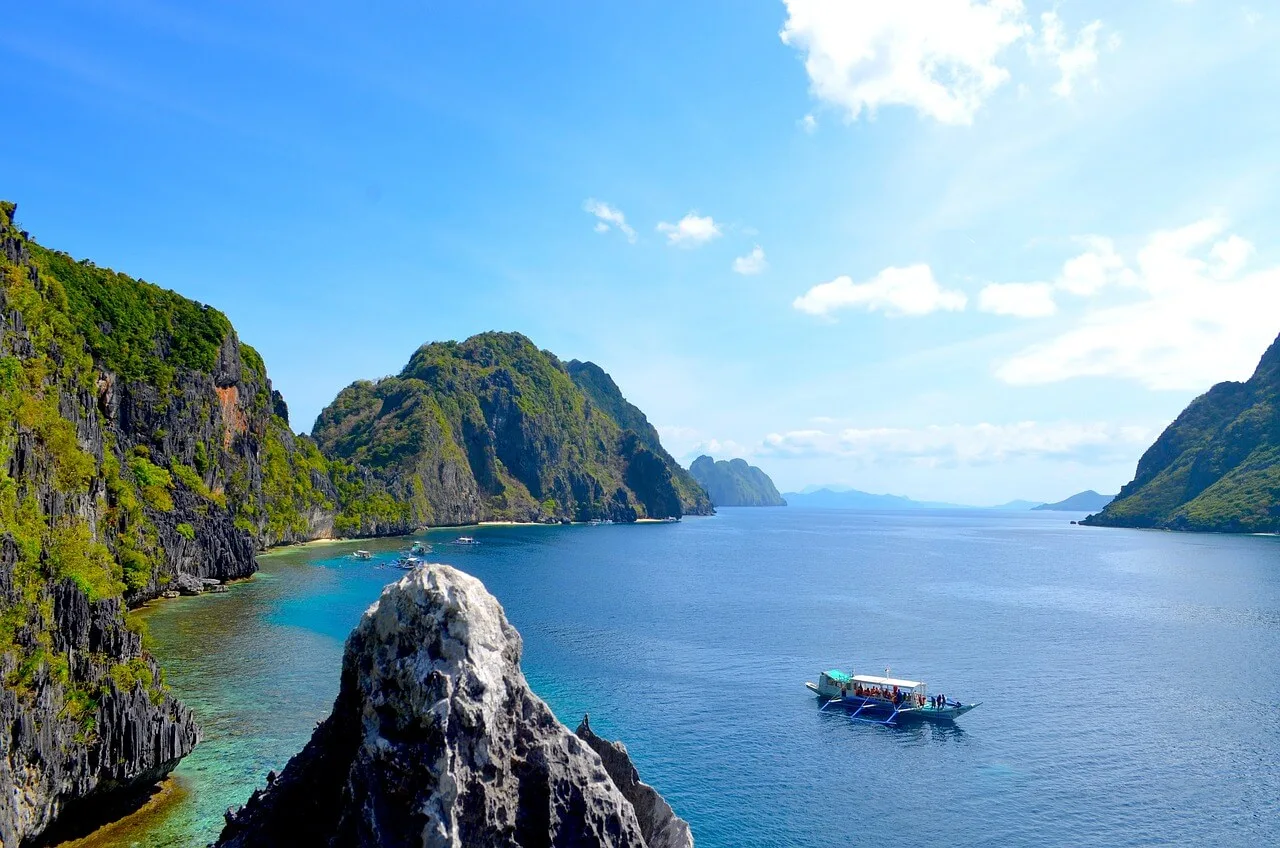
Nestled in Northern Palawan, Coron Island draws travellers with its crystal-clear waters, limestone cliffs, and some of the best wreck diving in the world. It is the kind of place that makes you rethink everything you thought you knew about island life.
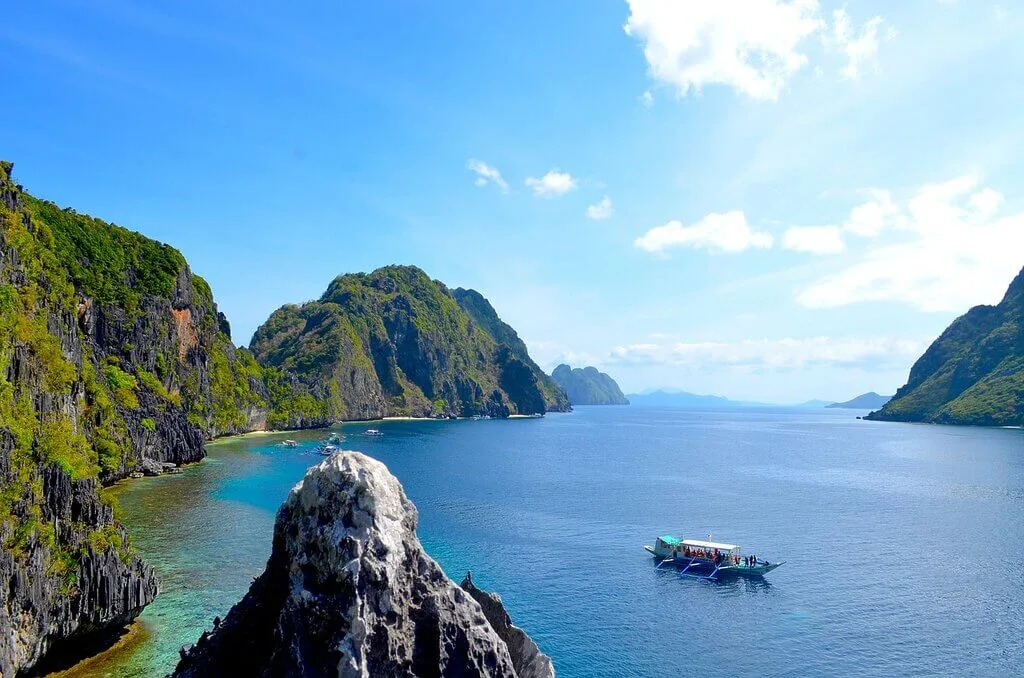
In this post we will be looking at when is the best time to visit this corner of the Philippines, depending on what you are after. Whether that is diving, beach time, or something altogether wilder.
Whether you’re a diving enthusiast, a beach lover, or an explorer at heart, this guide will help you determine the perfect time to visit Coron Island, ensuring your island wilderness experience is nothing short of spectacular.
Understanding Coron’s Climate
Before diving (some pun intended) into the best times to visit, let’s get the lay of the land. Weather-wise, Coron Island is a relatively small island in the Calamian Islands when compared to the main Palawan Island and experiences two main seasons, the dry season and the wet season.
Each brings its own unique charm and set of activities, and our guide will help you to decide which time of year would suit you best.
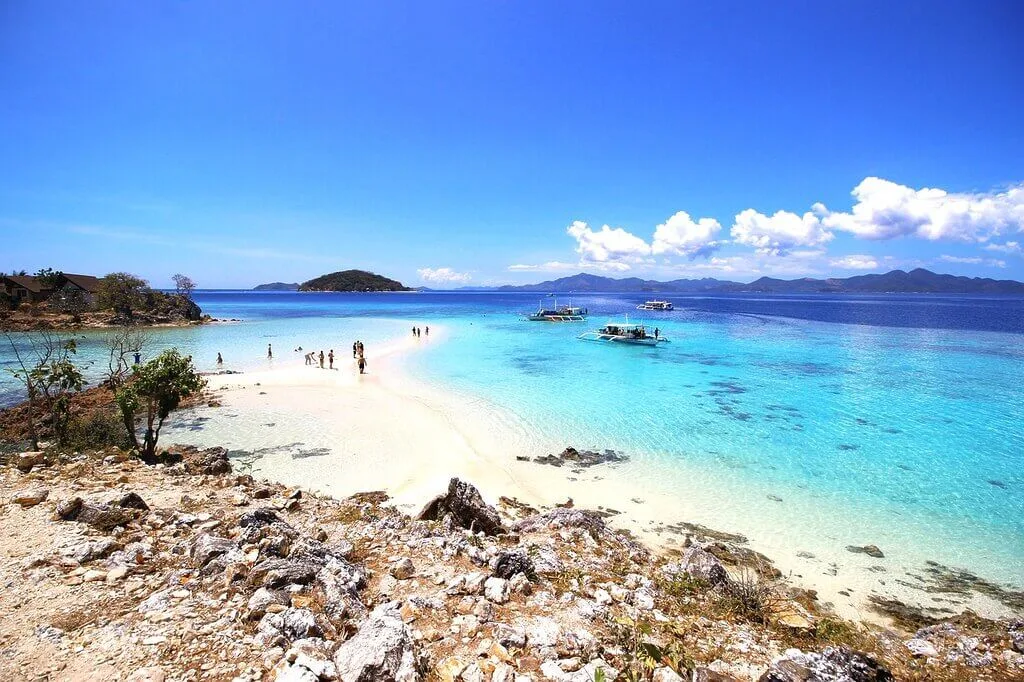
Dry Season – December to May
Peak Tourist Season (December to March)
During these months, Coron, along with the surrounding islands like Busuanga Island and the Calamian Islands, basks in sunshine, making it the ideal time for beachgoers and island hoppers. The sea is calm, offering perfect conditions for diving and exploring the underwater mountains.
A wonderful place to get to know your fellow adventurers, Busuanga is the meeting point for our Philippines desert island adventure. If anything you may find in this post inspires you to take the trip to the area, it’s a great place to start. For a luxurious and eco-friendly stay, consider the Two Seasons Coron Island Resort, a 5-star resort ideal for honeymoon goers and couples.
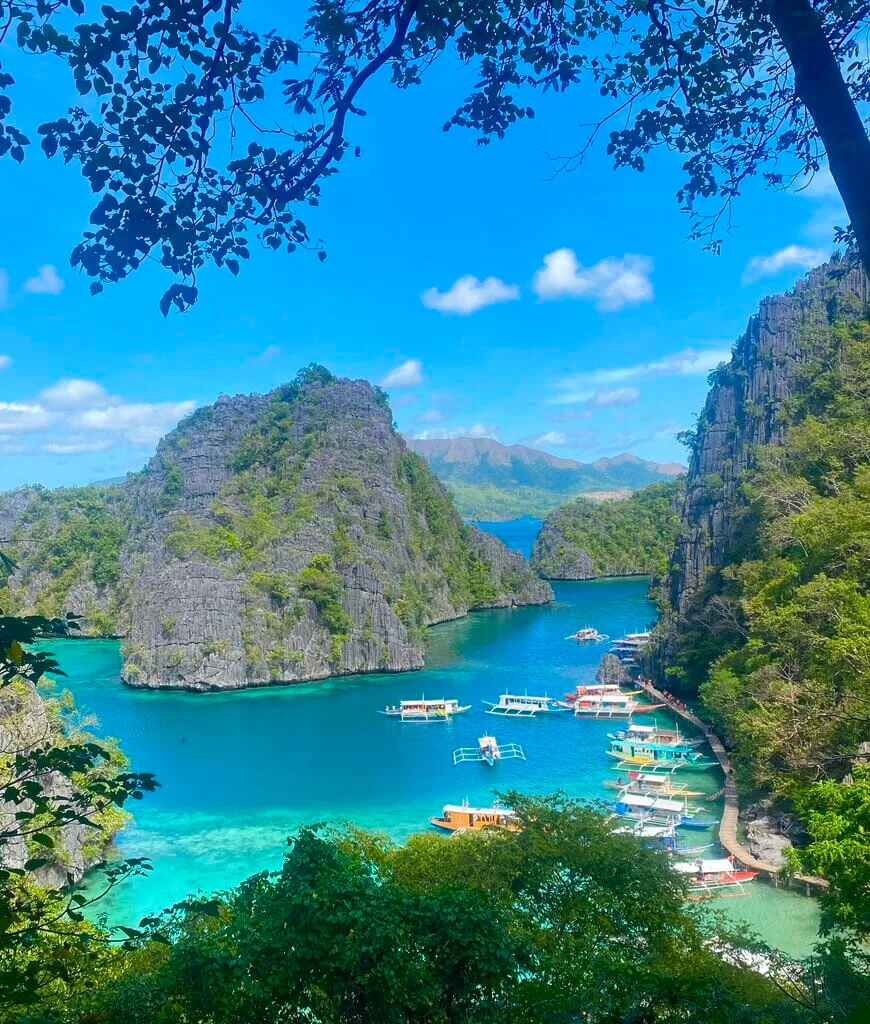
Island Hopping and Diving: For most travelers, an island hopping tour is a must, with stops at iconic spots, while taking the chance to visit Kayangan Lake, known as one of the cleanest lakes in Asia (and a truly awesome place), and the mesmerising Twin Lagoon (made up of, you guessed it, beautiful twin lagoons).
Divers, this is your blue lagoon paradise, with wreck dive sites waiting to unveil their underwater secrets, offering a diving experience second to none. Amazing things are there for you to discover.

Hotter, Yet Still Popular (April and May)
These months are hotter but still fantastic for visiting Coron. The water visibility is at its peak, ideal for scuba diving in the sea around around Coron Bay and exploring the famous Luluyuan (otherwise known as ‘Barracuda’) Lake, as well as taking some time to visit other islands.
Wet Season – June to November
A Different Kind of Beauty (June to September)
While the rainy season might deter some, it offers a unique experience. The landscape is lush, and while rain is common (the clue is in the name.), it usually comes in short bursts, leaving plenty of time for exploration.
‘Green’ Season Adventures: Outdoor enthusiasts will find the hiking trails more vibrant. Plus, with fewer tourists, places like Maquinit Hot Springs offer a more serene experience. A beautiful time of year to experience the sense of peace that reduced footfall brings.
Transition Months (October and November)
These months mark the transition to the dry season. While there’s still a chance of rain, the weather gradually improves, offering a mix of sunny and rainy days, perfect for those looking to avoid the peak season crowds and too many other travellers.
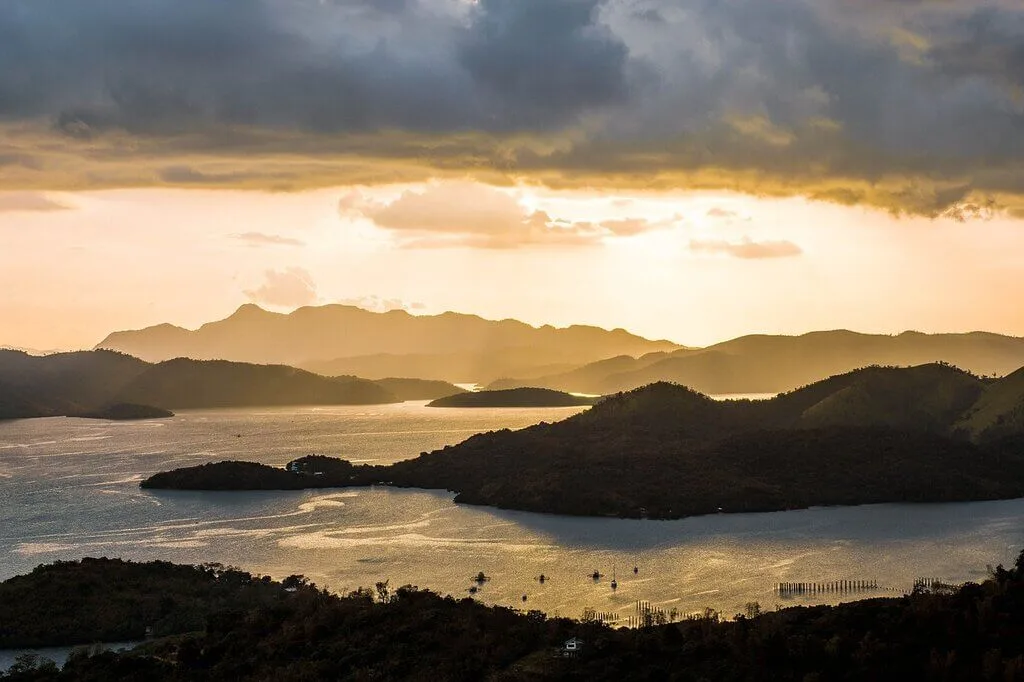
Seasonal Highlights and Activities: Wreck Diving
Diving and Snorkelling: Coron is renowned for its world-class diving spots. From the World War II Japanese warships to the vibrant coral gardens, there’s something for every level of diver.
Festivals and Cultural Experiences: Coron isn’t just about natural beauty; its cultural festivities add to its charm. Planning your visit around local festivals can offer a deeper insight into the island’s heritage.
Eco-Tours and Conservation: Participate in eco-tours that highlight Coron’s commitment to preserving its natural beauty. Learn about the island’s flora, fauna, and initiatives to keep Coron pristine.

So When Should You Go?
Ultimately, as you can see, the best time to visit Coron depends on your preferences. Whether you’re after sunny skies for beach lounging or cooler days for hiking, Coron’s diverse offerings ensure there’s never a wrong time to explore this paradise.
Ready for a Real Adventure? Island Hopping Awaits
If Coron sounds like your kind of place, you will love what we do. Our island adventures take you to some of the most remote and beautiful islands in the world, with real survival skills training built in. Have a look at our Panama expedition or our Philippines trips to find the right fit.
Contact us today to book your expedition, or if you have any questions, with our next trips taking place in January 2025.
Like the sound of Coron, but would like to check out some more of our offerings? We can help you there.
Frequently Asked Questions
Coron is celebrated for its stunning landscapes, both above and below the sea, including breathtaking lakes, hidden lagoons, and extraordinary dive sites.
From world-class wreck diving, and snorkelling in various dive sites, to island-hopping adventures and tranquil hot springs, Coron offers a plethora of activities for every type of traveller.
Travelers can reach Coron via a flight to Busuanga airport, followed by a short drive and boat ride to Coron town. Direct flights from Manila and other major cities are available, here’s our travel guide to let you know how we do it (The Funny Lion hotel is definitely an experience not to be missed).
Both Coron and El Nido offer unique experiences. Coron is renowned for its underwater adventures and enchanting lakes, while El Nido boasts stunning beaches and dramatic landscapes. Your choice depends on what kind of adventure you seek.