
The Last Wild Islands: Experience Them Before They Disappear
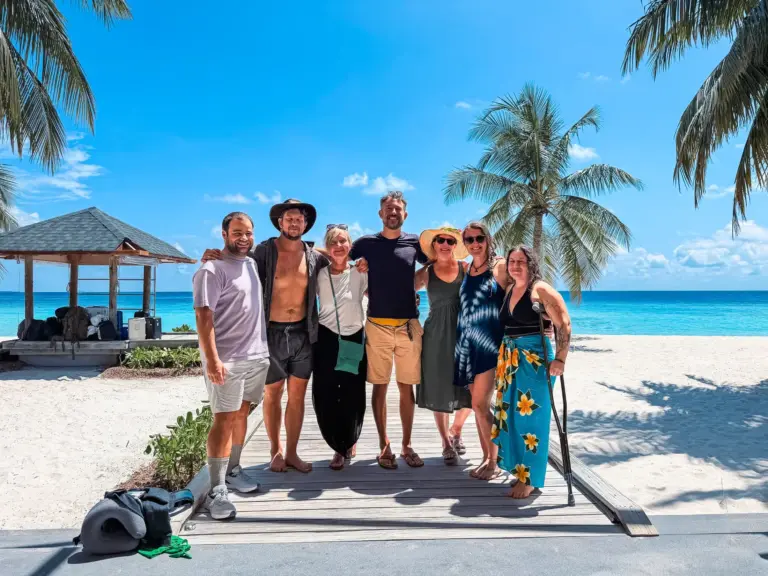
Tom was at the guesthouse, getting ready to welcome the next tribe for the Maldives expedition. The instructors were checking hammocks and gear, the safety briefing notes were on the table, and the guests were landing that afternoon.
Then his phone rang.
It was about the island in the Philippines, one we have used for years. A place where hundreds of castaways have slept under palm leaves, learned to fish by hand, and remembered what they are capable of. The owner had started the process of selling it.
Just a few months earlier, we had received the same call about our Panama island.
These things take time, the sale, the permits, the building, but it always marks the beginning of the end. Once the process starts, the countdown begins. Realistically, we will be able to use those islands for another year or two. After that, we will either have to find new ones or close those chapters completely.
When Tom stepped outside, sat down on the low wall by the guesthouse, and sent a voice note to Layla.
“I got the call,” he said. “It’s the Philippines this time.”
He sat for a moment to take it all in.
“It is always changing,” he said later. “You can’t own wilderness. You just get to borrow it for a while.”
What Makes These Islands Different
Finding the right island for a survival expedition is never simple. It must be remote but reachable, resource rich but safe, untouched yet legal to use. There needs to be coconuts, fresh water, fish, and shade; but also an escape route if something goes wrong.
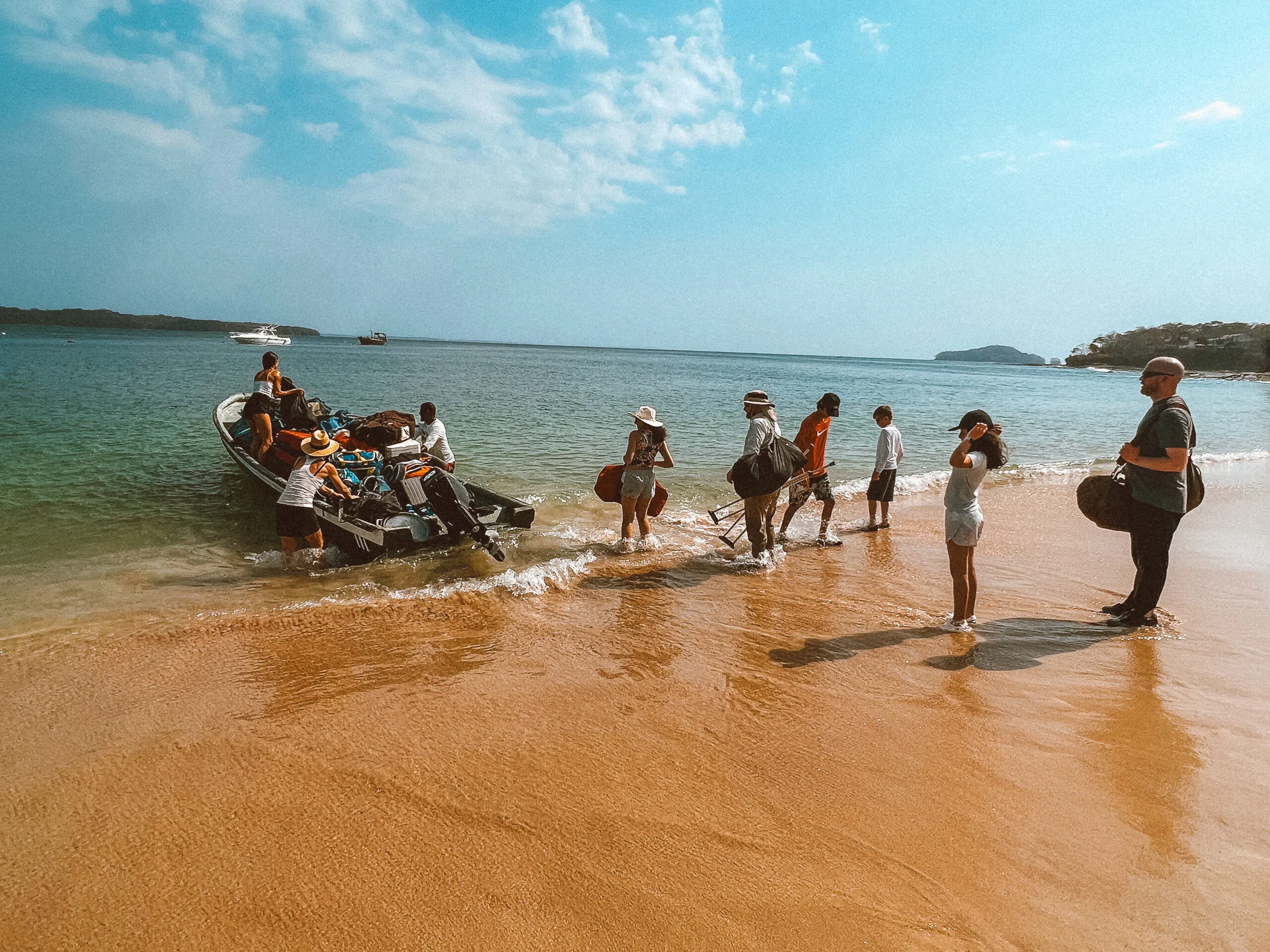
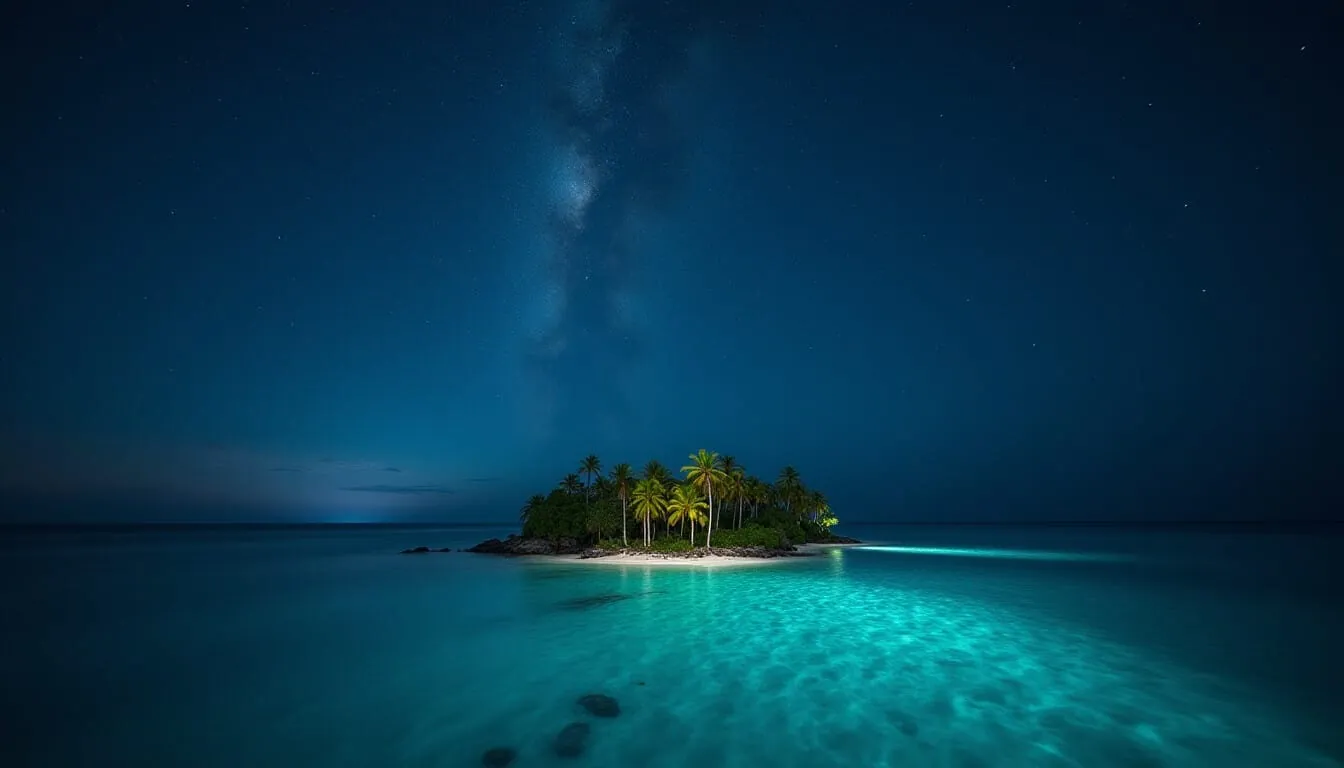
These are not film set islands. They are real ecosystems with coconut groves that hum with fruit bats, coral shallows alive with fish, and tides that decide when you eat, sleep, and move.
That is why each one is precious. When an island is sold or developed, you don’t just lose a location. You lose a living classroom, a fragment of real wilderness.
The Clock Is Ticking
Our Panama island was the first to go. Now the Philippines is following. Both are still wild and still running expeditions, for now.
It’s a strange feeling, knowing that the clock is ticking while you are teaching someone to build a shelter, or catch their first fish. These places have shaped so many stories, and soon they will change forever.
Maybe it will take a year. Maybe two.
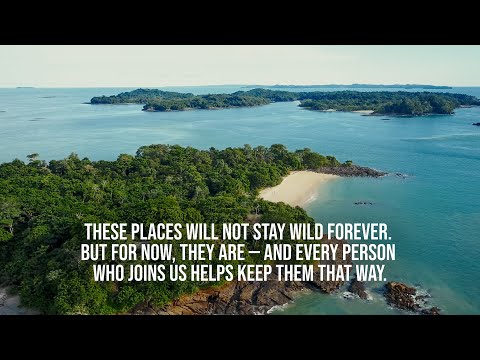
Watch: The Islands Before They Change
And yet, the wild always has a way to surprise us. When one island fades, another frontier opens. Botswana, Tanzania, and Sweden are already part of that story: different environments, same purpose.
Each follows the same rhythm we have always lived by: Learn → Survive → Celebrate.
In Botswana, guests paddle through the Okavango Delta and camp on remote islands, surrounded by elephants and stars. In Tanzania, they live alongside the Hadza, one of the last hunter-gatherer tribes on Earth. Sweden finds themselves alone in the forest, stripped back to essentials.
The details change, but the essence stays the same: real challenge, simple living, invisible safety.
Why It Matters
Every expedition has always had a bigger purpose. It is not only about survival. It is about connection and protection.
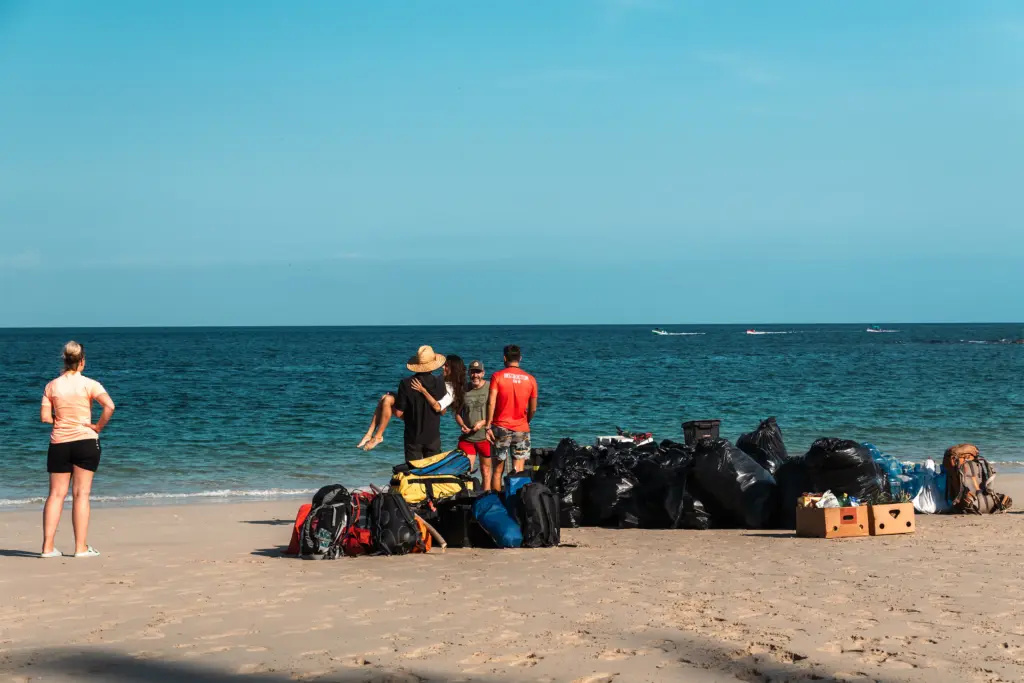
Each guest who joins us helps keep these places wild for a little longer. We donate a portion of every expedition to conservation, but the real impact comes from awareness. Once you have lived in the wild, it is impossible not to care about keeping it that way.
Tom puts it simply.
And what is left matters more than most people realise. Islands are small on a map, but they are giant in what they hold. They are home to some of the world’s rarest species, the cleanest coral reefs, and the most fragile ecosystems on Earth. When an island stays wild, it acts as a refuge for life, for balance, for perspective.
They also teach us something about limits. On an island, resources are finite. You learn to use what you have, take only what you need, and give something back. That is not just survival — it is sustainability in its most honest form.
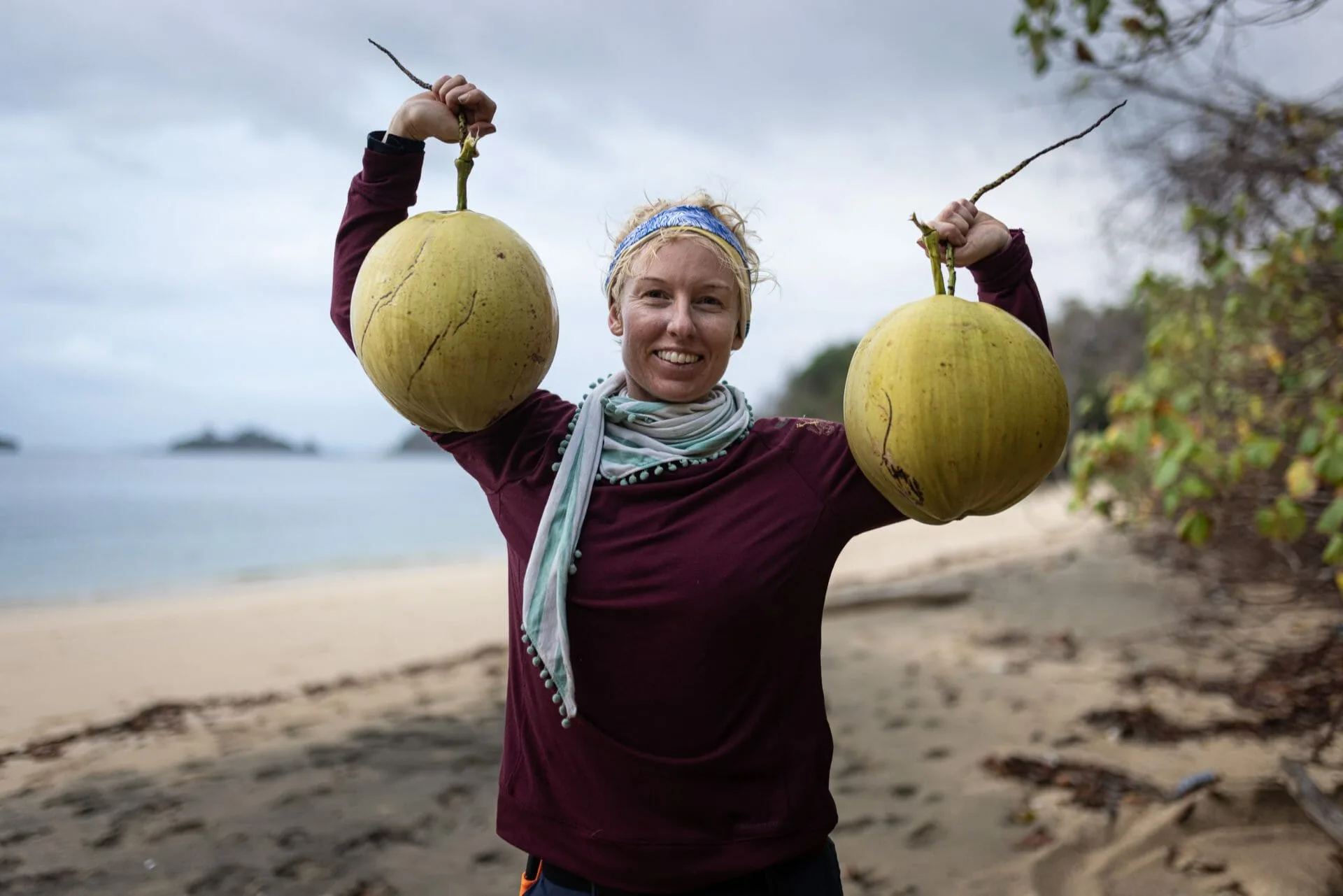
The lessons that islands teach are the same lessons the planet needs. If we can live simply, respectfully, and within our means, on a small piece of land surrounded by sea, then maybe we can learn to do the same everywhere else.
That is why it matters. Protecting these wild islands is not just about keeping a place beautiful. It is about keeping a mirror to how we should live; connected, aware, and grateful.
What You Feel When You Are There
The magic of these islands is not in their views, but in the rhythm they teach.
Cooking fish over fire. Watching stars instead of screens. Waking with the light and sleeping when the tide turns.
Every castaway describes the same thing in their own way. That feeling of returning to something old and familiar, as if the wild switches something back on inside of you.
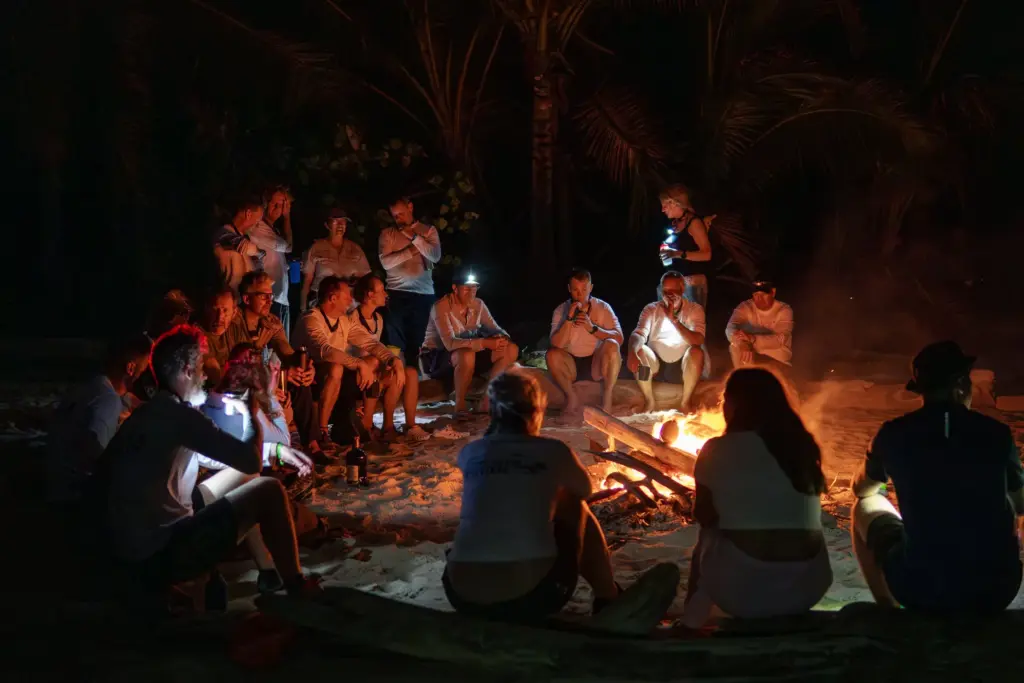
Tom calls it the gratitude reset. Not transformation or revelation, just remembering what it feels like to value what is real.
New Destinations
Losing an island always hurts. But wilderness never stands still. It shifts, it hides, it moves.
That is why we are already exploring new destinations. The wide deltas of Botswana, the bushlands of Tanzania, the quiet forests of Sweden. Each one offers the same essence of survival and simplicity in a new form.
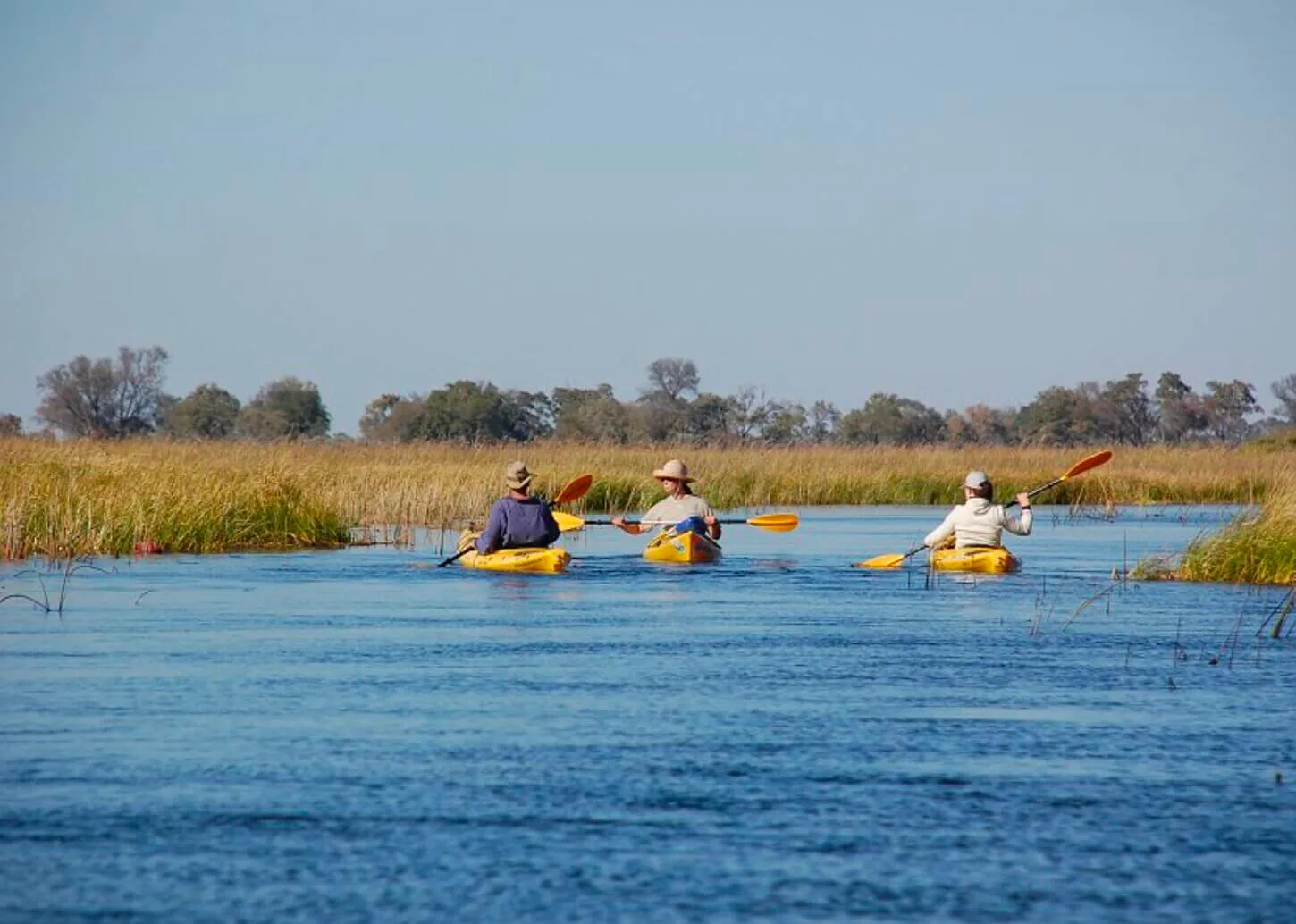
The islands may change, but the wild will always find new edges. So will we.
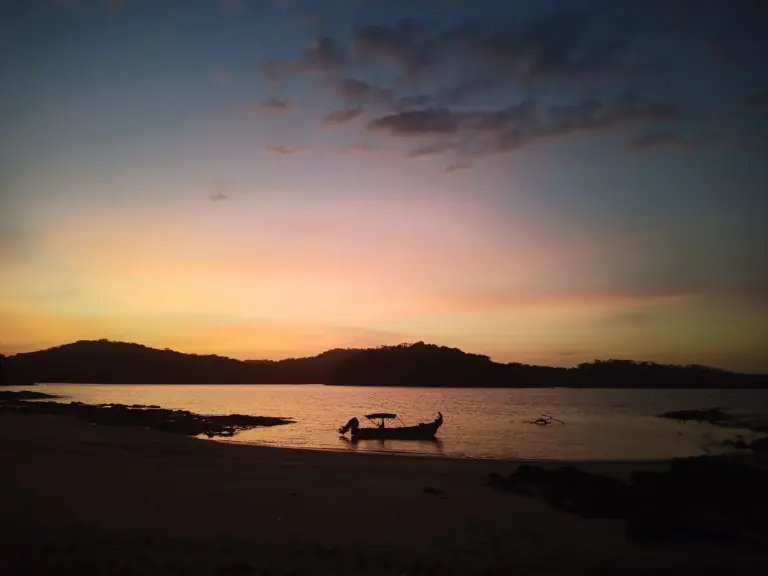
The islands in Panama and the Philippines are still open for now. The sand is still white, the stars still clear, and the silence still absolute.
But not for long.
If you have ever wanted to know what it feels like to live wild, to strip life back to its simplest form, now is the time. These places will not stay untouched forever. But for now, they are, and you can still stand there, barefoot and alive, before they disappear.