
Is a Survival Expedition Worth It
Most people don’t say no to adventure.
They say not yet.
Not yet because work is busy Not yet because life is comfortable enough Not yet because the timing never feels quite right
The people who eventually come on survival expeditions are rarely reckless or dissatisfied with their lives. In fact, most are doing well by conventional measures. Careers are stable. Relationships exist. Life functions. Celebrating a milestone in life. Starting a new chapter.
What they feel is quieter.
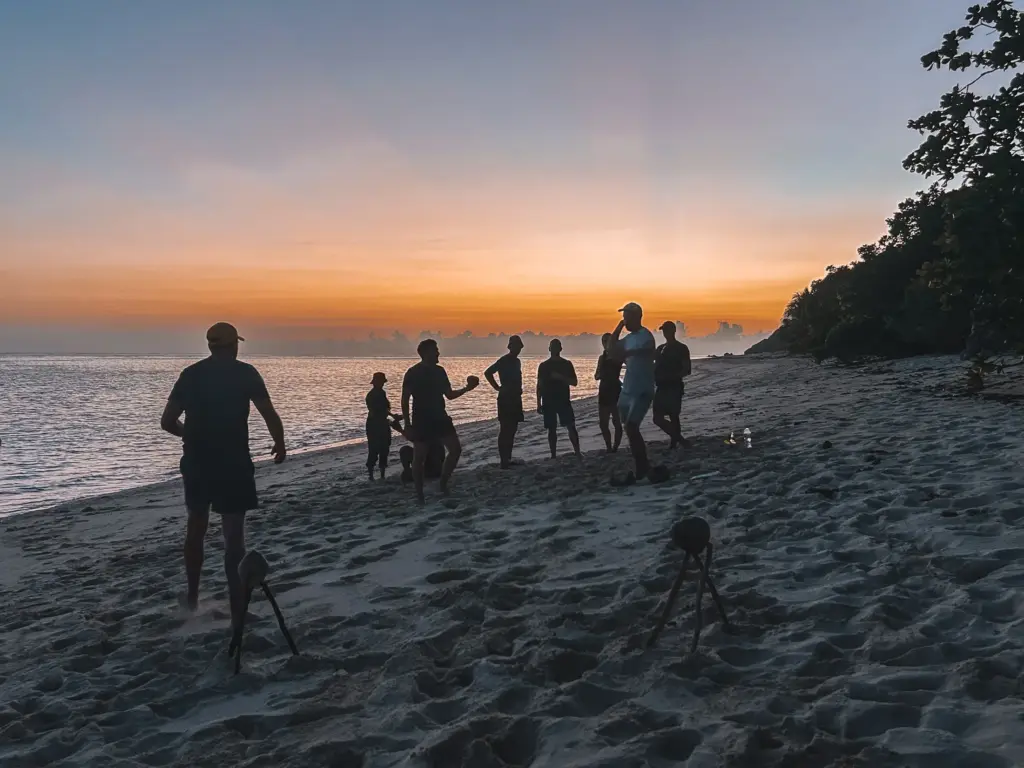
A low-level restlessness A sense of being slightly disconnected from themselves The feeling that life has become too managed, too padded, too abstract.
Nothing is wrong — and that’s exactly what makes it hard to name.
This is where the idea of a primal reset becomes important.
What Is a Primal Reset
A primal reset is not about rejecting modern life.
It is about temporarily stepping into conditions where the mind and body have to work together again in a very simple way.
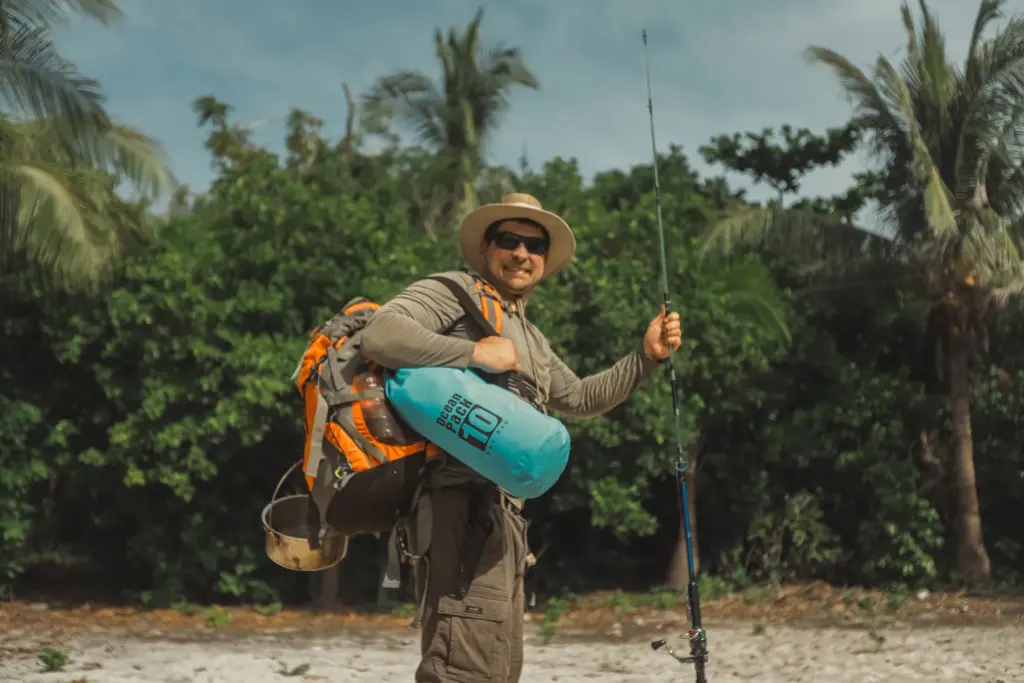
Modern life removes friction almost completely.
Food arrives without effort Shelter is guaranteed Risk is minimised Decisions are outsourced to systems, screens, and schedules
That efficiency is useful, but it also disconnects us from consequence.
A primal reset reintroduces consequence in a controlled, deliberate way.
In the wild:
This is not nostalgia.
It is neurological.
When life simplifies, the nervous system settles. The constant background noise of modern decision-making fades. People often describe feeling clearer within days, not because they are relaxed, but because they are engaged.
Why Discomfort Matters
This is where many people misunderstand survival expeditions.
They assume discomfort is the price you pay to get to something meaningful.
In reality, discomfort is the mechanism.
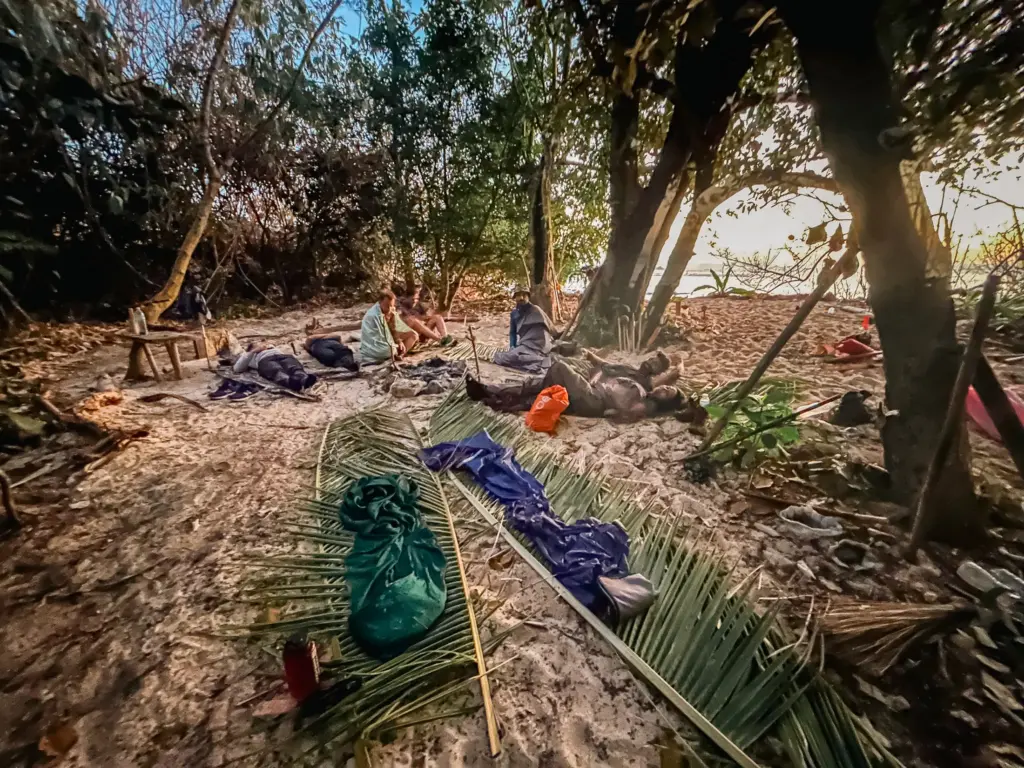
Cold, heat, insects, fatigue, uncertainty — these are not bugs in the system. They are the conditions that force attention, cooperation, and humility.
You stop multitasking You stop overthinking You deal with what is directly in front of you
That shift is what people remember months, and years, later.
Not for Everyone (And Why That Matters)
Please note: these experiences are not for everyone.
You should expect:
This is about stepping outside your comfort zone and becoming comfortable with a little discomfort.

That selectivity is intentional.
Survival expeditions are not meant to be broadly appealing. They work precisely because they are not diluted to suit everyone.
Who Tends to Thrive
People who thrive tend to be:

For these people, the reward is worth it.
Not comfort Not luxury But resilience, connection, perspective, and stories that genuinely matter.
How Survival Expeditions Work
A common fear is that survival means chaos.
It does not.
Our expeditions follow a deliberate, proven process that balances challenge with responsibility.
Learn
You begin by learning core survival skills from experienced wilderness instructors.

Fire Shelter Water Food Survival psychology
Nothing is rushed. Nothing is assumed. Confidence comes from understanding, not bravado.
Survive
You then apply those skills during the survival phase. This is where things become meaningful.

Weather changes Plans adapt Energy dips
You slow down You work together You discover what actually matters
This phase is where the primal reset happens.
Celebrate
At the end, you return to comfort.
Not as something handed to you — but as something earned.
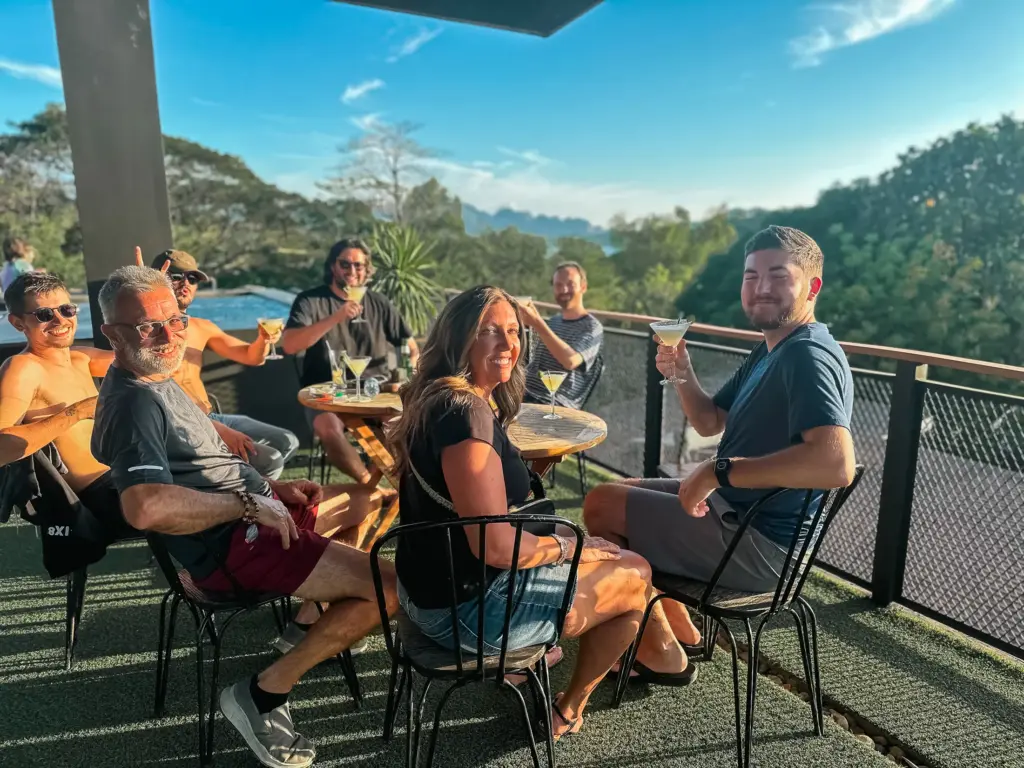
That distinction matters.
Celebration lands differently when it follows effort, discomfort, and shared challenge. People don’t just enjoy it. They feel it.
What Happens When You Struggle
One of the biggest unspoken fears people have before a survival expedition is this:
“What if I’m the one who slows everyone down?”
It’s a reasonable concern. Most people arriving on expedition are high functioning in their everyday lives. They are used to competence, control, and not being the weakest person in the room.
The reality is simpler and more human.

Everyone struggles at different moments.
One person might find the physical effort demanding. Another might struggle with uncertainty. Someone else might find group decision-making uncomfortable.
That variation is not a flaw. It is the point.
Survival expeditions are not about individual performance. They are about shared responsibility. Groups move at the pace of the group. Skills are distributed. Strengths rotate.
What matters is not who struggles, but how people respond when they do.
In practice, this creates something rare in modern life.
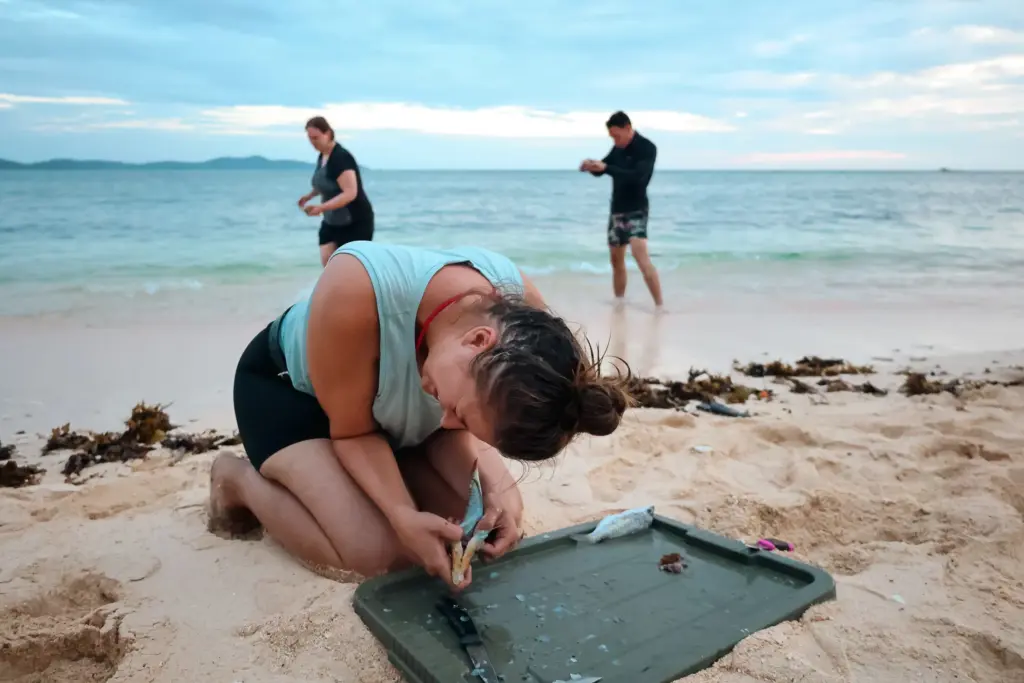
A situation where contribution matters more than competence, and presence matters more than polish.
People often arrive worried about being exposed. They leave realising that being useful does not require being exceptional. It requires paying attention and showing up.
That lesson tends to travel home with them.
Is a Survival Expedition Safe
Yes.
Not because it is easy — but because it is well managed.
Real risk exists. That is essential. Alongside it are experienced instructors, medical protocols, evacuation plans, and constant behind-the-scenes decision-making.
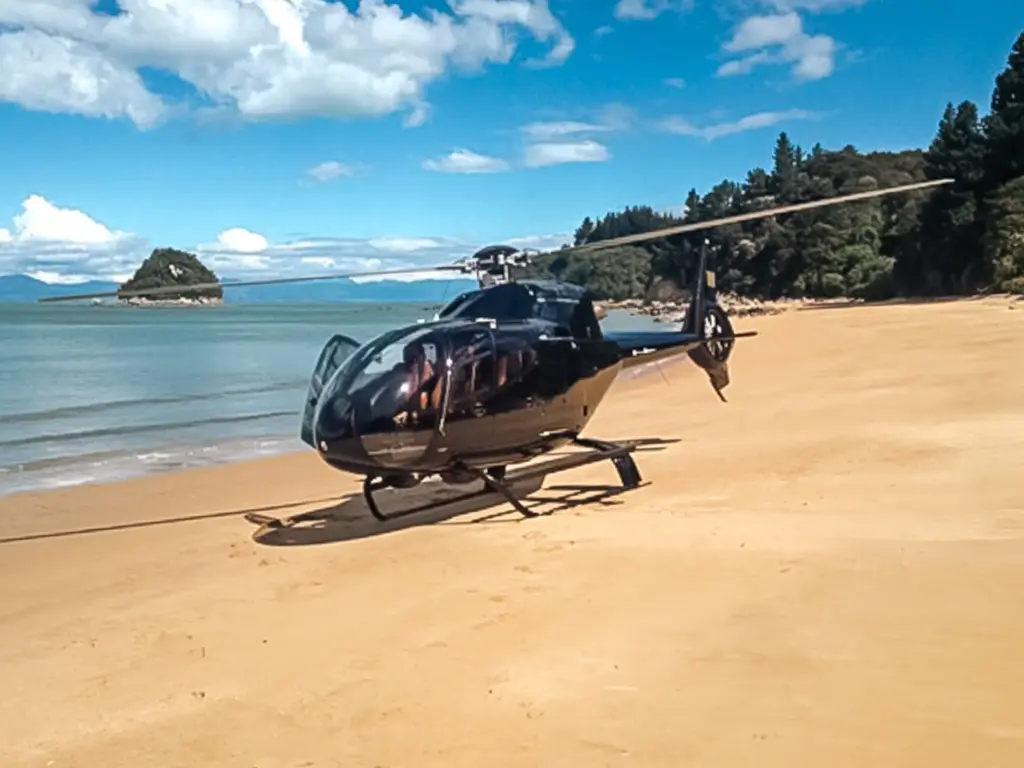
Safety is present without being visible.
The experience remains honest.
You can read more about how we manage risk here.
What People Actually Take Home
People don’t leave feeling heroic.
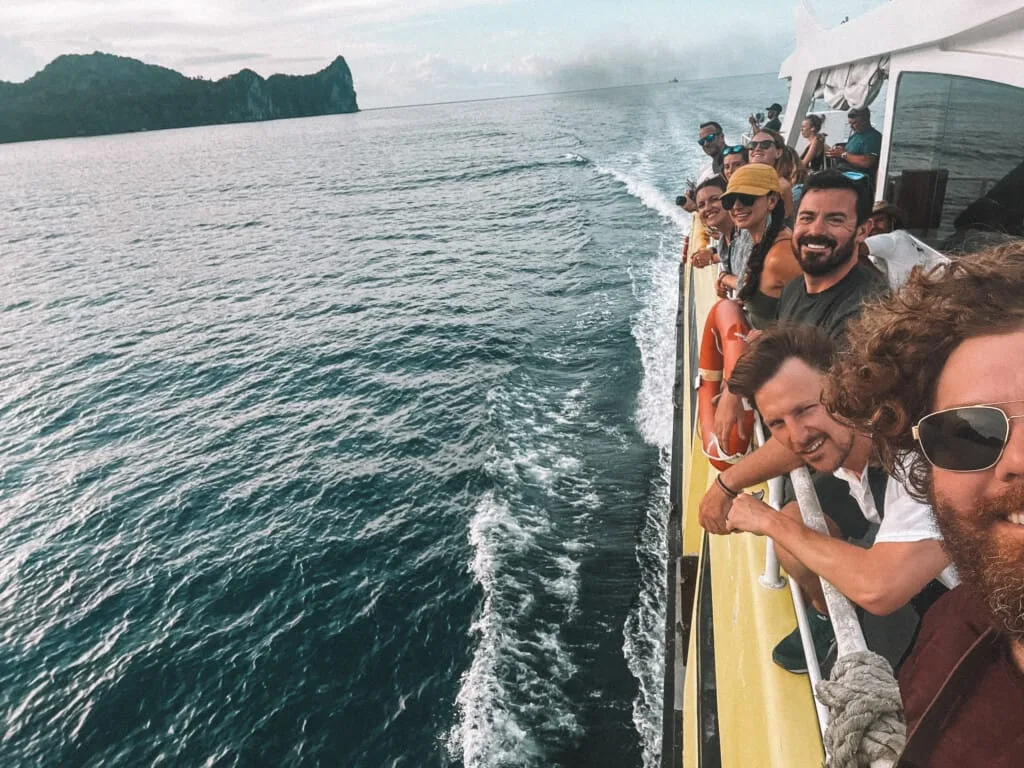
They leave feeling:
One guest described it perfectly after a difficult stretch of weather:
“I didn’t realise how much energy I spent fighting things I couldn’t control.”
That insight doesn’t fade quickly.
Why the Effects Last Longer Than the Trip
A survival expedition is short by design.
Most last less than two weeks.
The reason the effects persist is not adrenaline or novelty. It is expectation.
Once you have made decisions with real consequences, managed discomfort without escape, and contributed meaningfully to a group under pressure, it becomes difficult to return fully to passive habits.
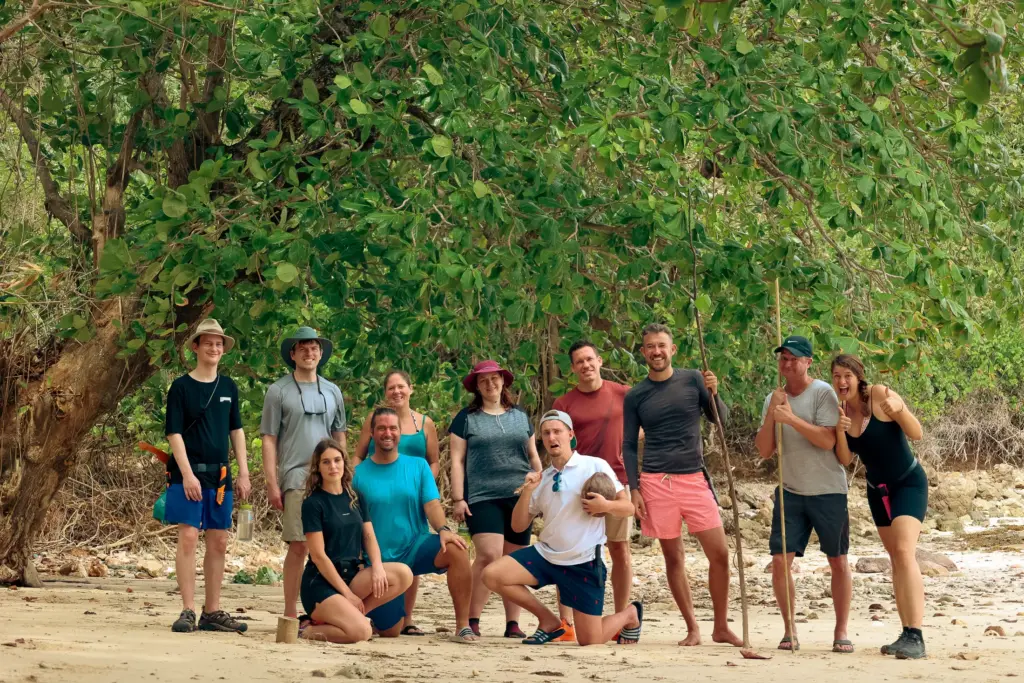
People don’t become different versions of themselves. They become clearer ones.
That clarity doesn’t fade quickly.
So Is a Survival Expedition Worth It
For the right person, absolutely.
For everyone, no.
And that is exactly how it should be.
A survival expedition is not about proving toughness or escaping reality. It is about remembering what you are capable of when life is stripped back to essentials.

Ready to Decide
If you are curious which environment and expedition style fits you best, the next step is simple.
Take the quiz and find your expedition.