
The Bow Drill Paradox: What 72 Hours of Failure Teaches About Real Achievement
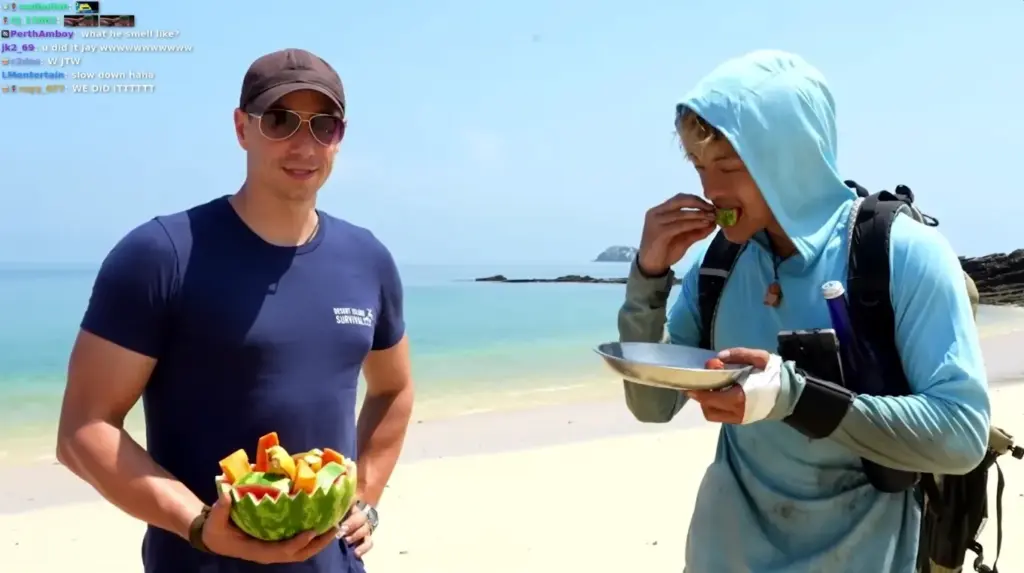
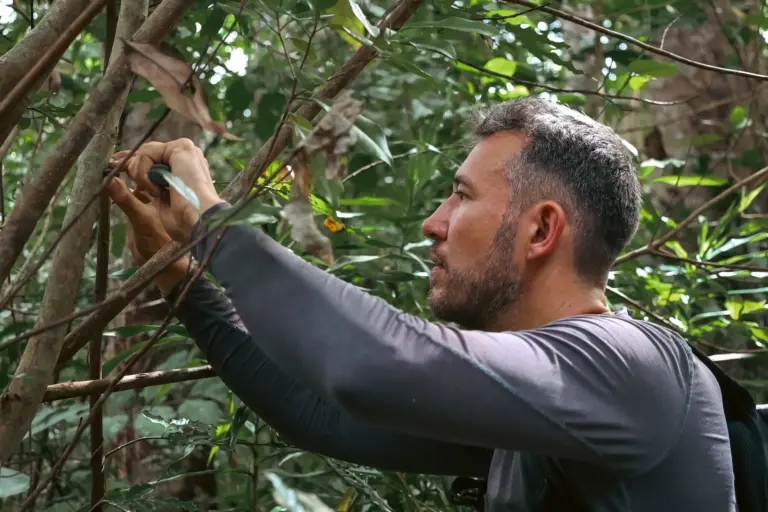
Jason Theween arrived at the Panama Pearl Islands as a young guy from LA with a Twitch channel, an audience who expected him to struggle, and a bow drill he was certain he could get to work.

He had good reason for that certainty. He had got an ember during training, before the expedition proper began. That early success gave him something most people don’t start with: genuine self-belief. He had done it. He knew he could do it again.
He was wrong about how quickly.
What the Bow Drill Actually Is
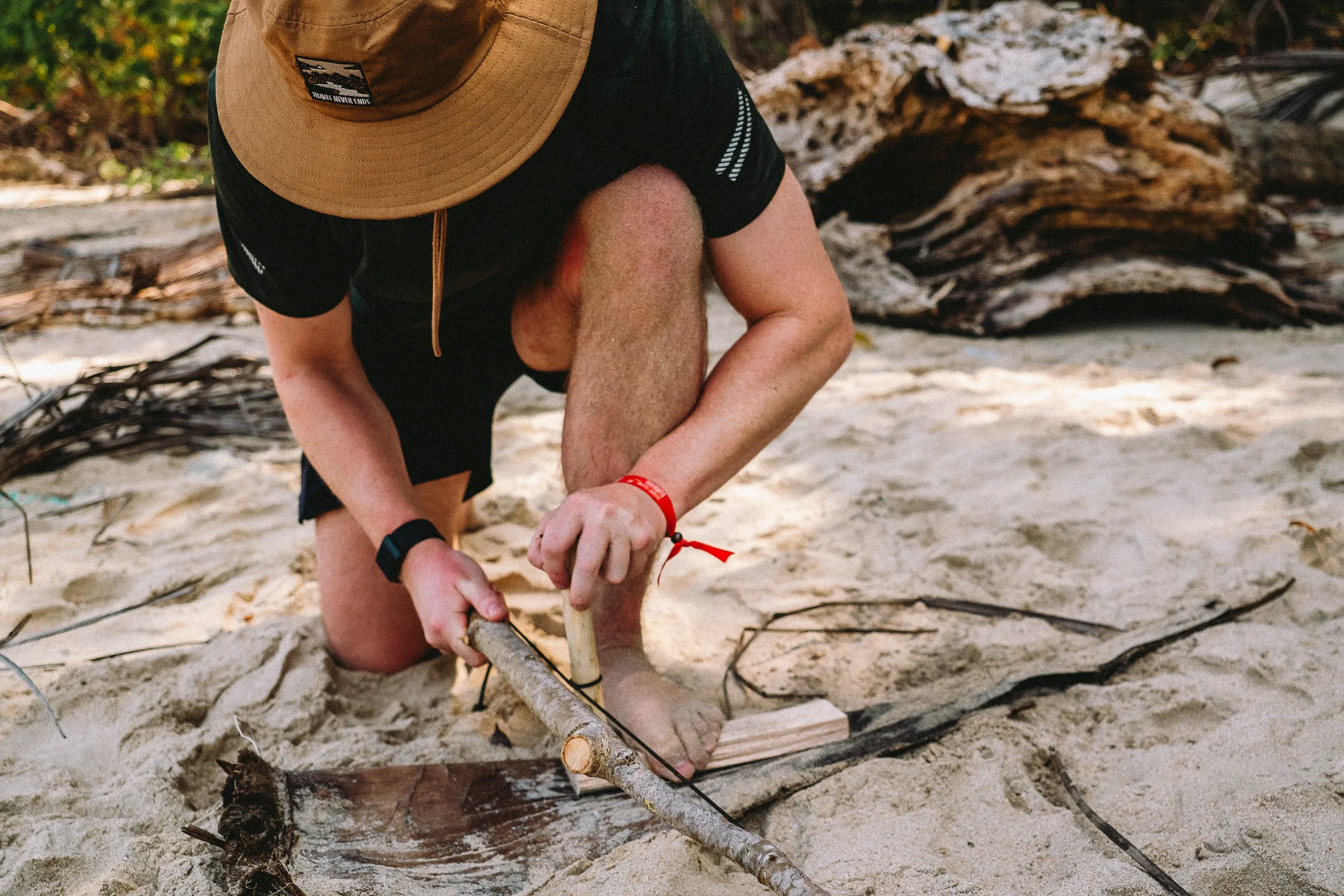
The bow drill is one of the oldest fire-starting technologies humans ever developed. The principle is straightforward: a wooden spindle rotates inside a notched fireboard using friction to generate heat. Done correctly, the friction produces a fine black dust that accumulates in the notch, heats past 400 degrees, and becomes a glowing ember you can nurse into a fire. Done incorrectly, you get sore arms, blistered hands, and a quiet kind of humiliation.
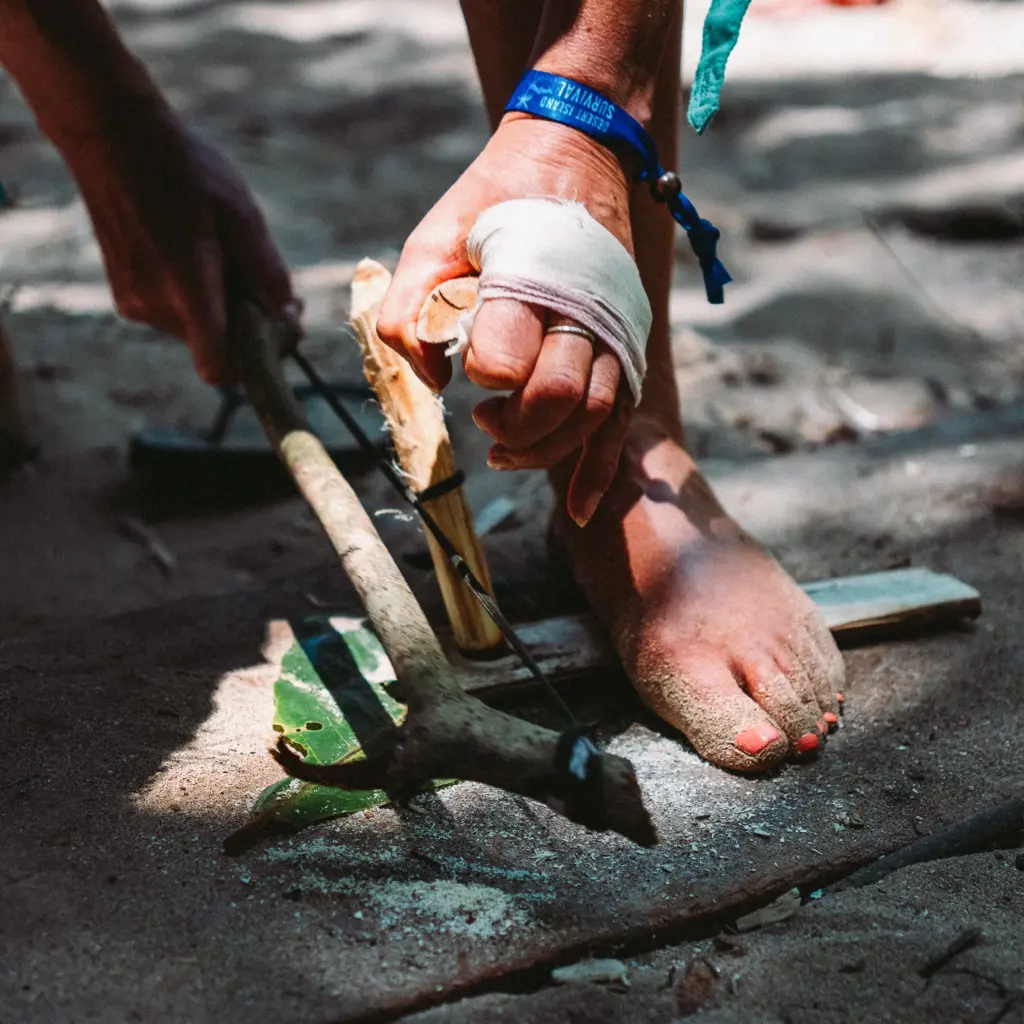
Every DIS expedition teaches the bow drill from scratch. It is not the only fire method we cover. It is the one that takes the longest, demands the most, and produces the most memorable moment in the history of every trip we have run.
Three Days
Day 1, Jason was tenacious. Certain. His hands blistered from the friction but the certainty underneath had not shifted. The failure was frustrating but it hadn’t touched the belief. Day 2, you could see the cracks forming at the edges. He was setting up his kit a little faster than he should, the impatience of someone who cannot understand why a thing that worked before is refusing to work now. He kept talking himself round. I could almost see the mental rotation from where I was watching: I know I can do this. I’m going to get it.
The Twitch chat had already written him off. As a somewhat pampered LA young kid, you can forgive them for doubting him. They were watching someone operate well outside what they expected of him, and what he expected of himself.

Gaz was watching something different. He told me later that what struck him was Jason’s tenacity rather than his technique. He wasn’t doing it right, not for most of those three days, but he kept adjusting and returning to it with a stubbornness that Gaz said inspired the whole camp. That matters. Gaz has run more of these expeditions than anyone I know. When he says something inspired the camp, that is not a small observation.
When Jason wanted to stop on Day 2, Gaz was there. Not to take over or to fix it, just with the kind of calm presence that tells someone the problem is solvable and they don’t have to figure it out alone. Kian was watching from the other side of camp. He told me that what he noticed was how Jason’s posture changed across those three days. Not just tiredness. Something quieter. The person arriving on Day 1 defending himself against doubt, and the person working on Day 3, had started to look like different people.
Day 3, the certainty had gone quiet. Not disappeared. Quiet. Jason was working more slowly, more carefully, and I think for the first time genuinely listening to the wood rather than trying to force an outcome from it. Something had shifted. He just didn’t know it yet.
Day Four
The ember came mid-morning on Day 4. I have seen this moment happen many times across many different people. It never stops being something.

When it comes after that length of failure, it is categorically different from what happens when someone gets it on their first or second attempt. The euphoria is not louder. It is deeper. There is a few seconds before the reaction where you can see them register what has happened and not quite trust it. Then it lands.
Jason moved with unusual deliberateness. He held the ember like it was fragile. He transferred it to the tinder bundle slowly, cupped it, blew steady and low. The technique he had been told on Day 1, which he had been too wired to absorb properly, was suddenly just there. He got three embers total during the stream. Each one built more confidence than the last. But the first one, after 72 hours of grinding failure, carried a weight that private achievement never could.
Gaz said later that what struck him in that moment was not the jubilation, which was real and which the Twitch chat erupted over, but what came after it. Jason started talking to the other people on the island about taking only what you need, about why you don’t fish more than the reef can give back. That shift, from someone performing survival to someone who had actually absorbed something, was what Gaz described as a proper proud moment. The kind you don’t get on a normal course.
What the Audience Was Actually Watching
The Twitch chat went from ‘he is going to quit’ on Day 1 to ‘character development is insane’ by Day 4. What I find genuinely interesting about that arc is what it tells you about the audience, not just Jason.
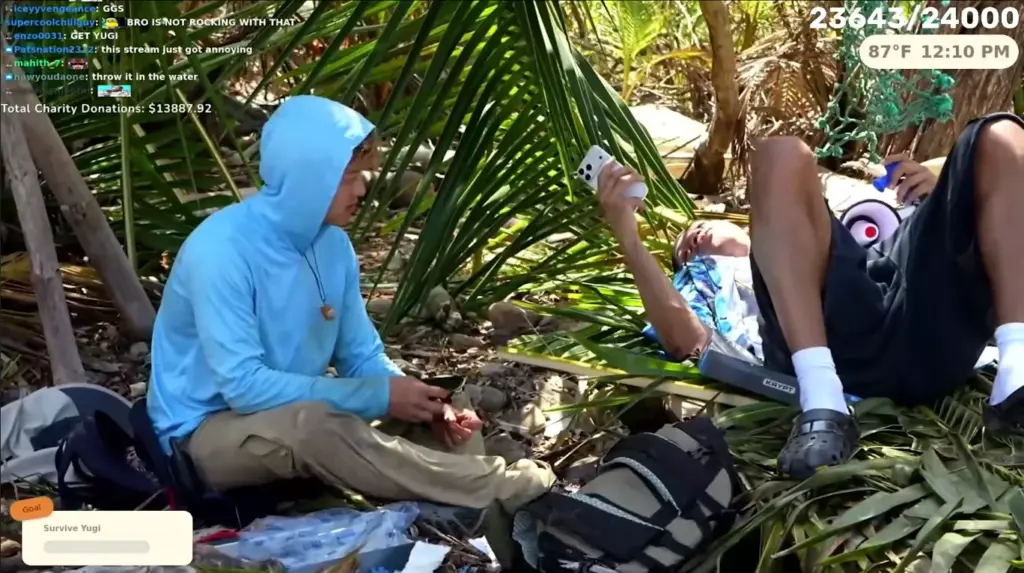
Gaz told me that he learned more about what was happening to Jason by watching the chat than by watching Jason. The audience starts out looking for entertainment. They expect quick failure or quick success, and when neither comes, they don’t know what to do with it. Then around Day 3, something shifts. They stop asking for drama. They start recognising what is actually happening. The participant hasn’t suddenly gotten better. The audience has learned to see differently.
That is what unedited, real-time content does that a produced highlight reel cannot. You cannot fake three days of sustained, witnessed failure. There is no cut. There is no music. There is just a person and a piece of wood and a choice they keep making.
Why Fire Specifically
I’ve been asked whether the bow drill is special, or whether any skill learned through sustained difficulty would produce the same result. My honest view is that it is both.
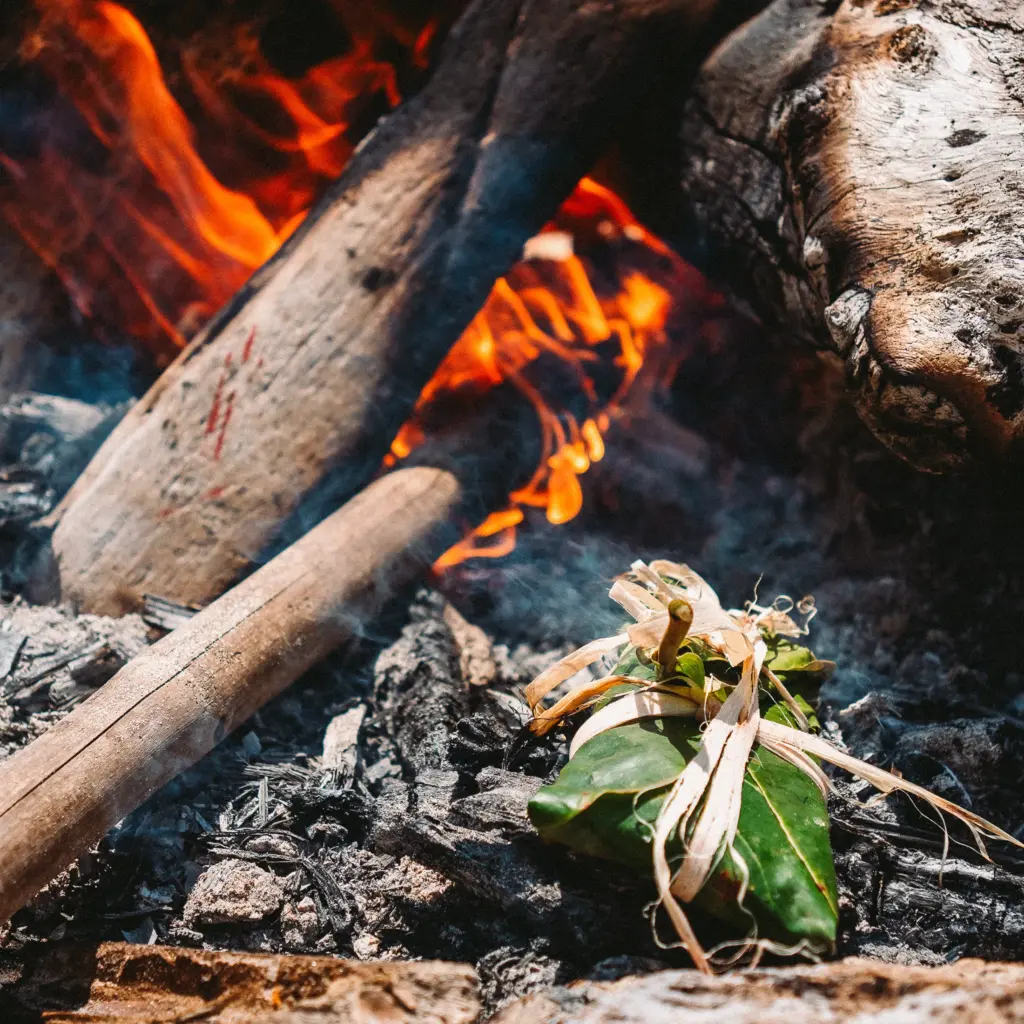
Fire is arguably the most significant technological unlock in human history. It gave us warmth, security, the ability to extract more calories from food, protection, the capacity to shape our environments and our tools. That weight has not left us. It sits somewhere in the way fire feels. The delight and respect it produces in people are not learned. They are remembered.
When the bow drill works, you have done something your ancestors did for a hundred thousand years and that most people alive today have never done and will never do. That matters in the body, immediately, without needing to be explained.
And yes, it is consistently one of the hardest survival skills to learn. The physical failure is real. But what I keep seeing is that mental failure happens far more easily. The mind quits long before the body reaches its limits. The bow drill makes that visible. There is no way around it and nowhere to hide. You either stay in it or you stop. Jason stayed in it. He’s got the blisters to prove it. I’ve got the scars of my own to know exactly what that takes.