
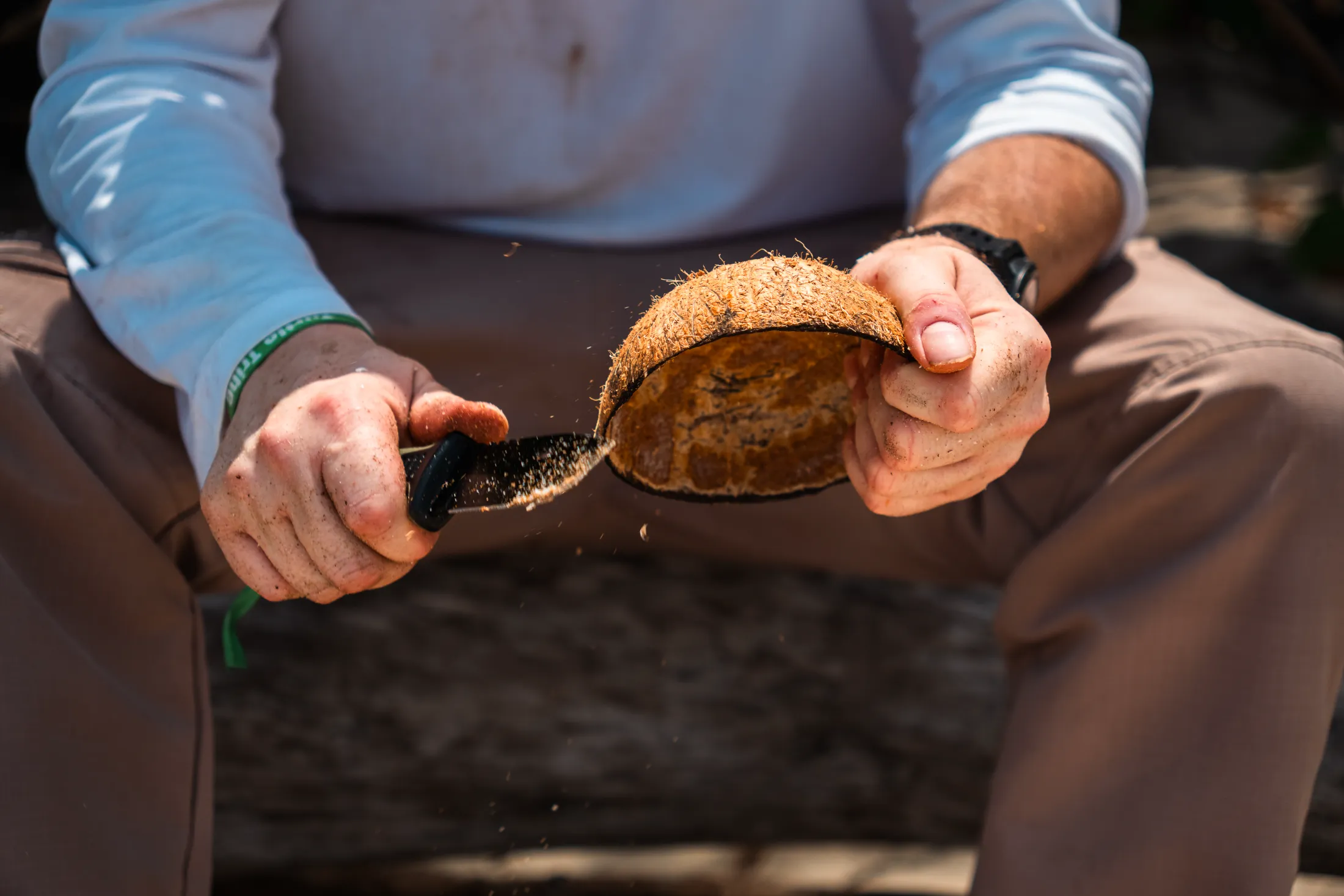
What ‘Desert Island Survival Training’ Actually Means
Last season a guy from London spent an hour arguing with a bow drill on a postcard-perfect beach. Blue sky, white sand, and he couldn’t see any of it. He was used to winning at life, but a bit of hibiscus wood had other ideas.
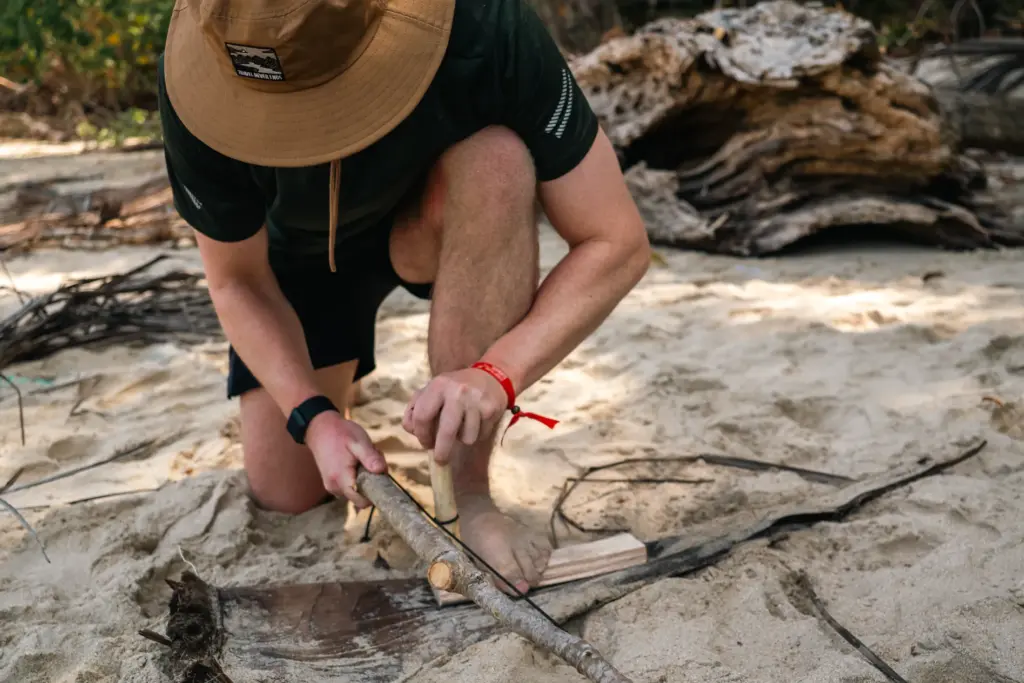
When the ember finally took, he stared at it like it had told him a secret. That moment is the week in miniature: small problems becoming real again, and real wins meaning something.
Why this Still Matters
We’ve got very good at avoiding friction. So it’s fair to ask why anyone would choose to learn survival on a remote island.
The answer isn’t nostalgia. And it isn’t escapism.
It’s relevance.
Modern life rarely asks us to solve real problems with our hands, to rely deeply on others, or to face meaningful consequences for our decisions. Over time, that creates a quiet disconnection from our own capability.
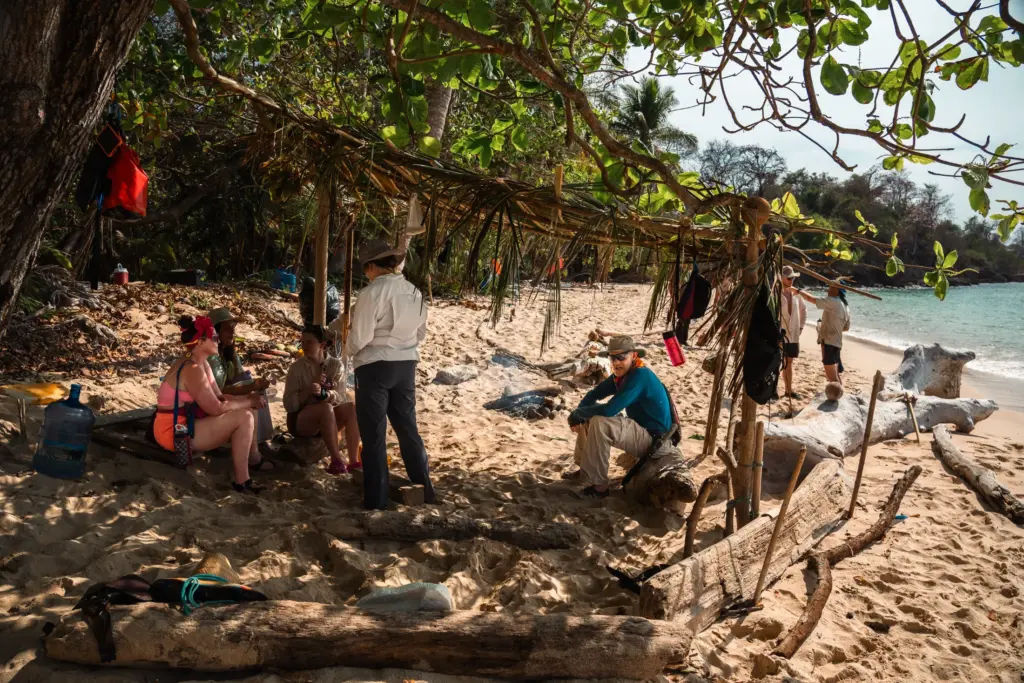
Living this way for a week changes that. Not in a mystical way. In a practical, human way. You start finishing small tasks. You sleep better. You remember that you are actually capable.
Capability looks ordinary up close: a shelter that keeps one corner dry, a fire that survives one more squall.
You don’t need to arrive confident or experienced. Curiosity and willingness are enough.
What Desert Island Survival Is Not
People hear the name and picture reality TV:
We don’t do any of that.
We don’t stage experiences.
We don’t remove challenge simply for comfort’s sake.
And we don’t pretend an island, or any of our other locations, is a theme park.
It’s simply a real place with real consequences, run by instructors who know how to keep it safe without turning it into theatre. It means the wind will test whatever you built yesterday.
Why Modern Comfort Is the Problem
Life has become very efficient and slightly numb. Climate control, instant food, constant stimulation.

Your brain evolved to solve physical problems, cooperate in small groups, and see clear results from effort. Take those away and you get what is known as evolutionary mismatch: when modern environments fail to meet ancient biological expectations.
The result is subtle but familiar:
These aren’t personal failures. They’re predictable responses to a frictionless environment.
Desert island survival doesn’t fix that. It just puts you back in a situation your nervous system understands.
The Three Pillars of the Primal Reset
Every Desert Island Survival expedition is designed around three non-negotiable principles.
These pillars reflect our values: excellence, ownership, humility, and growth.
1. Productive Struggle
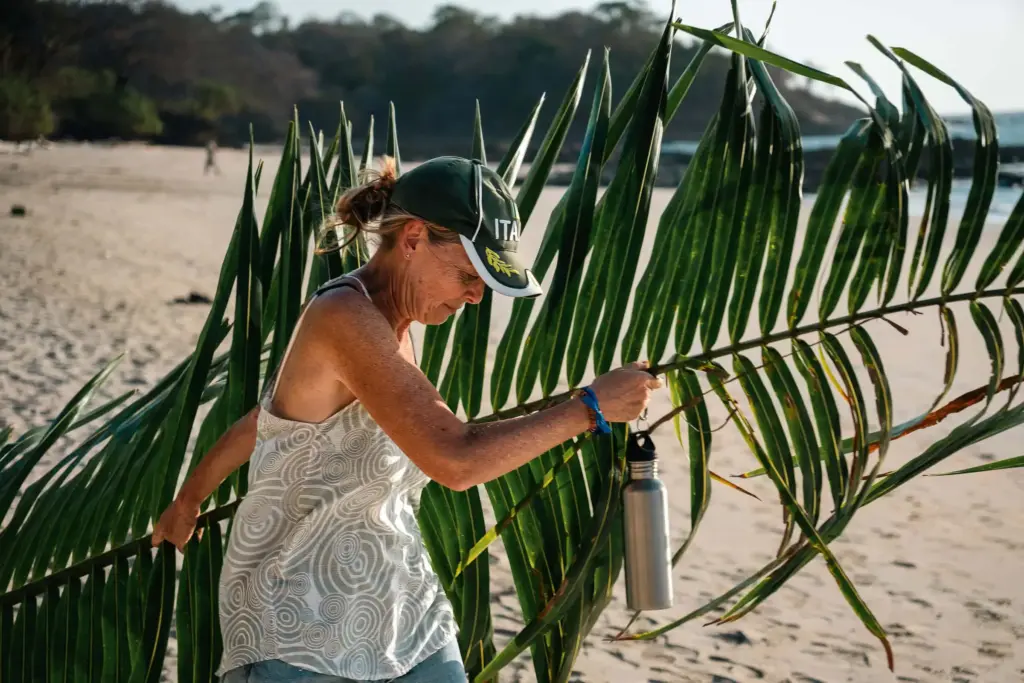
In our daily life, struggle generally is abstract: emails, metrics, pressure without resolution.
In the wilderness, struggle is much more physical.
– Finding water.
– Protecting fire from rain.
– Building shelter before nightfall.
This kind of struggle shows us that effort matters again and it produces focus, calm, and resilience, not stress.
2. The Tribal Bond

Despite constant digital connection, most people don’t really rely or cooperate or communicate for that matter with others.
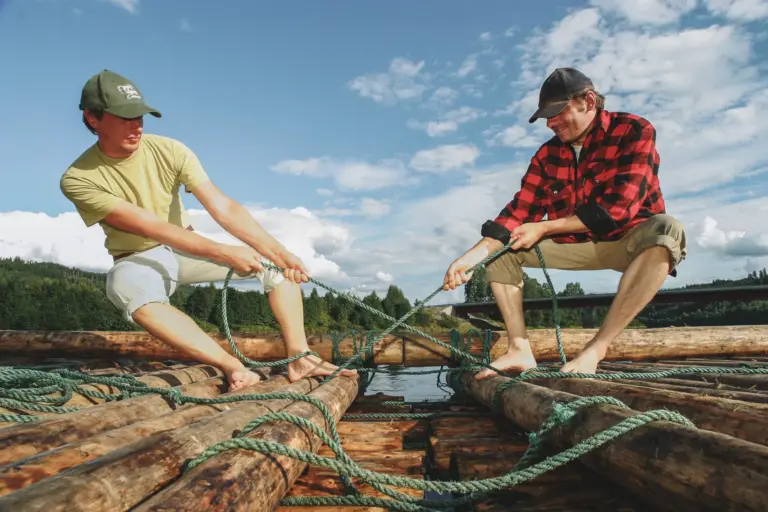
On a desert island that changes. Cooperation is no longer optional.
Your warmth, food, morale, and success depend on the group. Ego dissolves quickly.
This creates a rare experience for adults:
You don’t just meet people but form a functioning tribe and a friendship that outlast the trip.
3. Confidence

A desert island survival adventure reflects exactly who you are without the usual props.
Patterns appear quickly: strengths, habits, edges to work on.
You do not need to be “outdoorsy,” fit, or experienced, only willing to engage.
Starting a friction fire for the first time is one of the most amazing moments when you are in a remote location wanting to cook that fish your group caught. It is all about persistance, patience, and practice.
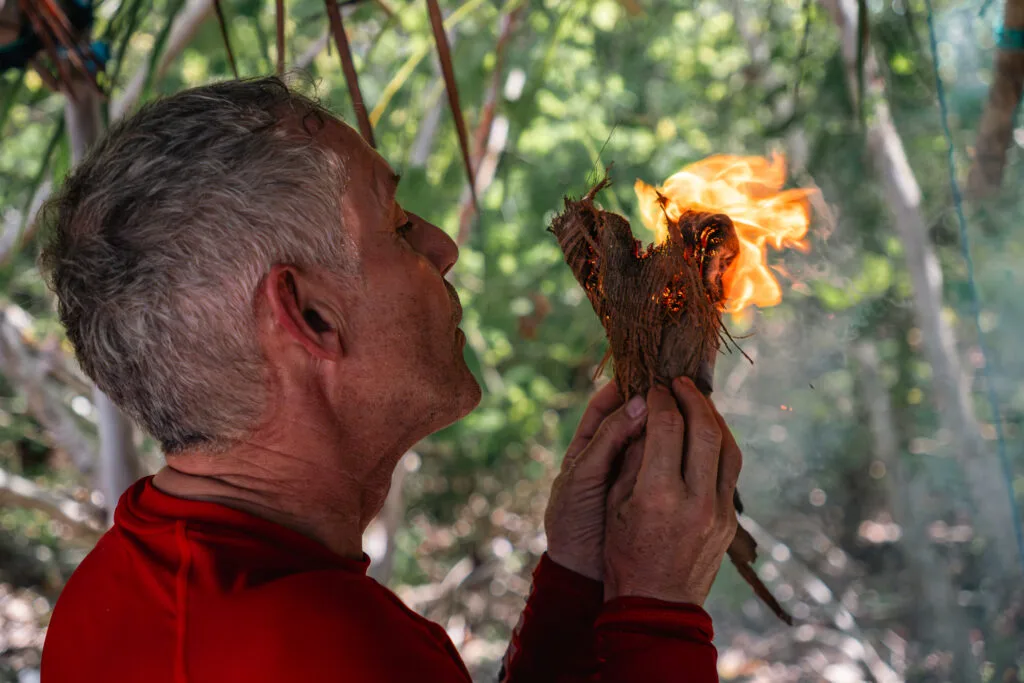
The small moment shows you what you’re capable of.
What Real Desert Island Survival Training Looks Like
We don’t abandon people at a remote location. We deliver challenge with an invisible safety.
Every expedition follows a proven structure:
Phase 1: Learn
You begin by learning the Big Five of survival from world-class instructors:
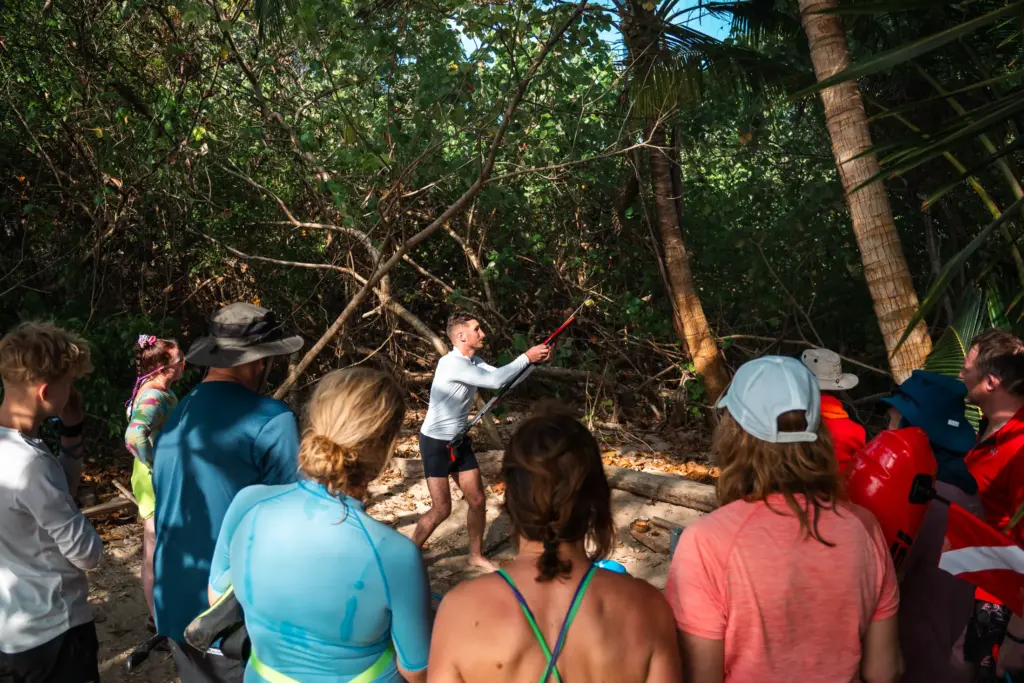
Instruction is hands-on, rigorous, and rooted in the real environment you’ll be operating in. You’ll learn not just what to do, but why it works, building understanding, not just plain technique.
This phase establishes competence and confidence before responsibility increases.
Phase 2: Survive, The Isolation Phase
This is the core of the experience.
The instructors step back. The group moves to a new part of the island. Responsibility shifts onto you.
Now it’s your decisions:
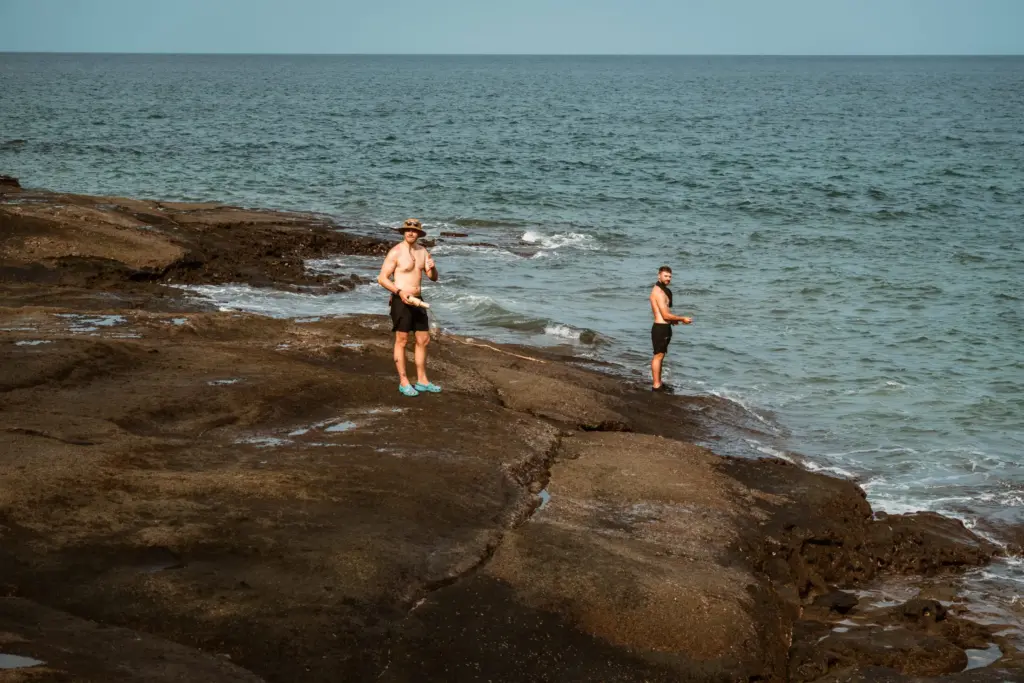
Safety systems remain in place, but they stay invisible. What you experience is autonomy, accountability, and the psychological reality of self-reliance. It’s where most people start being really themselves.
Phase 3: Rescue and Celebration
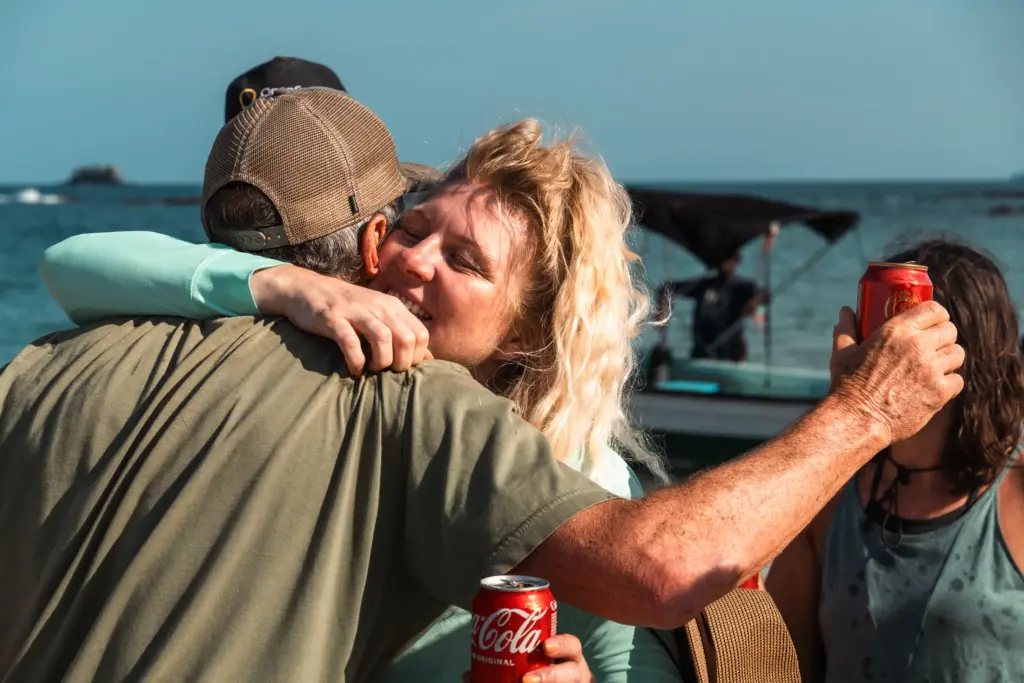
When we come to pick you up the mood is always the same: proud, tired, slightly taller.
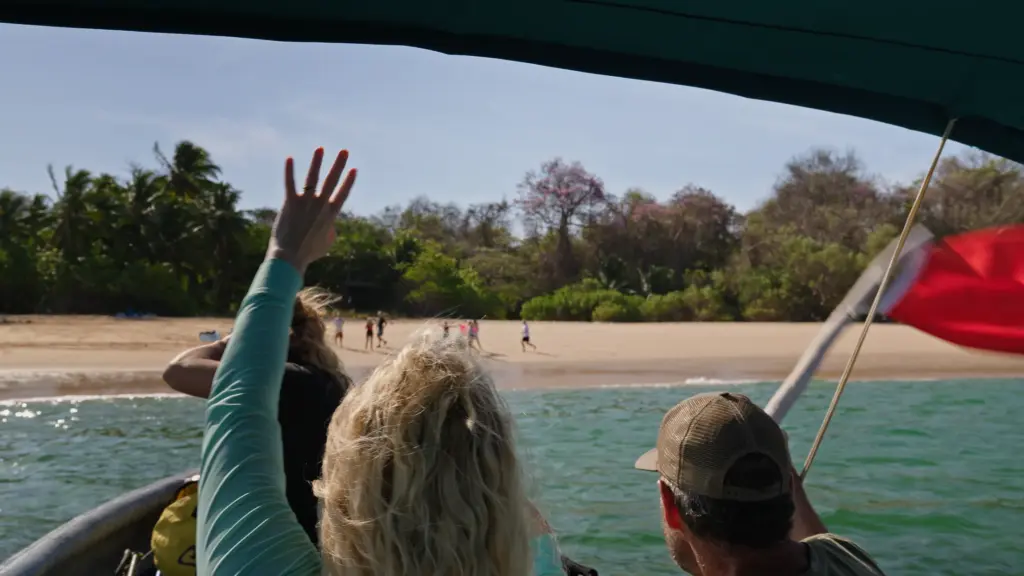
We debrief, laugh about the disasters and recognise the wins
This phase is about:
What Changes in People
None of it looks dramatic from the outside.
It looks like someone learning to tie a knot properly or choosing to help a tired teammate instead of resting.
Those small choices are where people change.
People notice things like:
Why We Protect Our Edge
Desert Island Survival exists to deliver real adventure in true wilderness.
To protect that mission, we deliberately avoid:
If it stops feeling real, we stop doing it.