
Inside the Mind of a Survival Instructor: Lessons from the Philippines
Quick Answer: Survival instructors are trained to stay calm when conditions turn unpredictable. At Desert Island Survival, they combine bushcraft expertise with emotional intelligence, teaching guests not just how to survive but how to think clearly under pressure. True excellence comes from awareness, humility, and constant learning.
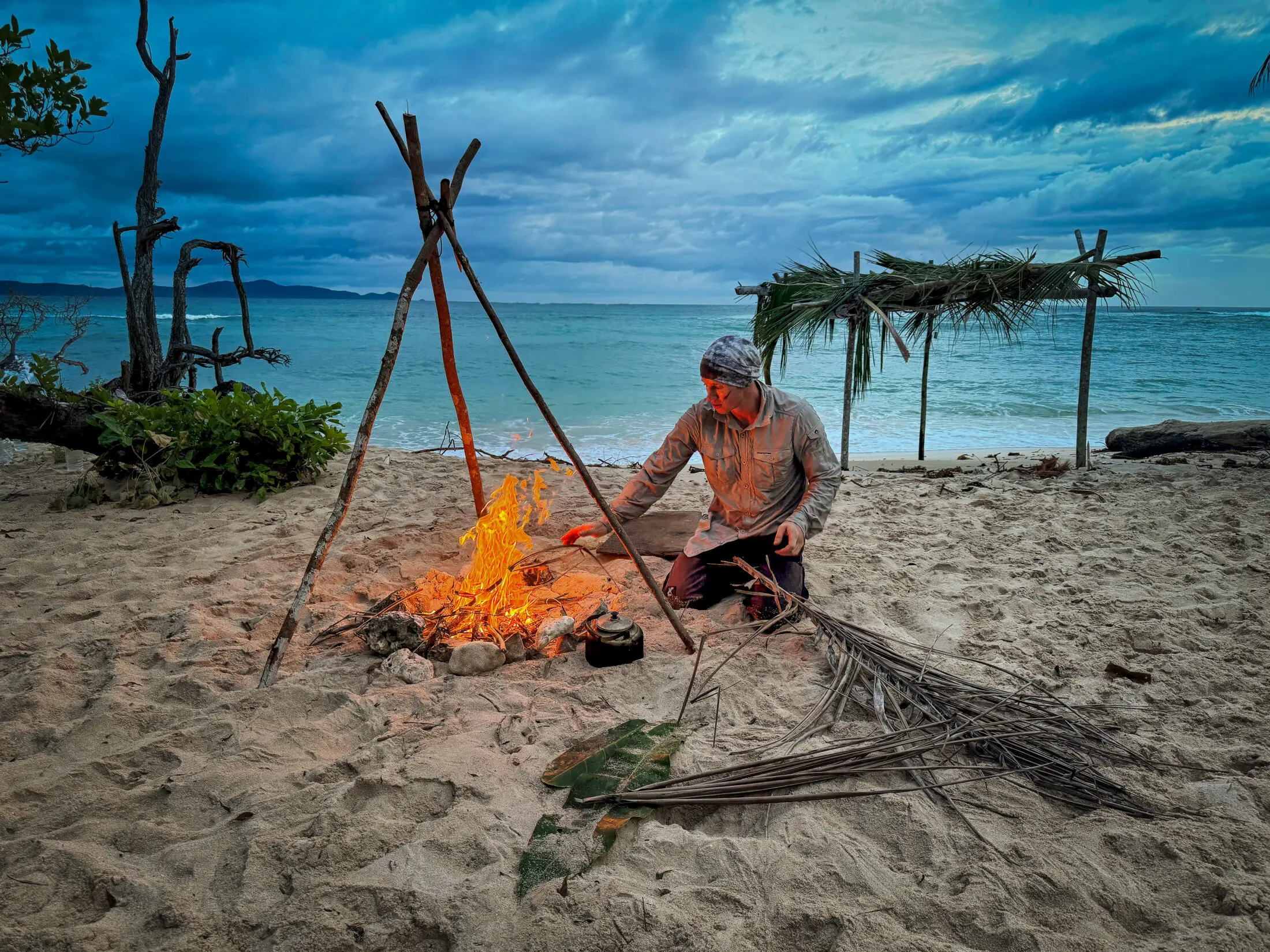
The tropical rain came without warning. A dark wall of water swept across the beach, soaking gear and extinguishing fires in seconds. The group looked to the instructor. He smiled, adjusted his hood, and started gathering palm fronds. The storm was not a problem. It was part of the lesson.
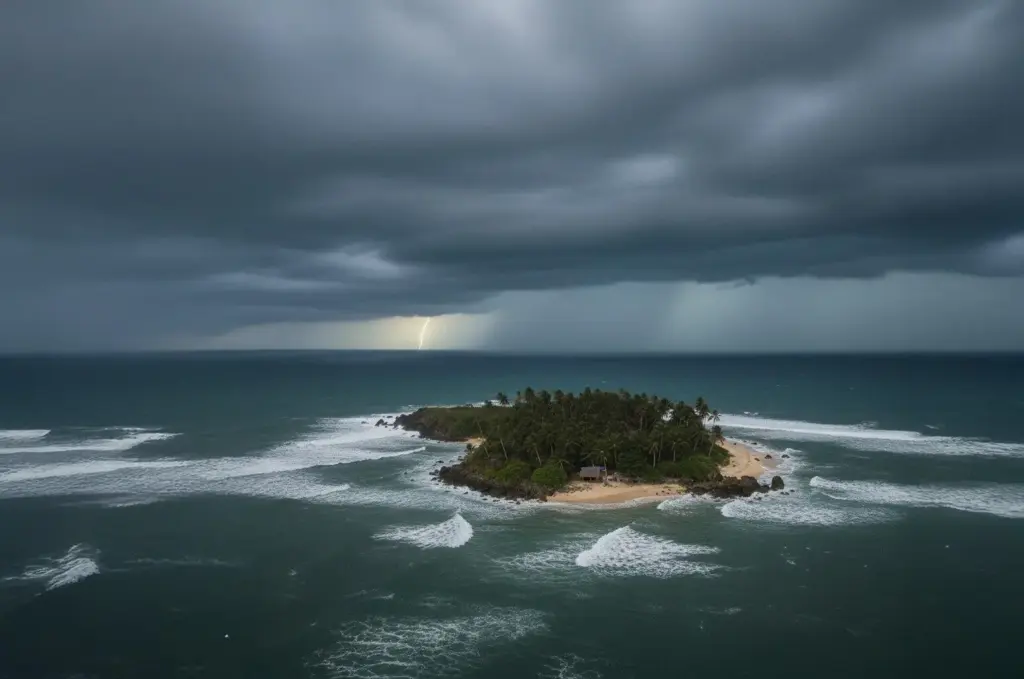
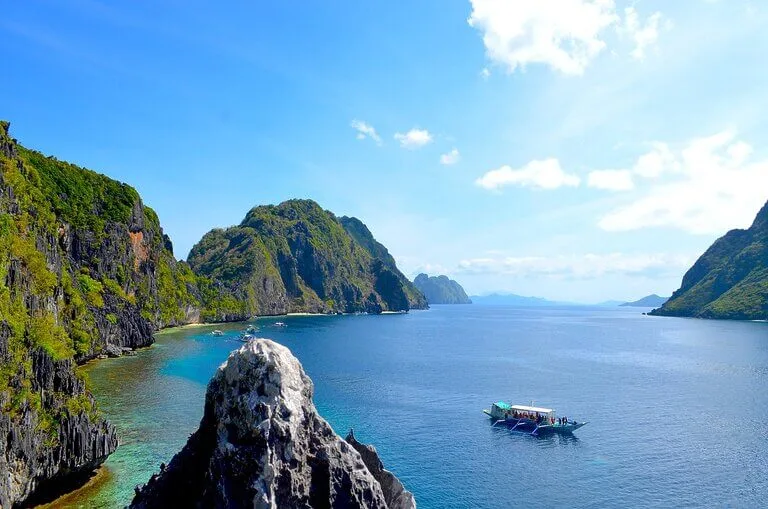
That quiet authority, the ability to stay calm when nature reminds you who is in charge, defines every Desert Island Survival instructor. The Philippines, with its remote island terrain, humidity, and intense tropical conditions, is the perfect classroom for testing composure and leadership under pressure—when the environment itself demands focus and adaptability.
In this article, we explore how our instructors prepare for the unpredictable, what mindset separates survival from panic, and how lessons learned in the wild apply to life far beyond the shoreline.
A Strange Job with Serious Responsibility
Being a Desert Island Survival instructor is a unique job that demands a rare blend of skill, awareness, and empathy. You need to know how to rub sticks together, identify which plants can help you, and still look composed while opening a coconut with a machete. But the role is far more than that.
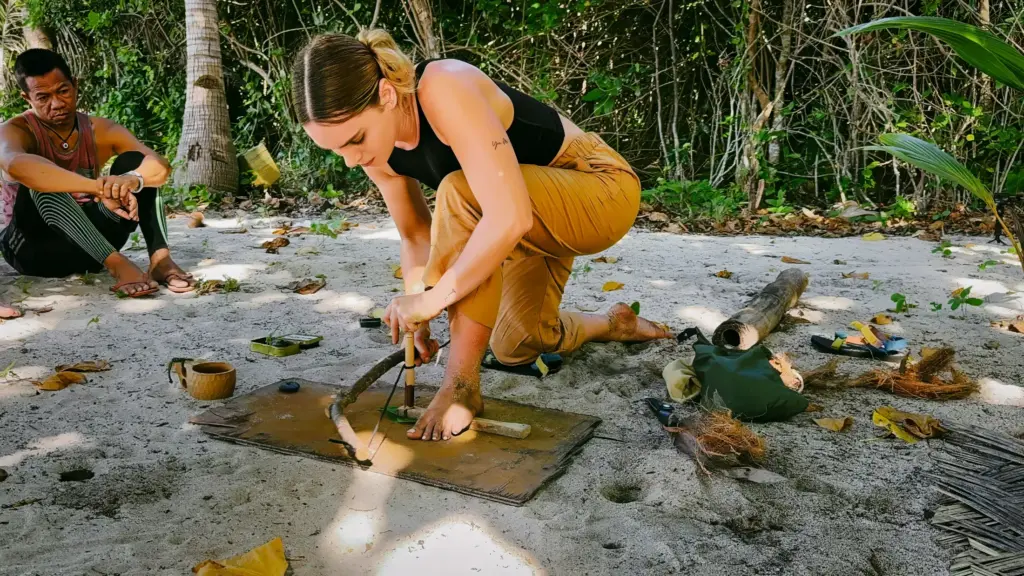
You are an ambassador for surviving in the natural world, showing people not only the techniques but the mindset required to stay composed when the wilderness takes control. Often, you become a quiet guide through fear and uncertainty, helping guests who are testing the limits of their comfort zone.
Then, in an instant, everything can change. A storm can roll in. A fish hook can get embedded in a hand. Equipment can fail. You must remain calm because everyone else takes their cue from you.
One year after founding Desert Island Survival, Tom Williams faced exactly that moment. It was the first night of an expedition in the Philippines. The group was still adjusting to their surroundings when a sudden rainstorm hit the camp. Water poured through the makeshift shelter. Tom moved quickly to reinforce the roof, splitting bamboo with a machete using the batoning technique. His hand slipped on the wet handle. The sharpened blade cut straight through his index finger.

That night, as he lay in his hammock with his finger throbbing in pain, every scenario ran through his mind except cancelling the expedition. The next morning, he took a speedboat to a nearby clinic, had the wound stitched, and returned to the island that same afternoon. Later that day, during a bow drill fire demonstration, the wound reopened. Blood ran down his arm, but the fire caught.
He finished the expedition. Back home, a scan revealed he had severed a tendon and would need reconstructive surgery. But what stayed with him was not the injury. It was the reminder that leadership in the wild is not about being unhurt or unafraid. It is about staying calm, composed, and capable, no matter what happens.
What Makes a Great Survival Instructor
Skill alone does not make a great instructor. Mindset does. On a remote island, knowledge of knots and fire drills matters, but what truly holds a team together is composure, precision, and humility.
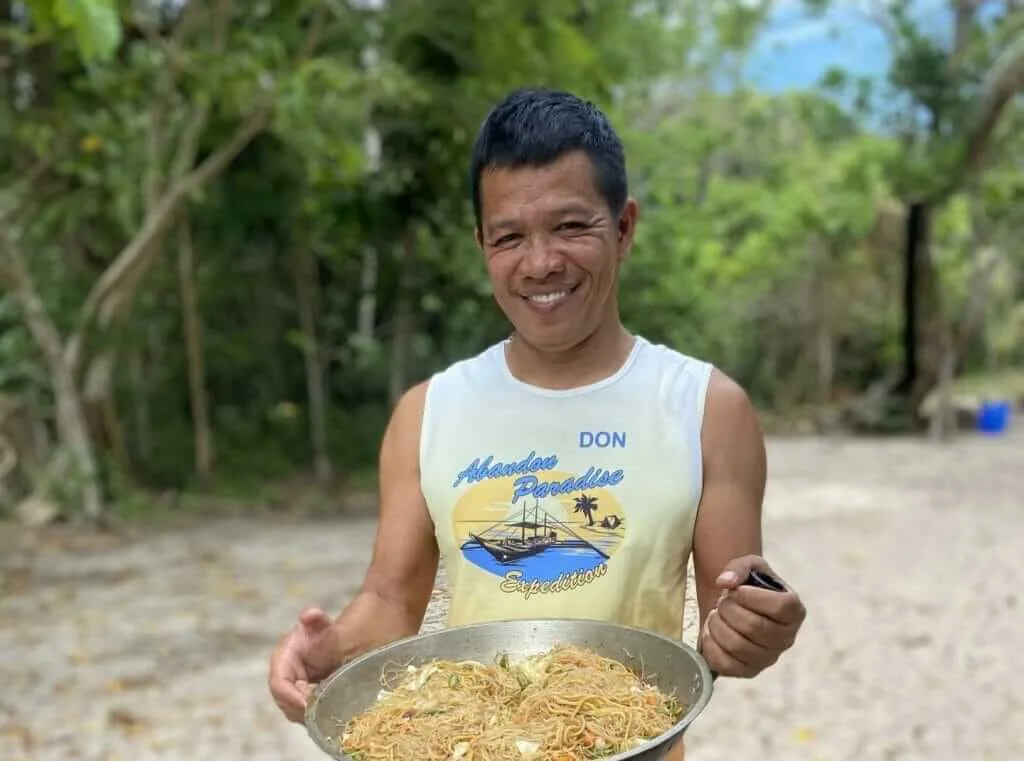
The best instructors share three traits.
- Calm under pressure. They choose awareness over adrenaline. When chaos arrives, they slow everything down and keep the group grounded.
- Precision through routine. They repeat small habits until they become instinctive because every minor task done well prevents a major mistake later.
- Humility. They never stop learning, from the environment, from guests, and from each challenge that tests them.
Tom’s experience in the Philippines embodies all three. Pain, fatigue, and the pressure to lead under scrutiny demanded calm and discipline. It was a moment that showed what true professionalism looks like in the wild.
This mindset defines our instructors. It is not about bravado or performance. It is about quiet competence built through repetition, reflection, and experience.
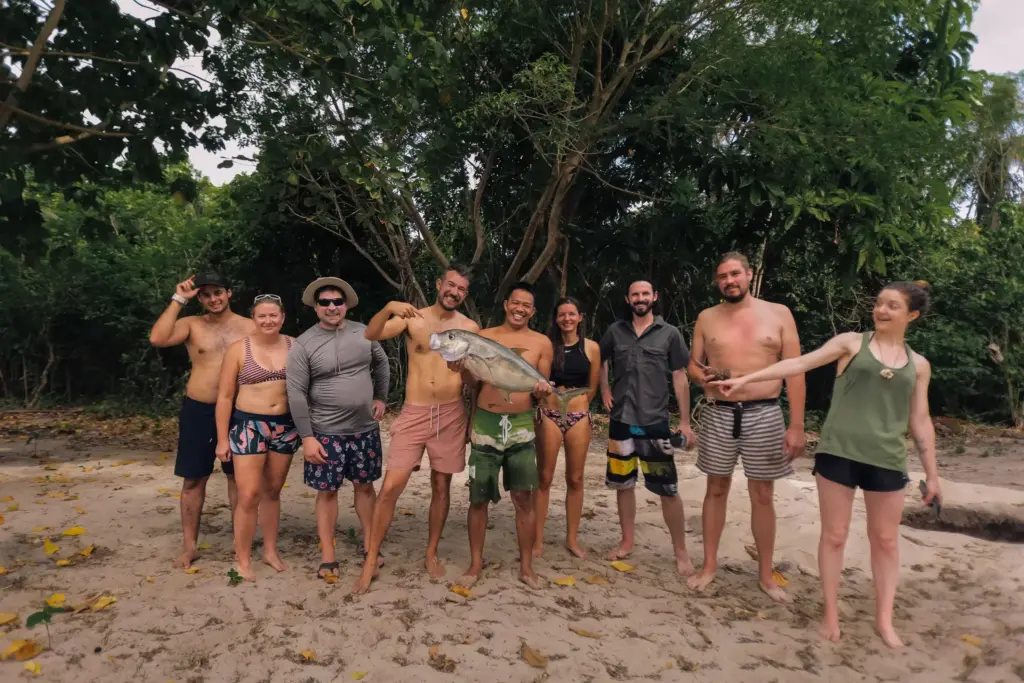
How Do You Train for Unpredictability
You cannot control nature, but you can control your reactions. That is the foundation of every instructor’s training.
Before leading guests, each instructor completes pressure scenarios designed to test judgment under stress, such as dehydration drills, navigation challenges, and fire loss exercises. They learn to slow down their thinking when everything else speeds up.
In the Philippines, the environment itself is a constant teacher. The heat, the isolation, and the rhythm of the tides create a unique intensity. In that rhythm, instructors learn patience, adaptability, and awareness—the difference between reacting and responding.
When things change fast, slow down. Breathe. Assess before you act.
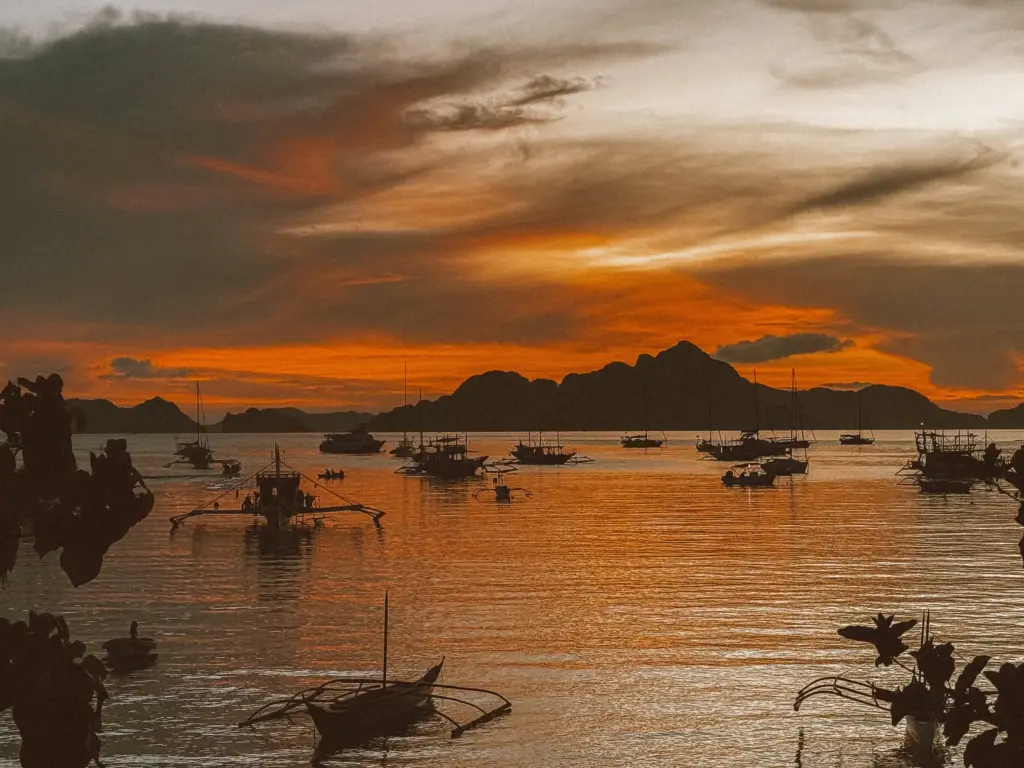
Tom often tells new team members that the job is not to fight the wild, but to listen to it. When you stop reacting, you start surviving.
These lessons form the emotional intelligence behind Deliver Excellence. Every action is intentional and every outcome evaluated. It is how our team ensures guests experience authentic adventure with complete professionalism.
What Leadership Lessons Come from the Wild
The qualities that make a great instructor are the same ones that define great leadership anywhere.
- Clarity over control. You cannot dictate the weather or the sea, but you can guide your response. Great leaders focus on what they can influence, not what they cannot.
- Empathy builds resilience. True instructors do not command, they model calm. When the leader stays composed, the team mirrors that energy.
- Feedback is survival. After every expedition, instructors and guests debrief honestly. They discuss what worked, what did not, and what can be improved. That immediacy of feedback drives rapid learning.
- Every mistake is a teacher. The wild gives instant feedback, and that is why growth happens faster out here.
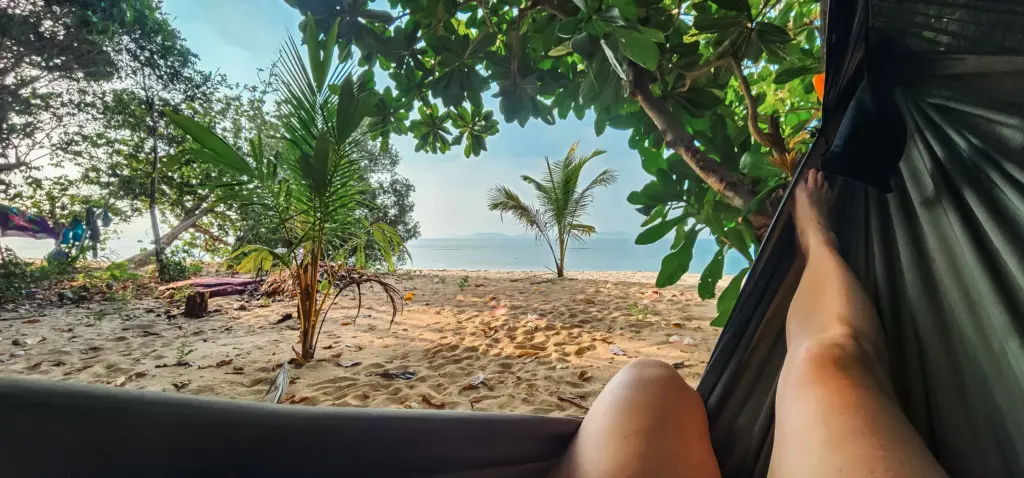
These reflections represent our Keep Growing value. Every expedition refines judgment, communication, and humility.
What Is the Hardest Part of the Job?
It is not the heat, the storms, or the insects. It is the responsibility.
Instructors carry the weight of every decision. They lead through fatigue, hunger, and unpredictability, knowing that their calm sets the tone for the team. There are nights when doubt creeps in, when sleep is a luxury and pressure never fully lifts. But at dawn, they rise, steady themselves, and lead again.

It is not the conditions that test you; it is the responsibility. You have people’s lives in your hands. You can never switch off.
That honesty builds trust. Deliver Excellence is not about perfection. It is about accountability. It is the discipline to show up and lead, even when no one is watching.
What Keeps You Coming Back
Ask any instructor and the answer is the same. The people. Watching someone transform from anxious to confident, from hesitant to capable, is the reward that makes the exhaustion worth it.
Every expedition changes someone. Sometimes it is a guest. Sometimes it is the instructor.
Each challenge, each storm, and each quiet sunrise adds perspective. Growth never stops, and neither does the learning. That is the heart of Keep Growing, staying humble, curious, and open to what the wild teaches next.
What Does It Take to Stay Calm in the Wild
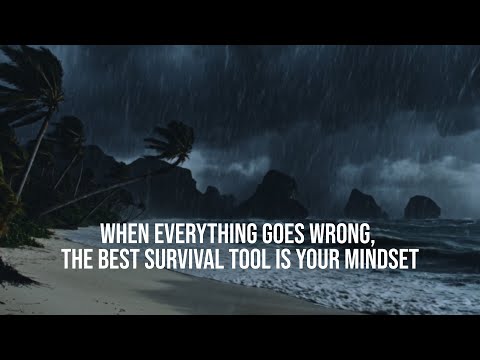
Think you’ve got what it takes to stay calm under pressure?
Test your survival instincts. Take our free Expedition Quiz and discover which challenge is built for you.
Lessons for Life Beyond the Wild
The discipline of the island applies everywhere. In business, family life, or moments of personal challenge, the same truth holds: how you handle discomfort defines you.
Survival is not about isolation. It is about awareness, adaptability, and communication. When pressure builds, clarity and empathy matter more than control.
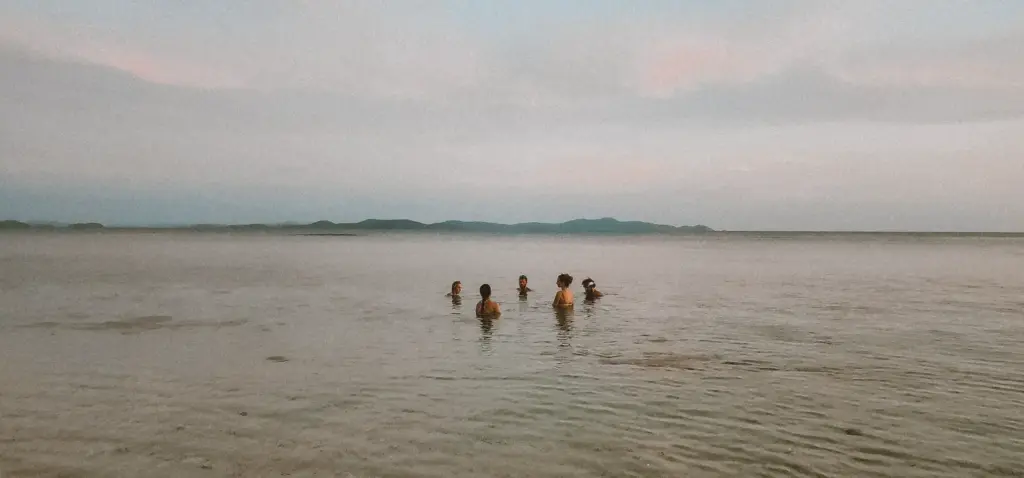
You do not need to be stranded to learn survival. You just need the courage to step outside your comfort zone.
Frequently Asked Questions
Conclusion
Survival instructors are not fearless; they are practiced. Calm does not come naturally; it is built one challenge at a time.
Deliver Excellence and Keep Growing are habits formed through repetition, reflection, and responsibility.
The wild does not reward bravado. It rewards awareness, humility, and composure. That is the mindset we live by and the one we teach every castaway to find.
Ready to test your calm under pressure?
Choose your next adventure and start your own survival story.