
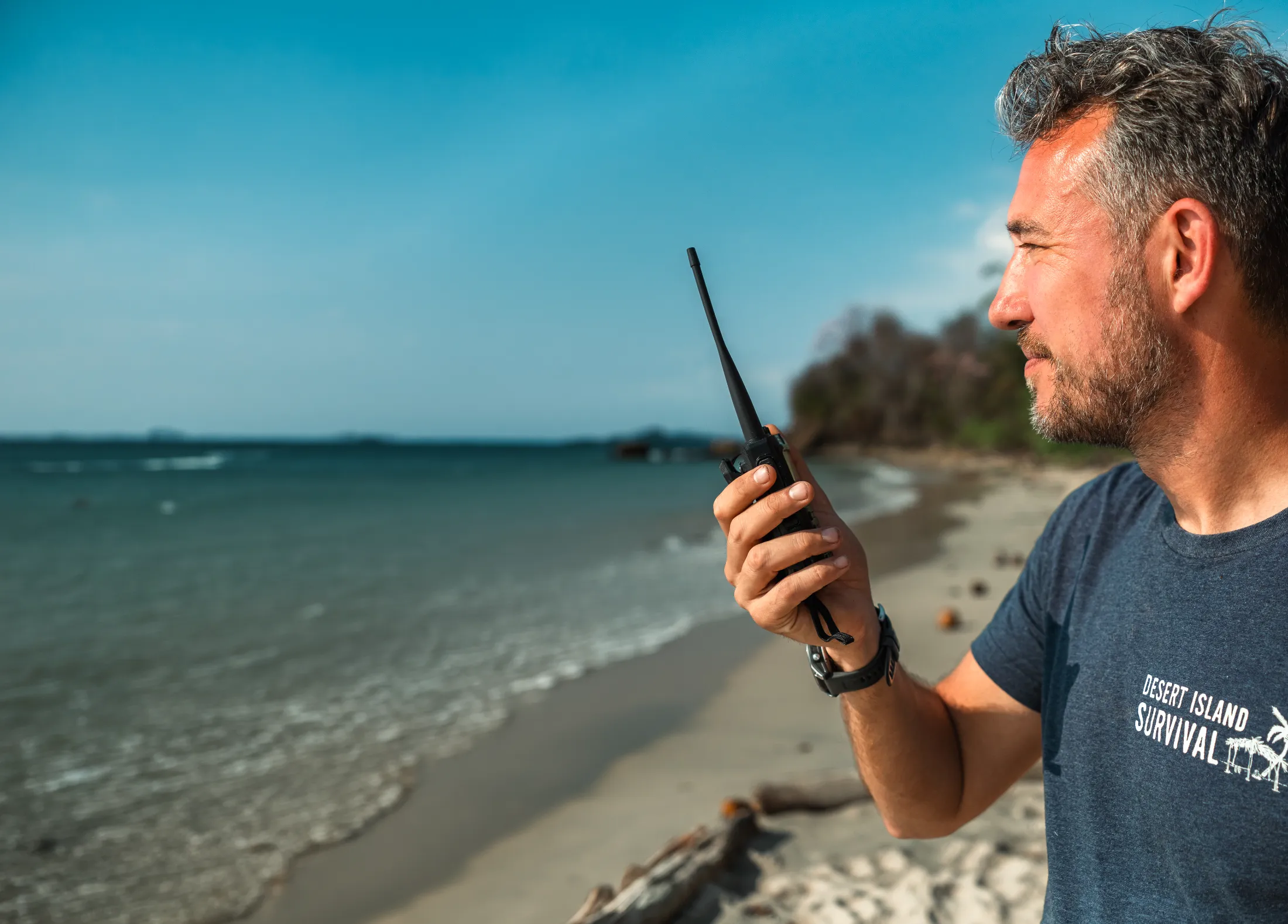
Man on beach holding walkie-talkie, wearing Desert Island Survival shirt.

Is Survival Training Dangerous? The Truth About Risk, Reality, and Invisible Safety

Quick Answer: Survival training involves managed risks like heat exhaustion, marine hazards, and minor injuries. At Desert Island Survival we use an Invisible Safety model to keep you safe. This means world-class instructors, satellite tracking, and medical plans are always active in the background. We have never had a major or life-threatening injury. Every evacuation in our history has been for minor issues like knife nicks, fish hooks, a twisted ankle, or a persistent upset stomach. Most people returned to the island after a clinic visit.

The Evolutionary Need for Friction

We live in an age of grey comfort. Modern life is defined by climate control, instant gratification, and a persistent digital hum that never quite lets us rest. It is efficient, but it is biologically hollow. Your brain was not designed for this level of absolute safety. It was designed for problem-solving.
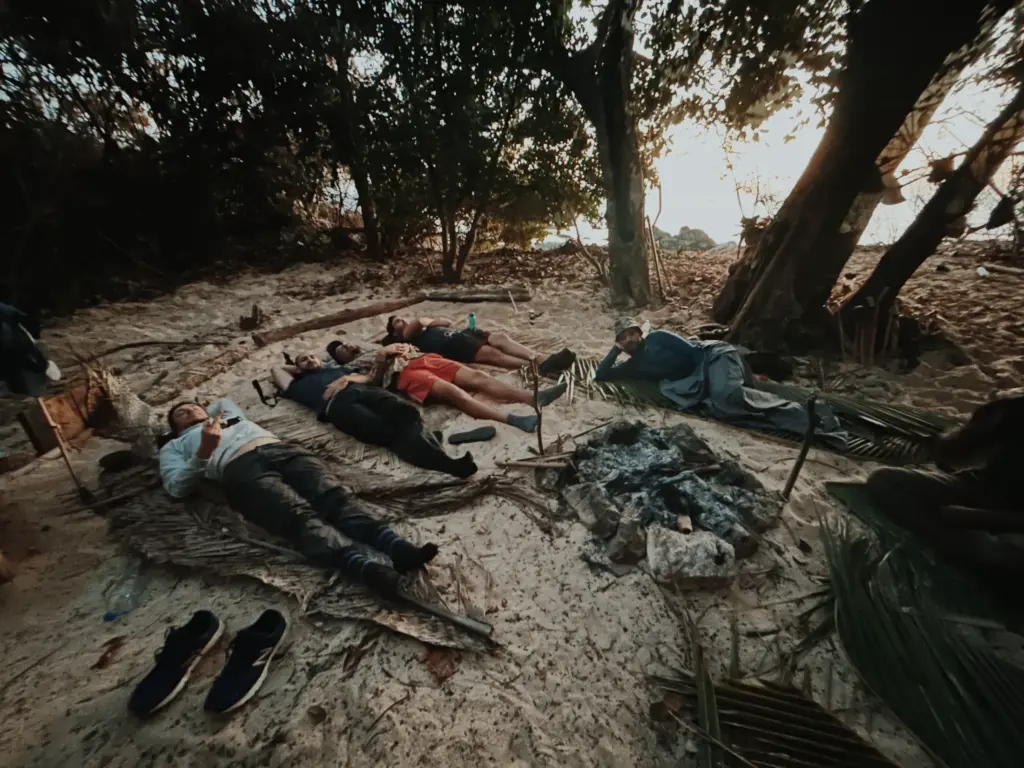
Survival training group resting on beach after camp, under trees.

When you step away from the safety rails of modern life, you trigger a Primal Reset. Your senses sharpen. You begin to notice the shift in the wind, the texture of the sand, and the specific rhythm of the tide. You reconnect with a version of yourself that is capable and alert. For the first time in a long while you are truly awake.

But, for this reset to be authentic, the friction must be real. If there is no consequence for failing to secure your shelter before a Pacific squall, the experience is just a performance. At Desert Island Survival we do not stage danger, but we do not hide from it either. Risk is the mirror that reflects your foundational self.

The Philosophy of Invisible Safety

If you see a safety boat bobbing 50 yards offshore, you never fully commit to the island. You remain a tourist. To experience the psychological weight of self-reliance, you must feel alone.
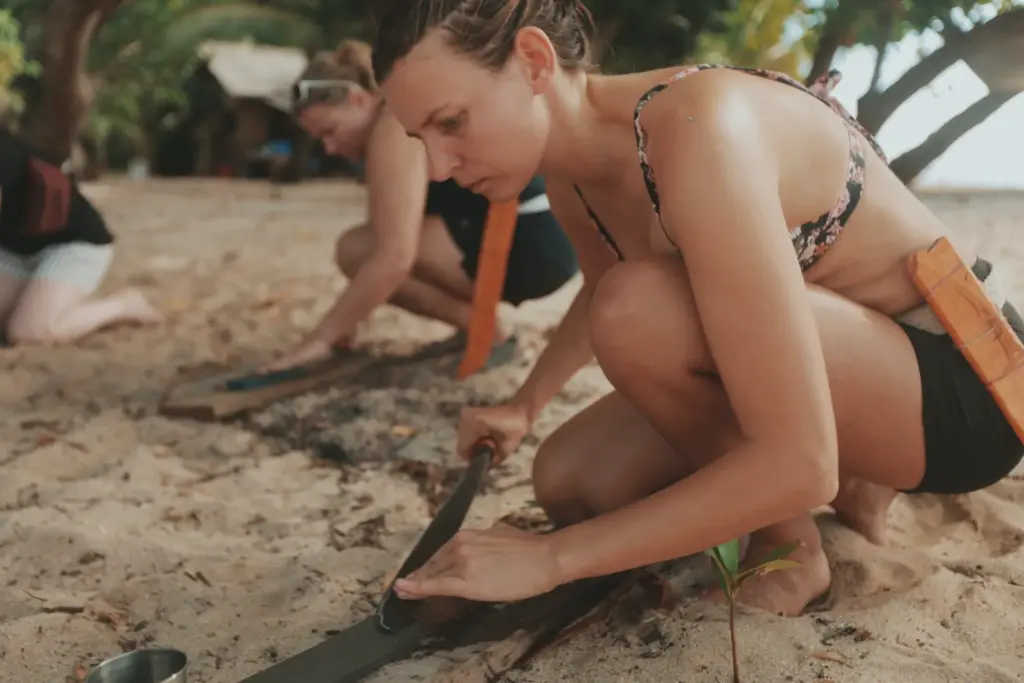
Woman sharpening blade on beach during survival training course.

This is why we utilise Invisible Safety. Our instructors are foundational humans. They are experts in wilderness medicine and tropical ecology. They stay within a tactical distance. They monitor your tool technique and track weather systems, but they stay out of your eye line. They allow you the dignity of your own struggle. They only step in when a safety threshold is crossed.

The Reality of the Wild: What Actually Happens

Most people arrive fearing Hollywood dangers like sharks or quicksand. In reality, the wild is much more subtle. The things that will actually test you are often the most mundane.

1. The Gravity of the Tropics

One of the most underestimated risks on a desert island is not in the water. It is above your head.
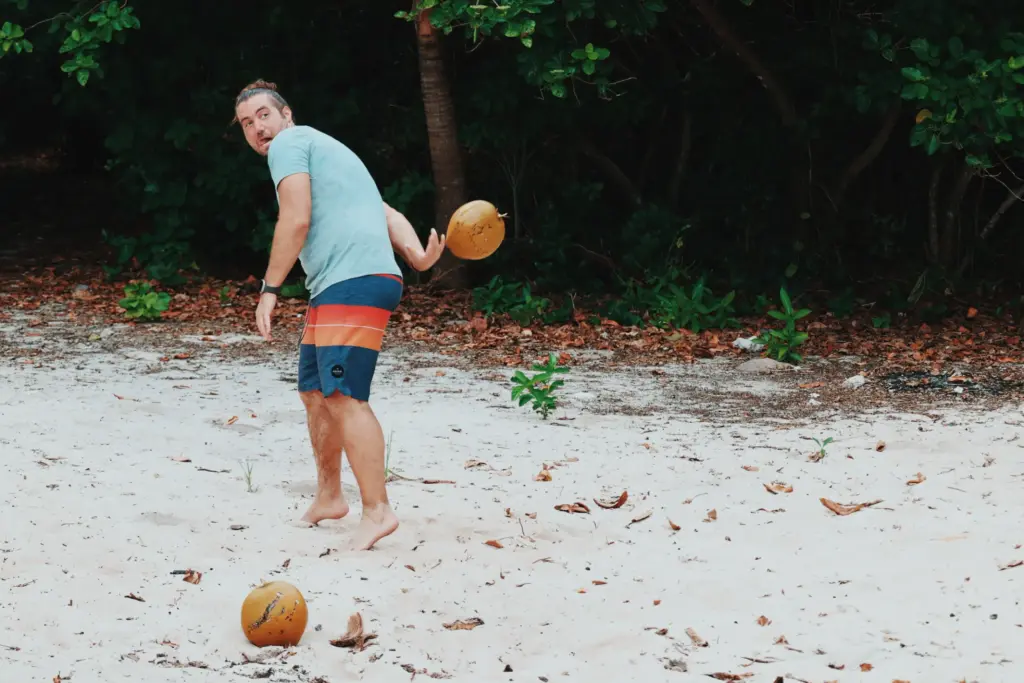
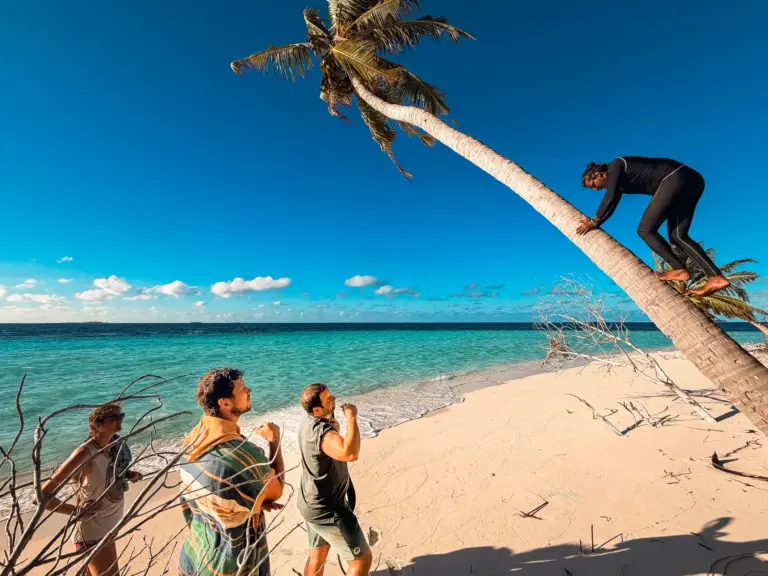
  • Coconuts: A mature coconut can weigh 4kg. Falling from a 20-metre palm it is a lethal projectile. We teach you how to read the gravity of your camp before you ever hang a hammock.
  • Deadwood: In the jungle, rotten branches called widow makers can fall without warning during a wind shift. You learn to look up before you settle in.
Man throwing coconut on beach, survival skills training.

2. Tools: The Sharp Edge of Reality

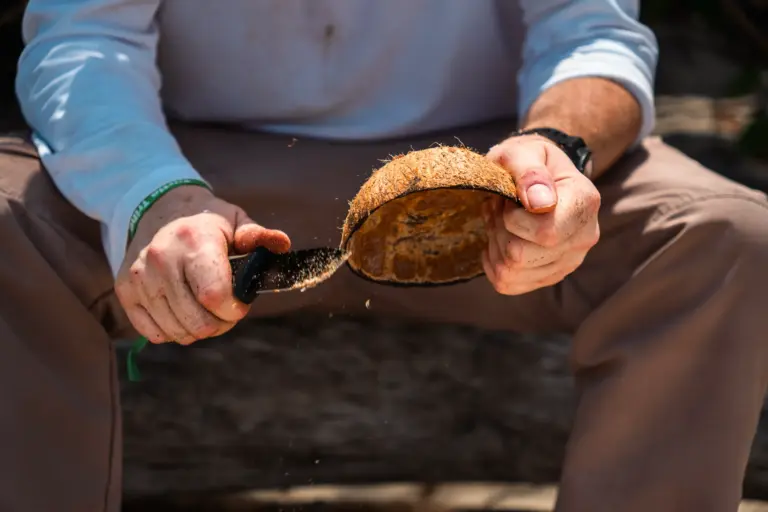
The most common real risk we face comes from our own hands. We provide high quality professional survival knives. They are razor sharp. We keep them that way because a dull blade is actually more dangerous. It requires brute force, and force leads to slips.
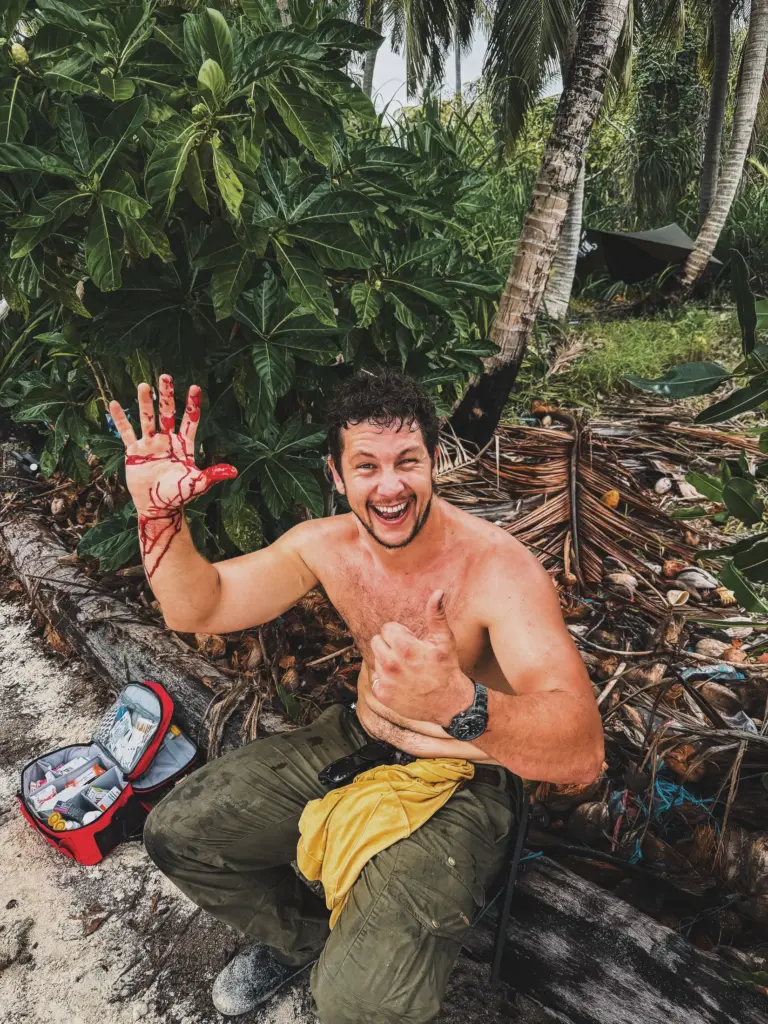
Survival training: Man with bloody hand gives thumbs up, first aid kit nearby.
  • The Risk: Most injuries occur when a participant forgets the Blood Circle or ignores the safety measures we teach on Day 1.
  • The Reality: A lapse in concentration while processing firewood or prepping a fish is the most likely reason you would need a bandage. We hammer the habit of tool safety until it is instinctive.

3. Marine Hazards and Barefoot Risks

The ocean is a provider, but it demands respect.
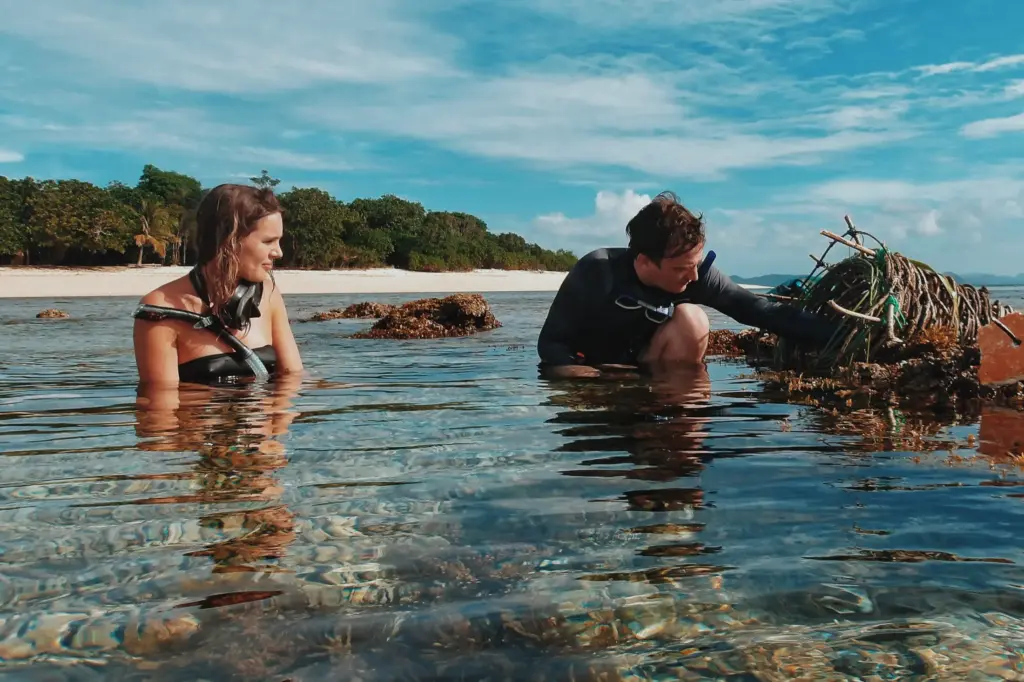
Survival training: Woman and man examining debris in shallow tropical water.
  • The Reef: Walking barefoot is a romantic notion that ends quickly in the wild. Reef cuts or stepping on a sea urchin can lead to rapid infection in the tropics. We enforce a strict footwear policy, especially during the isolation phase.
  • Stingrays and Jellyfish: We teach the stingray shuffle and how to identify seasonal jellyfish blooms. It is about understanding the rhythm of the water not fearing it.

Destination Realities: Panama, The Philippines, and the Maldives

We do not use a one size fits all safety manual. Every environment has its own personality and its own specific evacuation strategy.

Panama: The Jungle Crucible

Our Panama home normally is a wild 560 acre island in the Pearl Island archipelago. It is a place where unbroken primary jungle meets untouched white sand.
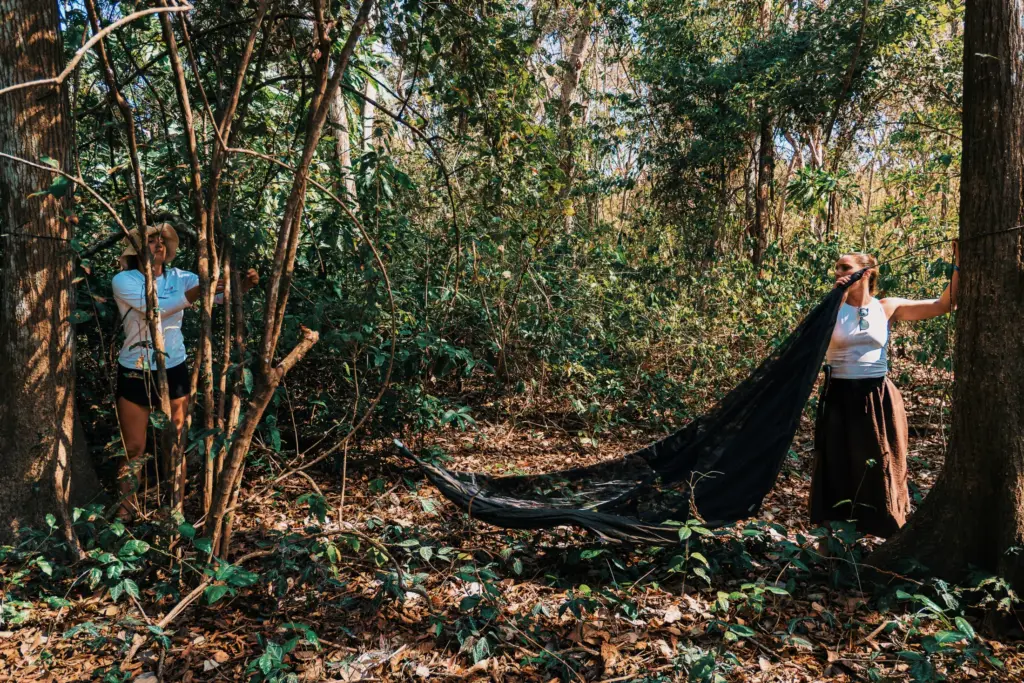
Two women setting up a hammock in a lush, green forest environment.
  • The Environment: With 23 beaches and a lush interior it is a sanctuary for Olive Ridley and Leatherback turtles. You will see Halloween moon crabs and phosphorescent plankton.
  • The Reality of Risk: The challenge here is the density. The canopy creates a humid microclimate that can lead to rapid heat exhaustion if you do not manage your jungle rhythm.
  • The Barefoot Trap: Because the island is so beautiful people want to walk barefoot. But the Pacific shoreline is a mix of sand and jagged volcanic rock. A sliced sole in this humidity is a fast track to infection. We enforce footwear because we have seen what a single slip on a rock can do.

The Philippines: The Coastal Maze

In northern Palawan we operate on a stunning crescent shaped island with an 800-metre beach and a tropical interior of mango and cashew trees.
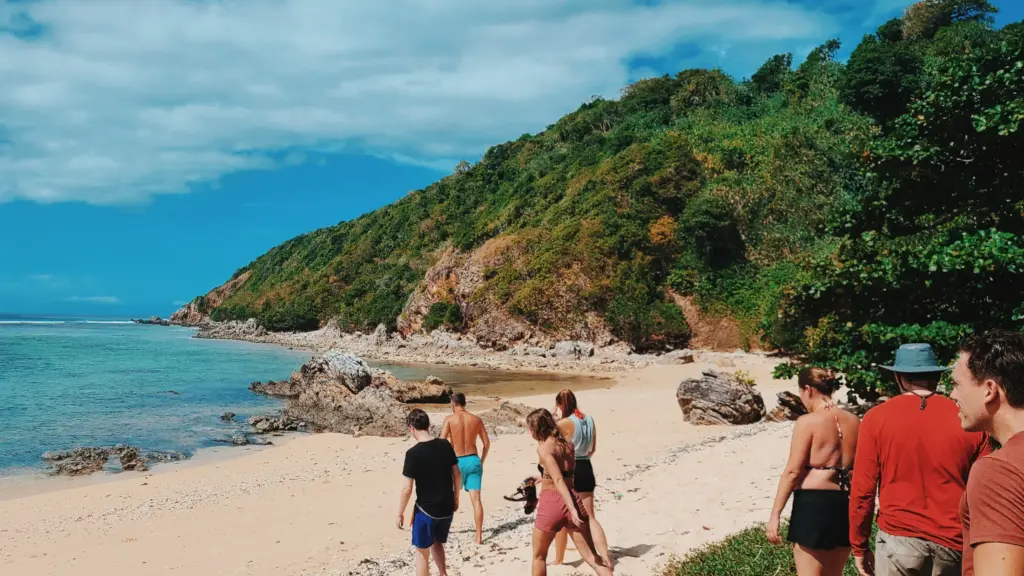
Group walking on tropical beach near jungle-covered cliffs, blue sky. Survival training context not directly visible.
  • The Environment: This is where you learn the art of spearfishing. The reefs here are productive but they require patience.
  • The Reality of Risk: While this island has almost no biting insects it is home to a specific toxic plant that causes a severe skin reaction similar to poison ivy. We identify this for you immediately. Brushing against it with bare skin can ruin an expedition.

The Maldives: The True Atoll Experience

This is the Google Paradise destination. Small round islands in a sheltered azul sea.
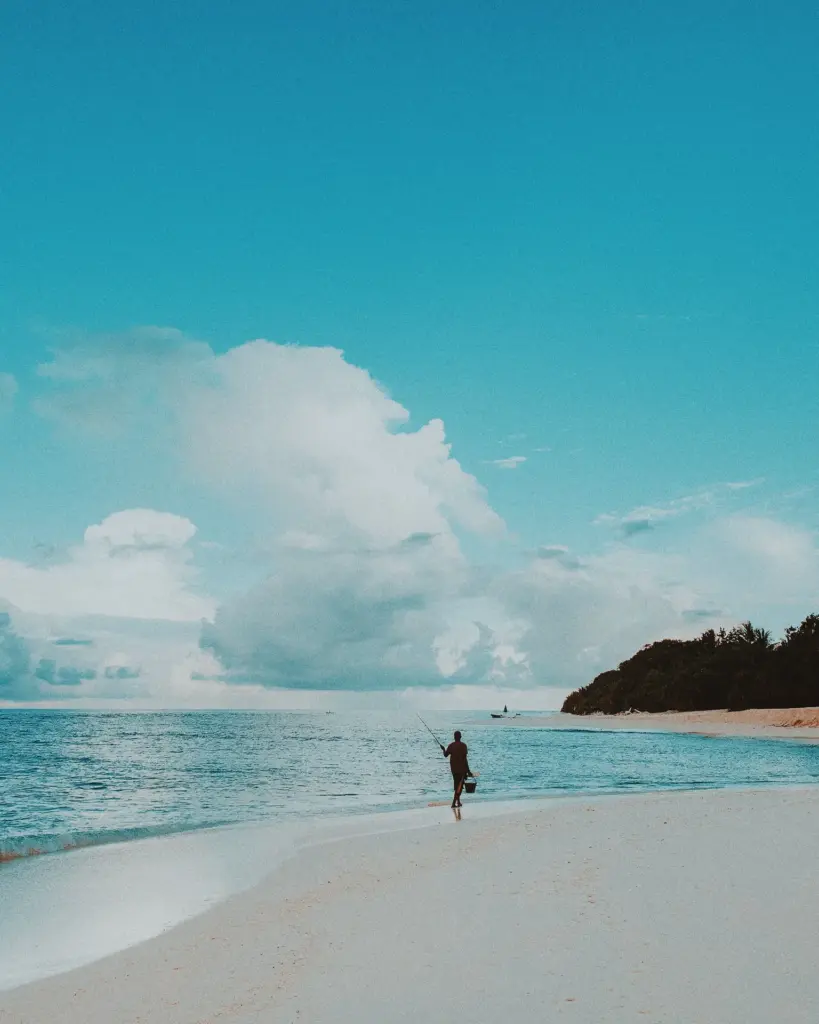
Fisherman walking on beach, blue sky and ocean, tropical island backdrop.
  • The Environment: The Maldives is all about the water. The reefs are healthy and teeming with megafauna like eagle rays and turtles.
  • The Reality of Risk: On these small atolls resources are limited. We start you on a training island to build your skills then move you to a new island for the survival phase. The risk here is total exposure. There is nowhere to hide from the elements.

Our Safety Record: Transparency Over PR

To date, we have never had a serious or life-threatening incident. Across hundreds of castaways we have carried out a handful of evacuations. Every single one was minor. We have dealt with things like a stubborn fish hook, a deep knife cut, a recurring stomach bug, or a nasty skin rash. In every case, the person was back on the island or safely home without lasting damage.
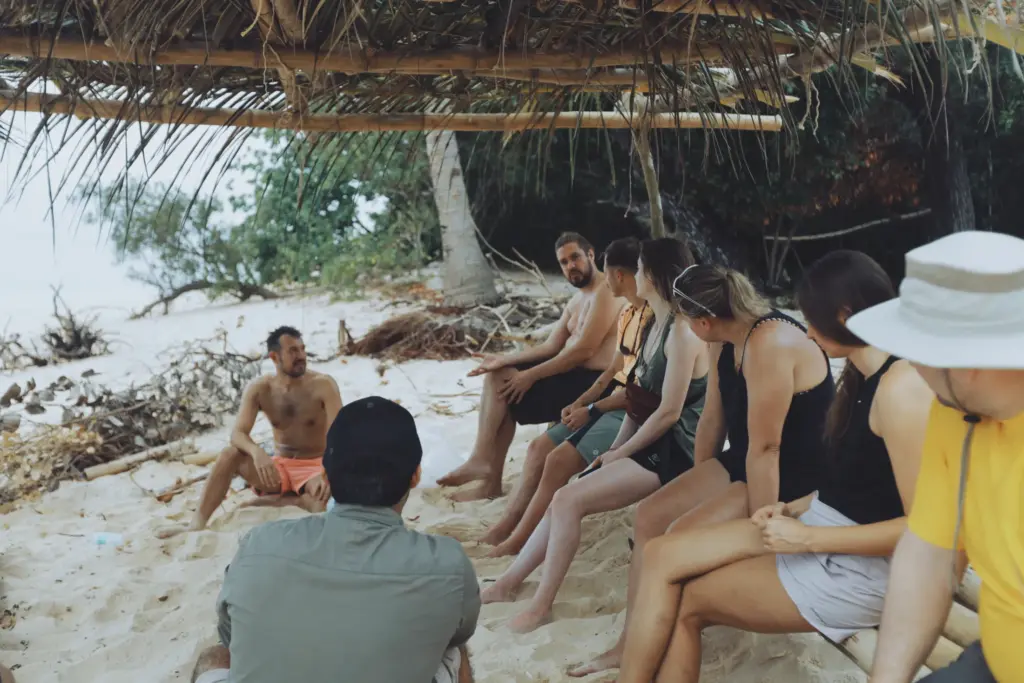
Group survival training session on a sandy beach under a makeshift shelter.

We manage risk through:

  • Thorough Island Assessments: We scout every water source and hazard before you ever arrive.
  • The Tech Stack: Every team carries Garmin inReach satellite beacons and VHF radios.
  • Medical Reachback: We have 24/7 access to remote doctors who specialize in wilderness medicine.
  • The Shadow Protocol: During the Isolation Phase we withdraw to give you the psychological space of survival. But we are always watching for silent dangers like heat stress or cumulative fatigue.

Desert Island Survival: Frequently Asked Questions

It involves managed risk. While the environment is untamed we use preventative systems like acclimatization, medical screening and GPS tracking. This ensures the challenge stays productive and does not become a catastrophe.

The big ones are myths. The real enemies are sunburn, mild dehydration and small nicks from knives or coral. We manage these through enforced rest cycles, hydration monitoring and strict hygiene protocols.

We have destination specific evacuation plans. If an injury exceeds our on island medical kits we utilize pre-coordinated boat assets to reach the nearest regional clinic. We plan for the worst so you can experience the best.

No. Most of our castaways are professionals from urban environments. We take you from a state of modern novice to competent practitioner through our 3 phase training model: Learn Survive Celebrate.

Conclusion: The Safe Choice is the Risky One

The greatest danger is not the jungle or the ocean. The greatest danger is staying in a world where you are never tested. It is staying in a place where your capabilities stay locked behind a screen.
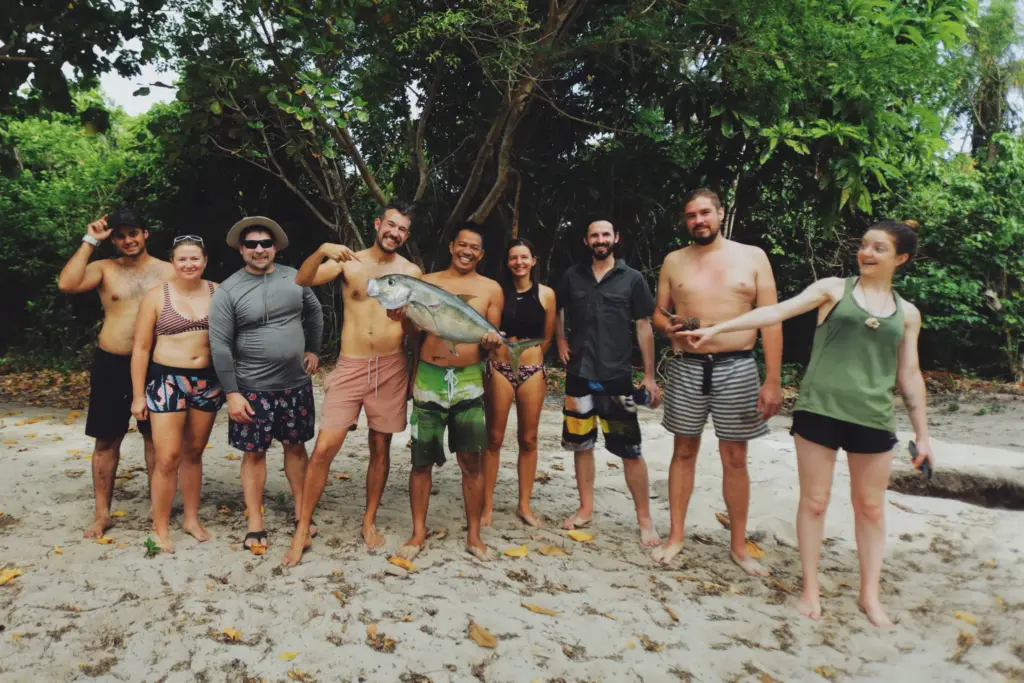
Group of people on a beach holding a large fish, smiling.

Real adventure requires a leap of faith, but we ensure the ground you land on is solid. We provide the crucible. You provide the mettle.
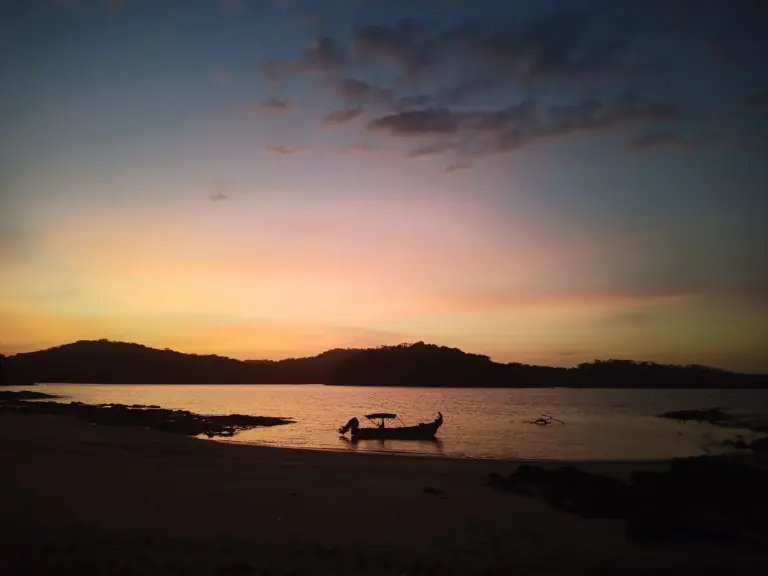
Explore our upcoming expeditions in Panama, The Philippines, and the Maldives

Start your survival story today.