
How Survival in the Maldives Changes You
The Other Side of Paradise
Mark stood barefoot on the deck of a small boat, squinting at the island ahead.
The water below was that impossible shade of turquoise, the kind that belongs in a travel brochure.
He smiled, thinking, so this is the Maldives everyone talks about.
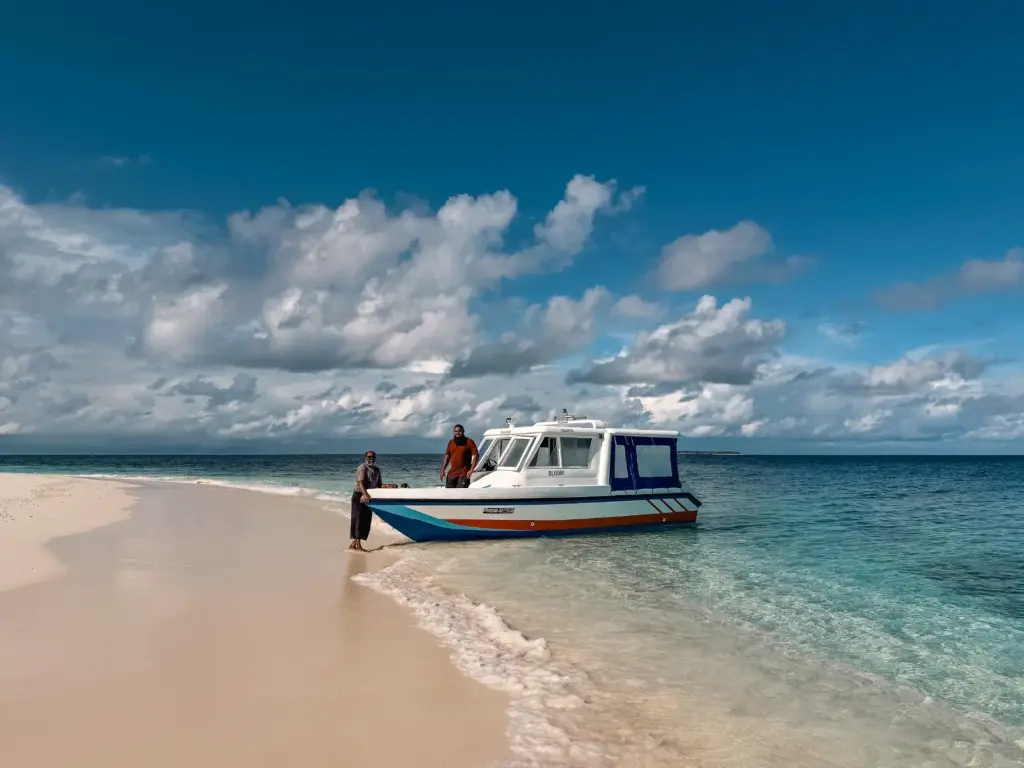
The journey had been long. A red-eye from London to Malé, then a domestic hop to the outer atolls.
In the days before departure, the group had been talking in a WhatsApp chat, swapping kit lists, worrying about insect bites, and comparing half-packed rucksacks. By the time they met in the airport lounge, it already felt like the start of something.
Everyone was polite but slightly on edge. Jet lag, excitement, nerves. A few joked about being underprepared, while others admitted they weren’t sure what they’d signed up for.
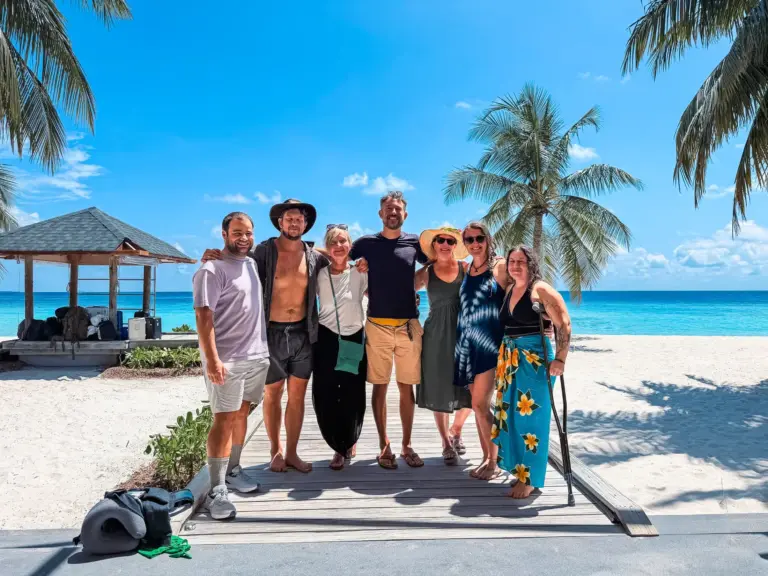
They spent that first night in a small guesthouse, where Tom and the instructors ran through the safety briefing. It was calm, reassuring, and quietly serious. They ate together, asked questions, and tried to picture what the next eight days would feel like. Nobody really could.
Now, only an hour by boat later, everything familiar was behind them.
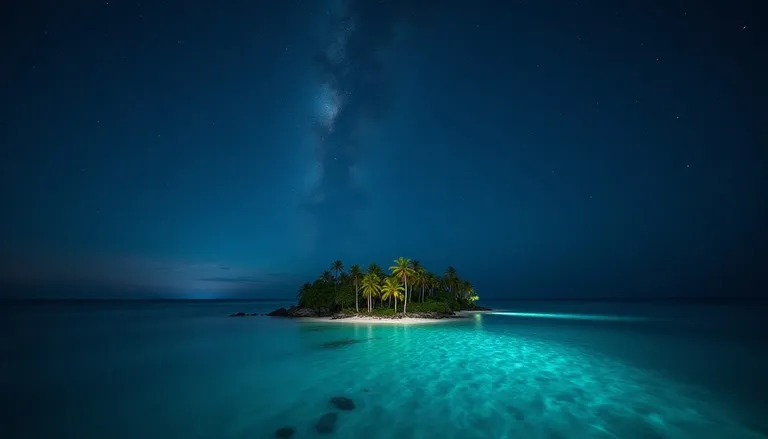
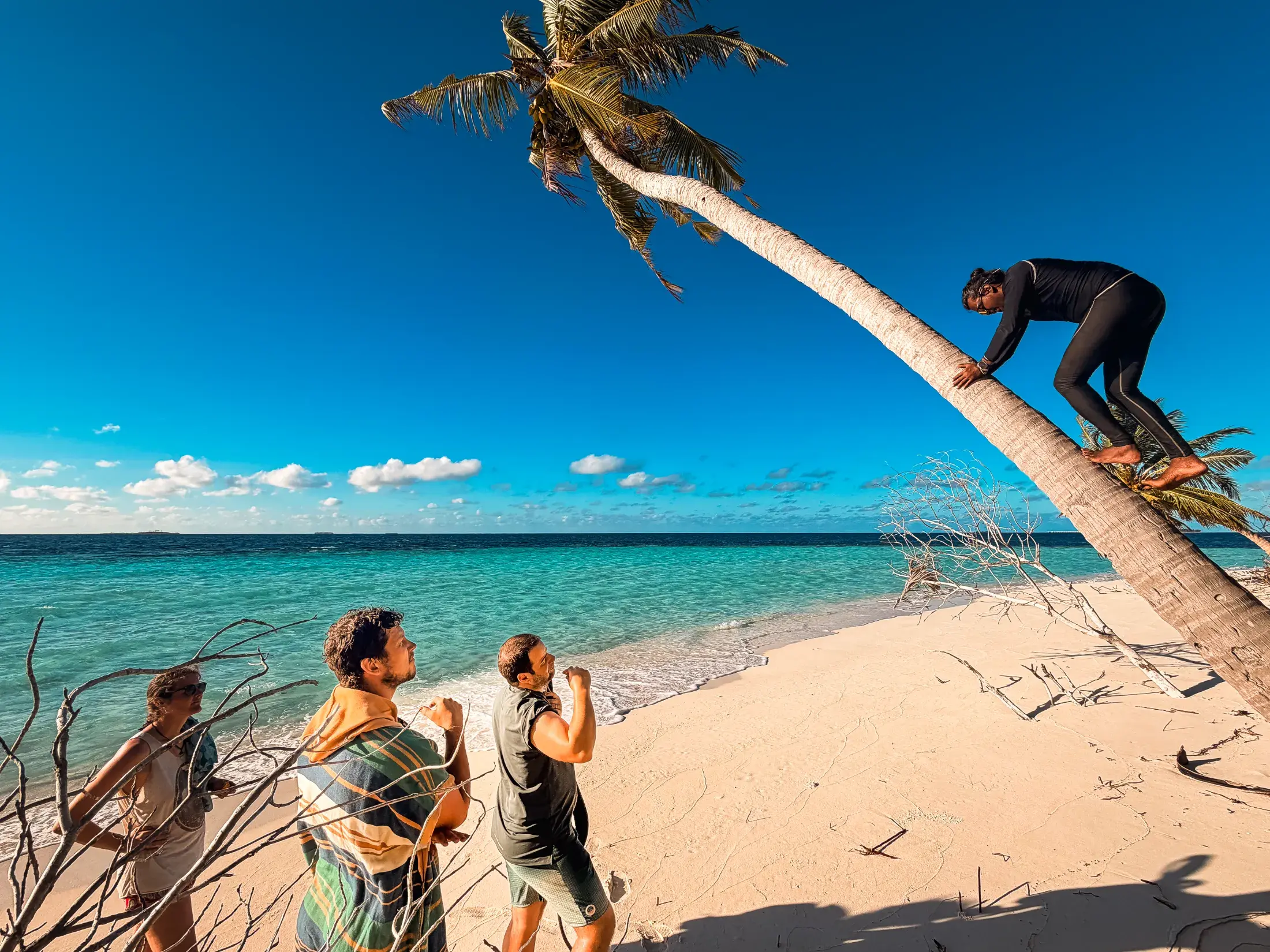
The engine stopped. Silence. The island up close was wilder than Mark had imagined. Palms leaned over the shore, driftwood scattered along the high tide line, and the only sound was the soft crash of waves on coral sand.
There was no jetty, no music, no villas. Only raw, breathing wilderness.
Tom was grinning.
“People come here for the Maldives they have seen in photos. But there is another side, the wild one. That is the one that wakes something up in you.”
First Steps, Barefoot and Awkward
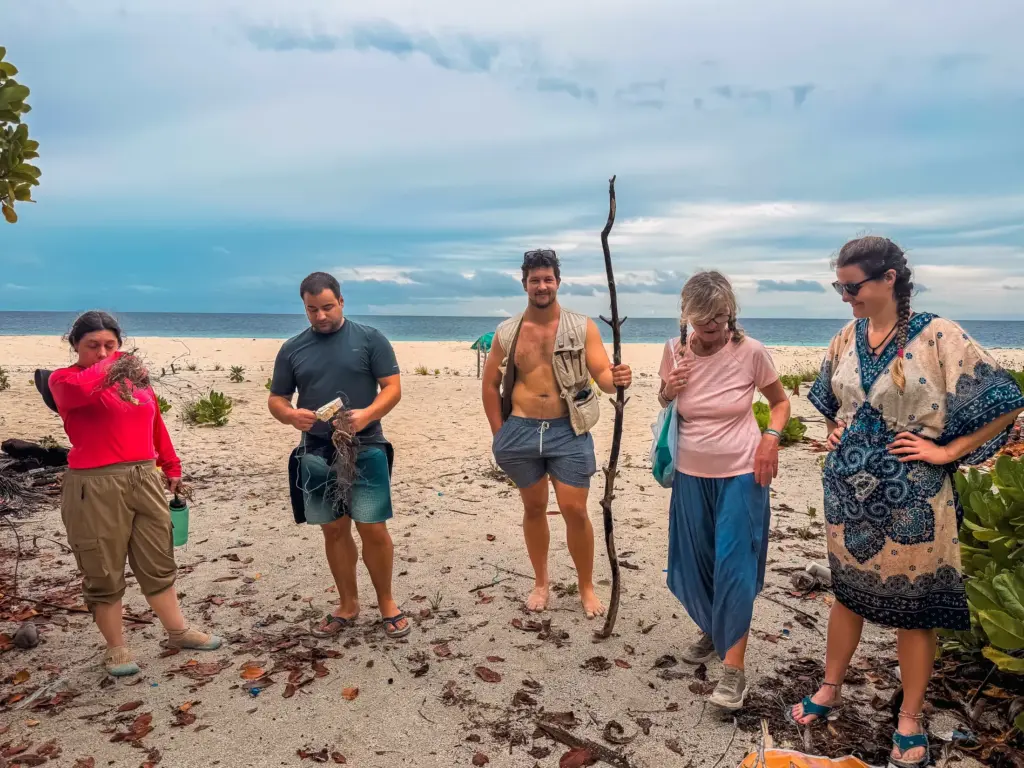
The sand was hot and soft as Mark jumped from the boat. His backpack hit the ground with a thud. The same faces from the guesthouse dinner were here beside him now; quiet, focused, and a little awed by what lay ahead. They laughed, helped one another unload the gear, and looked up at the thick green of the island.
Everyone waited for direction. The instructors moved calmly through the group, showing how to choose a hammock spot and how to tie it tight enough to hold. It looked simple when Tom demonstrated, but less so when they tried it themselves.
That first hour was full of trial and error. Hammocks sagged, knots slipped, and shelters needed adjusting. Sweat rolled down backs, patience ran thin, and every small success felt like a win.
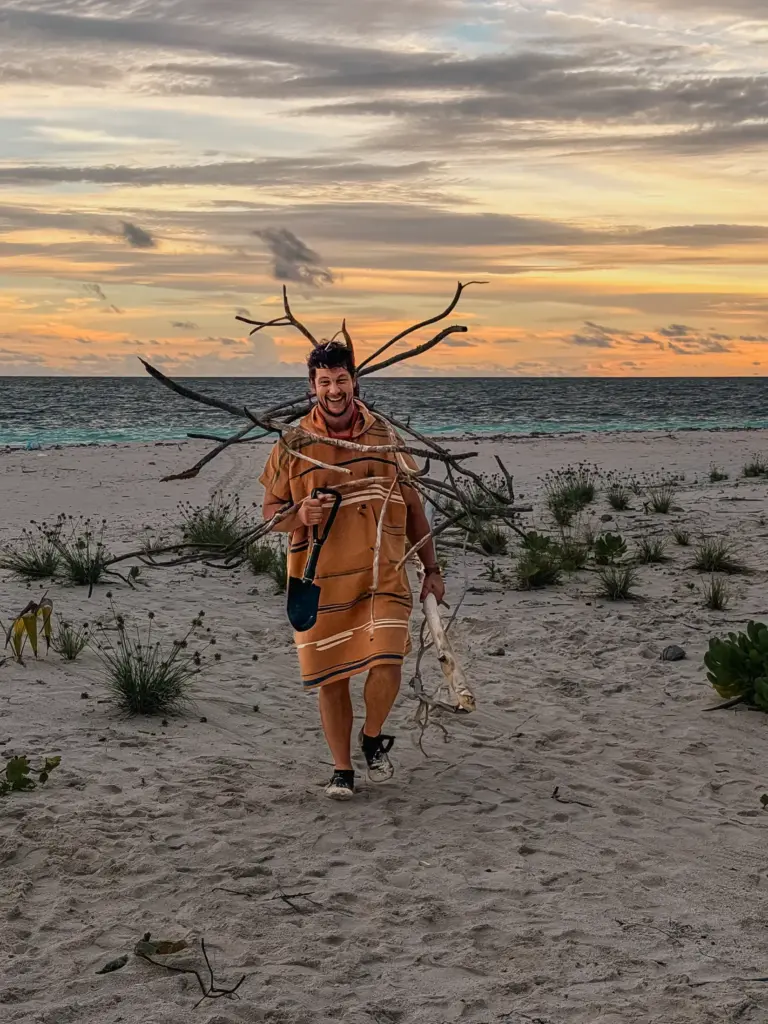
Tom saw Mark wiped his face and stared at a bundle of sticks that refused to behave.
“We’ll teach you everything we can,” he said. “The island will teach the rest.”
By the time the light softened, the group had learned to work together. Nobody said it, but everyone felt the same quiet mix of pride and disbelief. The adventure was real, but so was the calm guidance behind it. Invisible safety, always there, never in the way.
When Sparks Become Fire
The next day, Mark sat cross-legged in the sand, trying again to light a fire. His palms were sore, smoke stung his eyes, and he could feel the group watching. Finally, a thin thread of smoke began to rise, then a flicker of orange. A cheer went up that echoed down the beach.
That evening they cooked rice and fish over the small flames, the smoke curling through the palms. The food was simple, a little burnt, but nobody cared.
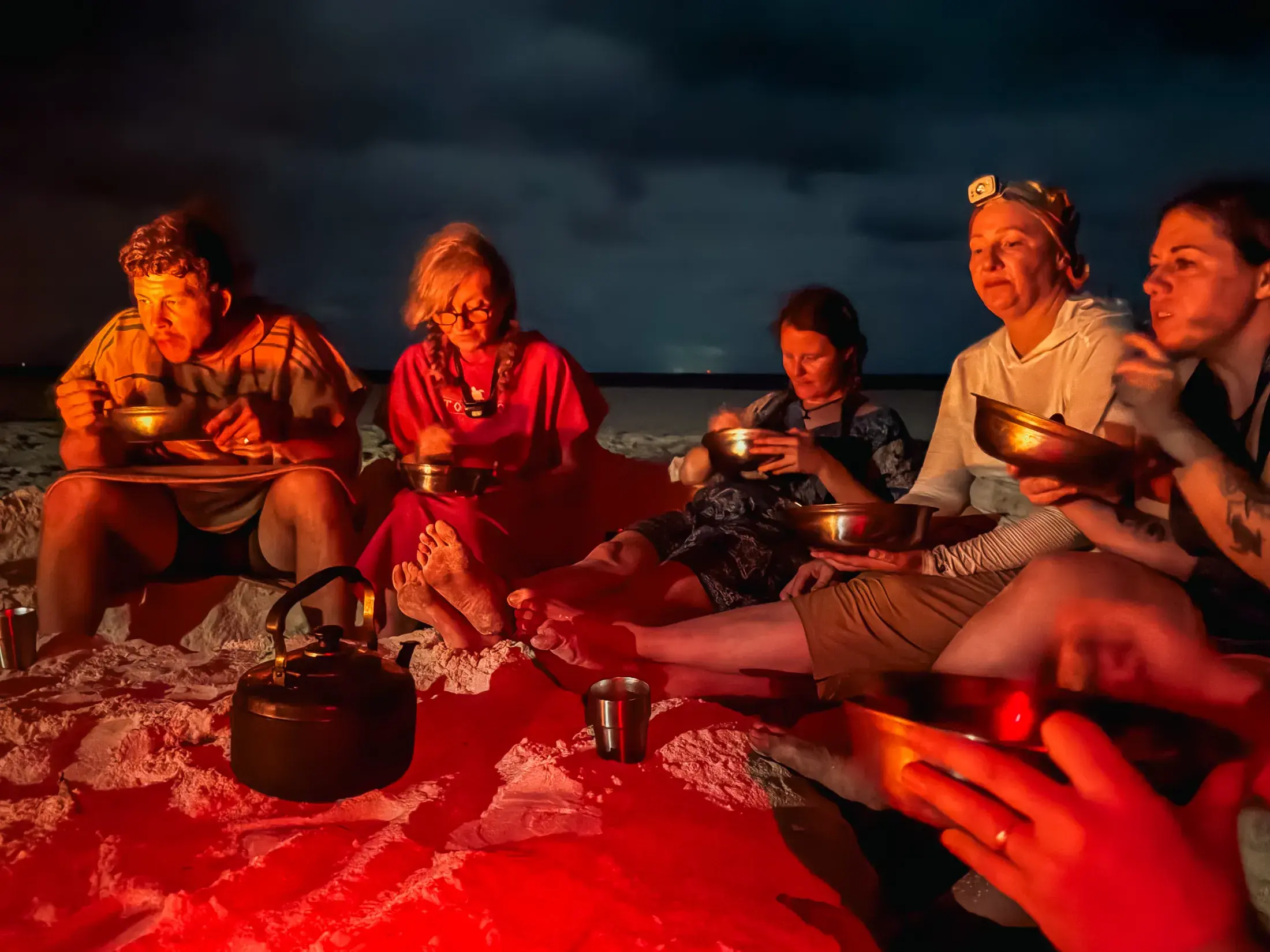
“That night, dinner tasted like achievement,” Mark said later. “You realise how much better things feel when you have earned them.”
They talked until the fire sank to embers. Laughter rolled easily now. The awkwardness of arrival had melted into something that felt like a tribe.
Time Shrinks to Tides
After a few days of training, clocks stopped meaning anything.
They woke with first light and slept when darkness settled. Their rhythm became the rhythm of the island. Fetch water. Collect firewood. Cook. Swim. Repair. Rest. Repeat.
Time slowed, but it also deepened. A single day felt long and full, like a week lived completely. Yet when they looked back, it seemed to have passed in a heartbeat.
Tom called it the island clock.
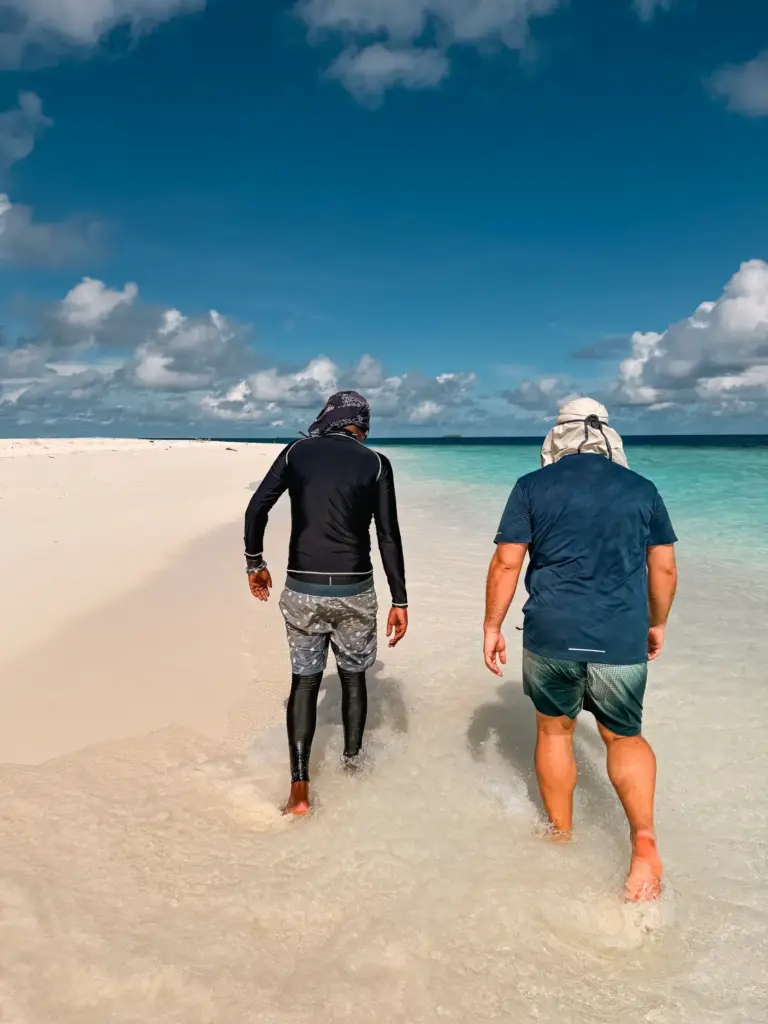
“When you take away everything that doesn’t matter, what is left really starts to matter.”
No one made speeches. No one tried to define what was happening. It was just life, stripped to the essentials, and it felt good.
Small Next to Something Vast
By midweek, the sea had stopped just being a place to cool off, and had become the source of every meal.
Each morning, the group waded into the shallows with hand lines and spears, eyes fixed on the flicker of fish between coral heads. Tom showed them how to read the water, the pull of the current, the shifting shadows, the stillness that meant fish were close.
Some days they came back with plenty, other days with almost nothing. Nobody complained. The ocean gave what it gave, and that became part of the rhythm.
Mark stood waist-deep one afternoon, salt on his lips, hands raw from the line. He felt small against the horizon, but not out of place. The sea no longer looked like a postcard. It looked like life itself: vast, generous, and completely honest.
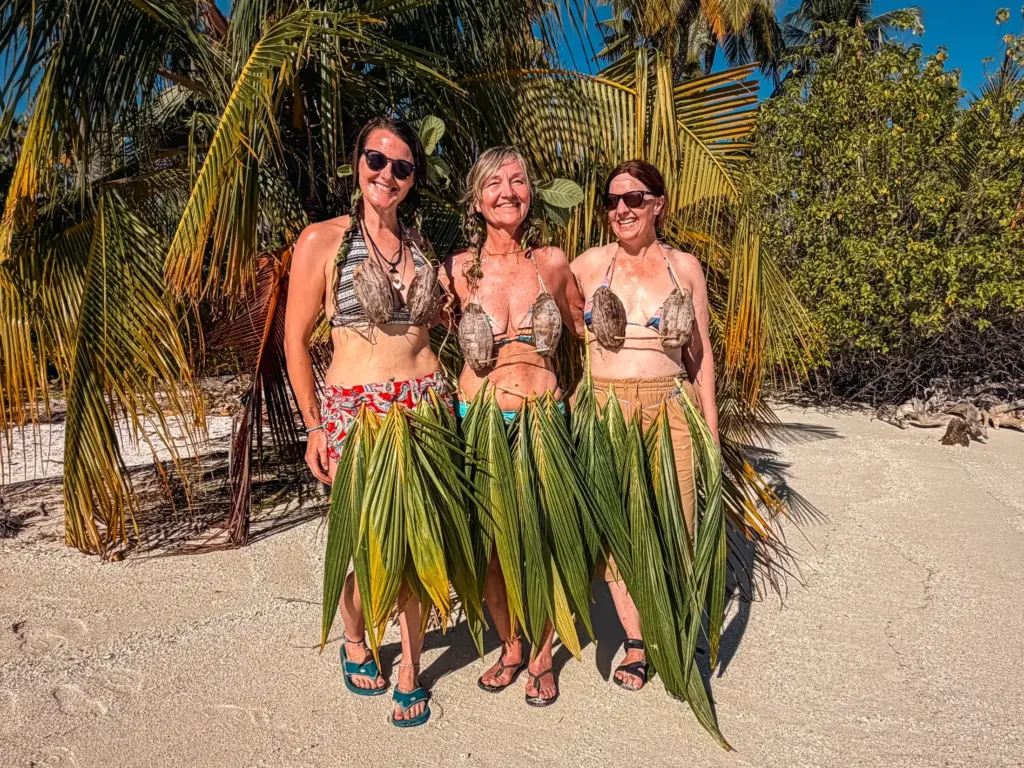
From the beach, Tom watched the group working quietly in the shallows.
“That’s what changes,” he said. “You stop standing outside the wild, and start belonging in it.”
The castaways just kept fishing, moving with the tide, small against something vast and, for the first time, completely at home.
When Things Go Sideways
The storm arrived without warning. One moment the sky was glowing orange, the next it was alive with wind and water.
Palm leaves tore through the air. Rain hammered the tarps. The fire hissed and vanished.
Everyone moved instinctively. Some held the shelter lines. Others guarded the gear. No panic, only quick action. Someone shouted over the noise, “five-star storm experience,” and laughter spread through the rain.
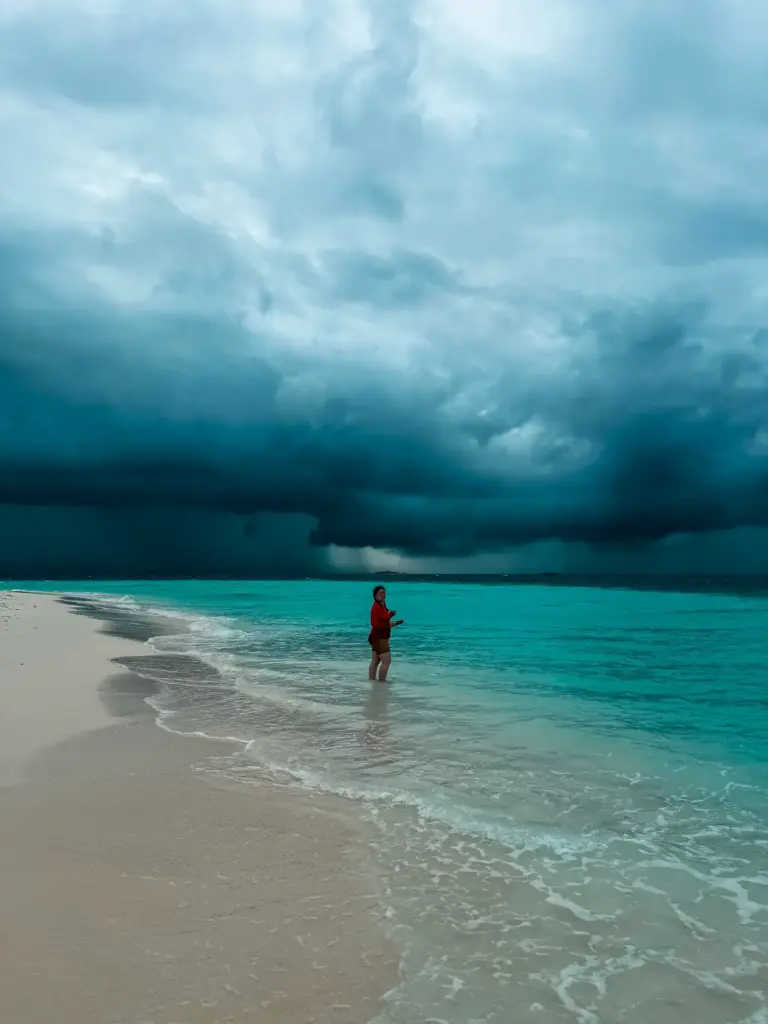
When the wind eased, they sat under their dripping roof, eating cold rice with their hands and grinning at the absurdity of it all.
That night they stopped being a group of strangers.
“That is what a tribe feels like,” Tom said. “The people who have got your back when it matters.”
What Stays With You
Morning came still. The island steamed in the heat. Someone boiled water for tea. Someone checked the fishing lines. Someone just sat watching the light change. Nobody said much, but the air felt lighter.
Mark noticed how present he felt. Not proud, not excited, just here.
He had not thought about work or time or home in days. Every moment felt stretched and full.
“When comfort is gone, the smallest things, warmth, food, light, feel like miracles again.”
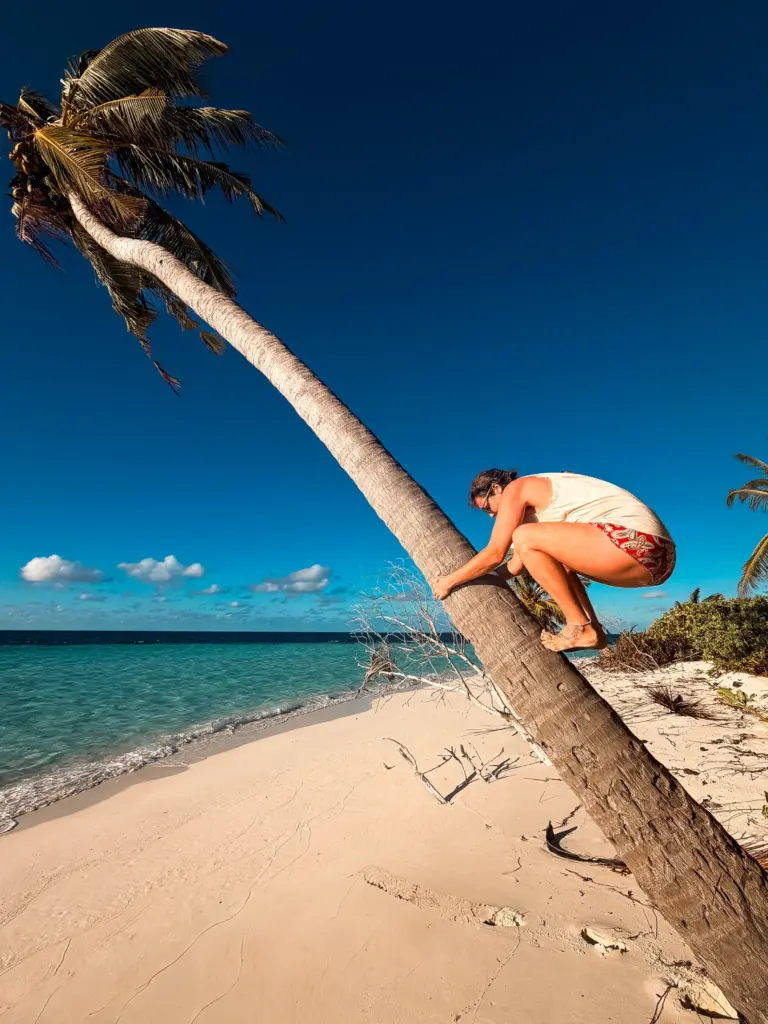
Tom calls it the gratitude reset. Not about transformation or self-improvement, just remembering what it feels like to value what is real.
Back to the Other Maldives
The pickup boat arrived mid-morning. Everyone joked about being rescued, though nobody really wanted to leave. It felt like they had been there a month, not eight days.
An hour later, the familiar world returned. White towels, polished decks, the smell of sunscreen. The hot shower felt strange. The buffet was overwhelming. The bed was almost too soft to believe.
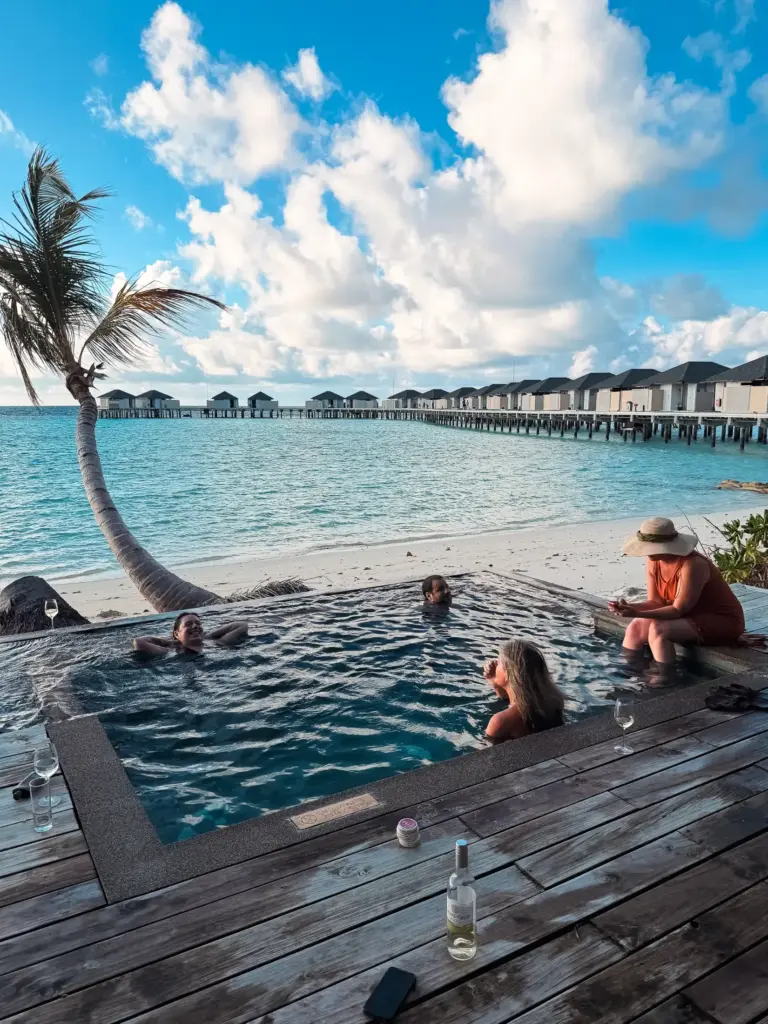
Over dinner they kept repeating the same thing:
“What did we just do?”
“I will never take this for granted again.”
Mark did not make any speeches. He just smiled, ate slowly, and felt awake in a way that comfort could not give him.
“We add that final night for contrast,” Tom said. “It’s not luxury you remember, it’s how the island made you earn it.”
It Is Never Really About the Island
When people ask Mark what the trip was about, he just shrugs.
“It’s not really about surviving,” he says. “It’s about living the way we’re meant to, even if just for a while.”
He is right.
What happens on that small Maldivian island happens everywhere Desert Island Survival goes. In the jungles of Panama, the deltas of Botswana, the bushlands of Tanzania, and the islands of the Philippines.
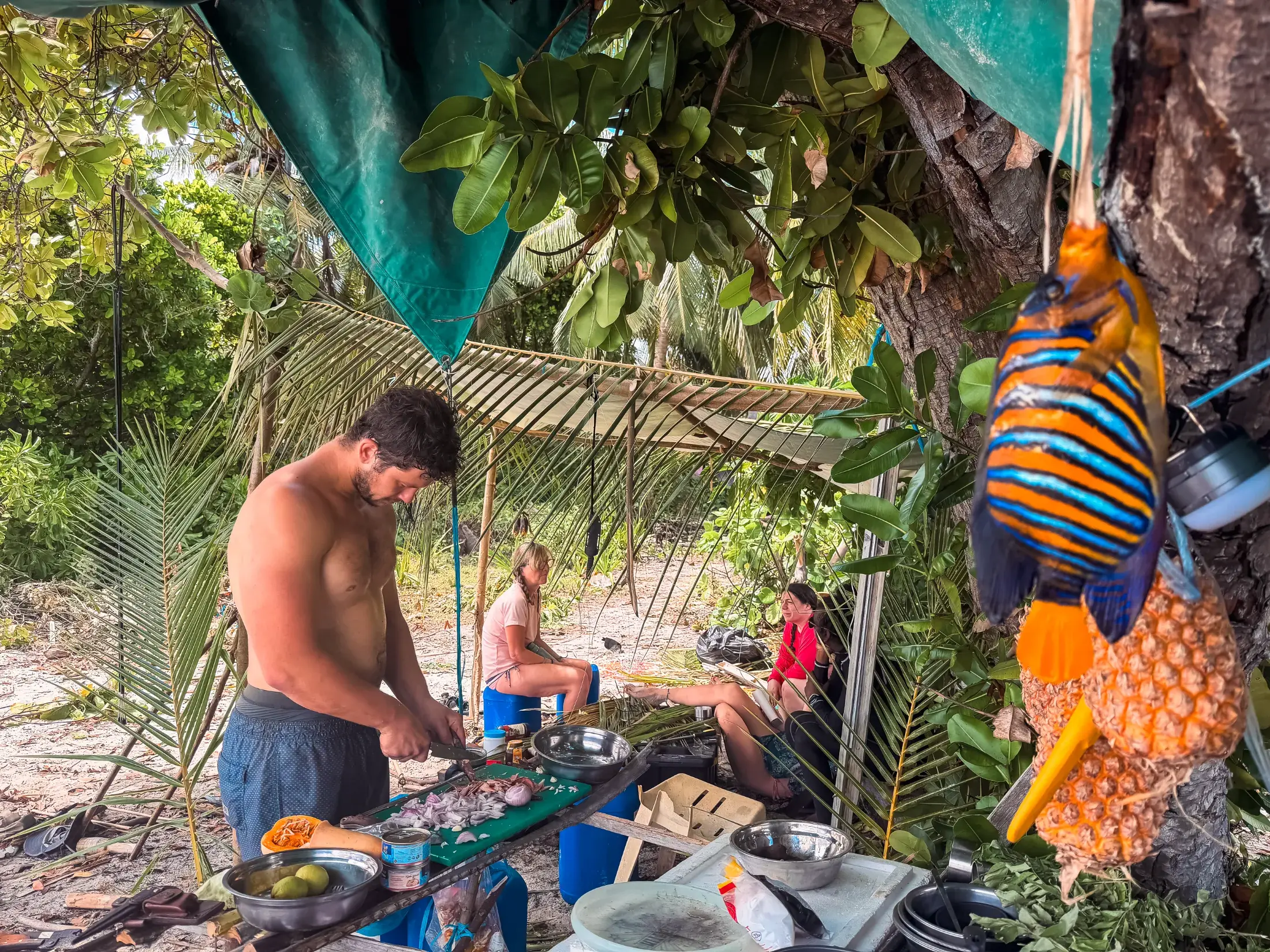
Different landscapes, same truth. Humans are built for wildness, for simplicity. Spend a week living that way and you do not come back fixed. You come back awake.
Tom puts it best.
Watch: What Survival in the Maldives Really Looks Like